
The question “How far is Oklahoma from Texas?” might seem simple, yet its answer unveils a diverse tapestry of travel experiences, geographical nuances, and cultural connections that span the shared border of these two iconic American states. From the vast plains and burgeoning urban centers to the serene natural landscapes, the journey between Oklahoma and Texas offers something for every type of traveler. This article delves into the practicalities of distance, the most efficient and scenic routes, and the wealth of attractions, accommodations, and lifestyle experiences awaiting those who venture across this vibrant regional divide.

Understanding the Proximity: A Geographical Overview
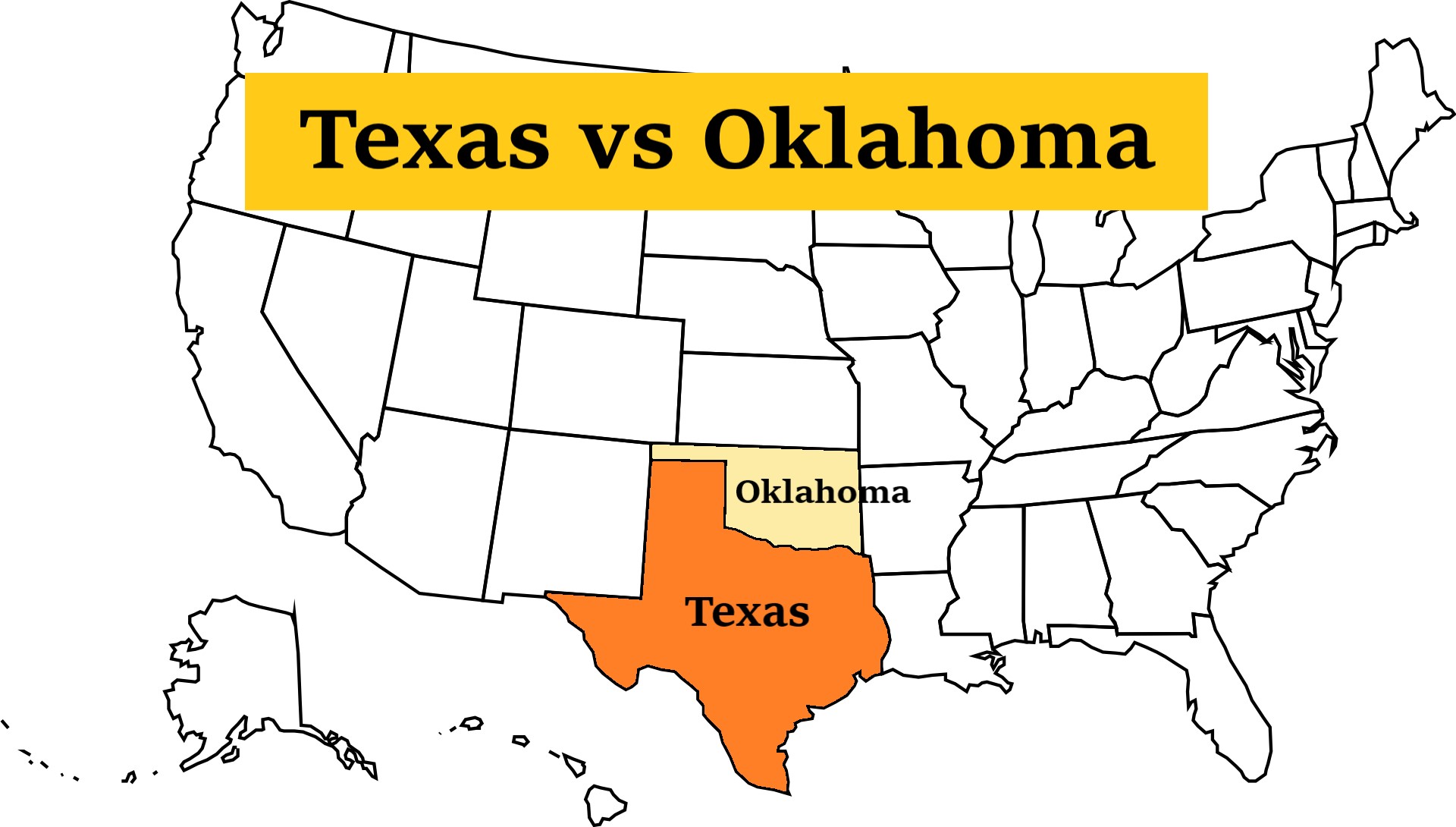
At first glance, Oklahoma and Texas are immediate neighbors, sharing a significant border that stretches hundreds of miles. This geographical fact means that “how far” is highly dependent on your specific starting point in one state and your intended destination in the other. It’s not a singular distance but rather a range that varies dramatically from border towns to major metropolitan hubs.
The Border: Where the States Meet
The border between Oklahoma and Texas is primarily defined by the Red River, a natural boundary that has historically shaped the region’s development and culture. This expansive river carves a path through diverse landscapes, from rolling prairies to forested areas, creating a picturesque divide. Towns like Gainesville and Denison in Texas find their counterparts in Ardmore and Durant in Oklahoma, showcasing the immediate proximity. For those seeking unique tourism experiences, the border region itself is a destination, offering a blend of recreational activities, historical sites, and local charm.
“As the Crow Flies”: Direct Distance
While rarely practical for travel, understanding the “as the crow flies” distance provides a baseline. The shortest distance between the extreme northern tip of Texas and the southern border of Oklahoma is essentially zero, given their shared boundary. However, if we consider the major urban centers, the direct distances become more illustrative:
- Oklahoma City to Dallas: Approximately 180 miles (290 km).
- Tulsa to Dallas: Roughly 260 miles (420 km).
- Oklahoma City to Houston: Around 390 miles (630 km).
- Tulsa to Houston: Approximately 420 miles (675 km).
These direct distances highlight that even between major cities, the journey can range from a relatively quick hop to a more substantial road trip, setting the stage for different travel expectations and planning needs.
Driving the Distance: Routes, Travel Times, and Scenic Journeys
For most travelers, the most practical way to traverse the distance between Oklahoma and Texas is by car. The highway network connecting the two states is robust and well-maintained, offering both efficient interstates and charming scenic routes.
Major City-to-City Journeys
The most frequent travel routes connect the largest cities, with Interstate 35 (I-35) serving as the primary artery. This major north-south corridor directly links Oklahoma City to the Dallas-Fort Worth Metroplex.
- Oklahoma City to Dallas: This is one of the most common trips. Covering approximately 190-200 miles via I-35 South, the drive typically takes around 3 hours, depending on traffic, especially around the major urban areas of Oklahoma City and Dallas. It’s a straightforward drive through predominantly flat, open terrain, making it ideal for business travel or quick weekend getaways.
- Oklahoma City to Houston: A more substantial journey, this route typically involves taking I-35 South to Dallas and then transitioning to I-45 South towards Houston. The total driving distance is approximately 450-480 miles, with a travel time ranging from 7 to 8 hours without significant stops. This trip often requires an overnight stay or careful planning for rest breaks.
- Tulsa to Dallas: Travelers from Tulsa often take US-75 South directly into Dallas. This route covers about 260-270 miles and takes approximately 4 to 4.5 hours. It’s a popular choice for those looking to experience the vibrant arts and culture scene of Tulsa before heading to the bustling metropolis of Dallas.
- Tulsa to Houston: This longer drive typically involves connecting to I-45 South via US-75 South or I-35 South through Dallas. The distance is roughly 470-500 miles, with a driving time of 7.5 to 8.5 hours. This route passes through diverse Texas landscapes, offering opportunities for scenic detours.
These journeys form the backbone of interstate travel between Oklahoma and Texas, providing efficient connections for both personal and business stays.
Scenic Routes and Road Trip Planning
Beyond the direct interstates, several routes offer a more leisurely and picturesque travel experience. For those who prefer the journey as much as the destination, these scenic alternatives provide glimpses into the local culture and natural beauty.
- Historic Route 66: While primarily traversing Oklahoma from east to west, sections of Route 66 in the Oklahoma Panhandle can connect to northern Texas cities like Amarillo. This iconic route is less about speed and more about nostalgia, roadside attractions, and stepping back in time.
- Lake Texoma Area: Straddling the Oklahoma-Texas border, Lake Texoma is a popular recreational area. Routes connecting cities like Durant (Oklahoma) to Denison or Gainesville (Texas) offer scenic views of the lake and surrounding natural landmarks. Eisenhower State Park on the Texas side and Catfish Bay in Oklahoma are excellent spots for camping, fishing, and boating.
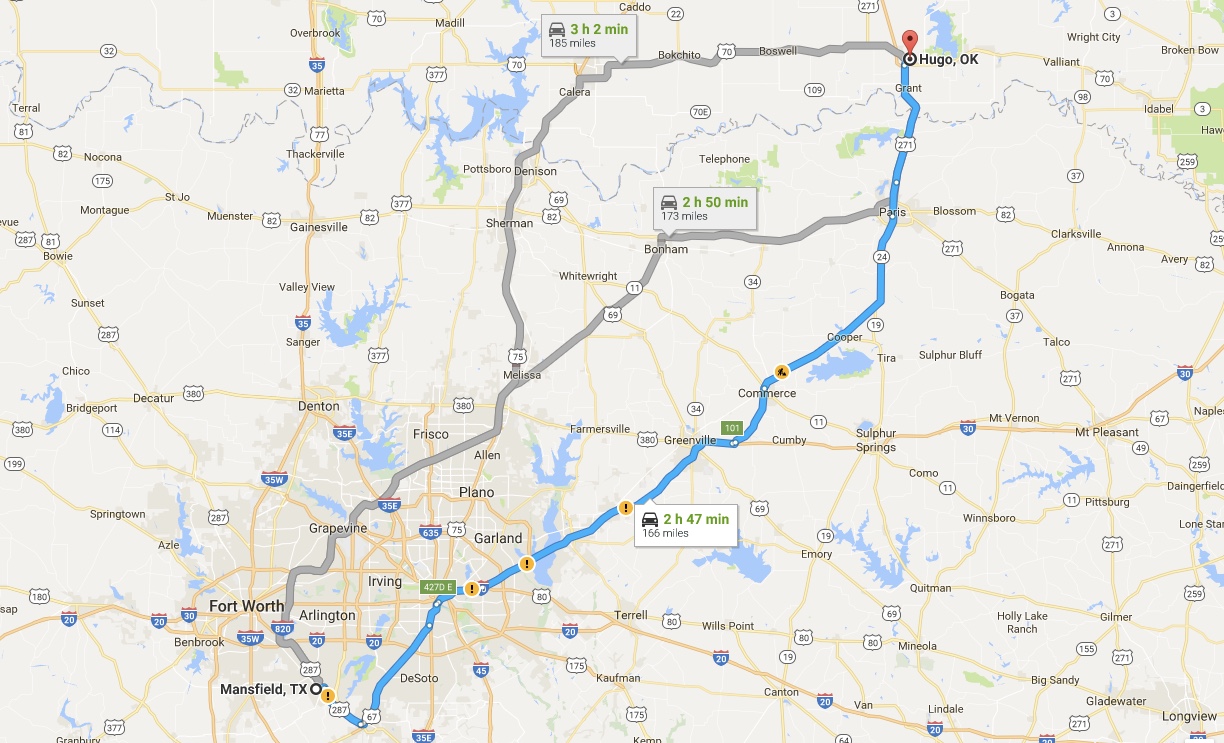
- Southeastern Oklahoma to Northeast Texas: For those exploring the lush forests of southeastern Oklahoma (like Broken Bow and Hochatown), routes through towns like Paris, Texas, offer a quieter, more rural travel experience. This region is characterized by its pine forests, lakes, and outdoor activities, a stark contrast to the bustling urban corridors.
Planning a road trip between these states involves considering not just the distance but also the desired pace, interests, and potential stops along the way. Travel guides often emphasize these routes for their blend of natural beauty and cultural insights.
Exploring Along the Way: Attractions and Experiences
A journey between Oklahoma and Texas is more than just covering miles; it’s an opportunity to discover unique attractions and immerse oneself in the distinct cultures of both states. From historical landmarks to vibrant entertainment districts, there’s a wealth of things to see and do.
Texas Highlights Near the Border
As you cross into Texas, particularly if approaching Dallas or Fort Worth, several notable landmarks and attractions are either directly on your path or a short detour away.
- Fort Worth Stockyards National Historic District: An absolute must-visit for anyone interested in the Wild West. Experience daily cattle drives, rodeos, and a lively atmosphere of shops and restaurants. This landmark offers a deep dive into Texas’s cowboy heritage.
- Deep Ellum, Dallas: For a more contemporary urban experience, this historic entertainment district in Dallas is known for its live music venues, art galleries, and diverse culinary scene. It’s a fantastic spot for local culture and vibrant nightlife.
- Hagerman National Wildlife Refuge: Located near Denison on Lake Texoma, this refuge offers excellent birdwatching, fishing, and hiking opportunities. It’s a tranquil escape for nature lovers and a prime example of Texas’s natural beauty.
- Sam Rayburn House Museum: In Bonham, this museum preserves the home of the influential former Speaker of the House, Sam Rayburn. It provides a fascinating look into American political history and the lifestyle of a prominent statesman.
These attractions offer a taste of Texas culture and history, enriching any journey from Oklahoma.
Oklahoma Gems Worth a Stop
Before or after crossing into Texas, Oklahoma boasts its own array of captivating attractions, showcasing its unique blend of Western heritage, Native American history, and modern urban appeal.
- Myriad Botanical Gardens and Bricktown, Oklahoma City: In the heart of Oklahoma City, these adjacent areas offer contrasting but equally engaging experiences. The Myriad Botanical Gardens provide a serene escape, while Bricktown buzzes with restaurants, entertainment venues, and canal rides.
- National Cowboy & Western Heritage Museum: Also in Oklahoma City, this museum is an unparalleled resource for understanding the history and lifestyle of the American West. It features extensive collections of Western art, firearms, and historical artifacts.
- Gathering Place, Tulsa: Voted one of the best new attractions in the USA, this massive riverfront park offers playgrounds, walking trails, and diverse activities for all ages. It’s a testament to Tulsa’s urban revitalization and a vibrant hub for local culture.
- Philbrook Museum of Art, Tulsa: Housed in a stunning villa, Philbrook offers an impressive collection of European, American, and Native American art, surrounded by exquisite gardens. It’s a cultural gem for art enthusiasts.
- Lake Murray State Park, near Ardmore: Oklahoma’s largest and oldest state park, offering camping, cabins, golf, and water activities on Lake Murray. It’s an ideal stop for outdoor experiences just north of the Texas border.
Incorporating these stops into your travel itinerary transforms a simple drive into a memorable journey filled with discovery and enjoyment.
Planning Your Stay: Accommodation and Lifestyle
Whether your journey is a quick business trip or an extended family vacation, finding the right accommodation and understanding the local lifestyle are crucial for a comfortable and enjoyable experience. Both Oklahoma and Texas offer a wide range of options, catering to various preferences and budgets.
Hotels and Resorts: From Luxury to Budget
The urban centers and popular tourist areas in both states provide a plethora of accommodation choices, from luxury resorts to budget-friendly hotels.
- Texas Metroplex Options: In Dallas, luxury hotels like The Ritz-Carlton, Dallas or Rosewood Mansion on Turtle Creek offer opulent amenities and exceptional service. For a unique experience near Fort Worth, Hotel Drover in the Stockyards provides a blend of Western charm and modern luxury. Mid-range options like Courtyard by Marriott Dallas Downtown or Embassy Suites by Hilton Dallas Love Field are plentiful. Along the border, destinations like the Choctaw Casino & Resort – Durant offer comprehensive entertainment and accommodation in Oklahoma just north of the Texas line.
- Oklahoma City and Tulsa Stays: Oklahoma City boasts historic gems like The Skirvin Hilton Oklahoma City, a landmark hotel, and contemporary options such as 21c Museum Hotel Oklahoma City, combining art and hospitality. In Tulsa, The Mayo Hotel is another historic boutique hotel offering a luxurious stay, while Ambassador Hotel Tulsa provides elegant suites. For budget-conscious travelers, chains like Holiday Inn Express and Comfort Inn are widely available in both cities.
- Resorts and Unique Accommodation: Beyond city hotels, Oklahoma and Texas also feature notable resorts. The Gaylord Texan Resort & Convention Center in Grapevine, Texas, offers extensive amenities, including an indoor water park. WinStar World Casino and Resort in Thackerville, Oklahoma, near the border, is one of the world’s largest casinos with diverse accommodation and entertainment options. For those seeking nature, cabins and lodges are available in areas like Beavers Bend State Park in southeastern Oklahoma, ideal for long-term stays or extended family trips.
When booking accommodation, it’s always advisable to check reviews and compare options to find the best fit for your travel style and budget, ensuring a comfortable base for your explorations.
Local Culture, Food, and Activities
Experiencing the local lifestyle is an integral part of any journey. Both Oklahoma and Texas offer distinct cultural flavors, particularly evident in their cuisine, music, and community events.
- Culinary Delights: In Texas, the food scene is dominated by BBQ, Tex-Mex, and hearty steaks. Iconic establishments and bustling food truck parks offer endless opportunities to savor these regional specialties. Oklahoma also boasts excellent BBQ and a growing farm-to-table movement, alongside a strong tradition of classic diner fare and Native American influences. Don’t miss the chance to try a fried onion burger in Oklahoma or authentic queso in Texas.
- Music and Entertainment: Texas is a legendary hub for country, blues, and rock music, with live music venues ranging from small honky-tonks to large arenas. Austin, the “Live Music Capital of the World,” is a prime example. Oklahoma has its own rich musical heritage, particularly in country and folk music, with numerous festivals and local performances to discover. The burgeoning arts districts in Oklahoma City and Tulsa offer a lively arts and entertainment scene.
- Outdoor Activities: Both states are paradise for outdoor enthusiasts. Texas offers vast spaces from the Big Bend National Park (though a significant drive from Oklahoma) to the coastal beauty of Padre Island National Seashore. Closer to Oklahoma, fishing and boating on Lake Texoma are popular. Oklahoma is renowned for its state parks, lakes, and rivers, offering hiking, fishing, and water sports. The rugged Wichita Mountains Wildlife Refuge near Lawton is home to bison, elk, and longhorns, providing exceptional wildlife viewing and outdoor recreation.
Engaging with these cultural aspects allows travelers to move beyond simply seeing the sights to truly experiencing the heart and soul of each state, making their travels more enriching and memorable.
Travel Tips for Your Texas-Oklahoma Journey
To make your journey between Oklahoma and Texas as smooth and enjoyable as possible, a few practical tips can go a long way.
Best Time to Travel
The climate in both states can be extreme, influencing the best times for a visit.
- Spring (March to May): Generally considered the ideal time. Temperatures are pleasant, wildflowers are in bloom, and outdoor activities are enjoyable. However, this is also prime tornado season, so staying updated on weather forecasts is crucial.
- Fall (September to November): Another excellent period, with comfortable temperatures and beautiful fall foliage, particularly in southeastern Oklahoma and parts of eastern Texas. Major events and festivals often take place during this season.
- Summer (June to August): Can be intensely hot, especially in Texas. Temperatures frequently exceed 90°F (32°C), making outdoor activities less comfortable during midday. If traveling in summer, plan water-based activities or indoor attractions.
- Winter (December to February): Generally mild, though cold fronts can bring freezing rain or snow, particularly in northern Oklahoma and the Texas Panhandle. It’s a quieter season for tourism, potentially offering better deals on accommodation.
Considering the weather will help you pack appropriately and plan your activities to maximize enjoyment.
Practical Advice for Travelers
- Vehicle Preparation: If driving, ensure your vehicle is in good condition, especially if undertaking a long journey. Check tires, fluid levels, and consider having a roadside assistance plan.
- Stay Hydrated: Especially during warmer months, carry plenty of water, even for shorter drives.
- Traffic Considerations: Major cities like Dallas, Fort Worth, Houston, and Oklahoma City can experience significant traffic congestion during peak hours. Use navigation apps with real-time traffic updates to plan your entry and exit times.
- Toll Roads: Texas has numerous toll roads, particularly around its major cities. Be aware of these and consider acquiring a TxTag or toll pass if you plan extensive driving in the state. Oklahoma also has turnpikes, often requiring Pikepass or cash.
- Embrace the Local: Don’t hesitate to engage with locals, try regional food, and explore off-the-beaten-path destinations. These impromptu experiences often become the most memorable parts of a trip.
- Accommodation Booking: Especially during peak season or major events, book your hotels, resorts, or apartments in advance. Utilize online booking platforms for comparison and reviews.
The distance between Oklahoma and Texas is not merely a number; it’s an invitation to explore a region rich in history, natural beauty, and vibrant culture. Whether you’re seeking a fast-paced urban adventure or a serene escape into nature, the journey between these two Southern giants offers an unforgettable travel experience.
LifeOutOfTheBox is a participant in the Amazon Services LLC Associates Program, an affiliate advertising program designed to provide a means for sites to earn advertising fees by advertising and linking to Amazon.com. Amazon, the Amazon logo, AmazonSupply, and the AmazonSupply logo are trademarks of Amazon.com, Inc. or its affiliates. As an Amazon Associate we earn affiliate commissions from qualifying purchases.