
When planning an international adventure or a cross-state road trip, understanding the sheer scale of a destination is often one of the first questions travelers consider. It impacts everything from the duration of a trip to the variety of landscapes one might encounter. A common point of curiosity arises when comparing geographically distinct yet globally significant regions, such as the island nation of Japan and the sprawling US state of California. While seemingly disparate entities, a closer look at their size reveals fascinating insights into their respective travel experiences, cultural nuances, and logistical considerations for visitors.

At first glance, one might assume California, known for its vast deserts, lengthy coastline, and towering mountains, is significantly larger than the archipelago of Japan. However, the reality is a little more nuanced and often surprising. Let’s delve into a comprehensive comparison, exploring not just the numbers, but what these dimensions mean for the intrepid traveler seeking to explore these incredible destinations.
The Geographic Footprint: A Quantitative Overview
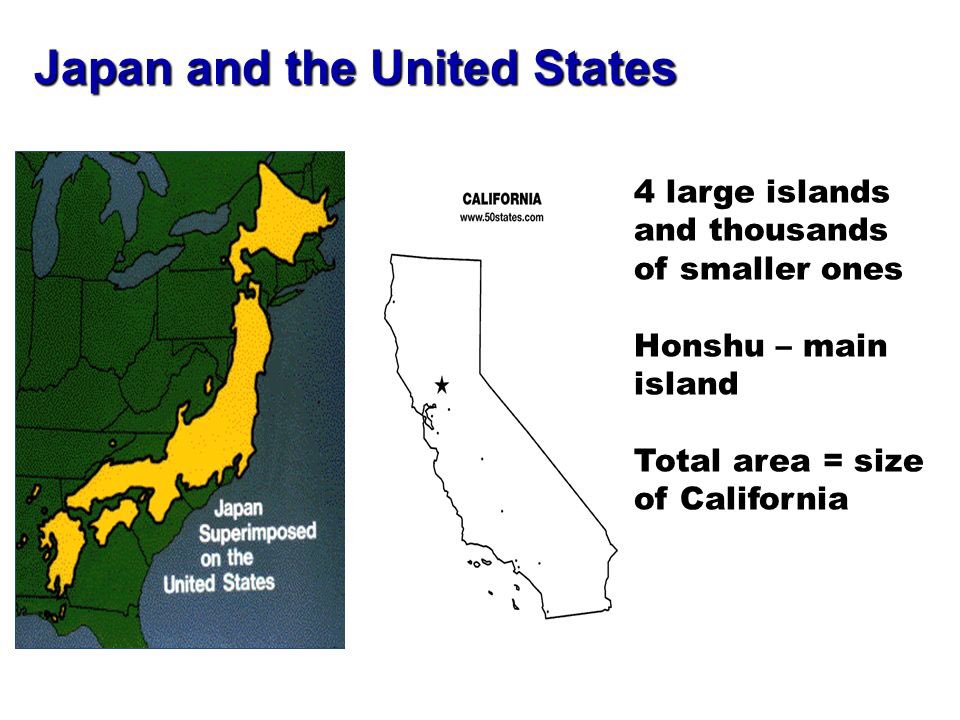
To accurately compare the size of Japan and California, we primarily look at their total land area.
- Japan’s Total Area: Approximately 377,975 square kilometers (145,937 square miles).
- California’s Total Area: Approximately 423,970 square kilometers (163,695 square miles).
From these figures, it becomes clear that California is indeed larger than Japan by roughly 45,995 square kilometers (17,758 square miles), or about 12.2% of Japan’s size. To put this into perspective, the difference in size is roughly equivalent to the entire country of Switzerland. So, while Japan is a substantial nation, California edges it out in terms of overall landmass.
However, these raw numbers only tell part of the story. The shape, topography, and distribution of land significantly influence how large a place feels and how one experiences it as a tourist.
Japan’s Archipelago: A Land of Contrasts
Japan is an island nation, composed of four main islands: Honshu, Hokkaido, Kyushu, and Shikoku, along with thousands of smaller islands. This insular nature means a much greater proportion of its land is mountainous and volcanic, with limited arable land concentrated in coastal plains and river valleys. For travelers, this translates into densely populated urban centers like Tokyo and Osaka, flanked by dramatic natural beauty, from the iconic peak of Mount Fuji to the snowy landscapes of Hokkaido.
The linear shape of Japan, stretching over 3,000 kilometers (1,864 miles) from north to south, means it encompasses a wide range of climates, from subarctic in the north to subtropical in the south. This geographical diversity offers an incredible array of travel experiences within its borders, from skiing and snowboarding in winter to beach holidays and coral reef diving in summer. The efficient Shinkansen (bullet train) network makes navigating this diverse landscape surprisingly fast and convenient, allowing visitors to traverse significant distances in comfort, linking major cities and tourist hubs.
California’s Diverse Landscape: From Coast to Desert
California, by contrast, is a single contiguous landmass, albeit one defined by immense geographical variation. It boasts over 1,300 kilometers (800 miles) of coastline, the towering Sierra Nevada mountain range, fertile central valleys, and vast desert regions like Death Valley. This diversity makes California feel incredibly expansive. You can surf in the morning near Los Angeles and ski in the afternoon in the nearby mountains, or explore the majestic granite formations of Yosemite National Park before descending into the scorching heat of the desert.
The road trip is the quintessential California travel experience, facilitated by extensive highway networks that crisscross the state. Distances between major cities like San Francisco, Los Angeles, and San Diego are substantial, often requiring several hours of driving. This provides ample opportunity for travelers to appreciate the changing landscapes and discover hidden gems along the way, a different rhythm of exploration compared to Japan’s high-speed rail network.
Beyond Square Miles: Population and Density
While land area provides a fundamental comparison, population density offers crucial insights into the human experience and the feel of a place.
- Japan’s Population: Approximately 125 million people.
- California’s Population: Approximately 39 million people.
With a population of over 125 million spread across its smaller land area, Japan is one of the most densely populated countries in the world. California, despite its larger size, has less than a third of Japan’s population.
Implications for Travel and Urban Exploration
This disparity in population density profoundly impacts the travel experience. In Japan, particularly in major metropolitan areas like Tokyo or Osaka, you’ll encounter bustling crowds, incredibly efficient public transportation systems, and a vibrant, compact urban environment where space is optimized. Even outside the major cities, many towns and villages are quite dense, albeit often nestled into mountainous terrain. This high density contributes to Japan’s unique culture of efficiency, cleanliness, and respect for shared spaces. Travelers will find themselves navigating intricate subway systems, enjoying world-class dining in intimate settings, and marveling at the seamless blend of ancient traditions with cutting-edge modernity.
California, conversely, offers a more spread-out experience. While its major cities like Los Angeles and San Francisco can be very dense and traffic-heavy, large swathes of the state remain sparsely populated, particularly in its desert regions, mountainous areas, and agricultural lands. This allows for vast wilderness areas and a strong sense of open spaces. For visitors, this means a greater reliance on private vehicles for exploration, opportunities for solitary outdoor adventures, and a generally more relaxed, spacious feel outside of urban cores. Accommodation in California can range from beachfront resorts in San Diego to cabins in national parks, reflecting this expansive geography.

A Traveler’s Perspective: Navigating Each Region
The differences in size and density translate into fundamentally different, yet equally rewarding, travel styles and opportunities.
Iconic Landmarks and Natural Wonders
Both Japan and California are rich in iconic landmarks and breathtaking natural beauty.
In Japan, many of the most famous landmarks are cultural and historical: the ancient temples and geisha districts of Kyoto, the bustling Shibuya Crossing in Tokyo, the solemn Peace Memorial Park in Hiroshima, and the serene deer parks of Nara. Natural wonders like Mount Fuji are deeply woven into the cultural fabric. The smaller scale means that many of these cultural and natural sites are relatively close to each other, often accessible via short Shinkansen rides or local trains, making it feasible to experience a wide range of attractions even during a shorter trip.
California is world-renowned for its diverse natural parks and man-made icons. From the majestic redwoods and granite cliffs of Yosemite National Park to the serene beauty of Lake Tahoe and the surreal landscapes of Death Valley, the state is a paradise for outdoor enthusiasts. Urban landmarks include the Golden Gate Bridge in San Francisco, the glitz of Hollywood in Los Angeles, and the magic of Disneyland in Anaheim. Covering these landmarks often requires significant travel time, embodying the classic American road trip spirit.
Culinary Journeys and Cultural Immersion
The size and cultural heritage of both regions also dictate their culinary scenes and opportunities for cultural immersion. Japan offers an unparalleled gastronomic experience, from Michelin-starred restaurants in Tokyo serving delicate sushi and ramen to regional specialties found in local markets. The emphasis on seasonality, precision, and presentation is deeply ingrained in Japanese culture. Engaging with local traditions, such as participating in a tea ceremony, staying in a traditional ryokan, or relaxing in an onsen (hot spring), offers profound cultural immersion.
California, a melting pot of cultures, boasts an incredibly diverse food scene. From farm-to-table movements in Napa Valley and Sonoma County to innovative fusion cuisine in Los Angeles and the fresh seafood of its coastal cities, there’s something for every palate. Mexican, Asian, and European influences are pervasive, making for an eclectic culinary adventure. Cultural experiences might include exploring historic missions, wandering through vibrant ethnic neighborhoods, or diving into the surf culture of its beaches.
Accommodation Choices: From Ryokans to Resorts
The scale and economic development of each region also influence accommodation options. In Japan, travelers can choose from hyper-efficient business hotels, luxurious international brands like the Grand Hyatt Tokyo, boutique guesthouses, and the quintessential Japanese experience of a ryokan (traditional inn), often featuring communal baths and authentic cuisine. Space is often at a premium, particularly in urban areas, leading to compact but meticulously designed rooms. Booking well in advance, especially during peak seasons, is crucial.
California offers a vast spectrum of accommodation, from budget motels along highways to opulent five-star resorts and villas in destination areas. You’ll find everything from iconic theme park hotels like the Disneyland Hotel to charming bed and breakfasts in wine country and rustic cabins in national parks. The sheer variety caters to every taste and budget, with options for long-term stays in serviced apartments in major cities or sprawling resorts perfect for family trips. The larger land area often means properties, especially outside city centers, can offer more spacious layouts and extensive amenities.
Planning Your Trip: Practical Considerations
Understanding the size comparison also helps in practical trip planning, touching upon lifestyle and budgeting.
Budgeting and Lifestyle Choices
Both Japan and California can be expensive destinations, but budget travel is certainly possible in both. In Japan, the efficient public transport, abundant convenience stores, and variety of dining options (from cheap ramen to Michelin-starred meals) allow for flexible budgeting. A Japan Rail Pass can make inter-city travel surprisingly affordable. Luxury travel in Japan might involve staying in high-end hotels, private tours, and gourmet dining experiences. Family trips are well-supported by family-friendly attractions and services.
In California, the cost of living varies significantly by region. Major cities like San Francisco and Los Angeles are among the most expensive in the world. However, opting for road trips, camping in national parks, and exploring smaller towns can significantly reduce costs. Renting a car is often a necessity, adding to the budget. For luxury travel, California offers world-class resorts, exclusive vineyard tours, and bespoke experiences, especially in areas like Beverly Hills or Silicon Valley. Family trips often revolve around theme parks, beaches, and outdoor adventures, requiring careful planning for accommodation and activities. Business stays are common in both locations, with hotels offering comprehensive amenities for corporate travelers.
Best Time to Visit and Getting Around
The extended north-south length of Japan means its climate varies dramatically, offering something for every season. Spring (cherry blossoms) and autumn (fall foliage) are popular for their mild weather and stunning natural beauty. Summer can be hot and humid, while winter brings snow to the northern regions. Getting around Japan is largely dominated by its incredible public transport system – the Shinkansen for long distances, and efficient subway and local train networks in cities. Taxis are available but can be expensive.
California’s climate also varies, but generally, the coastal regions enjoy mild, Mediterranean-like weather year-round. Summers can be very hot inland and in the deserts, while winters bring snow to the mountains. Spring and fall are generally ideal for exploring most of the state. Getting around California typically involves renting a car, as public transportation is less comprehensive outside of major city centers. This freedom allows for spontaneous detours and exploration of remote areas. Inter-city flights are also common for covering vast distances.
In conclusion, while California is quantitatively larger than Japan in terms of land area, the compact, densely populated nature of Japan’s archipelago creates a distinct feeling of vastness in terms of cultural depth and varied experiences. Both destinations offer an incredible array of travel opportunities, from world-class hotels and diverse accommodation to iconic landmarks and unique lifestyle experiences. Understanding their comparative size and geographical characteristics is key to planning an enriching and unforgettable journey, whether you’re navigating the bustling streets of Tokyo or cruising down California’s scenic coastline.
LifeOutOfTheBox is a participant in the Amazon Services LLC Associates Program, an affiliate advertising program designed to provide a means for sites to earn advertising fees by advertising and linking to Amazon.com. Amazon, the Amazon logo, AmazonSupply, and the AmazonSupply logo are trademarks of Amazon.com, Inc. or its affiliates. As an Amazon Associate we earn affiliate commissions from qualifying purchases.