
California, the Golden State, beckons with its unparalleled beauty, diverse landscapes, and vibrant culture. From the sun-kissed beaches of San Diego to the majestic redwoods of the north, and from the bustling cityscapes of Los Angeles to the serene vineyards of Napa Valley, there’s an endless array of experiences awaiting. For those planning an extended stay, dreaming of epic road trips, or making California their new home, securing a California driver’s license is more than just a bureaucratic step—it’s your key to unlocking true freedom and independent exploration.
Imagine cruising down the iconic Pacific Coast Highway, wind in your hair, with spontaneous stops at charming coastal towns, or embarking on an adventure to Yosemite National Park or Death Valley National Park on your own schedule. While an international driving permit might suffice for short visits, a local license offers unparalleled convenience, legal clarity, and often better rates for car rentals and insurance if you’re settling in. This comprehensive guide will walk you through every step of obtaining your California driver’s license, ensuring your journey through the Golden State is as smooth and unrestricted as possible.
The Golden State Awaits: Why a California Driver’s License is Your Ultimate Travel Pass
A driver’s license in California is more than just a permit to operate a vehicle; it’s an empowerment tool that fundamentally transforms your travel and lifestyle experience in this expansive state. For a traveler or an individual embracing the California lifestyle, having your own means of transportation unlocks a level of freedom and spontaneity that public transport, while useful in major cities like San Francisco, simply cannot match.
Consider the vastness of California and its incredibly diverse offerings. With a California driver’s license, you can easily plan a weekend getaway to the desert oasis of Palm Springs, immerse yourself in the magic of Disneyland on a whim, or chase the snow-capped peaks around Lake Tahoe in winter. You can explore hidden gems that are off the beaten path, discover local eateries in quaint towns, or venture into the heart of California’s wine country without the constraints of tour schedules or limited public transportation routes.
For those engaging in longer-term stays, perhaps exploring local culture, working, or studying, a California driver’s license becomes an essential piece of identification. It streamlines everything from opening bank accounts to proving residency, and it can significantly simplify processes like renting accommodation or accessing certain services. Beyond the practicalities, it contributes to a feeling of belonging and independence, allowing you to truly live like a local and delve deeper into the California way of life. It’s an investment in your personal mobility and an enhancement of your overall experience within one of the world’s most desired destinations.
Navigating the DMV: Essential Steps to Your California Driver’s License
The process of obtaining a driver’s license in California primarily involves interacting with the Department of Motor Vehicles (DMV). While it might seem daunting, breaking it down into manageable steps makes the journey straightforward. Patience and preparation are your best allies.
Step 1: Eligibility and Documentation – Gathering Your Essentials
Before you even step foot into a DMV office, understanding the eligibility requirements and meticulously preparing your documents is crucial. This foundational step will save you significant time and potential frustration.
- Who can apply? Generally, anyone 18 years or older who establishes residency in California can apply. Minors (16-17 years old) have additional requirements, including driver’s education and behind-the-wheel training. If you’ve recently moved to California and hold a valid driver’s license from another state or country, you typically have 10 days to apply for a California license after becoming a resident.
- Proof of Identity: You’ll need to provide one document proving your identity. Common examples include a U.S. birth certificate, U.S. passport, foreign passport with a valid I-94 or visa, or a permanent resident card. The name on this document must match your application.
- Proof of Residency: California requires two different documents to prove you reside in the state. These could be utility bills (gas, electric, water), a rental agreement or lease, mortgage bill, bank statement, or even a school document. Ensure these documents show your current California address.
- Social Security Number (SSN): You generally need to provide your SSN or proof of ineligibility.
- Application Form: Complete the Driver License or ID Card Application (DL 44) online or at a DMV office. Filling it out online beforehand can expedite your visit.
- Scheduling an Appointment: This is highly recommended for any DMV visit. You can schedule online through the DMV website, which dramatically reduces wait times, allowing you more time to explore California’s attractions instead of waiting in line.
Step 2: The Written Knowledge Test – Acing California’s Road Rules
Once your documents are in order, your next step is to tackle the written knowledge test, which assesses your understanding of California’s traffic laws and safe driving practices.
- Study the California Driver Handbook: This is your Bible for the written test. It’s available online in multiple languages on the DMV website. Read it thoroughly, paying close attention to road signs, traffic laws, and safe driving principles. Many online practice tests are also available and highly recommended.
- The Test: The test consists of multiple-choice questions. For adults 18 and over, you’re allowed to miss a certain number of questions (typically 7 out of 36) to pass. The test is offered in various languages.
- Vision Test: Before or after the written test, you’ll undergo a vision screening. If you wear corrective lenses, bring them.
- Fingerprints and Photo: Your fingerprints will be scanned, and a photo will be taken for your provisional permit.
- Fees: Be prepared to pay the application fee. Check the current fee schedule on the DMV website as it can change.
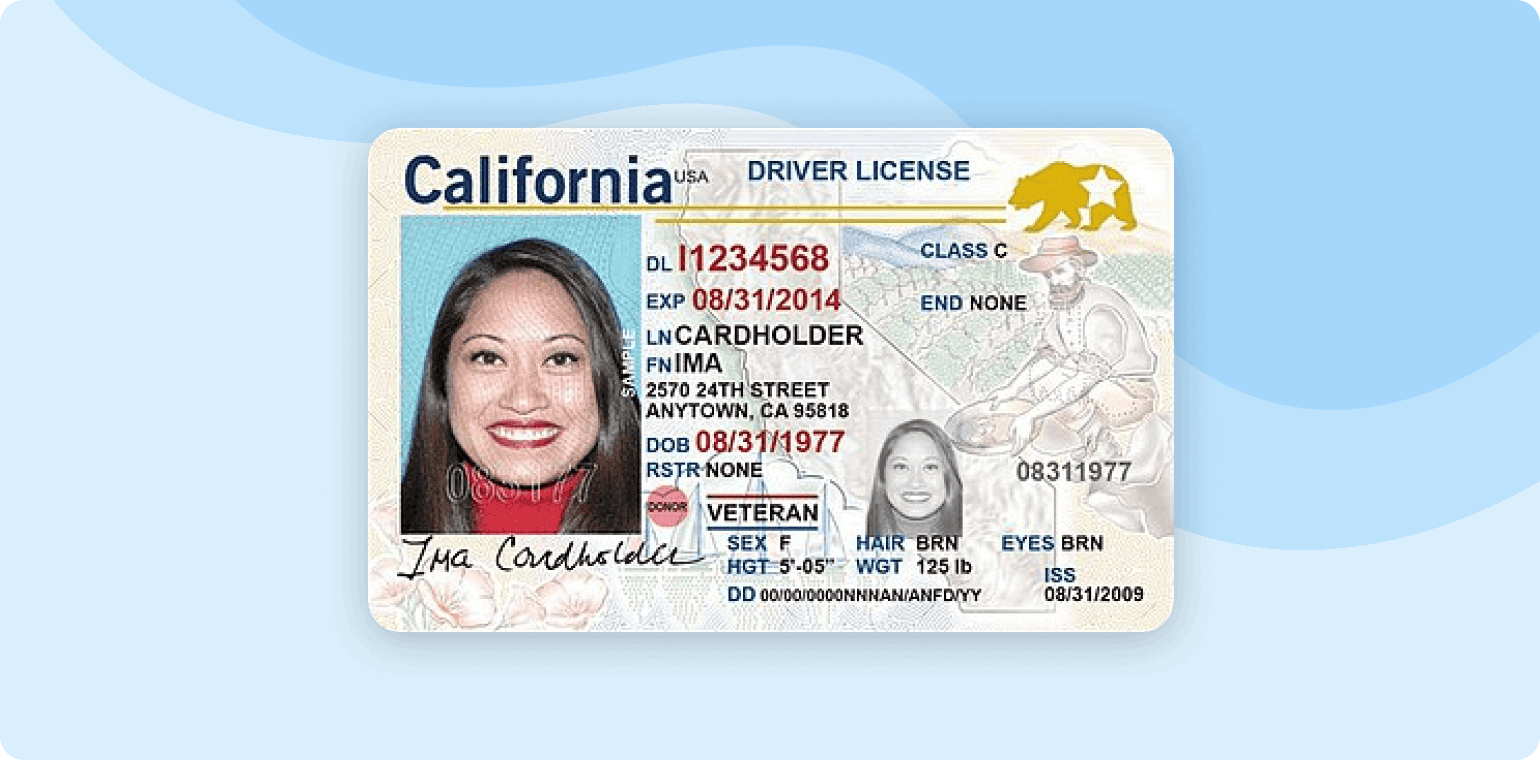
Upon passing the written test, vision test, and completing the necessary paperwork and payment, you’ll be issued a provisional instruction permit.
Step 3: Getting Your Provisional Permit – Practice Makes Perfect
The provisional permit is not a full driver’s license but a crucial step towards it. It allows you to practice driving under specific conditions.
- For Adults (18+): With a provisional permit, you can drive with a licensed California driver who is 18 years or older, has a valid California license, and is present in the passenger seat to supervise. There’s no minimum waiting period before you can take the driving test, but ample practice is strongly advised.
- For Minors (Under 18): Minors have stricter requirements, including holding the permit for at least six months, completing six hours of professional behind-the-wheel training, and 50 hours of supervised practice (10 of which must be at night).
- Importance of Practice: Utilize this period to become comfortable with California road conditions, traffic patterns, and specific maneuvers. Practice parking, navigating intersections, and driving on different types of roads—from city streets to highways. The more prepared you are, the higher your chances of success on the final driving test.
Step 4: The Driving Test – Demonstrating Your Skills on California Roads
This is the final hurdle to earning your California driver’s license. The driving test, also known as the “behind-the-wheel” test, assesses your ability to safely operate a vehicle.
- Scheduling the Test: Schedule your driving test appointment online or by phone. DMV offices can have long wait times for driving tests, so book well in advance.
- Vehicle Requirements: You must provide your own vehicle for the test. It must be in safe working condition, properly registered, and insured. The DMV examiner will perform a pre-test inspection, checking lights, horn, turn signals, brakes, and tires. You must also bring proof of insurance and registration for the vehicle.
- The Test Itself: An examiner will accompany you, directing you through a predetermined route. They will evaluate your ability to:
- Start and stop smoothly.
- Make turns and lane changes correctly.
- Maintain proper lane position.
- Check mirrors and blind spots.
- Follow traffic signs and signals.
- Perform a three-point turn or backing maneuver.
- Parallel park (though this is often part of the three-point turn or just a simple backing).
- Maintain a safe following distance.
- Demonstrate good judgment and safe driving habits.
- Common Mistakes to Avoid: Failing to check blind spots, poor lane discipline, speeding or driving too slowly, rolling through stop signs, and improper signaling are common reasons for failure. Be confident, but also cautious and observant.
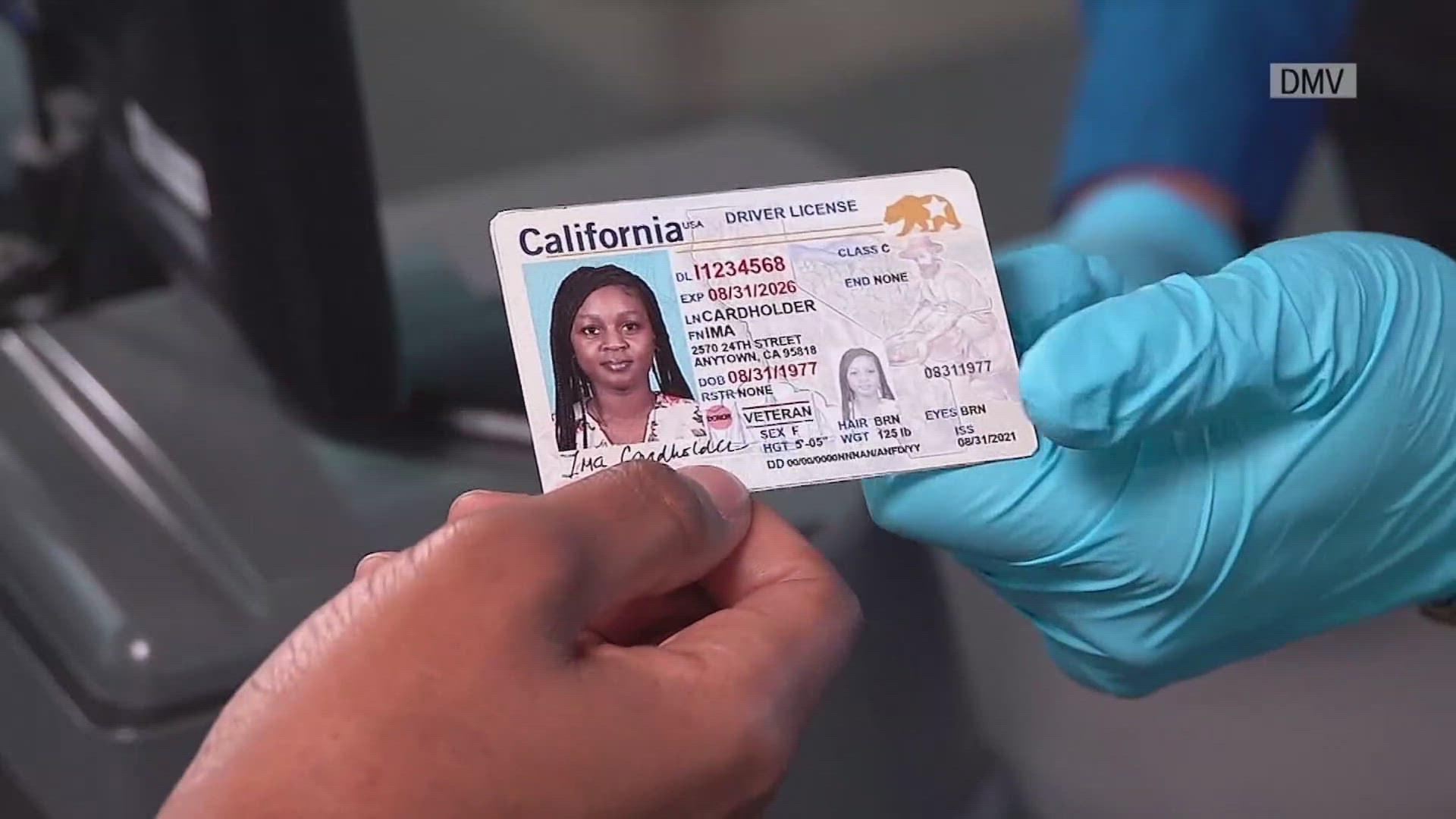
- After Passing: If you pass, the examiner will issue an interim license valid for 90 days. Your permanent California driver’s license will be mailed to you within a few weeks.
- If You Fail: Don’t despair! You can retake the test after a waiting period (typically a few days) and pay a retest fee. Use the experience to learn from your mistakes and practice more before your next attempt.
Beyond the Basics: Important Considerations for New California Drivers
Once you’ve successfully obtained your California driver’s license, there are a few additional details and tips that will ensure a seamless experience as you navigate the state’s roads and integrate into its unique driving culture.
Real ID vs. Standard License: What You Need to Know
When applying for your California driver’s license, you’ll be given the option to apply for a Real ID. This is an important distinction, particularly for travelers.
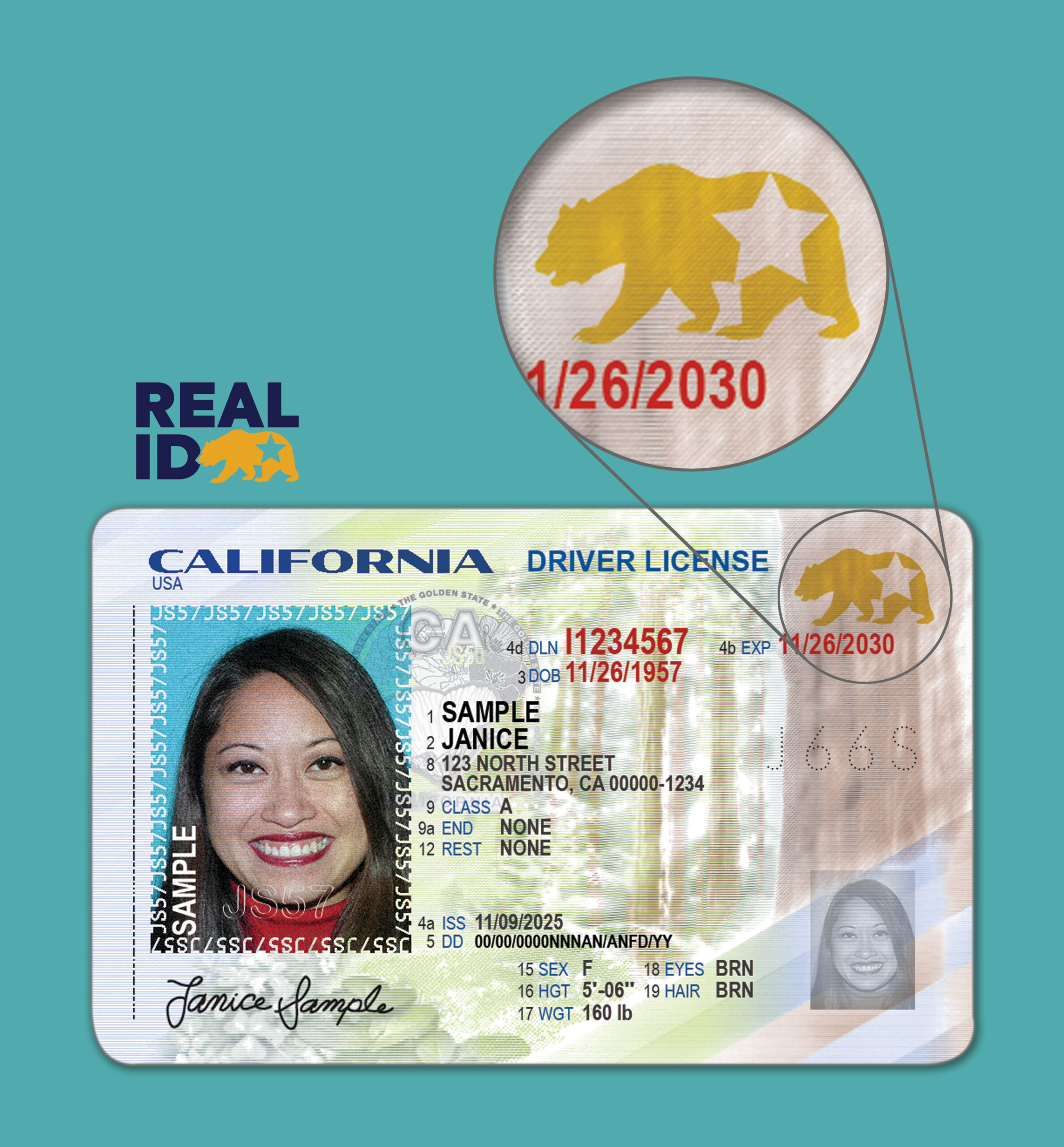
- Real ID: Beginning May 7, 2025, a Real ID compliant driver’s license or identification card will be required for air travel within the United States and for accessing certain federal facilities. A Real ID has a golden bear and star symbol in the upper right corner. To obtain a Real ID, you typically need to provide additional documentation beyond the standard requirements, including proof of identity (like a U.S. birth certificate or passport), proof of SSN, and two proofs of California residency.
- Standard License: A standard (federal non-compliant) driver’s license is still valid for driving and identification purposes, but it cannot be used for domestic air travel or accessing federal facilities after the enforcement date. If you opt for a standard license, you’ll need another form of federally accepted identification (like a U.S. passport) for these purposes.
- Recommendation: For most individuals, especially those who plan to fly domestically, applying for a Real ID is the most convenient option, as it consolidates your identification needs.
Driving in California: Tips for a Seamless Experience
Driving in California offers incredible opportunities, but it also comes with its own set of nuances.
- Traffic Laws and Speed Limits: Familiarize yourself with California’s specific traffic laws. Speed limits vary, but generally, urban freeways are 65 mph, rural freeways can be 70 mph, and residential areas are typically 25 mph unless otherwise posted. Pay attention to signage.
- Road Etiquette: California drivers can be aggressive, especially in metropolitan areas. Be prepared for heavy traffic, particularly during rush hours in cities like Los Angeles and San Francisco. Carpool lanes (HOV lanes) are common and have specific occupancy requirements. Lane splitting for motorcycles is legal, so always be aware of motorcyclists.
- Weather Considerations: While often sunny, California’s weather can vary dramatically. Coastal fog, heavy rain during the winter months (especially in Northern California), and snow in mountainous regions like the Sierra Nevada (where chain controls might be enforced) require adjusted driving. Always check weather forecasts for your route.
- Insurance Requirements: It is mandatory to carry minimum liability auto insurance in California. Always have proof of insurance in your vehicle. Driving without insurance can lead to significant penalties.
- Vehicle Registration and Emissions: If you’re bringing a vehicle into California from another state, you’ll need to register it with the DMV and it may be subject to a smog inspection. These are important steps to ensure your vehicle is compliant with California’s environmental standards.
Obtaining a California driver’s license is a rite of passage for anyone settling into or planning extensive travel within the state. It signifies your readiness to embrace all that this magnificent region has to offer, from the historic charm of Sacramento to the glitz and glamour of the Hollywood Walk of Fame, and everything in between. By following these steps and understanding the local driving landscape, you’re not just getting a license; you’re gaining a passport to countless adventures and unforgettable memories in the Golden State. Drive safely, explore widely, and enjoy every mile of your California journey!
LifeOutOfTheBox is a participant in the Amazon Services LLC Associates Program, an affiliate advertising program designed to provide a means for sites to earn advertising fees by advertising and linking to Amazon.com. Amazon, the Amazon logo, AmazonSupply, and the AmazonSupply logo are trademarks of Amazon.com, Inc. or its affiliates. As an Amazon Associate we earn affiliate commissions from qualifying purchases.