
The question “How far from Florida to California?” transcends a simple mileage figure. It’s an inquiry into the vastness of the United States, a consideration of diverse landscapes, cultures, and an epic cross-country adventure. From the sun-drenched beaches and vibrant cities of the Sunshine State to the dramatic coastlines and innovative hubs of the Golden State, the journey is an experience in itself, promising memories that last a lifetime. Whether you envision a whirlwind flight or a leisurely road trip, understanding the true scope of this coast-to-coast traverse is the first step in planning an unforgettable travel itinerary.
The Tangible Distance: Miles, Kilometers, and Travel Time
At its core, the distance between Florida and California is immense, spanning thousands of miles and cutting across numerous states. This isn’t a short hop; it’s a significant continental crossing that demands careful planning, regardless of your chosen mode of transportation.
Calculating the Direct Path
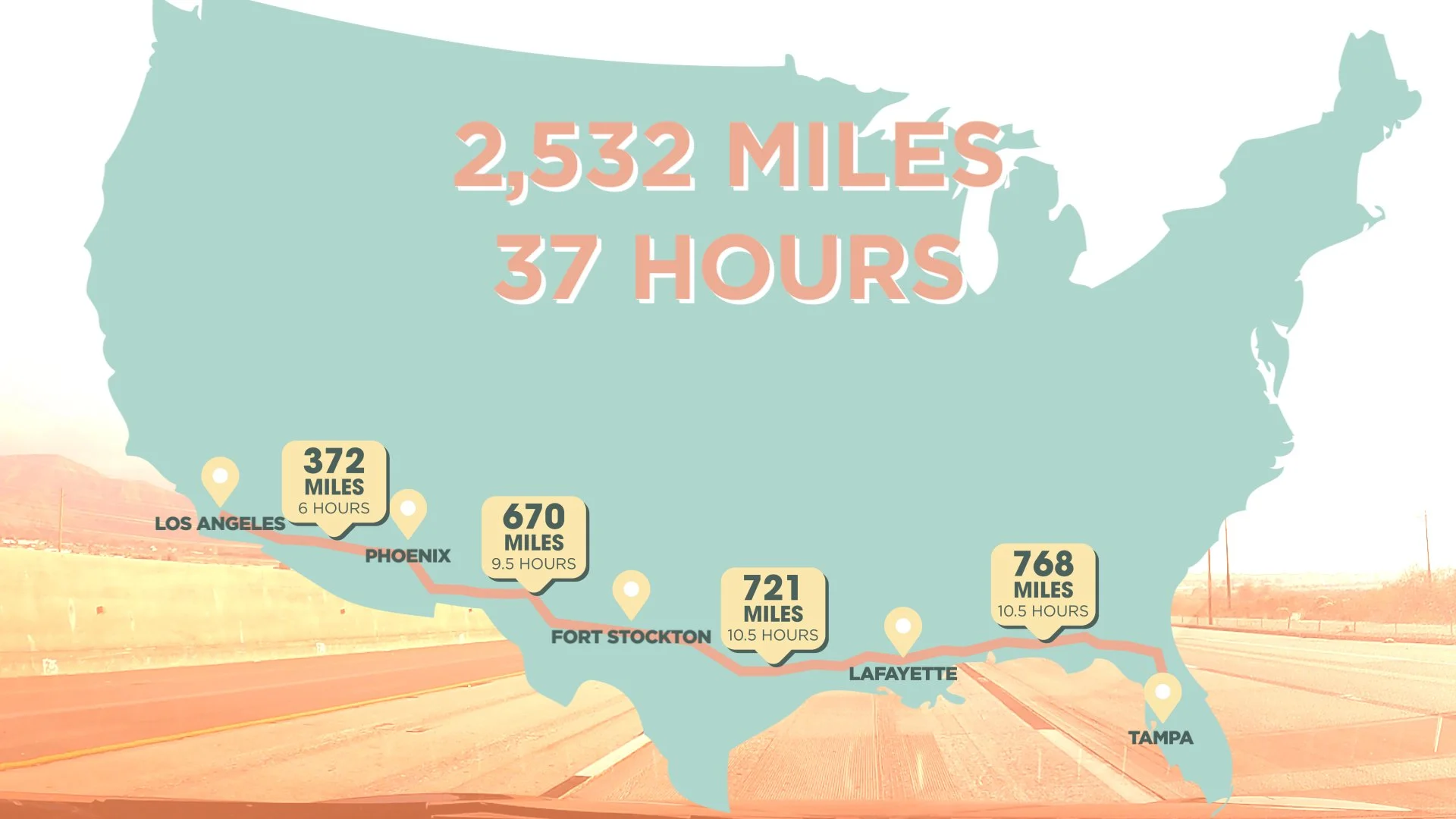
To get a precise idea, let’s consider a few popular city pairings, illustrating the typical distances involved. For instance, a journey from Miami on Florida’s southeastern tip to Los Angeles on California’s Pacific coast typically covers approximately 2,700 to 2,800 miles (about 4,345 to 4,500 kilometers). If you were to start from Orlando, the heart of Florida’s theme park region, and aim for San Francisco in northern California, the distance stretches even further, often nearing 3,000 miles (about 4,828 kilometers).
Driving this distance is a monumental undertaking. For a non-stop driver, covering 2,800 miles would require approximately 40-45 hours of pure driving time. However, such a pace is impractical and unsafe. Most people tackling this journey by car would spread it over at least five to seven days, allowing for rest, meals, and overnight accommodation. This extended timeframe transforms a mere drive into a genuine road trip experience, complete with spontaneous detours and opportunities for exploration.
For those prioritizing speed, air travel is the clear winner. A direct flight from a major Florida airport, such as Orlando International Airport (MCO) or Miami International Airport (MIA), to a prominent California hub like Los Angeles International Airport (LAX) or San Francisco International Airport (SFO), typically takes between 5 to 7 hours. This excludes time spent at airports for check-in, security, and boarding, but it significantly reduces the overall travel duration, making it ideal for those with limited time or specific business stays.
Factors Influencing Your Journey
The “how far” question isn’t just about the crow flies. Several factors can significantly alter your perceived distance and travel time:
- Route Variations: The United States offers multiple major interstates connecting east to west. The most common southern route follows I-10, traversing Texas, New Mexico, and Arizona. A more central route might incorporate parts of I-40, dipping further north through states like Oklahoma and Arkansas. Each route offers different scenery, landmarks, and potential detours.
- Weather Conditions: Especially during certain seasons, weather can impact driving conditions and flight schedules. Winter storms in the central United States or summer thunderstorms in the Southeast can cause delays or necessitate route changes.
- Traffic: Urban areas, particularly around major cities like Houston, Dallas, Phoenix, and Los Angeles, are notorious for heavy traffic, which can add hours to a driving journey.
- Stops and Detours: For many, the journey isn’t just about the destination but the discovery along the way. Planning stops at national parks, historic sites, or charming towns will naturally extend the travel time but enrich the overall experience. These planned detours are integral to a true tourism adventure.
Embarking on the Cross-Country Adventure: Travel Modes and Experiences
The decision between flying and driving shapes the entire character of your journey from Florida to California. Each offers a distinct way to engage with the vast American landscape.
The Classic American Road Trip
There’s an undeniable romanticism to the cross-country road trip, a quintessential American lifestyle choice that embodies freedom, discovery, and spontaneity. Driving from Florida to California allows you to witness the gradual shifts in geography, climate, and culture that define the United States.
- Duration and Planning: As mentioned, a comfortable road trip usually spans 5-7 days of active driving, but many travelers opt for 10-14 days or even longer to truly savor the journey and explore various attractions. This extended period provides ample opportunity to delve into local culture, sample regional cuisine, and visit significant landmarks. Planning for accommodation is key, with options ranging from budget-friendly motels to comfortable chain hotels and even unique boutique resorts in larger cities. Using booking sites and checking reviews in advance can secure desirable stays and offer insights into amenities like parking, complimentary breakfast, or pools – often crucial after a long day of driving.
- Key Interstates and Sights: The most popular routes include I-10 and I-40. I-10 takes you through the southern states, offering glimpses of the Florida panhandle, the vibrant jazz scene of New Orleans, the vast expanses of Texas, and the desert beauty of Arizona before reaching California’s diverse landscapes. Along the way, potential stops include the Space Center Houston, the historic Alamo in San Antonio, the surreal beauty of Saguaro National Park near Tucson, and the stunning red rocks surrounding Sedona.
The I-40 corridor, often intersecting with historic Route 66 segments, presents a different tapestry. Here, you could explore the heartland charm of Oklahoma City, the unique cultural fusion of Albuquerque in New Mexico, the ancient cliff dwellings of Mesa Verde National Park (a slight detour), and the awe-inspiring Grand Canyon in Arizona. Further west, the Petrified Forest National Park offers a geological wonder. - Tips for Success: A successful road trip requires more than just a map. Essential tips include having your vehicle thoroughly checked before departure, budgeting for fuel, food, and impromptu stops, packing versatile clothing for varying climates, and maintaining flexibility in your schedule. Embrace the unexpected detours and local tips for discovering hidden gems. Whether it’s a budget travel adventure or a more luxury travel experience with upscale resorts and fine dining, the road trip offers unparalleled opportunities for a personalized journey.
The Convenience of Air Travel
For those whose priority is reaching their destination swiftly, flying is the most practical choice. It transforms a multi-day journey into a matter of hours, making it ideal for short vacations, business stays, or visits where time is of the essence.
- Major Hubs: Florida’s main international airports are Orlando International Airport (MCO) and Miami International Airport (MIA), both offering numerous direct flights to California’s largest airports: Los Angeles International Airport (LAX), San Francisco International Airport (SFO), and San Diego International Airport (SAN).
- Pros and Cons: The primary advantage is speed and the ability to maximize your time at your chosen destination. The trade-off is missing the scenic intermediate landscapes and the inherent adventure of a road trip. Considerations include the cost of airfare, which can fluctuate widely based on booking time and season, baggage limits, and the potential for jet lag due to the significant time zone change. For those seeking luxury travel, first-class or business-class flights offer enhanced comfort and amenities, turning the flight itself into a more enjoyable experience.
Other Modes of Transport
While less common for a full coast-to-coast journey, other transportation methods offer unique perspectives:

- Train Travel (Amtrak): Amtrak provides cross-country routes, such as the Sunset Limited which connects New Orleans to Los Angeles, and the Texas Eagle which connects Chicago to Los Angeles via Texas. These routes would require connecting from Florida to a major hub like New Orleans or Chicago. Train journeys are significantly slower than driving or flying, often taking 2-3 days from east to west, but they offer a relaxed way to see the country without the stress of driving, with opportunities for comfortable accommodation in sleeper cars.
- Bus Travel (Greyhound): Greyhound offers the most economical option, with routes connecting virtually every major city. While budget-friendly, bus travel is also the slowest and can be the least comfortable option for such a long duration.
Planning Your Coast-to-Coast Journey: Logistics and Experiences
A journey from Florida to California requires meticulous planning to ensure a smooth and enjoyable experience. From selecting your path to choosing where you’ll rest your head, every decision contributes to the overall adventure.
Choosing Your Route and Pace
The vast distance offers flexibility in route selection, each with its own character:
- The Southern Route (I-10): Often preferred for its warmer weather, especially outside of summer, this route takes you through the deep South and Southwestern deserts. Beyond Florida’s charming panhandle towns, you’ll encounter the unique culture of New Orleans, the metropolitan sprawl of Houston, the historic charm of San Antonio, the bustling city of Phoenix in Arizona, and finally, the diverse landscapes of southern California. This route is rich in Southern hospitality, Tex-Mex cuisine, and desert vistas.
- The Central Route (I-40): This path offers a different flavor, particularly appealing to history buffs and fans of Americana, as it follows much of the historic Route 66. Stops could include the revitalized Oklahoma City, the vibrant Native American and Spanish influences in Albuquerque, and the natural wonders of the Grand Canyon in Arizona. This route allows for a deep dive into the heartland of America.
- Tailoring to Interests: Your interests should guide your route. Are you seeking national parks and natural landmarks? Head north towards Grand Canyon or even Zion National Park and Bryce Canyon National Park (both in Utah, requiring a slight detour). Do you prefer urban exploration and vibrant local culture? Focus on routes connecting major cities. The pace also matters – a family trip with children will necessitate more frequent stops and shorter driving days than a solo adventure.
Accommodation Along the Way
Finding suitable places to rest is crucial for a multi-day journey. The United States offers a vast array of accommodation types:
- Roadside Motels: Offering convenience and often competitive pricing, these are staples for road trippers. They provide basic amenities and easy access from major highways.
- Chain Hotels: Brands like Holiday Inn Express, Hampton Inn, and La Quinta Inn offer consistent quality, comfortable rooms, and often include breakfast, pools, and fitness centers. For a higher tier of luxury travel, you might consider Hyatt Place or Marriott properties, which provide more upscale suites and services.
- Boutique Resorts and Vacation Rentals: In popular destinations or scenic areas, consider booking boutique resorts or apartments and villas through platforms like Airbnb. These offer unique character and a chance to experience local charm, though they might require booking further in advance.
- Booking and Reviews: Always utilize online booking platforms and read recent reviews. They provide invaluable insights into cleanliness, safety, amenities, and location. During peak seasons or for popular stops like national parks, booking several weeks or months ahead is highly recommended to ensure availability and better pricing, especially for long-term stays if you plan extended visits in certain areas.
Immersing in Local Culture and Cuisine
One of the richest aspects of a cross-country journey is the opportunity to experience the diverse cultures and culinary traditions of the United States.
- Culinary Delights: Your taste buds will embark on their own adventure. From the fresh seafood and Cuban influences in Florida, the spicy Cajun and Creole dishes of Louisiana, and the savory Southern BBQ of Texas, to the Tex-Mex fusion of the Southwest and California’s farm-to-table innovations, every state offers a distinct gastronomic identity. Don’t shy away from roadside diners or local eateries; they often hold the most authentic flavors.
- Cultural Immersion: Each region boasts a unique history and heritage. Explore the music halls of Nashville or Austin, wander through historic districts, visit Native American cultural centers, or engage with local communities at farmers’ markets or small-town festivals. These encounters provide a deeper understanding of the country’s mosaic.
- Practical Tips: Be open to new experiences. Research local events or attractions in towns you plan to stop in. Engaging with locals for recommendations on food and activities can lead to some of the most memorable moments of your trip.
Experiencing the Contrasts: From Sunshine State to Golden State
The ultimate reward of traversing the continent is witnessing the dramatic transformation from the humid sub-tropics of Florida to the varied landscapes of California. Each state is a major destination in its own right, offering a wealth of attractions and experiences.
Florida’s Charms
The journey begins in Florida, a state synonymous with sunshine and family fun.
- Beaches and Theme Parks: Florida boasts some of the world’s most beautiful beaches, from the soft sands of Clearwater Beach to the vibrant shores of South Beach in Miami. It’s also home to legendary theme parks like Walt Disney World Resort and Universal Orlando Resort in Orlando, drawing millions of visitors annually.
- Cities and Nature: Beyond the crowds, cities like Miami offer a cosmopolitan blend of Art Deco architecture, Latin American culture, and a thriving nightlife. Key West, at the end of the Florida Keys, provides a laid-back island vibe. Nature lovers can explore the unique ecosystems of Everglades National Park, home to alligators, panthers, and diverse bird species.
California’s Diverse Appeal
Arriving in California is like stepping into another world, a state renowned for its dramatic geographical diversity and cultural dynamism.
- Natural Wonders: California is a treasure trove of natural landmarks. Yosemite National Park stuns with its towering granite cliffs and waterfalls. The rugged coastline of Big Sur offers breathtaking ocean views. The colossal trees of Redwood National Park inspire awe, while the extreme landscapes of Death Valley National Park showcase the desert’s harsh beauty.
- Iconic Cities: Los Angeles is a global epicenter of entertainment, with Hollywood, world-class museums, and miles of beaches like Santa Monica and Malibu. San Francisco captivates with its iconic Golden Gate Bridge, historic Alcatraz Island, and a vibrant culinary scene. Further south, San Diego offers a relaxed coastal atmosphere, famous for its Balboa Park and pristine beaches.
- Culture and Lifestyle: Beyond the cities, California boasts world-renowned wine regions like Napa Valley and Sonoma Valley, offering exquisite tasting experiences. The state’s commitment to outdoor living, health, and innovation shapes a distinct lifestyle that is both aspirational and diverse.
The journey from Florida to California is a testament to the sheer scale and beauty of the United States. The distance, while significant, is merely a canvas for an incredible adventure. Whether you opt for the efficiency of air travel or the immersive depth of a cross-country road trip, the passage between these two iconic states offers a profound exploration of American geography, culture, and personal discovery. It’s more than just miles; it’s a bridge between two worlds, waiting to be crossed.
LifeOutOfTheBox is a participant in the Amazon Services LLC Associates Program, an affiliate advertising program designed to provide a means for sites to earn advertising fees by advertising and linking to Amazon.com. Amazon, the Amazon logo, AmazonSupply, and the AmazonSupply logo are trademarks of Amazon.com, Inc. or its affiliates. As an Amazon Associate we earn affiliate commissions from qualifying purchases.