
Navigating the landscape of unemployment can be a challenging period for anyone, but understanding the specifics of the system can provide a crucial sense of direction. In California, a state renowned for its vibrant economy, diverse industries, and world-class tourist destinations, the duration of unemployment benefits is a critical factor for individuals planning their immediate future, managing their finances, and even considering their lifestyle choices. From delaying a much-anticipated vacation to reconsidering accommodation options, the length of support directly impacts how residents engage with the Golden State’s extensive offerings, affecting everything from daily spending to long-term travel aspirations.

This article delves into the intricacies of California’s Unemployment Insurance (UI) system, exploring how long benefits typically last, the potential for extensions, and the broader implications for personal finance, travel, and the state’s robust tourism and hospitality sectors. Understanding these timelines is not just about financial stability; it’s about maintaining a quality of life, planning for the future, and potentially reshaping how one experiences the wonders of California, whether it’s exploring local landmarks or dreaming of a future luxury escape.
Understanding California’s Unemployment Insurance (UI) System
The California Unemployment Insurance program is a vital safety net designed to provide temporary financial assistance to eligible workers who lose their jobs through no fault of their own. Administered by the Employment Development Department (EDD), this program plays a significant role in mitigating the economic impact of job loss on individuals and, by extension, on the state’s economy. For residents in a state known for its high cost of living, understanding the framework of this system is paramount.
Eligibility and Benefit Calculation in the Golden State
Before delving into duration, it’s essential to grasp the fundamental criteria for eligibility and how benefits are calculated. To qualify for UI benefits in California, applicants must meet specific requirements, primarily centered around their work history and earnings during a “base period.” This period typically covers the 12 months preceding the filing of a claim.
Key eligibility requirements include:
- Having earned sufficient wages during the base period. The EDD requires a minimum amount of earnings to establish a valid claim.
- Being unemployed or working reduced hours due to no fault of your own. This generally excludes those who quit voluntarily without good cause or were fired for misconduct.
- Being able and available for work, and actively seeking new employment. This crucial component ensures that the program supports those genuinely trying to re-enter the workforce.
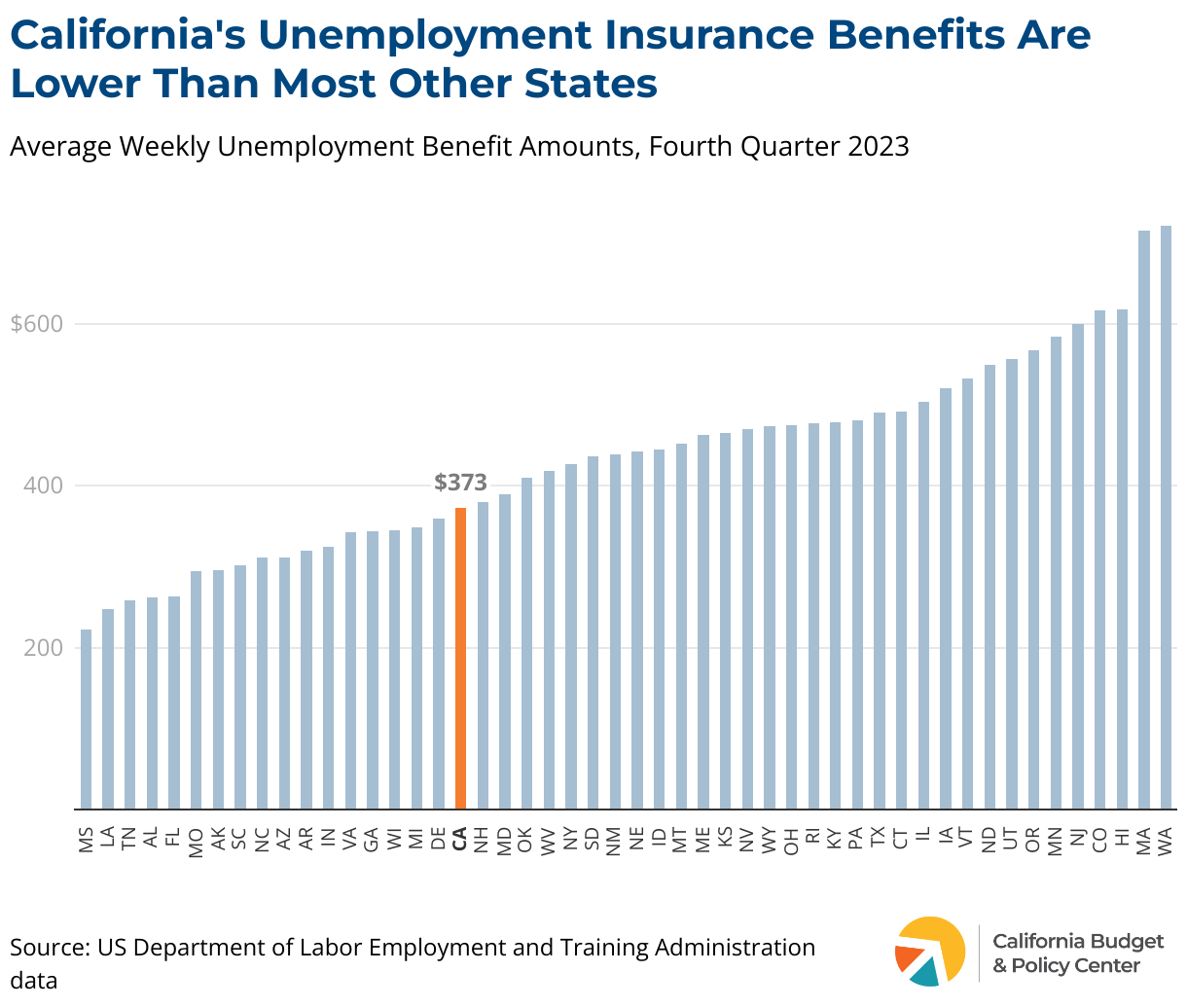
Once eligibility is established, the weekly benefit amount (WBA) is calculated based on the highest-earning quarter within your base period. The range for weekly benefits in California is subject to annual adjustments, but it aims to replace a portion of an individual’s lost wages, albeit not entirely. As of recent periods, the maximum weekly benefit amount in California has been a significant figure, underscoring the state’s commitment to supporting its workforce. This financial cushion, however long it lasts, directly influences a person’s ability to maintain their current accommodation, cover essential expenses, and potentially even pursue activities like local tourism or short, budget-friendly trips.
The Standard Duration of Benefits
The standard duration for unemployment benefits in California is 26 weeks. This means that, under normal economic conditions and without any special extensions, an eligible individual can receive financial assistance for up to half a year. This period is intended to provide a reasonable timeframe for job seekers to find new employment, allowing them to focus on their search without immediate financial distress.
However, it’s crucial to understand that this 26-week period is not absolute. The total amount of benefits an individual can receive over their claim year is also capped at 26 times their weekly benefit amount, or half of their total wages paid during their base period, whichever is less. This ensures that the system remains sustainable and targeted.
For those facing unemployment, the 26-week benchmark is a critical planning horizon. It influences:
- Budgeting: How long can savings last alongside benefits?
- Job Search Intensity: The urgency to find work within this period.
- Lifestyle Adjustments: Decisions about discretionary spending, including entertainment, dining out, and significantly, travel. A family planning a trip to Disneyland Resort or a weekend getaway to Napa Valley would likely put those plans on hold, or at least scale them back, knowing the finite nature of these benefits. Accommodation choices might shift dramatically from a resort stay to a more budget-friendly apartment or even a staycation exploring local, free attractions.
While 26 weeks provides a substantial buffer, periods of severe economic downturn can trigger the availability of extended benefits, a topic that deserves its own examination.
Navigating Extended Unemployment Benefits
While the 26-week standard is the norm, California’s unemployment system, like those across the United States, has provisions for extending benefits during times of high unemployment. These extensions are not guaranteed and are typically activated by specific economic triggers, often involving state and federal cooperation.
Federal and State Extensions: A Historical Perspective
Historically, during periods of economic recession or crisis, both the federal government and individual states have implemented programs to extend unemployment benefits beyond the standard 26 weeks. These extensions are designed to provide a longer safety net when job opportunities are scarce and the job market is particularly challenging.
One prominent example in California is the FED-ED (Federal-State Extended Duration) program. This program is triggered when the state’s insured unemployment rate reaches a certain threshold. When active, FED-ED can provide an additional 13 or 20 weeks of benefits, depending on the severity of unemployment and the claimant’s work history. These benefits are typically funded through a combination of state and federal funds.
Beyond FED-ED, national crises, such as the COVID-19 pandemic, have seen the introduction of broader federal programs like Pandemic Emergency Unemployment Compensation (PEUC) and Pandemic Unemployment Assistance (PUA). These programs significantly expanded eligibility and extended the duration of benefits for millions, offering a lifeline far beyond the typical 26 weeks. While these specific pandemic-era programs have since expired, they serve as a crucial reminder that the duration of unemployment benefits can dramatically change based on prevailing economic conditions and legislative responses.
It’s vital for individuals to understand that:
- Extensions are not permanent: They are temporary measures tied to economic indicators.
- Eligibility for extensions can differ: Claimants usually need to exhaust their regular UI benefits first.
- Information sources are key: The EDD website is the primary source for current information on available extensions.
The availability of extensions profoundly impacts long-term planning. Knowing that additional weeks of support might be possible can alleviate some immediate pressure, but it doesn’t remove the uncertainty inherent in relying on such programs.
Impact on Lifestyle and Travel Planning
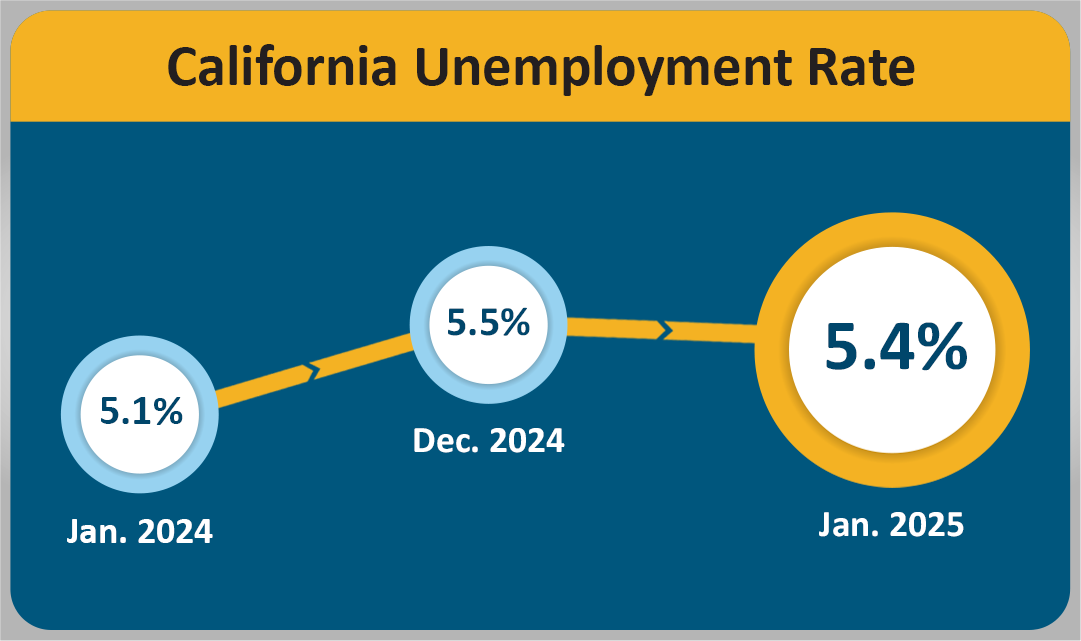
The potential for extended benefits directly influences an individual’s lifestyle and their approach to travel planning. When the standard 26 weeks loom large, discretionary spending is often the first thing to be cut. Major travel plans, like a family trip to Yosemite National Park or a romantic getaway along the Pacific Coast Highway, are usually deferred indefinitely.
However, if extensions become available, or if the individual anticipates a longer period of unemployment, a different kind of planning emerges:
- Shift to Budget Travel: Instead of grand international destinations, focus might turn to exploring local California landmarks that are free or low-cost, like hiking trails, public beaches, or city parks.
- Accommodation Choices: Opting for more affordable accommodation options, such as hostels, budget hotels, or even camping, over luxury suites or resorts. Long-term stay options might be explored if a relocation for work is considered.
- Local Tourism: People might become “local tourists” in their own cities, exploring hidden gems in Los Angeles, San Francisco, or San Diego that they previously overlooked. Free museum days, walking tours, or picnics in scenic spots like Golden Gate Park become attractive options.
- Delayed Gratification: The mindset shifts from immediate leisure to future planning. Travel becomes a reward for securing new employment, rather than an activity enjoyed during unemployment. This can also lead to more thoughtful and deliberate travel planning once stability returns, perhaps focusing on meaningful experiences over extravagant ones.
Ultimately, the duration of unemployment benefits shapes not just financial stability but also the very fabric of daily life and the ability to enjoy the cultural, natural, and recreational richness that California offers.
The Broader Economic Ripple: Unemployment and California’s Tourism Sector
Unemployment, particularly when widespread or prolonged, sends ripples throughout the economy. In California, a state heavily reliant on tourism and hospitality, these ripples can have a significant impact on hotels, attractions, and the countless businesses that cater to visitors.
Decreased Discretionary Spending and Its Effect on Hospitality
When individuals are unemployed, or even when they perceive economic instability, discretionary spending is almost always curtailed. This means less money spent on non-essential goods and services, including dining out, entertainment, and travel. The consequences for California’s tourism and hospitality sectors are direct and substantial:
- Hotels and Accommodation: Fewer bookings for hotels, resorts, and even short-term rental apartments. This can lead to lower occupancy rates, reduced revenue, and potential job losses within the accommodation sector. Iconic areas like Beverly Hills or the coastal resorts of Santa Monica feel the pinch when both local and out-of-state leisure travelers scale back their plans.
- Attractions and Experiences: Theme parks like Disneyland Resort, museums in San Francisco, and tour operators face reduced visitor numbers. People are less likely to pay for expensive entrance fees or guided experiences when managing a tighter budget.
- Restaurants and Retail: The food and beverage industry, from fine dining in Los Angeles to casual eateries in Sacramento, sees a decline in patronage. Similarly, souvenir shops and boutiques that thrive on tourist spending suffer.
- Travel Infrastructure: Airlines, rental car companies, and even public transportation systems that benefit from tourist traffic experience a downturn.
The cyclical nature of this impact is critical: when unemployment rises, tourism suffers; when tourism suffers, more people in the hospitality industry become unemployed, further exacerbating the problem. The longer unemployment benefits last, potentially indicating a prolonged economic downturn, the longer these sectors are likely to feel the strain.
Adapting Travel Habits: From Luxury to Local
Periods of high unemployment, or even the personal experience of job loss, often force a reevaluation of travel habits. This frequently manifests as a shift from luxury travel to more budget-conscious options, and from distant destinations to local exploration.
- Embracing Staycations: Many Californians opt for “staycations,” exploring their own cities or nearby regions. This can involve visiting local parks, historical sites like Alcatraz Island, or enjoying free cultural events.
- Nature-Based Tourism: California’s incredible natural landmarks, such as Yosemite National Park, Joshua Tree National Park, Death Valley National Park, Big Sur, and Lake Tahoe, offer stunning experiences that can be relatively inexpensive to access, especially for those who enjoy camping or day trips. These options become far more appealing than a flight to an exotic location.
- Budget Accommodation: When travel does occur, the choice of accommodation shifts. Instead of a high-end hotel in Hollywood or a luxury resort in Palm Springs, individuals might seek out more affordable motels, vacation rentals, or even utilize loyalty points for free stays.
- Focus on Local Culture and Food: Unemployed individuals might engage with local culture and food scenes through farmer’s markets, free festivals, or by cooking at home rather than frequenting expensive restaurants. This encourages a deeper, more authentic connection with the local environment.
This adaptation isn’t just about cutting costs; it often fosters a greater appreciation for nearby treasures and a more sustainable approach to travel. While it poses challenges for the high-end tourism sector, it can invigorate local economies and promote a different kind of tourism, one focused on accessibility and community engagement.
Maximizing Your Unemployment Period and Future Planning
Receiving unemployment benefits, whether for the standard 26 weeks or an extended period, is not merely about passively collecting payments. It’s an active phase that requires strategic planning, focused job searching, and an eye toward future stability, which includes the eventual return to a desired lifestyle and travel aspirations.
Resources for Job Seekers in California
The California Employment Development Department (EDD) offers a wealth of resources beyond just administering benefits. These resources are designed to help individuals transition back into the workforce as efficiently as possible:
- CalJOBS: This online platform is a comprehensive job board where employers post openings and job seekers can upload resumes, search for jobs, and connect with potential employers. It’s a vital tool for actively seeking employment across various industries, from the tech hubs of Silicon Valley to the agricultural regions of the Central Valley.
- America’s Job Center of California (AJCC): These centers, located throughout the state, provide personalized assistance, including resume workshops, interview coaching, career counseling, and access to computers and other job search tools. They are invaluable for refining job search strategies.
- Training and Retraining Programs: For those seeking a career change or needing to update their skills, the EDD can provide information on various training programs, some of which may be funded or subsidized. This is particularly relevant in California’s dynamic job market, where industries evolve rapidly.
- Workshops and Seminars: Many AJCCs and community organizations offer workshops on topics like networking, LinkedIn profile optimization, and understanding the local job market.
Actively engaging with these resources is not just a requirement for receiving benefits; it’s a proactive step toward minimizing the overall duration of unemployment and securing a more stable future.
Strategic Financial and Travel Planning Post-Unemployment
The period of unemployment, however long it lasts, provides a crucial opportunity to reassess financial habits and future aspirations, especially concerning travel and lifestyle. Once re-employed, a strategic approach can help recoup lost ground and rebuild savings for future adventures.
- Rebuilding Emergency Savings: Prioritizing the replenishment of an emergency fund is paramount. This financial cushion provides security against future unforeseen circumstances, reducing reliance on unemployment benefits if job loss occurs again.
- Budgeting for Travel: With a stable income, individuals can start budgeting specifically for travel. This might involve setting aside a small amount from each paycheck into a dedicated travel fund. Whether it’s a return to luxury travel or continuing with budget-friendly exploration, intentional saving makes these experiences possible.
- Long-Term Accommodation and Relocation: For some, unemployment might lead to considering long-term stays in new cities if a job opportunity arises. This could involve researching different types of accommodation (apartments, corporate housing) and understanding the cost of living in new destinations.
- Experiences Over Possessions: The experience of unemployment often fosters a greater appreciation for experiences over material possessions. This can translate into a travel philosophy that prioritizes unique activities, cultural immersion, and memorable moments over expensive souvenirs or lavish spending. A hike in Redwood National Park or a scenic drive through Big Sur might become more valued than a shopping spree.
Understanding “How Long Does California Unemployment Last?” is more than just a factual inquiry; it’s a foundational question that informs a spectrum of personal and economic decisions. From the immediate need to cover rent and groceries to the aspirational goal of booking a dream hotel for a future vacation, the duration of unemployment benefits in California shapes the present realities and future possibilities for countless individuals across the Golden State.
By understanding the standard 26-week duration, remaining informed about potential extensions, and actively utilizing the vast resources offered by the EDD, individuals can navigate this challenging period with greater confidence. This strategic approach not only accelerates the return to employment but also enables a more resilient and thoughtful approach to personal finance, lifestyle choices, and the cherished experiences of travel and tourism that make California such a captivating place to live and explore. The journey through unemployment is a period of transition, but with the right knowledge and proactive steps, it can lead to a stronger, more informed future.
LifeOutOfTheBox is a participant in the Amazon Services LLC Associates Program, an affiliate advertising program designed to provide a means for sites to earn advertising fees by advertising and linking to Amazon.com. Amazon, the Amazon logo, AmazonSupply, and the AmazonSupply logo are trademarks of Amazon.com, Inc. or its affiliates. As an Amazon Associate we earn affiliate commissions from qualifying purchases.