
New York State, a vibrant tapestry of iconic cities, breathtaking natural landscapes, and rich cultural experiences, stands as a premier destination for travelers worldwide. From the bustling energy of New York City to the serene beauty of the Adirondacks and the majestic power of Niagara Falls, it offers an unparalleled array of destinations and experiences for every type of visitor. Whether you’re planning a family vacation, a romantic getaway, a solo adventure, or a business trip, understanding the local laws and customs is paramount to ensuring a safe, enjoyable, and legally compliant journey. Beyond booking the perfect hotel or planning your itinerary, a responsible traveler prioritizes being informed.
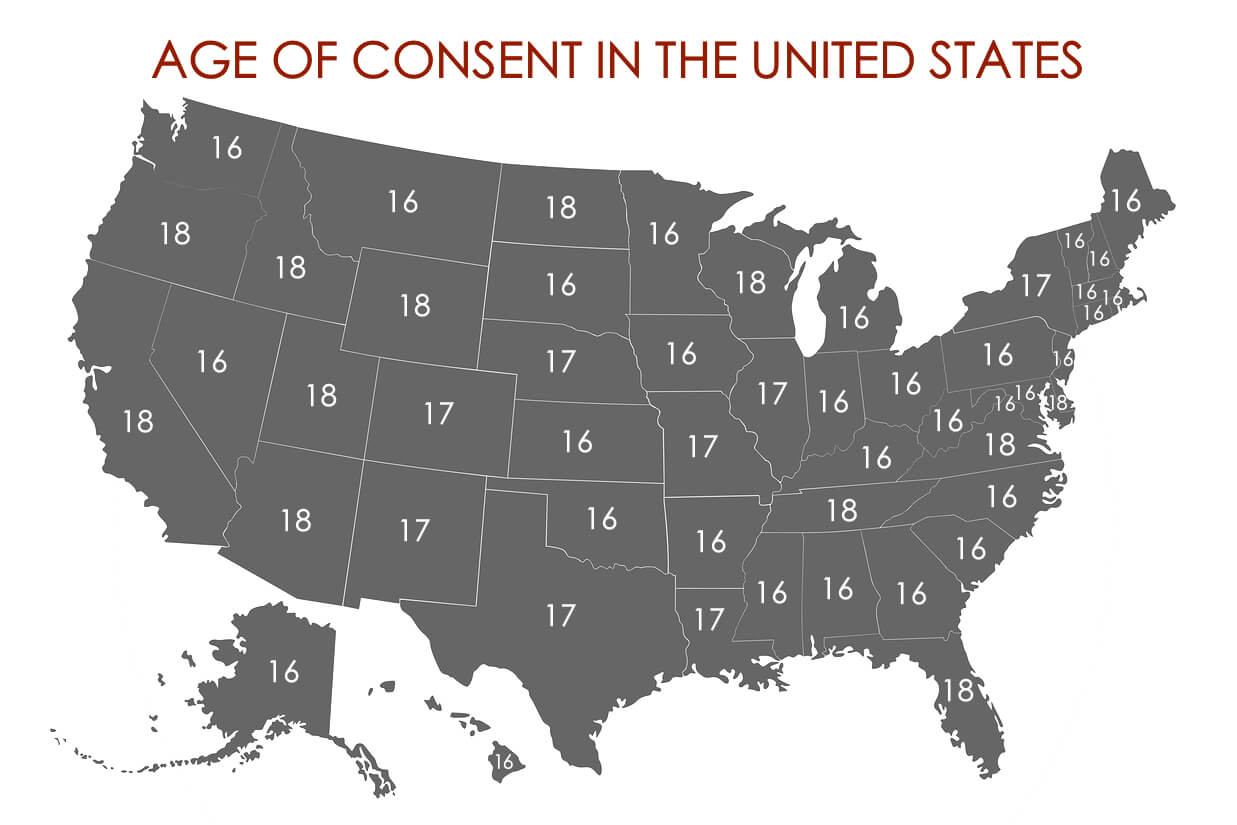
One such crucial aspect of local legislation, particularly for those traveling with teenagers or those navigating new social environments, concerns the age of consent. While it might seem like a niche topic for a travel guide, understanding the age of consent in New York State is vital for promoting responsible tourism, ensuring the safety of all individuals, especially minors, and avoiding unintended legal complications that could severely impact your travel experience. This guide aims to clarify New York State’s laws regarding the age of consent, framing it within the broader context of travel safety, responsible conduct, and a deeper appreciation for the legal framework that governs this diverse and captivating region of the United States.
Understanding the Legal Framework in New York State
Navigating the legal landscape of a new place is an essential part of responsible travel, and New York State is no exception. While many laws might seem straightforward, specific legal definitions and nuances, especially those pertaining to age and consent, can vary significantly from one jurisdiction to another, even within the United States. For visitors to New York, being aware of these specific regulations is not just about avoiding legal trouble; it’s about contributing to a safe and respectful environment for everyone.
The Core Age of Consent in New York
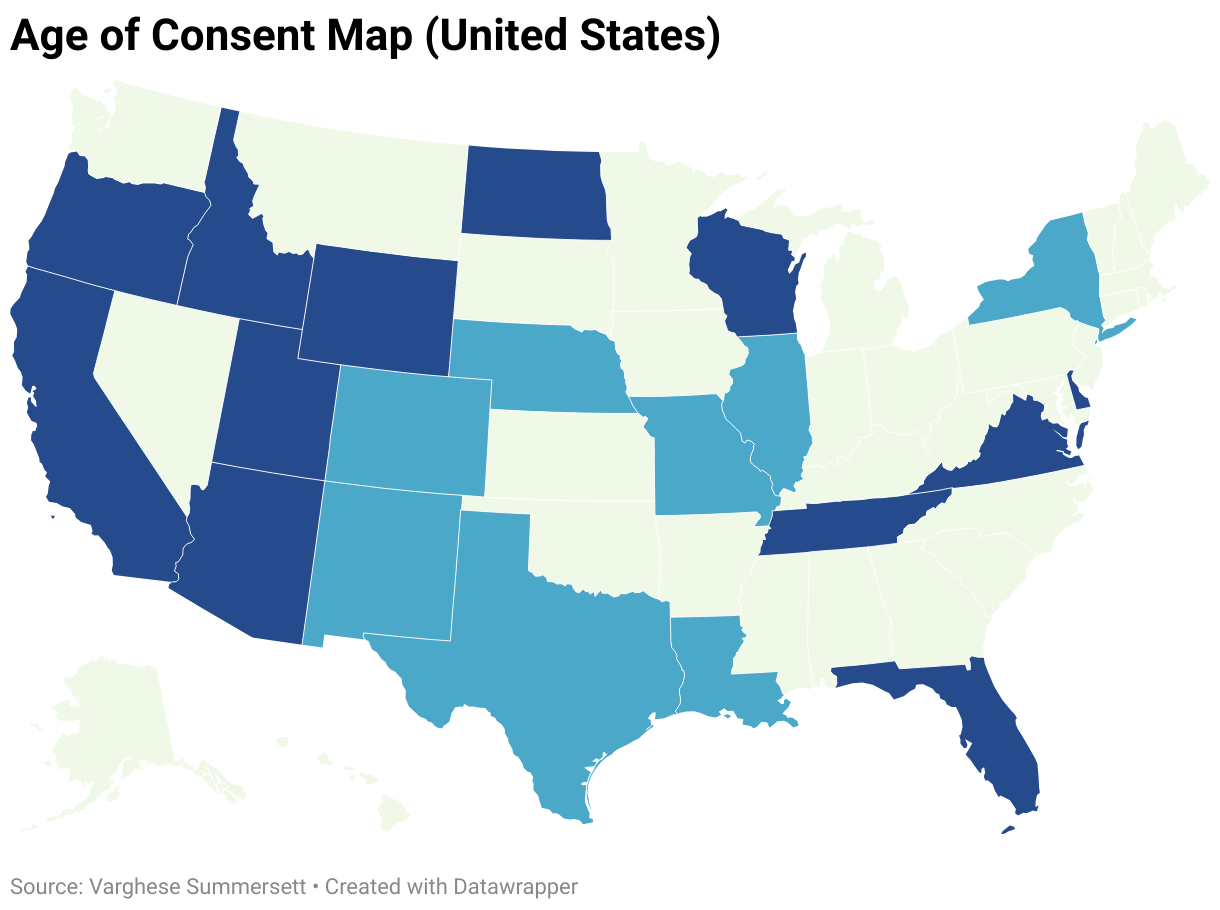
In New York State, the age of consent is 17 years old. This means that a person must be at least 17 years of age to legally consent to sexual activity. Any sexual activity with someone under this age is considered a criminal offense, regardless of whether the minor appears to consent or even initiates the encounter. It’s a critical point of law that visitors, especially those coming from countries or other states where the age of consent may be lower, must fully comprehend and respect.
The law is designed to protect minors from exploitation and abuse, recognizing that individuals under 17 are legally presumed to lack the full capacity to make informed decisions about sexual activity. This is a fundamental principle of New York criminal law and applies uniformly across the entire state, from the bustling streets of Manhattan to the quiet towns of Upstate New York.
Nuances and Exceptions to the Age of Consent Law
While the baseline age of 17 is clear, New York State law, like many legal systems, includes certain nuances and exceptions. These are often complex and hinge on factors such as the age difference between individuals, whether one person is in a position of authority, and the specific nature of the sexual activity.
One notable aspect often discussed in legal contexts is the “Romeo and Juliet” law. In New York, this concept is specifically addressed through varying degrees of statutory rape or criminal sexual act charges. For instance, if both individuals are close in age, generally within a specific range (e.g., both 17 or close to it), the legal consequences might be different from a situation where there’s a significant age disparity between an adult and a minor. However, it is crucial to understand that even under these specific circumstances, engaging in sexual activity with someone under 17 is still illegal and carries significant penalties. There are no blanket “Romeo and Juliet” exceptions that fully legalize sexual activity below the age of consent; rather, they may influence the severity of the charge.
The law is particularly stringent when there is an age difference where an older individual is considered an “adult” and the younger person is a “minor,” especially if the adult is significantly older. The specific criminal charges, such as “Criminal Sexual Act” or “Rape,” have different degrees (first, second, third) based on the age of the victim, the age of the perpetrator, the use of force, and other aggravating factors. For example, a person 21 or older engaging in sexual activity with someone under 17 could face more severe charges than someone aged 17 or 18 doing the same. These laws are designed to be protective of minors and punitive towards adults who engage in sexual acts with individuals below the legal age of consent.
Furthermore, factors such as coercion, use of drugs or alcohol, or a position of authority (like a teacher, coach, or guardian) can significantly escalate the charges and penalties, turning what might otherwise be a statutory offense into a more severe crime. For travelers, this means that interactions, particularly those involving minors, must always be approached with the utmost caution and respect for the law. It’s not just about what is explicitly illegal, but also about understanding the spirit of the law, which is designed to protect vulnerable populations.
Implications for Travelers and Tourism in New York
For those exploring the vibrant cities and serene landscapes of New York State, understanding the age of consent laws has practical and ethical implications that extend beyond mere legal compliance. From family travel to responsible social interactions, these laws shape how visitors can and should engage with their surroundings and the local populace.
Family Travel and Parental Responsibility

New York is a phenomenal destination for family trips, offering everything from the educational marvels of the American Museum of Natural History and Central Park in New York City to the scenic wonders of the Finger Lakes and the thrill of amusement parks like Darien Lake. Many families travel with teenagers who are approaching or have recently reached the age of consent. This makes it particularly important for parents and guardians to educate themselves and their children about local laws.
Parents visiting New York with teenagers should engage in open conversations about the age of consent and responsible behavior. It’s crucial for young travelers to understand that the laws regarding age of consent might differ from their home country or state. Encouraging safe social practices, discouraging interactions with much older individuals, and ensuring clear communication within the family are all paramount. When exploring popular attractions such as the Statue of Liberty, Empire State Building, or attending a Broadway show, teenagers often have more freedom to explore independently. Parents should be confident that their children understand the legal boundaries and personal safety measures relevant to interactions with others. Choosing family-friendly hotels that prioritize safety and offer amenities for younger guests, such as the Hyatt Centric Times Square New York or the New York Marriott Marquis, can also contribute to a secure environment.
Responsible Tourism and Ethical Conduct
Responsible tourism is about more than just respecting cultural heritage or minimizing environmental impact; it also encompasses ethical conduct and adherence to the laws of the host destination. For all visitors to New York State, regardless of their age or relationship status, understanding and respecting the age of consent is a fundamental aspect of ethical tourism.
Travelers are subject to the laws of the jurisdiction they are visiting. This means that ignorance of New York State’s age of consent laws is not a valid defense against legal charges. Engaging in any sexual activity with a minor (under 17) can lead to severe criminal penalties, including imprisonment, hefty fines, and registration as a sex offender, which can have lifelong consequences and severely impact future travel. Even attempting to engage in such acts can lead to legal issues.
This is particularly relevant in social settings, nightlife venues, or online interactions where age verification might be less stringent. While New York City’s Theater District or Times Square are bustling with people of all ages, it is critical for adults to exercise caution and judgment, especially when interacting with individuals they don’t know well. The emphasis should always be on verifying age and ensuring that any interactions are respectful, consensual among adults, and well within legal boundaries. Choosing reputable accommodation and engaging in organized tourism activities can often provide a safer, more controlled environment for social interactions. Businesses in New York like bars, clubs, and some restaurants strictly adhere to age restrictions (typically 21 for alcohol consumption), but personal responsibility remains paramount in all social situations.
Staying Informed and Safe While Exploring New York
A truly memorable and positive travel experience in New York State hinges not only on enjoying its spectacular landmarks and diverse lifestyle offerings but also on navigating its environment safely and responsibly. Being informed about local laws, including the age of consent, is a cornerstone of this approach.
Resources for Legal Information
When in doubt, seeking accurate and official information is always the best course of action. For legal questions concerning the age of consent or any other New York State laws, travelers should:
- Consult Official Government Websites: The New York State government portal provides comprehensive legal resources. Websites of the New York State Police or the New York State Attorney General are reliable sources for understanding laws.
- Seek Legal Counsel: If you have specific concerns or require clarification, especially if you are traveling from a different country with vastly different legal systems, consulting with a legal professional specializing in New York law is advisable.
- Reputable Travel Guides: While general travel guides may offer basic information, they are not substitutes for legal advice. However, guides focused on safe travel practices often highlight the importance of understanding local laws.
- Embassy or Consulate: International travelers can also consult their country’s embassy or consulate in the United States for guidance on local laws and what to do if legal issues arise.
Remember that legal information can be complex, and relying on casual advice or outdated sources can be risky. Always prioritize official and current information.
General Safety Tips for New York Visitors
Beyond specific legal knowledge, general safety practices are crucial for an enjoyable trip anywhere, especially in popular tourist destinations like New York. These tips enhance personal security and reduce the likelihood of encountering situations where legal issues, including those related to age of consent, might arise:
- Be Aware of Your Surroundings: Whether you’re exploring Grand Central Terminal, strolling through Brooklyn, or enjoying the views from Rockefeller Center, situational awareness is key. This is especially true in crowded areas or late at night.
- Use Reputable Services: Stick to well-known hotels, licensed taxis or ride-sharing services, and established tour operators. This reduces risks associated with scams or unsafe situations. Popular choices in New York City include the [Four Seasons Hotel New York Downtown](https://lifeoutofthebox.com/four- Seasons-hotel-new-york-downtown), The Plaza Hotel, or the Moxy NYC Times Square.
- Avoid Isolated Areas, Especially After Dark: While much of New York is vibrant and well-lit, some areas can become less safe after nightfall. Plan your routes and stay in well-trafficked, illuminated locations.
- Report Suspicious Activity: If you witness anything that makes you feel uneasy or seems illegal, report it to local authorities (dial 911 for emergencies in the United States). This could include interactions that appear to exploit or endanger minors.
- Keep Communication Lines Open: For families, regular check-ins and shared itineraries are vital. For all travelers, ensure someone knows your whereabouts, especially if you plan to be out late or venture off the beaten path.
- Guard Personal Information: Be cautious about sharing too much personal information with strangers, especially your age or the ages of your travel companions.
By integrating these safety practices with a clear understanding of New York State’s age of consent laws, visitors can ensure a trip that is not only thrilling and enriching but also secure and legally sound. Whether you’re admiring the art at the Metropolitan Museum of Art, exploring Ellis Island, or enjoying a gourmet meal in Queens, being informed is your best companion.
In conclusion, New York State offers an incredible array of experiences for every traveler. From its iconic skyline to its serene natural beauty, it promises memories that last a lifetime. However, to truly embrace the spirit of this magnificent state, it is imperative to travel responsibly and respectfully. Understanding and adhering to local laws, especially concerning sensitive matters like the age of consent, is not just a legal obligation but an ethical imperative. By staying informed, exercising caution, and practicing responsible tourism, you ensure a safe, enjoyable, and legally compliant journey, contributing positively to the vibrant tapestry of New York life. Your adventure should be free from worry, allowing you to fully immerse yourself in the wonders of the Empire State.
LifeOutOfTheBox is a participant in the Amazon Services LLC Associates Program, an affiliate advertising program designed to provide a means for sites to earn advertising fees by advertising and linking to Amazon.com. Amazon, the Amazon logo, AmazonSupply, and the AmazonSupply logo are trademarks of Amazon.com, Inc. or its affiliates. As an Amazon Associate we earn affiliate commissions from qualifying purchases.