
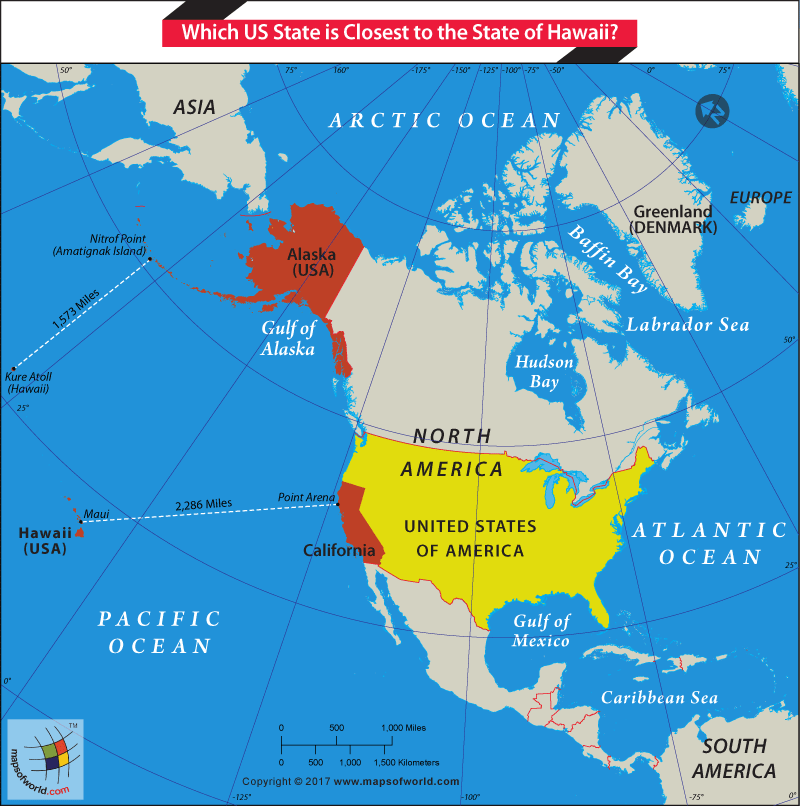
The allure of sun-drenched beaches, emerald mountains, and the warm embrace of the Aloha Spirit draws millions to Hawaii each year. For travelers dreaming of escaping the hustle and bustle of mainland life, particularly those residing in California, a fundamental question often arises: just how far is paradise? The vast expanse of the Pacific Ocean separates the Golden State from the volcanic archipelago, creating a journey that is both geographically significant and rich in travel experiences. While the exact mileage can vary slightly depending on your specific departure and arrival points, the average air distance between California and Hawaii hovers around 2,400 to 2,500 miles (approximately 3,860 to 4,020 kilometers). This considerable distance is not just a number; it shapes the entire travel narrative, from flight duration and cruise itineraries to the unique sense of arrival in a truly distinct cultural and natural landscape.
Unveiling the Trans-Pacific Distance
Understanding the precise distance between California and Hawaii is more nuanced than a single figure. Geographically, Hawaii is the most isolated island chain on Earth, and its separation from the North American continent is a defining characteristic. This isolation has preserved much of its unique ecosystem and cultural identity, making the journey across the Pacific Ocean a passage to another world.
The Straight Line: Nautical Miles vs. Statute Miles
When discussing distances over water, both nautical miles and statute miles are often used. A nautical mile is slightly longer than a statute mile, equating to 1.15 statute miles or 1.852 kilometers. For air travel, statute miles are more commonly cited, reflecting the direct path aircraft typically take.
The shortest distance from the contiguous United States to Hawaii is generally measured from points along the California coast to the island of Oahu, where the capital city of Honolulu and its primary international airport are located.
- From Los Angeles, California to Honolulu, Oahu: Approximately 2,550 miles (4,104 km)
- From San Francisco, California to Honolulu, Oahu: Approximately 2,390 miles (3,846 km)
- From San Diego, California to Honolulu, Oahu: Approximately 2,620 miles (4,216 km)
These figures highlight that the central and southern coastal cities of California serve as the main gateways to the Hawaiian Islands, offering the most direct and frequent connections.
Key Islands and Their Proximity to the Mainland
While Oahu is the most frequent destination, Hawaii comprises eight main islands, each with its unique charm and varying distances from the mainland. Understanding these differences can influence your travel plans and choice of destination.
- Oahu: Home to Honolulu and Waikiki Beach, it’s the most populous island and often the first point of entry. Its distance to California is around the 2,400-2,600 mile mark.
- Maui: Known for its luxurious resorts, stunning beaches like Kaanapali Beach, and the scenic Road to Hana, Maui is slightly closer to California than Oahu, typically around 2,400-2,500 miles from central California. Flights usually land at Kahului Airport.
- Big Island (Island of Hawaii): The largest island, offering diverse landscapes from volcanic deserts to lush rainforests and the active Kilauea volcano within Hawaii Volcanoes National Park. It is the southernmost island and thus typically the furthest from California, around 2,600-2,700 miles. Major airports are in Kona and Hilo.
- Kauai: The “Garden Isle” is famed for its dramatic cliffs, such as the Na Pali Coast, and lush tropical rainforests. It sits to the northwest of Oahu and is roughly 2,450-2,550 miles from central California. Travelers arrive at Lihue Airport.
- Molokai and Lanai: These smaller islands are less frequently visited by direct flights from the mainland and often require inter-island connections. Their distances are comparable to Maui and Oahu, given their central location within the chain.
The journey to these distinct islands underscores that while Hawaii is a unified state, each island offers a unique travel experience, requiring slightly different travel logistics and planning.
The Journey Across the Pacific: Air Travel and Beyond
The substantial distance between California and Hawaii means that travel is a significant part of the experience. The vast majority of visitors opt for air travel, a testament to modern aviation’s ability to bridge vast geographical gaps efficiently. However, for those seeking a more leisurely and luxurious voyage, cruising remains a viable and memorable alternative.
Flight Duration and Major Airports
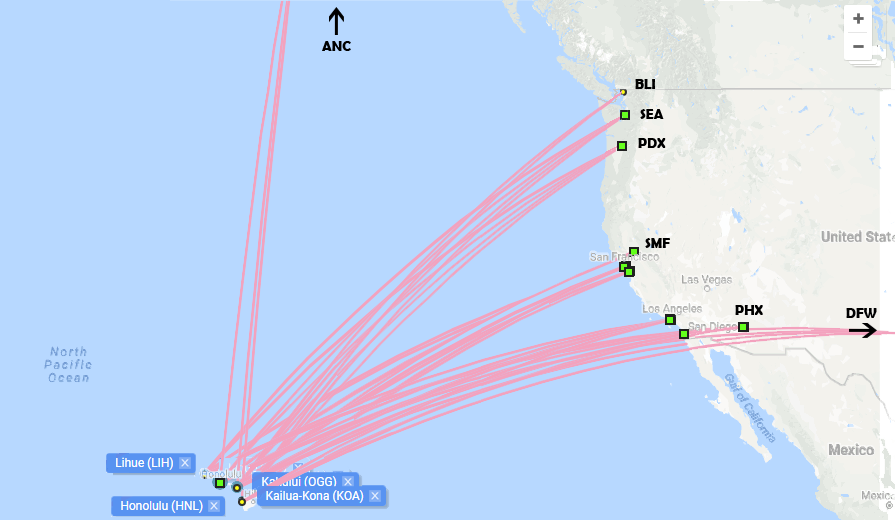
Flying from California to Hawaii is a routine operation, with numerous daily flights facilitating the trans-Pacific journey. The average flight duration from major California hubs to Honolulu (Daniel K. Inouye International Airport – HNL) or Kahului (Maui – OGG) typically ranges from 5 to 6 hours. Flights originating from northern California cities like San Francisco or Oakland International Airport tend to be on the shorter end, while those from Los Angeles or San Diego may take closer to 5.5 to 6 hours.
Key departure airports in California include:
- Los Angeles International Airport (LAX)
- San Francisco International Airport (SFO)
- Oakland International Airport (OAK)
- San Diego International Airport (SAN)
Upon arrival in Hawaii, the primary gateway is Daniel K. Inouye International Airport in Honolulu. However, direct flights are also available to:
- Kahului Airport (OGG) on Maui
- Kona International Airport (KOA) and Hilo International Airport (ITO) on the Big Island
- Lihue Airport (LIH) on Kauai
Travelers should consider which island best suits their itinerary before booking, as inter-island flights can add time and cost to the overall journey. Many travelers opt for a multi-island trip, utilizing short flights (30-60 minutes) to hop between destinations.
Airlines Connecting the Continents
A competitive market ensures a variety of choices for travelers. Major airlines offering regular service between California and Hawaii include:
- Hawaiian Airlines: Hawaii’s flag carrier, known for its authentic Hawaiian hospitality and comfortable long-haul flights.
- United Airlines: Offers extensive routes from its hubs in California to multiple Hawaiian airports.
- Delta Air Lines: A strong presence with frequent flights, particularly from Los Angeles.
- American Airlines: Provides connections from its primary California hubs.
- Southwest Airlines: Has expanded its service to Hawaii, often offering competitive fares.
- Alaska Airlines: A popular choice, especially for travelers from the Pacific Northwest and California.
When booking, consider factors beyond just price, such as baggage allowance, seat comfort, in-flight entertainment, and loyalty programs. For a long-haul flight, even a 5-hour journey, these amenities can significantly enhance the travel experience.
Cruising to Paradise: An Alternative Voyage
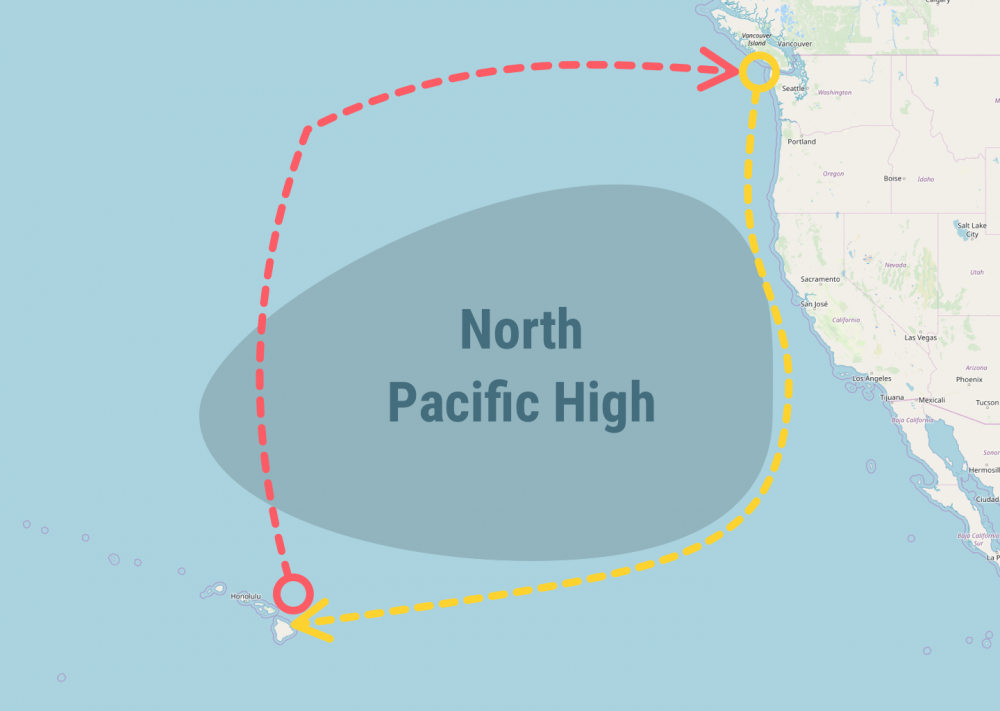
While flying is the fastest way to bridge the miles, cruising offers a distinct travel lifestyle, transforming the journey itself into a vacation. A cruise from California to Hawaii typically takes 4 to 6 days each way, depending on the ship’s speed and the specific itinerary. These voyages often depart from Los Angeles or San Diego, offering a seamless experience where accommodation, dining, and entertainment are all inclusive.
Popular cruise lines offering Hawaii itineraries include:
- NCL (Norwegian Cruise Line), particularly its Pride of America, which sails inter-island within Hawaii year-round after passengers fly in. Other NCL ships do transatlantic cruises.
- Princess Cruises
- Carnival Cruise Line
- Disney Cruise Line
Cruising allows travelers to unpack once and visit multiple islands without the hassle of airport transfers or multiple hotel check-ins. It’s an excellent option for those who enjoy the journey as much as the destination, offering days at sea for relaxation, spa treatments, and onboard activities, punctuated by exciting port calls in Honolulu, Maui, Kona, and Lihue. This mode of travel transforms the considerable mileage into an extended period of enjoyment and discovery.
Planning Your Hawaiian Escape: Beyond the Miles
Once the question of “how far” is answered, the focus shifts to “what to do” and “where to stay.” Hawaii’s distance from California necessitates careful planning to make the most of your journey and truly embrace the unique island lifestyle. From selecting the perfect island to finding ideal accommodation and immersing yourself in local culture, every detail contributes to an unforgettable travel experience.
Choosing Your Island Oasis: Destinations and Attractions
Each Hawaiian island possesses its own distinct personality and attractions, catering to different types of travelers. Selecting the right island or combination of islands is crucial for tailoring your trip to your preferences.
- Oahu: The Gathering Place
- Attractions: Iconic Waikiki Beach, historic Pearl Harbor, panoramic views from Diamond Head, vibrant Honolulu nightlife, and world-famous surfing on the North Shore. The Polynesian Cultural Center offers a deep dive into Pacific island traditions.
- Best for: First-time visitors, families, city explorers, history buffs, and surf enthusiasts.
- Maui: The Valley Isle
- Attractions: Sunrise at Haleakala National Park, scenic drive along the Road to Hana, stunning Kaanapali Beach, and whale watching (seasonal). The historic town of Lahaina offers charming shops and dining.
- Best for: Couples, luxury travelers, outdoor adventurers, and those seeking a blend of relaxation and activity.
- Big Island (Island of Hawaii): The Orchid Isle
- Attractions: Exploring Hawaii Volcanoes National Park (home to Kilauea), stargazing from Mauna Kea, black sand beaches, and tasting world-renowned Kona coffee.
- Best for: Nature lovers, stargazers, active explorers, and those fascinated by volcanic landscapes.
- Kauai: The Garden Isle
- Attractions: Helicopter tours over the dramatic Na Pali Coast, hiking in Waimea Canyon (the “Grand Canyon of the Pacific”), lush botanical gardens, and serene beaches.
- Best for: Adventure seekers, hikers, honeymooners, and those craving unspoiled natural beauty.
Regardless of your chosen island, consider booking tours and activities in advance, especially during peak season, to secure your spot and enhance your travel experience.
Accommodation: From Lavish Resorts to Cozy Retreats
Given the investment in time and money to travel the 2,500 miles, choosing the right accommodation is paramount to a successful Hawaiian vacation. Hawaii offers a spectrum of lodging options to suit every budget and lifestyle, from ultra-luxury resorts to charming boutique hotels and practical vacation rentals.
- Luxury Resorts: For those seeking an indulgent experience, Hawaii boasts world-class resorts with extensive amenities. Think beachfront access, multiple pools, gourmet dining, full-service spas, and concierge services. Examples include the Four Seasons Resort Maui at Wailea, The Ritz-Carlton, Kapalua on Maui, Aulani, A Disney Resort & Spa on Oahu, or the Grand Hyatt Kauai Resort & Spa. These properties often cater to luxury travel, offering unparalleled service and exclusive experiences.
- Hotels and Suites: Mid-range hotels provide excellent value, often with comfortable rooms, pools, and convenient locations. Many in Waikiki Beach offer ocean views and easy access to attractions, like the Aston Waikiki Beach Hotel, Hyatt Regency Waikiki Beach Resort and Spa or Hilton Hawaiian Village Waikiki Beach Resort. Resorts on other islands like the Kauai Marriott Resort & Beach Club or Sheraton Kauai Coconut Beach Resort offer similar amenities in more serene settings.
- Apartments and Villas: For long-term stays, family trips, or budget travel, vacation rentals (apartments, condos, villas) are a fantastic option. They often come with kitchens, allowing for self-catering and cost savings on dining. Websites specializing in accommodation offer a wide range of choices, from cozy studios to expansive beachfront homes. Properties like Marriott’s Ko Olina Beach Club on Oahu combine resort amenities with the space and convenience of apartment-style living.
- Budget-Friendly Options: While Hawaii can be expensive, it’s possible to find more affordable lodging, especially away from prime tourist areas. Hostels, smaller guesthouses, or booking well in advance can help manage costs.
When booking, consider the amenities crucial to your trip: beachfront access, pools, fitness centers, kid-friendly facilities, or proximity to specific attractions. Reviews and comparison tools on accommodation websites can be invaluable in making an informed decision.
Embracing the Hawaiian Lifestyle: Activities and Experiences
The journey from California to Hawaii culminates in the opportunity to immerse oneself in a lifestyle unlike any other. Hawaiian tourism is built around its natural beauty, rich culture, and laid-back pace.
- Adventure and Nature: From surfing lessons on Waikiki Beach or the North Shore of Oahu, hiking up Diamond Head, snorkeling at Hanauma Bay, or exploring lava tubes on the Big Island, Hawaii is an adventurer’s paradise. Kayaking along the Na Pali Coast of Kauai or zip-lining through rainforests are also popular choices.
- Culture and History: Dive into the islands’ history at Pearl Harbor, experience a traditional luau, learn to hula, or visit ancient Hawaiian temples (heiau). Engaging with local culture respectfully enriches the travel experience. The Polynesian Cultural Center on Oahu provides an immersive educational experience.
- Food and Drink: Savor fresh seafood, poke bowls, kalua pig, and exotic fruits. Don’t forget to try Kona coffee on the Big Island and enjoy a mai tai as you watch the sunset. Local markets and food trucks offer authentic flavors.
- Relaxation and Wellness: For many, Hawaii is about unwinding. Spend days lounging on pristine beaches, indulging in spa treatments at a luxury resort, or practicing yoga overlooking the ocean. The serene atmosphere is perfect for rejuvenation.
Whether you’re planning a family trip, a romantic getaway, or a solo adventure, Hawaii’s diverse offerings ensure a fulfilling and memorable experience, making every mile traveled worth it.
Maximizing Your Hawaiian Adventure: Tips for Travelers
Making the journey across 2,500 miles a seamless and enjoyable experience requires some foresight and strategic planning. These tips can help ensure your Hawaii vacation lives up to its dream potential.
Best Time to Visit and Travel Considerations
The beautiful weather in Hawaii is generally consistent year-round, but there are nuances.
- Peak Season: Mid-December to March and June to August. Expect higher prices for flights and accommodation, and more crowded attractions. This is also whale watching season (Maui) and big wave surfing season (North Shore, Oahu).
- Shoulder Seasons: April to May and September to mid-December. These periods often offer a sweet spot with pleasant weather, fewer crowds, and better deals on travel and lodging.
- Weather: While tropical, Hawaii does have a wet season (roughly November to March) and a dry season (April to October). However, rain showers are often localized and brief, especially on the leeward sides of the islands.
- Time Zone: Hawaii observes Hawaiian Standard Time (HST), which is 2-3 hours behind California during Standard Time and 3 hours behind during Daylight Saving Time. Factor in this time difference for your first day or two, as jet lag can impact your initial enjoyment.
- Rental Cars: Highly recommended, especially on islands like Maui, the Big Island, and Kauai, to explore at your own pace. Book well in advance, as availability can be limited, and prices can surge, particularly during peak season. On Oahu, public transport in Honolulu is efficient, but a car is useful for exploring beyond the city.
Budgeting for Your Dream Trip
A trip to Hawaii from California involves several key cost components:
- Flights: Often the largest single expense. Booking 3-6 months in advance can yield better prices. Consider flying into one island and out of another if doing an island-hopping itinerary, but remember to factor in inter-island flight costs.
- Accommodation: As discussed, this can vary wildly from budget hostels to ultra-luxury resorts. Define your priorities early.
- Food: Dining out frequently can be expensive. Utilize grocery stores, farmer’s markets, and food trucks to save money. Many accommodations with kitchens can significantly reduce food costs.
- Activities: Tours, snorkeling trips, surfing lessons, and luau tickets add up. Prioritize activities that genuinely interest you and research package deals.
- Transportation: Rental cars, gasoline, and parking fees. If you’re staying in Waikiki Beach on Oahu, you might only need a car for a few days to explore other parts of the island, saving on daily rental and parking fees.
A realistic budget plan, starting months before your departure, will allow you to save accordingly and enjoy your trip without financial stress. Look for travel packages that bundle flights and hotels for potential savings, and consider travel insurance, especially for a significant investment like a Hawaiian vacation.
In conclusion, the distance of approximately 2,400 to 2,500 miles separating Hawaii from California is a journey across a vast ocean, but it’s a journey well worth taking. It’s a passage not just through miles, but into a unique culture, breathtaking landscapes, and an unforgettable way of life. By understanding the logistics of this trans-Pacific voyage and planning thoughtfully, travelers can transform this distance into the gateway to their ultimate island escape.
LifeOutOfTheBox is a participant in the Amazon Services LLC Associates Program, an affiliate advertising program designed to provide a means for sites to earn advertising fees by advertising and linking to Amazon.com. Amazon, the Amazon logo, AmazonSupply, and the AmazonSupply logo are trademarks of Amazon.com, Inc. or its affiliates. As an Amazon Associate we earn affiliate commissions from qualifying purchases.