Understanding the current time in Texas is often the first step for anyone planning a visit, a business trip, or simply connecting with friends and family in the vast Lone Star State. While a quick search might give you an immediate answer, the reality of time in Texas is slightly more nuanced, reflecting its immense geographical span across the United States. Beyond a simple clock reading, knowing the time zones and how they impact daily life and travel planning is crucial for any discerning traveler or visitor.
Texas primarily observes the Central Time Zone (CT), which is UTC-6 during standard time and UTC-5 during Daylight Saving Time. This covers the vast majority of the state, from its bustling metropolises like Dallas, Houston, and Austin to its eastern pine forests and southern Gulf Coast. However, there’s a small but significant exception. The westernmost part of Texas, specifically the city of El Paso and the counties of Hudspeth County and Culberson County (which includes a portion of Guadalupe Mountains National Park), operates on the Mountain Time Zone (MT), which is UTC-7 during standard time and UTC-6 during Daylight Saving Time. This means that if it’s 3:00 PM in Austin, it would be 2:00 PM in El Paso.
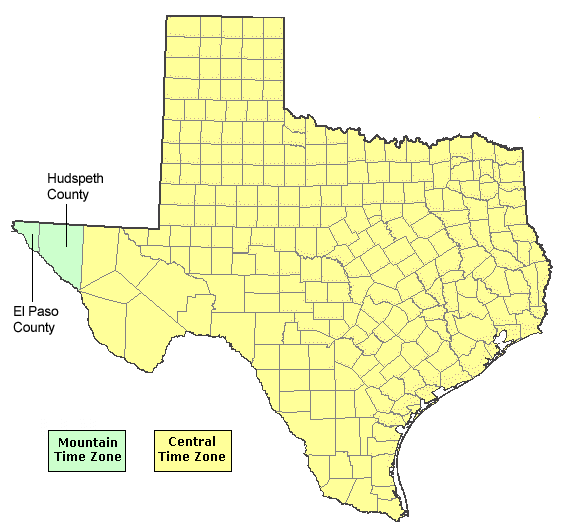
This seemingly small detail has significant implications for travel, accommodation bookings, and experiencing the diverse culture and attractions Texas has to offer. From coordinating flight schedules to ensuring you arrive on time for a reservation at a renowned Houston restaurant or a tour of The Alamo in San Antonio, understanding these time differences is paramount.
Navigating Texas Time Zones: A Traveler’s Essential Guide
The sheer scale of Texas makes it larger than many European countries, and its varied geography influences not just its climate and culture but also its timekeeping. For travelers, acknowledging the two primary time zones is more than a mere technicality; it’s a vital aspect of itinerary planning.
Understanding Central and Mountain Time
The vast majority of Texas falls squarely within the Central Time Zone, which is observed by major hubs such as Dallas, Fort Worth, Houston, Austin, and San Antonio. This is the time zone most people refer to when discussing the current time in Texas. However, traveling westward towards the desert landscapes near the Rio Grande and the border with Mexico, you’ll cross into the Mountain Time Zone.
For example, if you are flying into El Paso International Airport from Dallas/Fort Worth International Airport, remember to adjust your watch back by one hour upon arrival. This subtle shift can catch unsuspecting travelers off guard, leading to missed appointments, late check-ins for accommodation, or even confusion regarding opening and closing times for attractions. Daylight Saving Time further complicates matters, as both zones adjust simultaneously, maintaining their one-hour difference. Understanding this geographical split is the first step in ensuring a smooth and stress-free travel experience across the state.
Why Time Zones Matter for Your Texas Itinerary
The implications of time zones extend far beyond simply knowing what time it is. They directly influence every aspect of your Texas itinerary:
- Flight and Travel Schedules: When booking flights, especially those connecting within Texas, always confirm arrival and departure times in local time. A flight departing Houston at 8:00 AM CT and arriving in El Paso at 9:00 AM MT is effectively a three-hour flight, not a one-hour flight.
- Accommodation Check-in/Check-out: Hotels, resorts, and vacation rentals operate strictly on local time. Ensure your estimated arrival time aligns with their local policies, particularly if you are crossing time zones on your travel day.
- Attractions and Tours: Opening and closing times for landmarks, museums, theme parks, and guided tours are always in local time. Missing the last entry to Big Bend National Park because you miscalculated the time change could be a significant disappointment.
- Dining Reservations: Texas boasts a vibrant culinary scene. Missing a dinner reservation at a popular Austin eatery or a Tex-Mex restaurant in San Antonio due to a time zone oversight would be a missed opportunity.
- Business Meetings and Events: For business travelers, punctuality is key. Double-check all meeting times with local contacts, especially if virtual meetings involve participants from different parts of the state.
Discovering the Diverse Landscapes and Cities of Texas
Beyond the clock, Texas presents an astonishing array of experiences, from the cosmopolitan energy of its major cities to the serene beauty of its natural parks. Each region, influenced by its geography and history, offers a unique rhythm and set of attractions, making precise time planning an integral part of an enriching visit.
Iconic Cities and Their Rhythms
- Houston: The largest city in Texas, Houston is a global hub for energy, aerospace, and healthcare. Its vibrant tourism scene includes the renowned Space Center Houston, a thriving Houston Museum District, and a diverse culinary landscape. The city’s rhythm is fast-paced and international, demanding efficient time management to explore its sprawling attractions like Moody Gardens or Kemah Boardwalk.
- Dallas: Known for its modern skyline, Dallas is a center for finance, fashion, and the arts. Visitors can immerse themselves in history at the Sixth Floor Museum at Dealey Plaza, explore world-class galleries in the Dallas Arts District, or relax in urban green spaces like Klyde Warren Park. Its upscale lifestyle offers endless opportunities for fine dining and shopping.
- Austin: The state capital, Austin proudly wears its moniker, “Live Music Capital of the World.” This city offers a distinctly laid-back yet energetic vibe, with a focus on outdoor activities, quirky eateries, and an unparalleled music scene. From kayaking on Lady Bird Lake to exploring the Texas State Capitol, Austin’s liberal spirit encourages a leisurely pace, though popular events often require early planning.
- San Antonio: Steeped in history and rich in Mexican culture, San Antonio is home to The Alamo and the picturesque San Antonio River Walk. Its tourism offerings include historic missions, vibrant marketplaces, and family-friendly attractions like Natural Bridge Caverns and Schlitterbahn Waterpark. The city’s charm encourages exploration on foot, often best enjoyed in the cooler morning or evening hours.
From Coastal Retreats to Desert Adventures
Beyond its urban centers, Texas unfurls a tapestry of natural wonders, each with its own rhythm of engagement:
- Texas Gulf Coast: Stretching from Louisiana to Mexico, the Gulf Coast offers sandy beaches, excellent fishing, and charming island towns. Destinations like Galveston Island and South Padre Island are popular for family vacations and spring breaks. Beach activities and boat tours are often dictated by tides and sunrise/sunset times, making precise timing important.
- West Texas Deserts and Mountains: In stark contrast to the coast, West Texas boasts rugged mountains and vast desert landscapes, including Big Bend National Park and Guadalupe Mountains National Park. These areas operate on Mountain Time, and activities like hiking, stargazing, and scenic drives are best planned around daylight hours and cooler temperatures. The remote nature of these destinations means less flexibility, emphasizing the need for careful scheduling.
- Texas Hill Country: Nestled west of Austin and San Antonio, the Hill Country is famous for its rolling hills, clear rivers, wineries, and charming small towns like Fredericksburg and Gruene. This region, firmly in Central Time, is ideal for leisurely drives, winery tours, and enjoying live music at historic venues like Gruene Hall.
Planning Your Texas Stay: Accommodation and Experiences
Whether you’re seeking luxury, budget-friendly options, or unique stays, Texas offers a spectrum of accommodation choices that cater to every lifestyle. Integrating these choices with a mindful approach to time zones can significantly enhance your travel experience.
Where to Stay: Hotels, Resorts, and Unique Accommodations
From high-rise hotels in downtown Dallas to charming bed-and-breakfasts in the Hill Country, Texas has it all. Major cities offer a plethora of options, including luxury resorts like the Four Seasons in Austin or business-centric suites from Marriott and Hilton in Houston. For those seeking a more authentic experience, boutique hotels in historic districts or rustic villas in the countryside provide a taste of local charm.
When booking your stay, always confirm the local check-in and check-out times, especially if you’re arriving from a different time zone within Texas or beyond. Many hotels offer early check-in or late check-out options, which can be invaluable when dealing with jet lag or time zone changes. Checking reviews and comparing amenities will help you find the perfect fit, whether it’s a family-friendly resort on South Padre Island or a quiet apartment for a long-term stay in San Antonio.
Curating Your Texas Lifestyle Experience
Texas caters to a wide array of travel lifestyles. For luxury travel, consider upscale spas in Dallas, five-star dining in Houston, or exclusive golf resorts in the Hill Country. These experiences often require advance reservations, making time-zone awareness critical for securing your preferred slots.
Budget travelers will find plenty of affordable options, from hostels in Austin to well-appointed motels across smaller towns. Planning activities that are free or low-cost, such as exploring public parks like Franklin Mountains State Park in El Paso or enjoying live music on Austin’s Sixth Street, can stretch your dollar further.
Family trips to Texas are brimming with possibilities, from exploring Space Center Houston to enjoying the beaches of Galveston. Timed entry tickets are common for popular attractions, so understanding local time is essential for smooth family logistics.
For business stays, location is key, often opting for hotels near convention centers or corporate offices. Flexible booking policies and reliable Wi-Fi are critical amenities. Time zone considerations are particularly important for conference calls and managing deadlines across different regions.
Beyond the Clock: Maximizing Your Texas Visit
Once you’ve mastered the time zones, the true magic of Texas unfolds. From historical landmarks to vibrant cultural scenes, the state offers endless possibilities for discovery and enjoyment.
Must-Visit Landmarks and Attractions
- The Alamo and San Antonio River Walk: These iconic San Antonio sites offer a blend of profound history and charming leisure. Plan to visit The Alamo in the morning to avoid crowds, then spend your afternoon cruising or walking the River Walk.
- Big Bend National Park and Big Bend Ranch State Park: Located in the Mountain Time Zone, these parks offer unparalleled hiking, camping, and stargazing opportunities in a remote, rugged setting. Due to extreme temperatures, timing your outdoor activities to coincide with cooler parts of the day is crucial.
- Sixth Floor Museum at Dealey Plaza in Dallas: A poignant historical site dedicated to the assassination of President John F. Kennedy. Timed entry tickets are often required, making punctuality essential.
- Fort Worth Stockyards National Historic District: Experience the Old West with cattle drives, rodeos, and historic saloons. Check the schedule for the daily cattle drive, a unique and popular attraction in Fort Worth.
- Texas State Capitol in Austin: A magnificent architectural marvel offering free tours that provide insights into Texas history and government.
Savoring Texas Culture: Food, Music, and Local Flavor
Texas is a melting pot of cultures, reflected vividly in its food and music scenes. From authentic Tex-Mex and legendary Texas BBQ joints to world-class fine dining, every meal is an experience. Be sure to check restaurant operating hours, especially for popular spots that might have limited evening seating.
The state’s music heritage is equally rich, particularly in Austin, the “Live Music Capital of the World,” and in historic dance halls like Gruene Hall in the Hill Country. Concerts and shows often start late, providing ample opportunity to enjoy dinner beforehand. Immerse yourself in local festivals, rodeos, and cultural events that populate the calendar, but always cross-reference event schedules with the local time zone.
In conclusion, while “What time is it in Texas right now?” might seem like a simple question, its answer is a gateway to understanding the rich, diverse, and expansive nature of the Lone Star State. By being mindful of its dual time zones and incorporating this awareness into your travel planning, you’ll ensure a seamless and unforgettable journey through one of the United States’ most captivating destinations. So set your watch, plan your adventure, and prepare to experience Texas at its best.