
The Golden State, California, is synonymous with endless sunshine, pristine beaches, majestic mountains, and vibrant cities. It’s a land of dreams for travelers seeking diverse experiences, from the iconic sights of Los Angeles and San Francisco to the serene beauty of Yosemite National Park and the rolling vineyards of Napa Valley. However, beneath this picturesque veneer lies a harsh reality: California is also a state increasingly ravaged by wildfires. These catastrophic events do more than just char landscapes; they shatter lives, decimate communities, and leave an indelible mark on the state’s very fabric, profoundly impacting its tourism, lifestyle, and the well-being of its residents. The question of “how many people died in the California fires?” is a somber one, pointing to the ultimate human cost of these natural disasters, and demanding a deeper look into their widespread consequences.
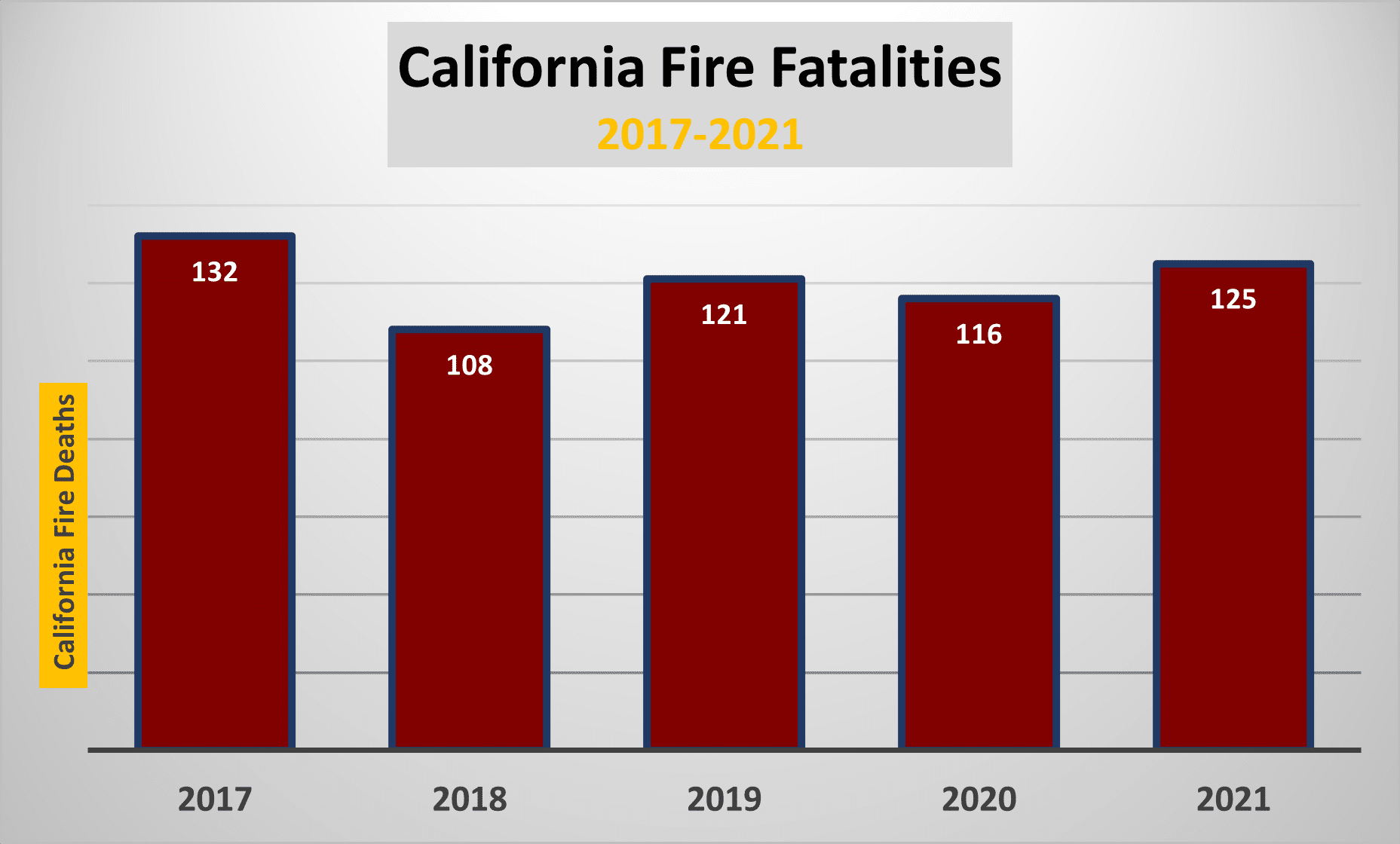
While the exact numbers fluctuate with each fire season, and comprehensive figures often require aggregating data from multiple agencies over many years, the toll is consistently heartbreaking. Each statistic represents a life lost, a family grieving, and a community forever changed. Understanding this profound human impact is crucial to comprehending the full scope of the tragedy and appreciating the resilience required for recovery and adaptation in a state increasingly on the front lines of climate change.
The Devastating Human Cost: Beyond the Numbers
The question of human casualties is central to any discussion of California’s wildfires. While the damage to property and natural landscapes is immense, the loss of life remains the most tragic and indelible consequence. Over the past decade, California has experienced some of the deadliest and most destructive wildfires in its history, turning once-thriving communities into ashes and leaving behind a legacy of grief and resilience.
A Community Ripped Apart: The Camp Fire and Paradise
Among the most devastating single events was the Camp Fire, which ignited on November 8, 2018, in Butte County, Northern California. This inferno became the deadliest wildfire in California’s history, claiming 85 lives. The town of Paradise was virtually obliterated, with over 18,000 structures destroyed, including homes, businesses, and essential infrastructure. The speed and intensity of the Camp Fire were unprecedented, fueled by strong winds and dry vegetation, leaving residents with little time to evacuate. Many victims were elderly or had mobility challenges, tragically trapped by the rapidly advancing flames.
The psychological impact on survivors and the surrounding communities was immense, extending far beyond the immediate loss. Families were displaced, livelihoods were lost, and the sense of community that once defined Paradise was shattered. For years, the area has been a testament to both immense tragedy and the arduous, ongoing process of rebuilding. Travelers who once passed through Paradise on their way to recreational areas witnessed firsthand the stark reality of how quickly a vibrant locale can be erased. The story of Paradise serves as a potent reminder of the fragility of human life and settlements in the face of increasingly severe environmental challenges.
Widespread Tragedies: Other Notable Fires and Their Toll
While the Camp Fire stands as a harrowing benchmark, it is far from an isolated incident. Numerous other wildfires have contributed significantly to California’s tragic human toll, each leaving its own painful legacy:
- The Woolsey Fire (2018): Simultaneously with the Camp Fire, the Woolsey Fire raged through Southern California, impacting parts of Los Angeles and Ventura counties. While its death toll was lower at 3 lives, it forced the evacuation of nearly 300,000 people and destroyed over 1,600 structures, including luxury homes in Malibu. For travelers, this meant beloved coastal roads and access to popular beaches and hiking trails were closed, disrupting holidays and local tourism.
- The Thomas Fire (2017): Beginning in December 2017, the Thomas Fire became California’s largest wildfire at the time, burning over 281,000 acres across Ventura and Santa Barbara counties. It directly caused 2 fatalities and was later responsible for an additional 23 deaths in the ensuing mudslides in Montecito, illustrating the compounding dangers that follow wildfires. The long-term closures of scenic routes and damaged infrastructure affected the region’s tourism lifeline, which relies heavily on its picturesque coastline and charming towns.
- The North Bay Fires (2017): A series of wildfires, including the Tubbs Fire, devastated Napa and Sonoma counties in October 2017. These fires collectively claimed 44 lives and destroyed thousands of homes and businesses, including many iconic vineyards and resorts that are central to California’s world-renowned wine tourism. The recovery efforts in these regions have been ongoing, with many establishments rebuilding and reopening, but the memory of the devastation remains.
- The Dixie Fire (2021): The Dixie Fire, while not as deadly in terms of direct fatalities (resulting in 1 confirmed death), became California’s single largest wildfire in terms of acreage burned, scorching nearly 1 million acres across five counties. It devastated the historic town of Greenville and caused immense ecological damage. Its long duration and sheer scale highlighted the escalating challenge of managing megafires.
These examples underscore a grim reality: the tragic loss of life is a recurring theme in California’s fire seasons. Each fire, regardless of its ultimate death toll, represents profound suffering and an immense challenge to the state’s residents, emergency services, and the very fabric of its beloved communities.
Impact on Travel, Tourism, and California’s Iconic Landscapes
Beyond the devastating human toll, California’s wildfires inflict extensive damage on the state’s natural beauty, infrastructure, and crucial tourism industry. For a state that thrives on visitors exploring its diverse landscapes and vibrant cities, the widespread destruction and disruption caused by fires present a unique and persistent challenge.
Scarred Earth, Resilient Spirit: Natural Landmarks and Attractions
California’s appeal as a travel destination is intrinsically linked to its stunning natural landmarks and protected areas. From the ancient groves of Sequoia National Park to the rugged coastline and the serene waters of Lake Tahoe, these sites draw millions of tourists annually. Wildfires, however, have not spared these natural treasures. The immense heat and rapid spread of flames can scorch vast areas of forest, destroy vital wildlife habitats, and permanently alter ecosystems.
In recent years, fires have threatened and sometimes partially burned areas within or adjacent to beloved national and state parks. The Dixie Fire, for example, burned into parts of Lassen Volcanic National Park, causing extensive closures and damage to trails and facilities. Even when parks are not directly burned, the sheer volume of smoke from distant fires can blanket vast regions, leading to poor air quality that deters outdoor activities and obscures scenic views, impacting visitors to places like Yosemite National Park or the Eastern Sierra.
The loss of ancient trees, such as the giant sequoias, is particularly heartbreaking, representing millennia of natural history gone in a flash. While nature often exhibits remarkable resilience and regeneration occurs over time, the immediate impact on biodiversity and the aesthetic appeal of these landmarks can be profound and long-lasting. For eco-tourists and nature lovers, these changes mean rethinking itineraries, monitoring fire conditions, and being mindful of the environmental challenges facing these precious areas.
The Ripple Effect on Hospitality: Hotels, Resorts, and Local Economies
The hospitality sector in California bears a significant brunt of the wildfire crisis. When fires erupt, evacuation orders are issued, and roads are closed, leading to immediate cancellations in hotels, resorts, and vacation rentals. Even in areas not directly threatened, the omnipresent smoke and the general perception of danger can lead to a drastic drop in tourism.
Consider the wine country regions of Napa Valley and Sonoma County. These areas are home to world-class vineyards, boutique hotels, luxury resorts, and gourmet restaurants, all forming a sophisticated ecosystem that attracts visitors from across the globe. When wildfires like the North Bay Fires or the Glass Fire strike, the impact is catastrophic. Vineyards are damaged, wineries are destroyed, and the entire ambiance of a relaxing wine country getaway is compromised. Hotel occupancy plummets, restaurants struggle, and countless jobs in the tourism and hospitality sectors are jeopardized.
Beyond direct destruction, the economic ripple effects are vast. Local businesses, from tour operators to souvenir shops, experience significant revenue loss. Many accommodations, while perhaps not directly in the path of flames, are forced to close due to air quality concerns or lack of staff. In some cases, hotels and resorts pivot to accommodate evacuees and first responders, providing essential shelter but losing their usual tourist clientele. The long-term recovery of these areas requires sustained visitor interest and investment, highlighting the importance of supporting local economies when planning travel to fire-affected regions.
Rethinking Lifestyle and Sustainable Tourism in a Fire-Prone State
The recurrent nature of wildfires is also forcing a reevaluation of lifestyle choices and approaches to tourism in California. For residents, it means adapting to an extended fire season, investing in home hardening, and having evacuation plans. For visitors, it means a heightened awareness and a call for more responsible and sustainable tourism practices.
This includes checking fire advisories and air quality reports before traveling, especially when planning outdoor activities. Many parks and forests implement fire restrictions during dry months, such as bans on campfires or limitations on certain recreational activities, which travelers must respect. Choosing accommodations and activities that are committed to sustainable practices and community support can also make a difference. Supporting local businesses in regions that have been impacted by fires helps them rebuild and recover, ensuring that the unique character and offerings of these places persist.
The concept of “fire-aware” travel is becoming increasingly important. This means understanding the risks, knowing what to do in an emergency, and minimizing one’s own fire risk (e.g., proper disposal of cigarettes, caution with vehicle use in dry areas). It’s about respecting the environment and the challenges faced by the communities that call these beautiful, yet volatile, areas home.
The Path to Recovery: Rebuilding Communities and Hope
Despite the profound devastation, California and its communities exhibit remarkable resilience. The aftermath of wildfires is often characterized by a spirit of determination, collaboration, and hope, as residents and organizations unite to rebuild, recover, and adapt for the future.
Collective Efforts: From Local to Global Support
The recovery process following a major wildfire is monumental, requiring coordinated efforts from all levels. Local residents, often having lost everything, become the backbone of community rebuilding, supported by countless volunteers. Organizations like the American Red Cross and numerous local charities provide immediate relief, including shelter, food, and emotional support. Governmental agencies, including Cal Fire for fire suppression and FEMA for disaster relief, play critical roles in emergency response and long-term recovery funding.
Beyond immediate aid, the rebuilding of homes and infrastructure is a multi-year endeavor. In places like Paradise, the painstaking process of debris removal, infrastructure repair, and housing reconstruction continues years after the Camp Fire. This phase often involves innovative solutions for fire-resistant construction and community planning designed to mitigate future risks. Ecologically, national parks and forests implement extensive restoration programs, including reforestation efforts and habitat rehabilitation, though natural recovery can take decades or even centuries for some ecosystems.
The outpouring of support extends globally, with donations and aid flowing from individuals and organizations worldwide, underscoring a shared human connection and empathy for those affected by such widespread tragedy. This collective effort is what allows communities to not just recover, but to emerge stronger and more prepared.

A Future for California Travel: Adaptation and Preparedness
While the shadow of wildfires will likely continue to loom over California’s future, the state remains an unparalleled travel destination, constantly adapting and innovating. The lessons learned from past fires are being integrated into new policies for forest management, building codes, and early warning systems. California is investing in advanced technologies for fire detection and suppression, as well as community-based resilience programs.
For travelers, California continues to offer an incredible array of experiences. Many areas that were once impacted by fires have successfully rebuilt and reopened, welcoming visitors eager to support their recovery. The vineyards of Napa and Sonoma, the charming towns of Ventura and Santa Barbara, and the stunning natural parks are all testament to the enduring spirit of the state.
A trip to California in the era of wildfires necessitates a degree of preparedness and mindfulness. Travelers are encouraged to stay informed about local conditions, adhere to fire safety guidelines, and support businesses that are committed to sustainable and responsible practices. By doing so, visitors can not only enjoy the state’s beauty but also contribute positively to its ongoing recovery and resilience efforts.
The question of how many people died in the California fires serves as a stark reminder of the profound human cost of these natural disasters. Yet, it also illuminates the incredible resilience of Californians and the enduring appeal of a state that, despite its challenges, continues to inspire and welcome the world. By understanding the risks, respecting the environment, and supporting local communities, travelers can play a vital role in California’s journey toward a more fire-resilient future, ensuring that its golden landscapes continue to be enjoyed by generations to come.
LifeOutOfTheBox is a participant in the Amazon Services LLC Associates Program, an affiliate advertising program designed to provide a means for sites to earn advertising fees by advertising and linking to Amazon.com. Amazon, the Amazon logo, AmazonSupply, and the AmazonSupply logo are trademarks of Amazon.com, Inc. or its affiliates. As an Amazon Associate we earn affiliate commissions from qualifying purchases.