
The question “Does Nebraska have mountains?” often elicits a chuckle from those familiar with the state’s popular image as a flat expanse of agricultural land. Indeed, Nebraska is famously part of the Great Plains region, a landscape synonymous with vast, open skies and gentle rolling hills. However, to definitively say “no” would be to overlook some of the state’s most stunning and geologically significant natural formations. While Nebraska may not boast the towering, craggy peaks found in the nearby Rocky Mountains, it offers a diverse and surprisingly dramatic topography in its western reaches, featuring majestic bluffs, captivating buttes, and rugged escarpments that evoke a distinct “mountain-like” feel.
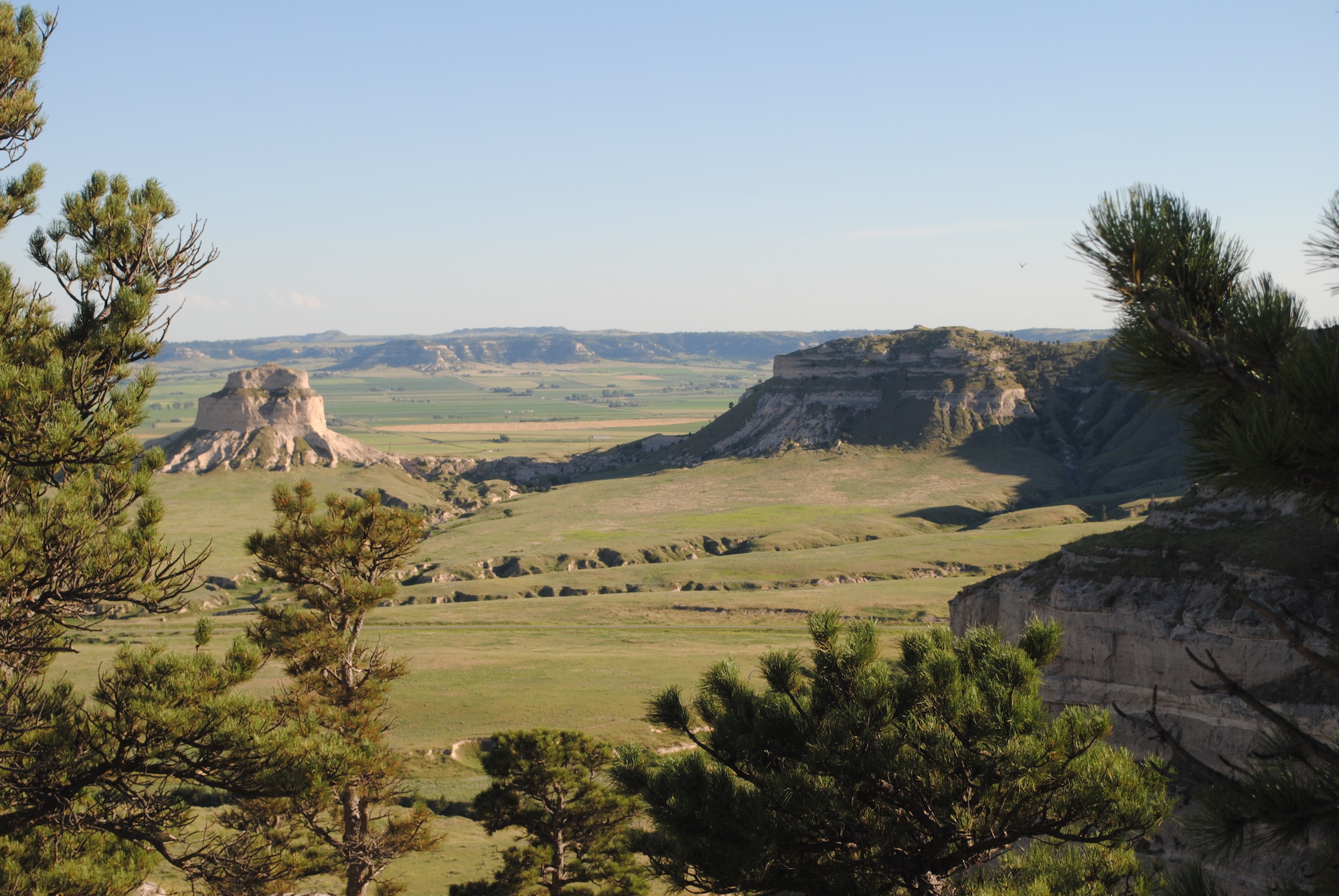
For travelers seeking unique destinations and memorable experiences, Nebraska’s elevated landscapes present a compelling reason to explore beyond the usual perceptions. These natural landmarks are not just geological curiosities; they are deeply woven into the fabric of American history, serving as vital guideposts for pioneers on the Oregon Trail and offering unparalleled opportunities for outdoor adventure, cultural immersion, and serene contemplation. Our exploration will delve into the unique geological features that define Nebraska’s “highlands,” highlight key attractions, and provide insights into how visitors can experience these captivating destinations, covering everything from travel guides and tourism activities to accommodation options and the distinctive lifestyle they offer.
Unpacking the “Mountain” Myth: Defining Nebraska’s Elevated Landscapes
The popular image of Nebraska is largely shaped by its eastern and central regions, characterized by fertile farmlands and the gently undulating terrain of the Sandhills, the largest stabilized sand dune region in the Western Hemisphere. These areas, while beautiful in their own right, reinforce the notion of a state devoid of significant elevation. However, the western third of Nebraska tells a different story, revealing a landscape carved by ancient forces and topped with impressive formations that, while not alpine mountains, certainly command attention.
The Geological Story: How Nebraska Was Formed
Nebraska’s geology is a testament to millions of years of dynamic processes. The bedrock underlying the state consists of marine sediments from ancient seas, later covered by layers of sand, gravel, and volcanic ash transported by wind and water from the rising Rocky Mountains to the west. Over eons, these softer sediments were eroded by wind and water, leaving behind harder, more resistant formations. What we see today as bluffs, buttes, and canyons are essentially remnants of these once-higher plains, sculpted by millennia of natural forces.
The key to understanding Nebraska’s “mountains” lies in the concept of erosional remnants. Features like Scotts Bluff and Chimney Rock are not formed by tectonic uplift, as true mountains are, but rather stand as sentinels, having withstood the relentless forces of erosion that wore away the surrounding landscape. This geological history contributes to their distinct appearance and their historical significance as enduring landmarks.
Identifying Nebraska’s Highest Points
While Nebraska doesn’t have 14,000-foot peaks, it does have a distinct high point that might surprise many. Panorama Point, located in the extreme southwestern corner of Kimball County, near the Wyoming and Colorado borders, proudly stands as the state’s highest elevation at 5,424 feet (1,653 meters) above sea level. Despite its impressive elevation, Panorama Point is less of a peak and more of a gentle rise within the shortgrass prairie, reflecting the characteristic high-plain landscape. Reaching this point involves a scenic drive through ranchland, culminating in a monument that commemorates its status as Nebraska’s rooftop. It’s an iconic landmark for those who appreciate geographical extremes and a unique destination for travelers exploring the high Plains.
Beyond Panorama Point, the most visually striking “mountain-like” features are concentrated in the Nebraska Panhandle, a region often overlooked but rich in natural beauty and historical significance. These formations are not just elevated land; they are vibrant ecosystems and historical treasures that offer a wealth of experiences for visitors.
Western Nebraska’s Majestic Formations: A Guide to Its “Mountain-Like” Wonders
The western part of Nebraska is where the “mountain” question truly finds its nuanced answer. Here, the landscape transitions dramatically from rolling plains to rugged badlands, towering bluffs, and pine-clad ridges, creating a topography that is both breathtaking and unexpected. These are the destinations that redefine expectations of Nebraska and provide ample opportunities for travel and tourism.
Scotts Bluff National Monument: An Icon of the Plains
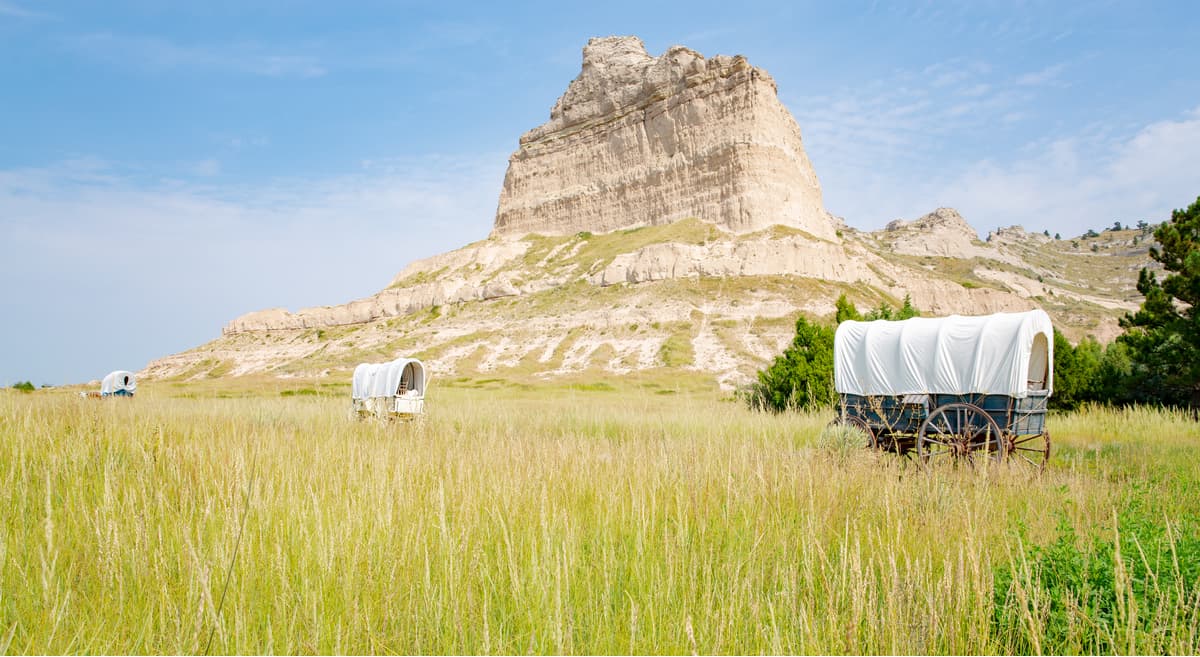
Perhaps the most famous of Nebraska’s elevated features is Scotts Bluff National Monument near the city of Scottsbluff. Rising prominently 800 feet above the North Platte River valley, this colossal sandstone and clay formation served as a crucial landmark for Native Americans and, later, for over 250,000 pioneers traversing the Oregon Trail, California Trail, and Mormon Trail. Its sheer size and striking silhouette make it arguably the closest thing Nebraska has to a “mountain.”
As a travel destination, Scotts Bluff National Monument offers a wealth of experiences. Visitors can drive the paved Summit Road, which winds its way to the top of the bluff, offering panoramic views of the surrounding Plains and other distant landmarks. Alternatively, for those seeking a more active experience, several hiking trails, including the challenging 1.6-mile Summit Trail, ascend the bluff, providing intimate views of its unique geology and the opportunity to spot local wildlife. The visitor center provides insightful exhibits on the geology, paleontology, and human history of the bluff, making it a comprehensive tourism experience. Many travelers choose to stay in Scottsbluff, where various hotels and accommodation options cater to different budgets and lifestyles, from family-friendly stays to more secluded experiences.
Chimney Rock National Historic Site: A Pioneer Landmark
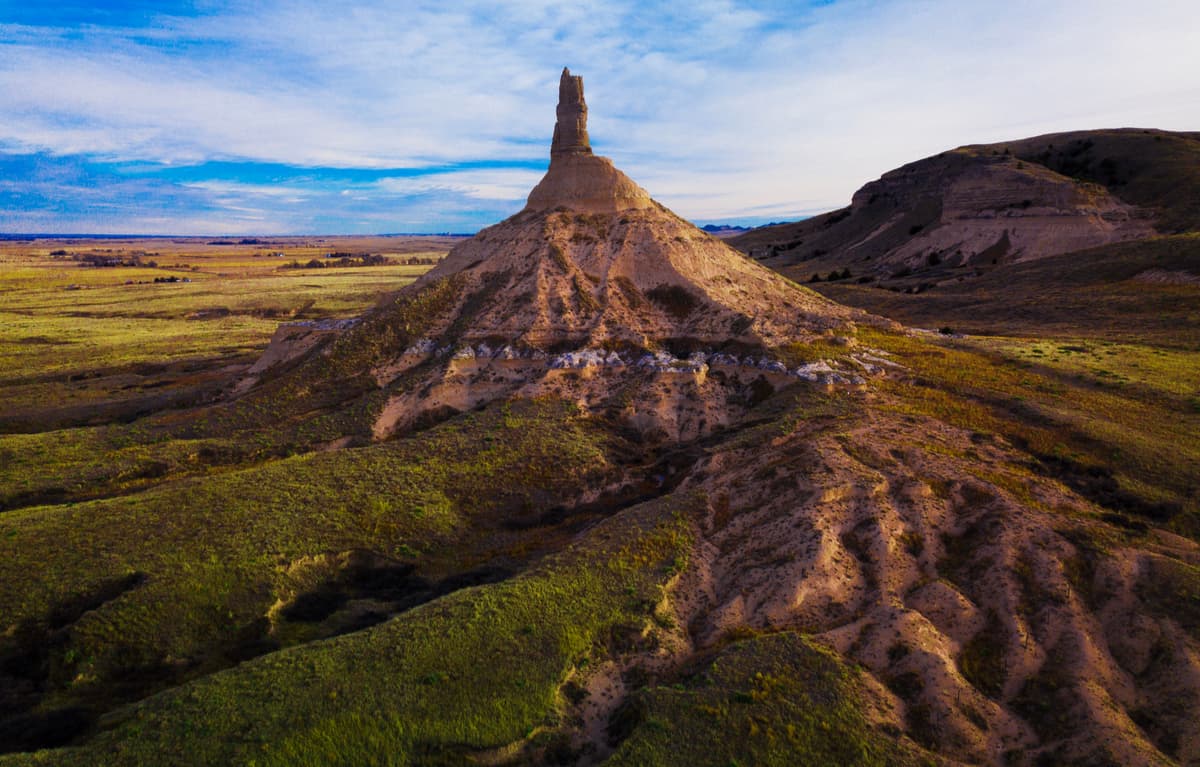
Another indispensable landmark in western Nebraska is Chimney Rock National Historic Site, located near Bayard. This distinctive spire, soaring 325 feet above the North Platte River, was perhaps the most frequently mentioned landmark in pioneer journals, a beacon of hope and a sign that emigrants were making progress on their arduous journey west. Its iconic silhouette against the vast Nebraska sky is instantly recognizable and deeply resonant with American history.
While visitors cannot climb Chimney Rock itself due to its fragile nature, the visitor center offers excellent interpretive exhibits detailing its geological formation and its profound significance to westward expansion. Photography opportunities are abundant, especially during sunrise or sunset when the rock glows with a warm hue. It’s a key destination for history buffs and nature lovers alike, providing a tangible link to the past. Nearby towns like Scottsbluff offer convenient hotel and accommodation options, making it easy to combine a visit to Chimney Rock with other attractions in the region.
The Pine Ridge Region: Nebraska’s Hidden Gem
North of Scottsbluff lies the Pine Ridge region, a rugged escarpment of pine-covered buttes and canyons that truly feels like a departure from the quintessential Nebraska landscape. This area, part of the larger Oglala National Grassland, offers some of the state’s most diverse outdoor activities and breathtaking scenery. The Pine Ridge is characterized by Ponderosa pine forests, dramatic cliffs, and unique geological formations, providing a habitat for diverse wildlife, including bighorn sheep and various bird species.
Within the Pine Ridge, destinations like Chadron State Park, Nebraska’s oldest state park, offer a wealth of experiences. Here, travelers can enjoy hiking, mountain biking, fishing, and horseback riding through a landscape that truly feels mountainous. Fort Robinson State Park, another jewel of the Pine Ridge, combines stunning natural beauty with a rich military and Native American history. Visitors can explore historical buildings, take jeep rides into the buttes, or even stay in historic officer’s quarters, offering a unique accommodation experience. The nearby city of Chadron provides a range of hotels and amenities, serving as an excellent base for exploring the entire Pine Ridge region. This area embodies the spirit of adventure travel, inviting visitors to immerse themselves in nature and history.
Beyond the Bluffs: Other Notable Elevations
While Scotts Bluff, Chimney Rock, and the Pine Ridge are the most prominent, other areas contribute to Nebraska’s elevated landscape. The Wildcat Hills State Recreation Area, located south of Scottsbluff, offers rugged terrain, ponderosa pines, and spectacular views, making it a popular spot for hiking and wildlife viewing. This area is a testament to the diverse topography found in the panhandle. Further east, while not “mountains,” the bluffs along the Missouri River on Nebraska’s eastern border also provide significant elevation changes and scenic overlooks, offering a different kind of elevated experience. These diverse features underscore that Nebraska’s landscape is far from monotonous, offering varied attractions for every type of traveler.
Experiencing Nebraska’s Highlands: Travel, Tourism, and Accommodation
Venturing into Nebraska’s “mountain-like” regions opens up a world of travel and tourism opportunities. These destinations cater to a wide range of interests, from avid hikers and history enthusiasts to families seeking unique experiences and those simply looking for a peaceful escape into nature.
Outdoor Adventures and Activities
The elevated landscapes of western Nebraska are a playground for outdoor enthusiasts. Hiking is perhaps the most popular activity, with trails ranging from easy interpretive walks at Scotts Bluff National Monument to more challenging treks through the rugged canyons of the Pine Ridge. Mountain biking is also gaining popularity, particularly in areas like Chadron State Park and Fort Robinson State Park, where dedicated trails wind through stunning scenery.
Horseback riding is a quintessential western experience, and several ranches and state parks offer guided rides, allowing visitors to explore the bluffs and prairies from a different perspective. Wildlife viewing is another highlight, with opportunities to spot deer, elk, bighorn sheep, and a variety of bird species. Birdwatching is particularly rewarding in the diverse ecosystems of the Pine Ridge and along the North Platte River. For photographers, the unique geological formations and expansive skies provide endless inspiration, especially during the golden hours of sunrise and sunset. These activities embody an active lifestyle, offering both physical challenge and profound connection to nature.
Where to Stay: Hotels and Unique Accommodations
To fully enjoy the rugged beauty of western Nebraska, visitors will find a range of accommodation options to suit various preferences and budgets. In larger towns like Scottsbluff, Alliance, and Chadron, travelers can find well-known hotel chains offering comfortable amenities, making them ideal bases for day trips to nearby attractions. These hotels provide a convenient and reliable option for family trips or business stays, ensuring a good night’s rest after a day of exploration.
For those seeking a more immersive experience, Nebraska’s state parks offer unique lodging options. Fort Robinson State Park provides historic cabins and lodge rooms, allowing guests to stay within the park’s scenic and historically rich environment. Chadron State Park also features cabins that blend rustic charm with modern comforts. Camping, from primitive sites to those with full hookups, is available in most state parks and recreation areas, appealing to budget travelers and those who prefer to be closer to nature. Additionally, several independent motels, bed and breakfasts, and even vacation rentals can be found in smaller communities, offering a taste of local culture and hospitality. Whether you prefer luxury travel or a budget-friendly adventure, Nebraska’s western regions have accommodation to match.
Embracing the Lifestyle: Family Fun and Budget-Friendly Exploration
Traveling through Nebraska’s elevated landscapes is an experience that caters to a diverse range of lifestyles. For families, the national monuments and state parks offer educational opportunities combined with fun outdoor activities. Children can learn about geology, history, and wildlife through engaging exhibits and easy trails. Many parks also feature picnic areas, playgrounds, and ranger-led programs designed for all ages, creating memorable family trips.
Budget travelers will appreciate the affordability of exploring these natural wonders. Entry fees for state parks are typically modest, and national monuments like Scotts Bluff often offer free admission or passes for multiple visits. Camping is an economical accommodation choice, and many towns offer affordable dining options. Road trips through western Nebraska are inherently budget-friendly, allowing travelers to cover significant ground and see multiple landmarks without breaking the bank. The unhurried pace of travel in this region allows for a more relaxed and authentic experience, fostering a connection with the land and its history. This is an invitation to slow down, explore, and discover the unexpected beauty of the American heartland.
Beyond the Peaks: Why Nebraska’s Landscape is a Must-Visit
So, does Nebraska have mountains? In the strictest geological sense, no, not the soaring, tectonically formed peaks of conventional mountain ranges. However, to focus solely on that definition would be to miss the extraordinary beauty, historical significance, and unique adventure opportunities offered by its “mountain-like” features. The bluffs, buttes, and ridges of western Nebraska are monuments to time, erosion, and the pioneering spirit. They stand as silent witnesses to epic journeys and crucial ecological transitions, offering landscapes that are both majestic and deeply moving.
For the intrepid traveler seeking destinations off the beaten path, Nebraska presents an compelling and often surprising journey. From the iconic silhouette of Chimney Rock to the panoramic vistas from Scotts Bluff and the rugged wilderness of the Pine Ridge, the state’s elevated landscapes promise rich experiences in travel, tourism, and outdoor lifestyle. They invite visitors to explore a unique facet of the Great Plains, offering a blend of natural wonder, profound history, and genuine midwestern hospitality. A visit to these “mountains” of Nebraska is not just a trip; it’s an opportunity to discover a hidden gem and rewrite your perception of the American landscape.
LifeOutOfTheBox is a participant in the Amazon Services LLC Associates Program, an affiliate advertising program designed to provide a means for sites to earn advertising fees by advertising and linking to Amazon.com. Amazon, the Amazon logo, AmazonSupply, and the AmazonSupply logo are trademarks of Amazon.com, Inc. or its affiliates. As an Amazon Associate we earn affiliate commissions from qualifying purchases.