
California, the Golden State, beckons with its unparalleled natural beauty, innovative spirit, and a lifestyle often depicted in sun-drenched dreams. From the iconic beaches of Southern California to the majestic peaks of the Sierra Nevada and the sprawling vineyards of Napa Valley, the state offers a diverse tapestry of experiences and opportunities. However, this allure comes with a price tag that often raises eyebrows. Understanding the true cost of living in California is essential for anyone considering a move, a long-term stay, or even extended travel through its vibrant regions. This guide delves into the various financial aspects, offering a comprehensive look at what it truly takes to call this dynamic state home.
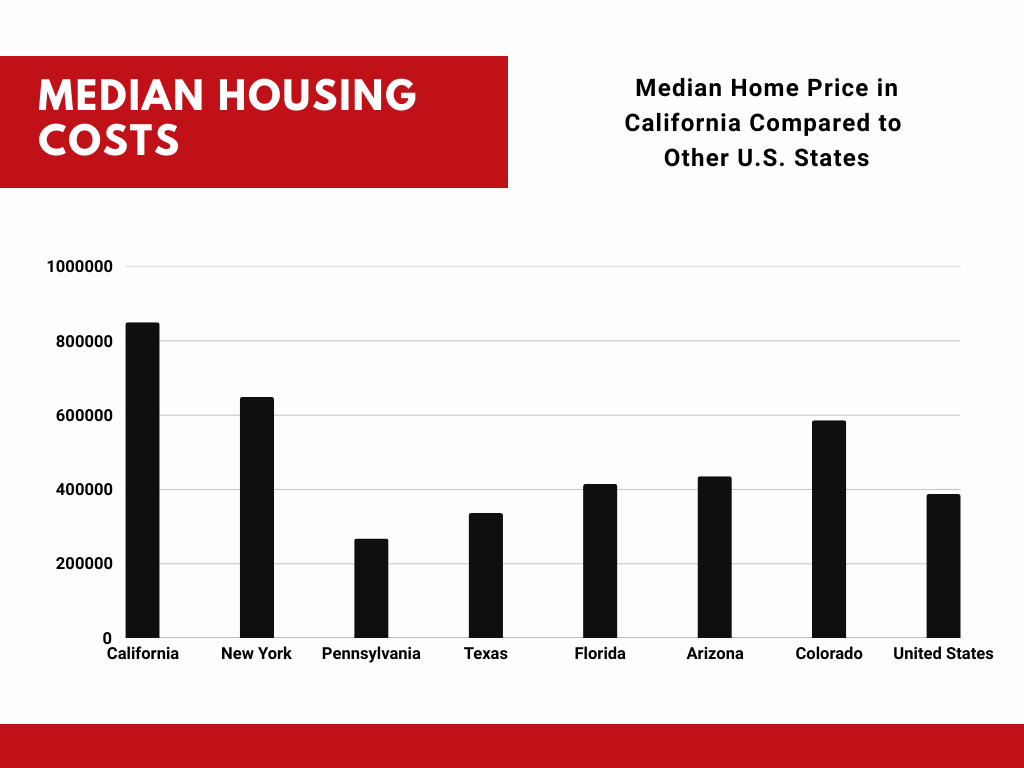
The perception of California as an expensive place to live is largely accurate. While pockets of affordability exist, the state consistently ranks among the most costly places in the United States. This high cost of living is driven by several factors, including strong economic growth, desirable climates, a robust job market in tech and entertainment, and a persistent housing shortage. For travelers, understanding these underlying costs can also inform decisions about where to stay, how to budget for daily expenses, and which experiences to prioritize, whether it’s a luxury escape in Beverly Hills or a budget-friendly adventure exploring the state’s national parks.
The Golden State’s Allure: A Lifestyle Worth Considering
California’s appeal is undeniable. It’s a land of contrasts, where diverse landscapes meet cutting-edge industries and a vibrant cultural scene. People are drawn here by the promise of innovation in Silicon Valley, the glamour of Hollywood, the laid-back surf culture of San Diego, or the artistic vibrancy of San Francisco. This geographical and cultural diversity translates into a wide array of lifestyles, from urban sophistication to rural tranquility, coastal living to desert escapes.
For those considering a long-term stay or relocation, the lifestyle aspects are often a significant draw. The state offers an abundance of outdoor activities year-round, from skiing in Lake Tahoe to hiking in Yosemite National Park or surfing along the Pacific Coast. There’s a strong emphasis on health and wellness, a rich culinary scene influenced by global flavors and local produce, and a progressive mindset that values innovation and creativity. This quality of life, often perceived as superior, is a major contributor to the high demand for living in the state, which in turn drives up prices for everything from housing to everyday services. Whether you’re dreaming of a sprawling villa overlooking the ocean in Malibu or a cozy apartment in the heart of Oakland, the Californian dream is diverse, but its accessibility is often dictated by one’s financial preparedness.
Breaking Down the Big Expenses: Accommodation and Housing
Without a doubt, housing is the single largest expense when living in California, dramatically impacting the overall cost of living. The state consistently features some of the highest median home prices and rental rates in the United States, particularly in its major metropolitan areas. This is a critical factor for anyone planning their budget, whether they are looking for a short-term luxury apartment or a long-term family home.
Renting in California: From Coastal Cities to Inland Escapes
Renting in California can be a significant financial commitment. The average rent for a one-bedroom apartment statewide hovers around $2,000-$2,500, but this figure is heavily skewed by the notoriously expensive major cities.
- San Francisco and the Bay Area: This region, home to Silicon Valley, leads the nation in rental costs. A one-bedroom apartment in San Francisco, San Jose, or Oakland can easily range from $2,800 to $3,800 or more per month, depending on the neighborhood and amenities. Even studios can fetch prices exceeding $2,000. For those seeking temporary accommodation or an extended stay, hotels and serviced apartments in these areas, like a suite at the Hyatt Regency San Francisco or a boutique hotel in Sausalito, will also reflect these high market rates.
- Los Angeles County: The sprawling metropolis of Los Angeles offers a wider range of prices, but premium areas are exceptionally costly. A one-bedroom in trendy neighborhoods like Santa Monica, West Hollywood, or Beverly Hills can rival Bay Area prices, often ranging from $2,500 to $3,500+. More affordable options exist in the San Fernando Valley or parts of Orange County, where a one-bedroom might be found for $1,800 to $2,500. For longer visits, consider apartments or villas outside the immediate city center, which can provide more value.
- San Diego: Known for its beautiful beaches and vibrant downtown, San Diego also commands high rents, typically between $2,000 and $2,800 for a one-bedroom apartment. Areas near the coast or popular attractions like Balboa Park tend to be more expensive.
- Inland Empire and Central Valley: For those seeking more affordable alternatives, regions like the Inland Empire (e.g., Riverside, San Bernardino) or the Central Valley (e.g., Sacramento, Fresno) offer significantly lower rental costs. A one-bedroom in these areas might range from $1,300 to $1,800, making them attractive for those willing to commute or prioritize budget over proximity to major coastal hubs. Sacramento, as the state capital, has seen its prices rise but remains relatively more affordable than its coastal counterparts.
When considering accommodation, especially for long-term stays, it’s crucial to factor in not just the base rent but also potential additional costs like parking (which can be exorbitant in cities), pet fees, and utility deposits. Exploring different types of accommodation, from traditional apartments to shared living spaces or even extended-stay hotels, can offer various price points and amenities.
Homeownership: An Investment in the California Dream
Purchasing a home in California is an even greater financial undertaking. The median home price statewide routinely exceeds $800,000, with metropolitan areas easily surpassing the $1 million mark.
- Bay Area: The median home price in areas like San Francisco or San Jose often ranges from $1.3 million to over $1.6 million, making homeownership a distant dream for many. Even entry-level condos can cost upwards of $700,000.
- Los Angeles and Orange County: Median home prices here are typically between $800,000 and $1.2 million, with luxury properties in places like Newport Beach or Laguna Beach commanding multi-million dollar figures. For those interested in luxury travel and real estate, exploring these areas could also involve staying at opulent resorts such as The Ritz-Carlton, Laguna Niguel.
- San Diego: Home prices typically fall in the $800,000 to $950,000 range, reflecting the desirability of coastal living.
- More Affordable Regions: The Inland Empire and Central Valley offer more attainable homeownership opportunities, with median prices often in the $400,000 to $600,000 range. While still higher than many other parts of the United States, these areas represent a more realistic entry point for many aspiring Californian homeowners.
Beyond the purchase price, property taxes, homeowner’s insurance (especially important in areas prone to wildfires or earthquakes), and potential HOA fees add significantly to the monthly cost of homeownership. This makes diligent financial planning absolutely paramount for anyone looking to buy property in the Golden State.
Beyond Shelter: Daily Living Costs and Lifestyle Choices
While housing dominates the cost of living discussion, other daily expenses also contribute to California’s high price tag. These include transportation, food, utilities, healthcare, and entertainment. How one manages these categories largely depends on individual lifestyle choices and regional variations.
Transportation: Navigating California’s Diverse Landscapes
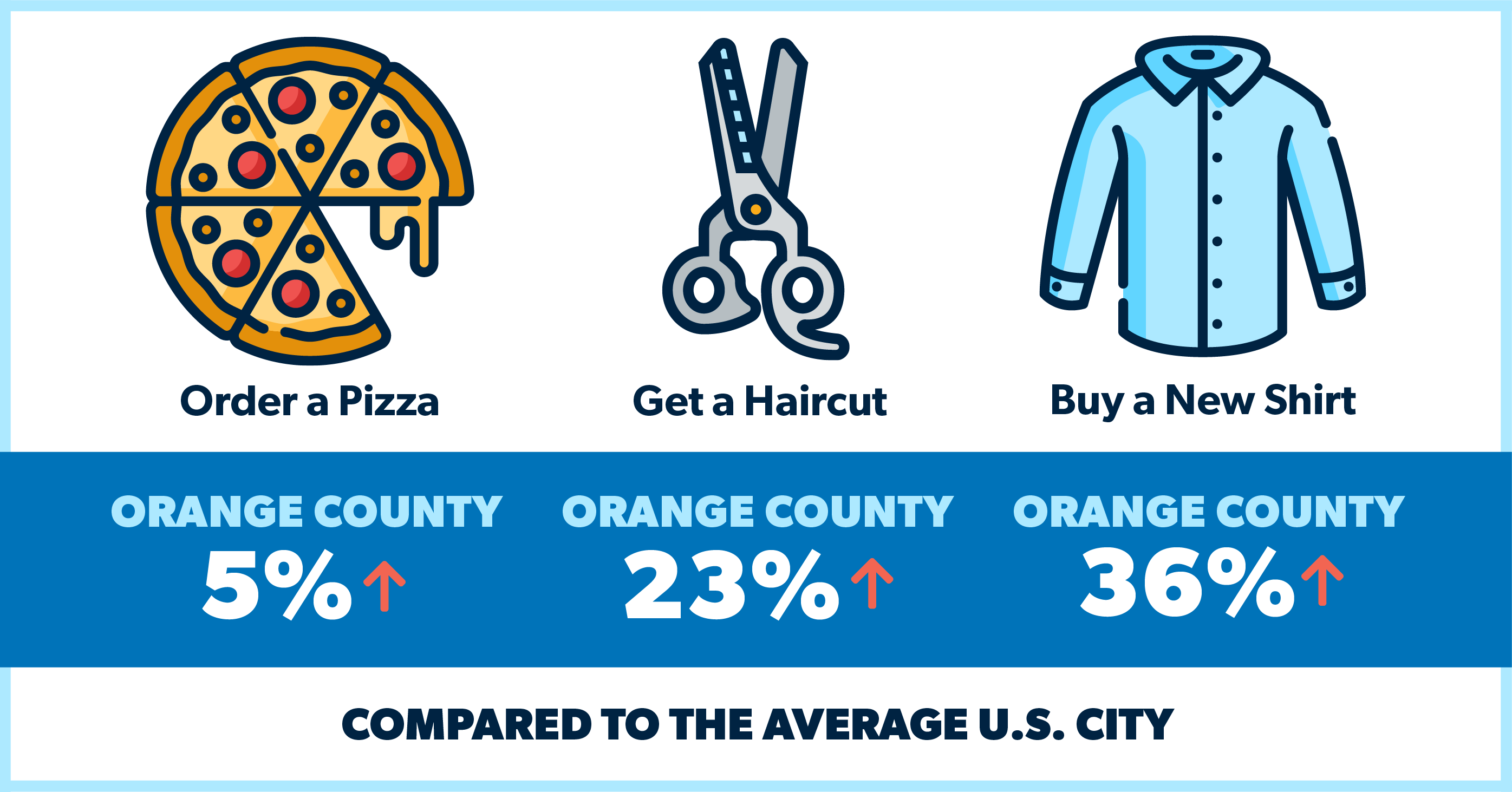
Transportation costs in California can vary widely. Given the state’s sprawling nature and reliance on personal vehicles, car ownership is a significant expense for many.
- Car Ownership: Fuel prices in California are consistently among the highest in the United States. Additionally, car insurance rates can be high, particularly in densely populated urban areas, due to higher rates of accidents and vehicle theft. Maintenance, registration, and parking fees (which can be very expensive in cities like San Francisco or Los Angeles) further add to the cost. For those planning a road trip or an extended stay, renting a car is a common option, but daily rates and insurance can quickly accumulate.
- Public Transportation: While major cities do have public transportation systems, they are not as extensive or interconnected as those in some East Coast cities. San Francisco boasts the BART (Bay Area Rapid Transit) system and a comprehensive bus and Muni network. Los Angeles has the LA Metro, a growing system of trains and buses. San Diego also has its MTS system. Relying solely on public transit is possible in dense urban cores but becomes challenging for commuting across larger metropolitan areas. Monthly passes can range from $70 to $100+. Ride-sharing services like Uber and Lyft are prevalent but can also add up, especially with frequent use or during surge pricing. For tourists, utilizing public transport around landmarks like the Golden Gate Bridge or within the bounds of a city like Berkeley can be a cost-effective choice.
Food, Utilities, and Essentials: The Everyday Budget
Basic necessities also carry a higher price tag in California.
- Groceries: While access to fresh produce from local farms is abundant and often high-quality, overall grocery costs are generally 10-20% higher than the national average. A single person might spend $400-$600 per month on groceries, while a family of four could easily spend $1,000+. Farmers’ markets offer fresh, local options and are also a great way to experience local culture and food.
- Dining Out: California’s culinary scene is world-renowned, offering everything from Michelin-starred restaurants to casual food trucks. A modest meal at an inexpensive restaurant might cost $20-$30, while a dinner for two at a mid-range restaurant can easily run $70-$100, not including drinks. For foodies, exploring the diverse local cuisine is a major attraction, but it’s important to budget accordingly.
- Utilities: Monthly utility bills for electricity, gas, water, internet, and trash can range from $150 to $400+, depending on the size of the home, climate control usage, and provider. Air conditioning is a necessity in Southern California and the Central Valley during summer, while heating is needed in winter, particularly in Northern areas. Internet services are comparable to national averages but can still be a significant monthly cost.
Entertainment and Leisure: Embracing the California Experience
This category is highly variable, depending on personal interests, but California offers an endless array of options, many of which come with a cost.
- Attractions and Landmarks: Entrance fees to popular theme parks like Disneyland or Universal Studios Hollywood can be $100-$200+ per person per day. Visiting world-class museums like the Getty Center (which often has free admission but paid parking) or the California Academy of Sciences also adds up. Exploring national parks like Joshua Tree National Park or Redwood National Park often involves entrance fees or an annual pass.
- Nightlife and Events: Los Angeles and San Francisco have vibrant nightlife scenes, with cocktail prices often in the $15-$25 range. Concerts, sporting events, and theater tickets can also be expensive, reflecting the high demand in these entertainment hubs.
- Outdoor Activities: While many of California’s natural wonders, like its beaches or hiking trails, are free to access, specific activities like surfing lessons, guided tours, or lift tickets at ski resorts like Palisades Tahoe will incur costs.
Balancing a desire to experience California’s rich offerings with a budget requires careful planning. Seeking out free attractions, utilizing city passes for tourists, and taking advantage of happy hour specials can help manage these expenses.
Regional Variations: Where Your Dollar Stretches Further (or Less)
The overall cost of living in California isn’t uniform; it’s a patchwork of expensive urban centers, moderately priced suburbs, and more affordable rural areas. Understanding these regional differences is key to budgeting and finding a place that aligns with one’s financial capacity and desired lifestyle.
- The Bay Area: This region, encompassing San Francisco, Oakland, and San Jose, is consistently one of the most expensive places on Earth. Driven by the tech industry and a limited housing supply, every aspect of living here—from rent to dining and even a cup of coffee—is priced at a premium.
- Southern California (Coastal Cities): Los Angeles, San Diego, and desirable parts of Orange County offer a quintessential Californian experience but come with a similarly high cost of living, though generally slightly less than the Bay Area. Proximity to the beach, entertainment industries, and a warm climate contribute to demand and price inflation.
- Southern California (Inland Empire): Cities like Riverside and San Bernardino in the Inland Empire provide a more affordable alternative to coastal Southern California, often catering to those seeking more space for their money, albeit with longer commutes to job centers.
- Central Valley: Home to cities like Sacramento, Fresno, and Bakersfield, the Central Valley represents some of the most budget-friendly areas in the state. Housing costs are significantly lower, and general expenses are closer to national averages. This region is a major agricultural hub and offers a different pace of life, often drawing those seeking a more traditional community feel.
- Northern California (Beyond the Bay Area): Areas like Santa Rosa or Redding, while offering access to stunning natural beauty and wine country, generally have a lower cost of living than the major metropolitan hubs, though still higher than many other states.
For travelers, these regional differences translate into varying costs for hotels, resorts, and vacation rentals. A stay at a luxury resort in Carmel-by-the-Sea will naturally be pricier than a quaint hotel in the Central Valley. Choosing accommodation that fits your budget means understanding these geographical financial dynamics.
Making California Affordable: Tips for Budget-Conscious Living and Travel
Despite its reputation, living and experiencing California on a budget is possible with strategic planning. Whether you’re considering a move or just visiting for an extended period, these tips can help stretch your dollar further.
- Location, Location, Location: As highlighted, where you choose to live or stay makes the biggest difference. Consider commuting from more affordable suburbs or inland cities if working in an expensive metro. For travel, exploring destinations beyond the prime coastal cities, like the national parks or the Central Valley, can offer incredible experiences at a fraction of the cost.
- Accommodation Alternatives: Instead of traditional hotels, explore long-term stay options like serviced apartments, vacation rentals (especially for longer durations), or even house-sitting. For shorter trips, hostels or budget hotels in less central neighborhoods can save significant money. Booking well in advance, especially for popular travel seasons, can also secure better rates for hotels, suites, and resorts.
- Smart Transportation: Reduce reliance on a personal vehicle, particularly in urban areas. Utilize public transportation where available, consider ride-sharing for specific trips, or embrace biking and walking. For longer distances, intercity buses or trains can be more economical than flying or constant car rental. Carpooling is also a common practice for daily commutes.
- Cook at Home and Pack Meals: Dining out frequently in California can quickly deplete a budget. Prioritize cooking at home, utilizing local farmers’ markets for fresh produce, and packing lunches for work or excursions. Look for grocery store sales and consider bulk buying.
- Free and Low-Cost Entertainment: California is rich with free attractions. Explore its numerous beaches, go hiking in state parks (many have minimal day-use fees), visit free museums on specific days, or enjoy picnics in local parks. Many cities offer free community events, concerts, and festivals, especially during warmer months. Walking the Hollywood Walk of Fame, exploring Venice Beach, or simply enjoying a scenic drive along Highway 1 are all memorable experiences that cost little to nothing.
- Budget Travel Mindset: Embrace a budget travel mindset for your Californian adventures. Look for deals on flights and hotels, travel during the off-season, and be flexible with your itinerary. Prioritize experiences over luxury amenities if cost is a primary concern. For instance, camping in a national park can be a truly immersive and affordable alternative to a resort.

Conclusion: Is the California Dream Within Reach?
Living in California is undoubtedly expensive, particularly in its major urban centers. The average cost of living is significantly higher than the national average, primarily driven by exorbitant housing costs. However, the state offers unparalleled opportunities, a vibrant lifestyle, diverse landscapes, and a quality of life that many find worth the premium.
For those dreaming of the Golden State, whether as a permanent resident or a long-term visitor, careful financial planning is non-negotiable. Understanding the regional variations in cost, making conscious choices about accommodation and transportation, and seeking out budget-friendly experiences can make the Californian dream more attainable. It’s a state that rewards preparedness and resourcefulness, allowing individuals to embrace its unique charm without necessarily breaking the bank. With a clear budget and an adventurous spirit, the many facets of California can be explored and enjoyed, proving that the Golden State’s allure can be experienced by many, regardless of their starting budget.
LifeOutOfTheBox is a participant in the Amazon Services LLC Associates Program, an affiliate advertising program designed to provide a means for sites to earn advertising fees by advertising and linking to Amazon.com. Amazon, the Amazon logo, AmazonSupply, and the AmazonSupply logo are trademarks of Amazon.com, Inc. or its affiliates. As an Amazon Associate we earn affiliate commissions from qualifying purchases.