
California, often hailed as the Golden State, beckons with its diverse landscapes, vibrant cities, and unparalleled lifestyle opportunities. From the sun-drenched beaches of San Diego to the towering redwoods of the north, and from the bustling urban sprawl of Los Angeles to the tech-driven innovation of Silicon Valley, it’s a place many dream of calling home, even for a short while. Whether you’re relocating for work, embarking on a long-term travel adventure, or simply considering a move to enjoy the unique culture and attractions, having a car is often essential for navigating this vast and beautiful state.

However, before you can fully embrace the open roads, perhaps cruising down the iconic Pacific Coast Highway towards Big Sur or venturing inland to the majestic Yosemite National Park, there’s a crucial administrative step: registering your vehicle. This process involves a series of fees that can sometimes seem complex and, for first-timers, a little daunting. Understanding “how much is it to register a car in California?” is not just about a single number; it’s about dissecting a structure of various charges that contribute to the total cost. This guide will demystify the expenses, outline the factors that influence them, and provide practical advice for a smooth registration experience, helping you budget effectively for your California adventure, whether it’s for travel, a new lifestyle, or a permanent relocation.
Unpacking the Core Components of California Car Registration Fees
Registering a vehicle in California involves a combination of state-mandated fees, local charges, and potentially additional costs depending on your specific circumstances. Unlike some states with a simple flat fee, California’s system is designed to account for various factors, including environmental impact, road maintenance, and local services. Getting a clear picture of these components is the first step to understanding your total outlay.
The Foundation: State-Mandated Fees
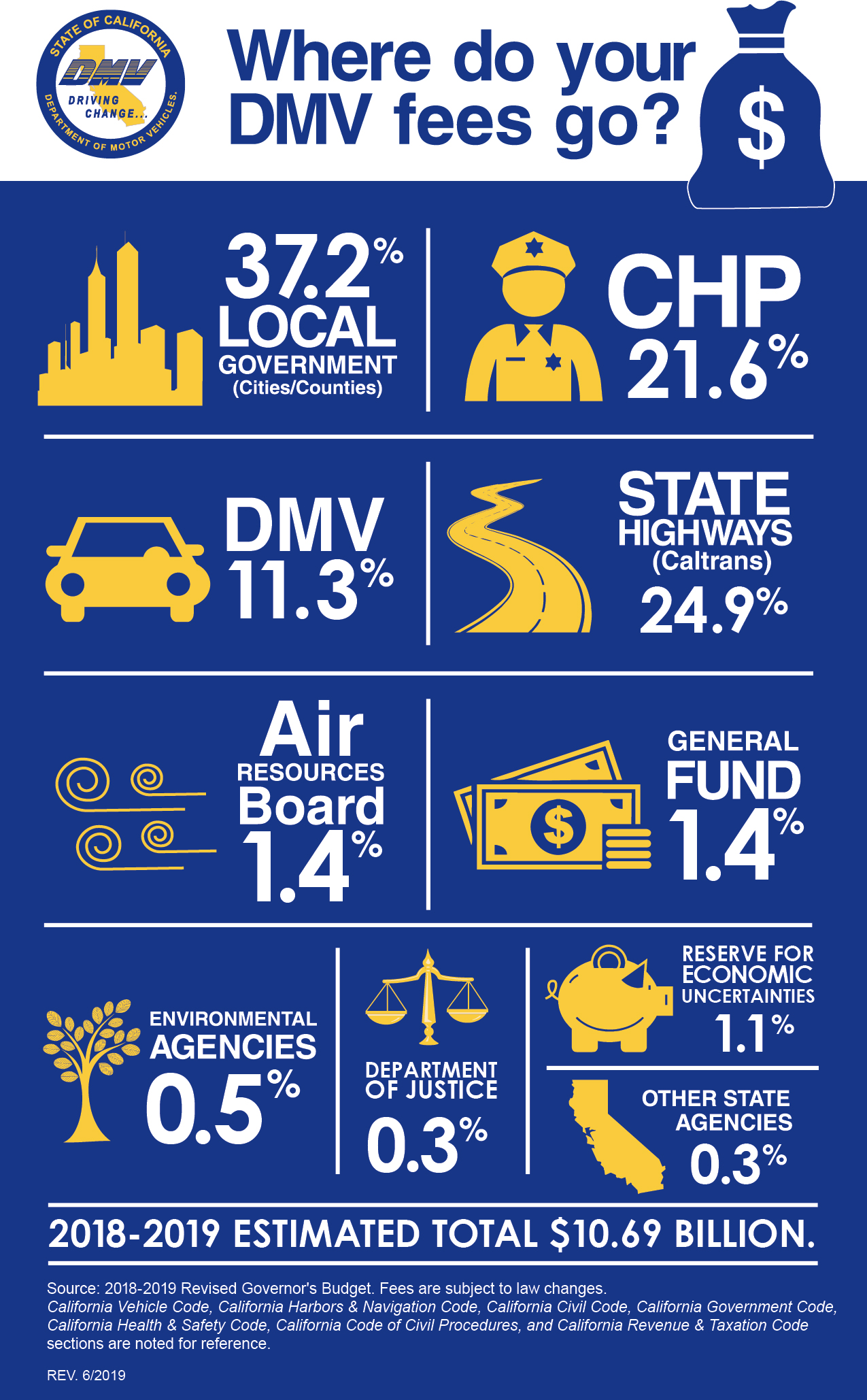
At the heart of car registration costs are several fees imposed uniformly across the state by the California Department of Motor Vehicles (DMV). These are non-negotiable and apply to nearly every vehicle.
Vehicle License Fee (VLF)
The Vehicle License Fee (VLF) is perhaps the most significant component of your registration bill, especially for newer or more expensive vehicles. This fee is essentially a property tax on your vehicle, levied in lieu of a local personal property tax. The VLF is calculated based on a percentage of your vehicle’s current market value, which is depreciated annually. For new vehicles, this often starts around 0.65% of the purchase price. As your car ages and its value depreciates, the VLF will decrease over time. This fee contributes significantly to state and local government services, underscoring California’s approach to funding public infrastructure and programs through vehicle ownership. Travelers bringing an expensive car for an extended stay, or those considering luxury travel within the state, should factor this into their budget projections carefully.
Registration Fee
Beyond the VLF, there’s a flat, annual registration fee that every vehicle owner must pay. This fee is a fixed amount, typically around $50-$60, and helps cover the administrative costs associated with maintaining vehicle records and issuing registration cards and license plate stickers. It’s a straightforward charge that everyone contributes to, regardless of their vehicle’s value or age.
California Highway Patrol (CHP) Fee
A portion of your registration cost goes directly to supporting the vital work of the California Highway Patrol (CHP). This fee, usually around $30, ensures that the state’s highways remain safe and well-patrolled, covering everything from accident response to traffic enforcement. For those who frequently travel California’s extensive road network, understanding that a part of their fees contributes to their safety on the road can provide a degree of reassurance.
Local & Environmental Surcharges
Beyond the core state fees, California also includes various district-specific and environmental fees, reflecting the state’s strong commitment to air quality and local infrastructure.
County and District Fees
These fees can vary significantly based on where you reside within California. Many counties and special districts impose additional charges to fund specific local services such as transportation improvements, air quality initiatives, or local transit systems. For instance, residents in metropolitan areas like San Francisco or Sacramento might see slightly higher district fees compared to those in more rural areas. These fees directly impact local communities and illustrate how vehicle registration plays a role in local governance and quality of life, which is relevant for anyone considering specific destinations for travel or long-term accommodation.
Smog Abatement Fee / Smog Check Program
California is renowned for its stringent environmental regulations, particularly concerning vehicle emissions. Most vehicles require a Smog Check Program inspection every two years as part of their renewal process. This inspection is performed at licensed stations and typically costs between $30 and $70, paid directly to the station, not the DMV. If your vehicle is too new (e.g., less than eight years old) or falls into a specific vintage category (e.g., pre-1976), it might be exempt from the biennial smog check. However, if your vehicle is older than 1975 and is exempt, you might instead pay an annual Smog Abatement Fee (around $20) directly to the DMV as part of your registration. This system reflects California’s continuous efforts to maintain clean air, a factor that greatly influences the lifestyle and health of its residents and visitors.
Factors That Influence Your Total Registration Cost
While the foundational fees provide a baseline, several variables can significantly alter your final registration bill. Understanding these factors is key to accurately estimating your expenses.
Vehicle Characteristics
The type, age, and value of your vehicle are primary determinants of your registration cost.
Vehicle Type and Weight
Different types of vehicles incur different fee structures. Motorcycles, for instance, generally have lower registration fees than standard passenger cars. Commercial vehicles, trucks, and RVs (recreational vehicles, popular for travel and long-term stays) often face higher fees due to their weight, potential impact on roads, or commercial use. The greater the weight of a vehicle, the higher certain fees might be, reflecting the increased wear and tear on roads and bridges. This is particularly relevant for those planning extended road trips or considering a nomadic lifestyle in an RV across California.
Age and Value of the Vehicle
As previously mentioned, the Vehicle License Fee (VLF) is directly tied to your vehicle’s depreciated market value. A brand-new luxury car will command a much higher VLF than an older, more modest sedan. This dynamic means that over time, your registration costs will generally decrease, provided your vehicle maintains its value linearly. For budget travelers or those considering purchasing a used car in California, opting for an older but reliable model can lead to significant savings on annual registration.

Registration Type and Timeliness
The nature of your registration transaction and your adherence to deadlines also play a critical role in the final cost.
New Registration vs. Renewal vs. Out-of-State Transfer
The initial registration of a vehicle in California (whether newly purchased or brought in from out-of-state) can be more complex and potentially involve more upfront costs than a standard annual renewal. When registering an out-of-state vehicle, you’ll need to satisfy specific California emissions standards and potentially undergo a physical inspection to verify the VIN (Vehicle Identification Number). This is a crucial consideration for anyone moving to California from another state for work, retirement, or an extended travel sabbatical. Renewals, on the other hand, are typically straightforward and often can be completed online.
Late Fees and Penalties
California has strict penalties for late registration renewals. If you fail to renew your vehicle registration by the expiration date, you will incur significant late fees. These penalties can accrue quickly, adding substantial amounts to your original registration cost. The exact amount depends on how late you are and the original fees. It’s a strong incentive to mark your calendar and renew promptly, especially if you’re balancing travel plans or adjusting to a new lifestyle in the state. The DMV typically sends renewal notices, but ultimately, it’s the owner’s responsibility to ensure timely renewal.
Owner Responsibility Fee (Uninsured Motorist Fee)
In California, it is mandatory to maintain continuous automobile liability insurance. If your insurance lapses or you are caught driving without valid insurance, the DMV may impose an “Owner Responsibility Fee” (around $140 for the first offense) in addition to potential fines and other penalties. This fee is a clear indicator of the state’s commitment to ensuring all drivers are financially responsible on the road, contributing to a safer environment for residents and tourists alike.
Navigating the Registration Process: Steps and Essential Tips
Understanding the costs is one thing; successfully navigating the process is another. The California DMV offers various avenues for registration, but preparation is key to a smooth experience.
Required Documents and Preparations
Before you even think about paying, ensure you have all necessary paperwork in order. This saves time and avoids frustrating delays.
- Proof of Ownership: This could be your vehicle’s title, a bill of sale, or the most recent registration card if renewing.
- Smog Certificate: As discussed, most vehicles require a valid Smog Check Program certificate. Ensure your test is recent and passed.
- Proof of Insurance: Valid liability insurance from a California-licensed provider is mandatory.
- Driver’s License or ID: You’ll need valid identification.
- Odometer Reading: For new registrations or transfers, the current mileage will be required.
- Application Forms: Depending on your transaction, you might need specific DMV forms (e.g., Application for Title or Registration, Statement of Facts).
For those moving from out-of-state, additional requirements may include a verification of vehicle identification number (VIN) and ensuring your vehicle meets California’s emission standards, which can be stricter than other states. It’s advisable to check the DMV website or call them before your move to gather all specific requirements.
Where and How to Register Your Vehicle
The California DMV offers several convenient options for registration, catering to different needs and lifestyles.
Online and Mail Renewals
For routine annual renewals, the most convenient method is often online through the DMV website or via mail. This is ideal for busy individuals, digital nomads, or long-term travelers who might be exploring other parts of California or even abroad when their renewal is due. Ensure your address is updated with the DMV to receive renewal notices.
In-Person at the DMV or Third-Party Providers
For new registrations, out-of-state transfers, or complex issues, visiting a DMV field office might be necessary. Be prepared for potentially long wait times, especially in popular locations like Los Angeles or San Francisco. Making an appointment in advance can significantly reduce your waiting period. Additionally, many private businesses are licensed by the DMV to process vehicle registration services, offering a potentially faster, though sometimes slightly more expensive, alternative. These third-party options can be a godsend for busy professionals or tourists on a tight schedule, prioritizing convenience and time savings.
Budgeting and Long-Term Considerations
Understanding registration costs is not just about the upfront payment but also about long-term financial planning for your time in California.
Accounting for Ongoing Costs
Beyond the initial registration, remember to factor in other ongoing vehicle-related expenses. Fuel costs in California are among the highest in the nation, and parking fees, especially in urban centers or popular tourist attractions like Disneyland or Hollywood, can add up quickly. Regular maintenance, unexpected repairs, and auto insurance premiums (which can vary widely based on location, driving record, and vehicle type) are also crucial elements of owning a car in the Golden State. For budget travelers or those considering extended stays, comprehensive financial planning that includes all these elements is essential for a stress-free experience.
Impact on Lifestyle and Travel
The cost and process of car registration directly impact your lifestyle and travel flexibility in California. A well-maintained and properly registered vehicle provides the freedom to explore hidden gems, visit remote landmarks, and truly immerse yourself in the state’s diverse offerings without being constrained by public transport schedules. Conversely, neglecting registration or underestimating costs can lead to legal issues, fines, and disruptions to your travel plans. Whether you’re planning a luxurious road trip staying in boutique hotels or a budget-conscious adventure camping in state parks, understanding your vehicle’s administrative costs is fundamental to an enjoyable and compliant experience.
In conclusion, registering a car in California involves a multi-faceted fee structure influenced by your vehicle’s characteristics and your timely adherence to regulations. While it might seem complex at first glance, breaking down the costs into their core components – the Vehicle License Fee, flat registration fee, CHP fee, local district fees, and environmental surcharges – provides a clearer picture. By preparing the necessary documents, understanding the process, and budgeting for both registration and ongoing vehicle expenses, you can ensure your ride is legally ready to hit the road. This preparation allows you to fully enjoy all that California has to offer, from its stunning natural beauty to its bustling urban attractions, making your travel and lifestyle in the Golden State as seamless and memorable as possible.
LifeOutOfTheBox is a participant in the Amazon Services LLC Associates Program, an affiliate advertising program designed to provide a means for sites to earn advertising fees by advertising and linking to Amazon.com. Amazon, the Amazon logo, AmazonSupply, and the AmazonSupply logo are trademarks of Amazon.com, Inc. or its affiliates. As an Amazon Associate we earn affiliate commissions from qualifying purchases.