
California, a land of sun-drenched beaches, towering redwoods, and vibrant cities, beckons millions of travelers and new residents each year. From the bustling streets of Los Angeles to the majestic beauty of Yosemite National Park, exploration often requires a set of wheels. Whether you’re planning an epic Pacific Coast Highway road trip, relocating for a long-term stay, or purchasing a new vehicle within the Golden State, understanding car registration costs is paramount. It’s a vital piece of the financial puzzle that impacts your travel budget, cost of living, and overall lifestyle in this iconic destination. This comprehensive guide will break down the expenses associated with registering a car in California, helping you navigate the process with confidence and ensure your journey through the state is as smooth and worry-free as possible. From decoding the various fees to understanding the process for out-of-state transfers, we’ll equip you with the knowledge to manage this essential aspect of vehicle ownership in one of America’s most popular travel and residential hubs.

Decoding the Core Costs of California Car Registration
The cost of registering a car in California isn’t a single flat fee; it’s a composite of several charges designed to fund various state services. These fees are typically paid annually to the California Department of Motor Vehicles (DMV) and can vary significantly based on your vehicle’s value, type, and even the county you reside in. For travelers considering a longer stay or new residents making California their home, factoring these costs into your budget is crucial for an accurate financial outlook.
The Annual Registration Fee: More Than Just a Sticker
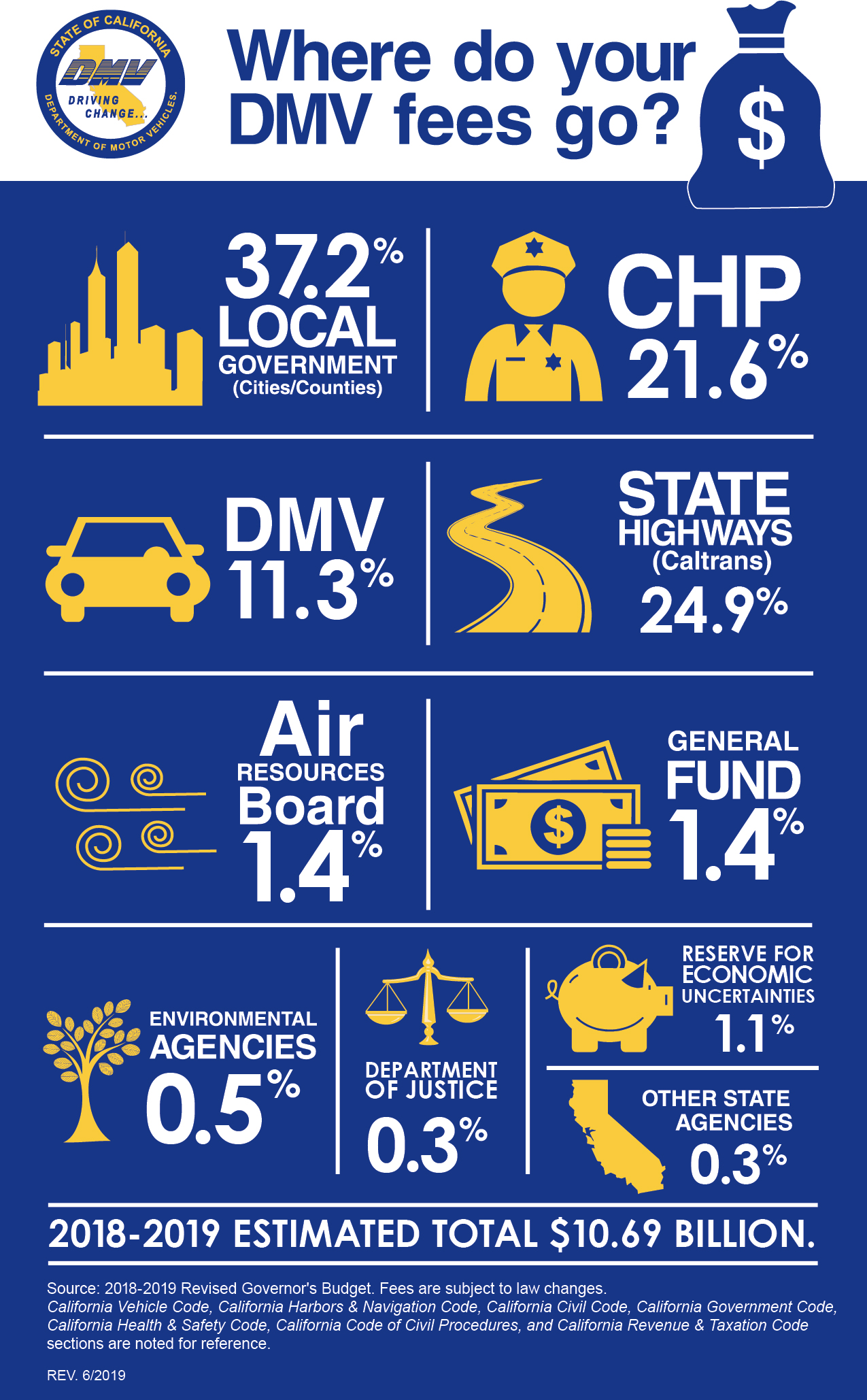
At the heart of your annual bill are several key components. The most straightforward is the base Registration Fee, a fixed charge applied to most vehicles. This fee contributes to the general operational costs of the DMV and related transportation services. Another significant component is the California Highway Patrol (CHP) Fee, which supports the essential work of the state’s law enforcement in maintaining road safety and responding to emergencies across California’s extensive highway network. This is a critical investment in the safety and efficiency that enhances the travel experience for everyone, from daily commuters to cross-country adventurers exploring landmarks like the Golden Gate Bridge or the beaches of San Diego.
Perhaps the most variable and often largest portion of your registration cost is the Vehicle License Fee (VLF). Unlike the fixed fees, the VLF is calculated as a percentage of your vehicle’s market value. This means newer, more expensive cars will incur a higher VLF, while older, less valuable vehicles will have a lower one. The VLF is essentially a property tax on your vehicle, with revenues primarily directed towards local government services such as police, fire, and emergency response, vital for both residents and the millions of tourists exploring California’s diverse attractions. As your car ages and depreciates, so too will your VLF, offering some relief in subsequent years. Additionally, there are often smaller surcharges, such as an Air Quality Fee and a Smog Abatement Fee, which fund programs aimed at reducing air pollution, a significant environmental concern in a state known for its scenic beauty and commitment to green initiatives.
Factors That Drive Your Registration Bill Up or Down
Beyond the core fees, several factors can influence the final amount you pay to register your car in California. Understanding these variables can help you anticipate costs and make informed decisions, whether you’re purchasing a new vehicle or relocating from another state.
Firstly, Vehicle Age and Value play a dominant role due to the VLF. A brand-new luxury SUV will command a significantly higher registration fee than a ten-year-old compact car. This is especially important for individuals pursuing a luxury travel lifestyle in California, as their premium vehicles will come with proportionally higher annual costs. Conversely, budget travelers or those opting for a more economical lifestyle will find their registration fees considerably lower, aligning with their vehicle choice.
Secondly, Fuel Type and Emissions standards are critical in California. Most gasoline-powered vehicles registered in the state are required to pass a Smog Check every two years (or annually if a new resident registering an out-of-state vehicle, and then biennially). If your vehicle fails the smog check, you’ll incur repair costs before you can complete your registration. Certain hybrid, electric, and very old vehicles may be exempt from the smog check requirement, potentially saving you time and money. This reflects California’s strong commitment to environmental protection, an ethos that often attracts eco-conscious travelers and residents.
Thirdly, County-specific fees can add to your total. While the major fees are statewide, some counties or districts impose additional charges to fund local transportation projects, air quality initiatives, or special service districts. For example, residents in heavily populated areas like Los Angeles County or the San Francisco Bay Area might see slightly higher fees than those in more rural parts of the state. This highlights the varied infrastructure and tourism demands across different California regions, impacting everything from local attractions to accommodation options.
Finally, Late Penalties are a significant factor to avoid. The DMV strictly enforces registration deadlines. If you fail to renew your registration on time, you’ll be assessed a penalty that increases the longer you delay. These penalties can add substantially to your total cost, making proactive management of your vehicle’s paperwork essential for a stress-free California experience.
Navigating the Registration Process: A Guide for Out-of-State & New Vehicle Owners
Registering a car in California might seem daunting, especially if you’re new to the state or purchasing a vehicle for the first time. However, by understanding the steps and required documentation, you can streamline the process and minimize potential headaches. This section provides a clear roadmap for both new residents and those acquiring a vehicle within the state, ensuring you’re road-ready for your adventures, whether they involve exploring Hollywood‘s iconic sights or embarking on a wine-tasting tour through Napa Valley.
Essential Steps for a Smooth Registration Journey
For any vehicle registration in California, a few core requirements remain constant. First and foremost, you’ll need Proof of Ownership, typically the vehicle’s title or the manufacturer’s certificate of origin for a brand-new car. If you’re still making payments on your vehicle, you’ll generally need your loan information. This document verifies that you are the legal owner or have lawful possession of the vehicle.
Secondly, Proof of California Insurance is mandatory. California law requires all drivers to carry minimum liability insurance. You’ll need to provide proof of this coverage to the DMV to complete your registration. Without valid insurance, your registration will not be processed, and driving uninsured in California carries significant penalties. Securing adequate insurance is a fundamental aspect of responsible vehicle ownership and provides peace of mind for those embarking on extensive road trips throughout the state.

Thirdly, a valid Smog Check Certificate is required for most vehicles. As mentioned earlier, this ensures your vehicle meets California’s strict emission standards. You’ll need to take your vehicle to a state-licensed smog check station, and the results will be electronically submitted to the DMV. It’s advisable to get your smog check done before initiating the registration process to avoid delays.
Finally, you can complete the process at a local DMV office, though be prepared for potentially long wait times. Many services, including renewals and some initial registrations, can also be handled online or by mail through the DMV website, which often provides a much more convenient experience. For travelers and those on a tight schedule, utilizing online services aligns with a modern, efficient lifestyle.
Special Considerations for Out-of-State Vehicles and New Purchases
For those moving to California, there are specific rules for out-of-state vehicles. If you establish residency in California (e.g., accepting employment, renting accommodation, or enrolling children in school), you generally have 20 days to register your vehicle with the DMV. This is a critical deadline to avoid penalties. During this process, a Vehicle Identification Number (VIN) verification will be required, often performed by the DMV or the California Highway Patrol to confirm the vehicle’s identity.
A crucial point for out-of-state vehicles concerns emission standards. California has unique and stringent emission regulations. If your vehicle was manufactured to federal emission standards (common in most other states like Nevada or Arizona) and has fewer than 7,500 miles on the odometer, it may not be eligible for initial registration in California, unless it’s a California certified vehicle. This “7,500-mile rule” is designed to prevent new residents from buying non-California compliant new cars outside the state to avoid higher prices or specific equipment. Always check your vehicle’s emission label (under the hood) to confirm it is California certified or meets the mileage exception. This is a vital piece of information for anyone planning a relocation or long-term stay, particularly those moving from neighboring states like Oregon or Washington.
For vehicles newly purchased within California, whether from a dealership or a private seller, the registration process is usually initiated at the point of sale for dealerships. For private party sales, both buyer and seller have responsibilities for filing the proper paperwork with the DMV to ensure a smooth transfer of ownership and registration.
The California Dream on Wheels: Budgeting for Mobility and Exploration
Embracing the California lifestyle often means having the freedom to explore. From chasing sunsets along the Pacific Coast Highway to scaling the peaks of Lake Tahoe, a personal vehicle unlocks unparalleled travel experiences. However, this freedom comes with financial considerations, and understanding how car registration fits into your overall budget is key to truly living the “California dream” without unexpected costs. This perspective is particularly relevant for those planning extended stays, digital nomads, or families looking to experience all the state has to offer.
Integrating Car Registration into Your Travel and Relocation Budget
For many, the question isn’t just “how much is car registration?” but “how does it compare to other mobility options?” For short visits, a long-term car rental from a reputable agency might seem appealing. However, if you’re planning a stay of several months or more, the accumulated cost of rentals can quickly outstrip the expense of purchasing and registering your own vehicle. A personal car provides flexibility and a sense of permanence that rentals often lack, especially for exploring remote attractions or for daily commuting for work or leisure.
When creating a budget for your California adventure or relocation, car registration should be seen as part of the total cost of ownership. Beyond the annual fees, remember to factor in other recurring expenses like car insurance (which can be higher in California than in many other states), fuel costs (historically among the highest in the nation), and routine maintenance. These combined costs contribute significantly to the overall expense of living and traveling in California. For families embarking on a trip to destinations like Disneyland Park or Universal Studios Hollywood, having a registered personal vehicle can offer convenience and cost savings compared to relying solely on rideshares or public transport for multiple days. Careful planning of these expenses can prevent financial surprises, allowing you to fully enjoy the rich tourism and diverse attractions California has to offer.
Exploring California’s Iconic Destinations by Car
The undeniable allure of California lies in its vast and varied landscapes, many of which are best accessed by car. A properly registered vehicle is your passport to iconic landmarks and unforgettable experiences that define the state’s travel and tourism appeal. Imagine the freedom of waking up in a boutique hotel in Santa Barbara and spontaneously deciding to drive north to witness the dramatic cliffs of Big Sur, stopping at scenic overlooks and charming coastal towns at your own pace. This kind of spontaneous exploration is a hallmark of the California lifestyle, offering a stark contrast to fixed tour itineraries.
With your car legally registered, you can embark on epic road trips through national treasures like Yosemite National Park, where you’ll witness towering waterfalls and ancient sequoias, or venture into the otherworldly landscapes of Death Valley National Park. A car allows you to explore the vibrant cityscapes of San Francisco, from its famous cable cars to its diverse neighborhoods, and then effortlessly transition to the rolling vineyards of Napa Valley for a luxurious wine-tasting experience. Whether you’re seeking adventure, relaxation, or cultural immersion, having your own vehicle provides the ultimate flexibility, allowing you to curate a personalized itinerary that truly reflects your ideal California experience, enhancing every aspect of your travel, accommodation, and lifestyle choices.
Smart Tips for Hassle-Free Car Registration in California
Navigating the administrative aspects of vehicle ownership can be straightforward with a little foresight. Here are some practical tips to ensure a hassle-free car registration experience in California:
- Plan Ahead: Don’t wait until the last minute. The DMV sends renewal notices well in advance of your registration expiration date. Set reminders and aim to complete your renewal or initial registration at least a few weeks before any deadlines. For new residents, be mindful of the 20-day rule for out-of-state vehicles.
- Utilize DMV Online Resources: The California Department of Motor Vehicles website is an invaluable tool. Many transactions, including renewals, address changes, and even appointment scheduling for in-person visits, can be done online, saving you significant time and effort. This aligns perfectly with a modern, efficient lifestyle.
- Keep Documents Organized: Maintain a dedicated file for your vehicle’s important documents, including your title, insurance card, previous registration cards, and smog check certificates. Having these readily accessible will simplify any DMV transactions and is crucial for emergencies or traffic stops.
- Understand Emission Standards Before Buying Out-of-State: If you’re considering purchasing a car outside California and bringing it into the state, thoroughly research the “7,500-mile rule” and California emission certifications. This preventative step can save you from significant financial burdens and registration complications later on.
- Check for Special Programs: Occasionally, California offers special programs or exemptions, particularly for low-income residents or certain vehicle types (e.g., clean air vehicles). Check the DMV website or contact them directly to see if you qualify for any assistance or reduced fees.
Understanding the costs and process of car registration in California is an essential step for anyone planning to embrace the state’s vibrant lifestyle, whether through extended travel, a permanent move, or simply exploring its myriad attractions. While the fees can initially seem complex, they fund critical services that contribute to road safety, environmental protection, and local infrastructure, ultimately enhancing the overall experience for residents and visitors alike. By budgeting wisely, preparing your documents, and utilizing available online resources, you can navigate the registration process with ease. This ensures your vehicle is legally ready to transport you to every corner of this magnificent state, from the bustling urban centers to its serene natural landmarks, providing the freedom to create unforgettable memories on your own terms. Enjoy the journey!
LifeOutOfTheBox is a participant in the Amazon Services LLC Associates Program, an affiliate advertising program designed to provide a means for sites to earn advertising fees by advertising and linking to Amazon.com. Amazon, the Amazon logo, AmazonSupply, and the AmazonSupply logo are trademarks of Amazon.com, Inc. or its affiliates. As an Amazon Associate we earn affiliate commissions from qualifying purchases.