
In the vast tapestry of global cuisine, certain dishes transcend their origins, becoming iconic representations of culinary fusion and travel experiences. The California Maki Roll is precisely one such phenomenon. Far more than just a simple sushi roll, it embodies a fascinating blend of Japanese tradition and Western innovation, making it a beloved staple in restaurants from bustling city centers to serene resort dining rooms worldwide. For the adventurous traveler, the food enthusiast, or simply someone looking to infuse their daily life with a taste of distant lands, mastering the art of the California Maki is an incredibly rewarding endeavor. This article delves into not just the how-to, but also the cultural significance, the travel connections, and the sheer joy of creating this culinary masterpiece from the comfort of your own kitchen, transforming a simple meal into an international adventure.

Whether you’re a seasoned globetrotter reminiscing about a sushi experience in Tokyo or a budding home chef eager to explore new flavors, the California Maki offers a accessible entry point into the world of sushi making. It’s a dish that speaks to the “lifestyle” aspect of our website’s focus, blending the luxury of gourmet food with the accessibility of home cooking, and aligning perfectly with themes of local culture, food tourism, and memorable experiences. Prepare to embark on a journey that will not only teach you a new skill but also deepen your appreciation for the intricate connections between food, travel, and personal discovery.
A Culinary Journey: Tracing the Global Footprint of California Maki
The story of the California Maki is a delightful anecdote in culinary history, inextricably linked with the burgeoning Japanese food scene outside of Japan. It’s a tale that perfectly illustrates how travel and migration can shape gastronomy, creating dishes that resonate with diverse palates across continents.
Origins in the Golden State
The genesis of the California Maki is widely attributed to chef Ichiro Mashita at the Tokyo Kaikan restaurant in Los Angeles, USA, in the late 1960s or early 1970s. Faced with American diners who were hesitant about raw fish and the unfamiliar texture of nori (seaweed) on the outside of their sushi, Mashita ingeniously turned the roll inside out. By placing the rice on the exterior and hiding the nori within, he addressed a cultural preference. Furthermore, he substituted traditional tuna with more approachable ingredients like avocado, cucumber, and cooked crab sticks (kani), ingredients that were both readily available and familiar to the local palate. This act of culinary innovation, born out of necessity and a deep understanding of his clientele, gave birth to what we now know as the California Roll. It was an instant hit, quickly spreading from Los Angeles across the entire USA and eventually beyond.
The Fusion Phenomenon and Global Appeal
The California Maki stands as a testament to the power of fusion cuisine. It respects the fundamental techniques of Japanese sushi making while boldly embracing Western ingredients and tastes. This adaptability made it incredibly popular, leading to its widespread adoption in various countries, including Canada, where it also found a strong foothold. Its appeal lies in its approachability; it serves as a gentle introduction to sushi for newcomers, providing a flavorful and texturally pleasing experience without the intimidation sometimes associated with traditional raw fish preparations.
From a travel perspective, the California Maki is a wonderful example of how food acts as a cultural bridge. Travelers exploring new destinations often seek out familiar comforts while also desiring novel experiences. The California Maki offers both—a universally recognized dish with regional variations that reflect local culinary scenes. It’s a dish you might find served with artistic flair in a five-star hotel like a Four Seasons resort in Maui or a chic Ritz-Carlton property in Miami, often tailored with premium ingredients, elevating it to a luxury travel experience.
California Maki as a Gateway to Food Tourism
Learning to make California Maki at home isn’t just about cooking; it’s about engaging in food tourism from your kitchen. It’s a hands-on way to explore a dish that has traversed continents and adapted to myriad cultures. This connection to food-related travel experiences is profound. Imagine taking a cooking class in Kyoto to learn traditional sushi, then returning home to apply those techniques to a California Roll, understanding the evolution of the cuisine. It’s an exercise that enhances your appreciation for global culinary landscapes and encourages you to seek out authentic food experiences on your next trip, whether it’s exploring a vibrant local market or dining at a highly-rated restaurant.
Preparing for Your Maki Adventure: Essential Ingredients and Tools
Before you embark on the creative process of rolling your own California Maki, careful preparation of ingredients and gathering the right tools are paramount. Think of it as assembling your travel gear before a grand adventure—each item plays a crucial role in ensuring a smooth and successful journey.
Sourcing Quality: The Foundation of Flavor
The quality of your ingredients directly impacts the final taste and texture of your maki. While the California Roll is forgiving, using fresh, high-quality components will elevate your homemade sushi to restaurant-level deliciousness. When traveling, seeking out local markets for fresh produce is often a highlight, and the same principle applies here.
- Sushi Rice: This is non-negotiable. Use short-grain Japanese sushi rice, known for its stickiness and plump texture once cooked. Avoid long-grain varieties, as they won’t hold together.
- Nori Seaweed Sheets: Opt for good quality, toasted nori sheets that are crisp and dark green.
- Crab Sticks (Kani): These imitation crab meat sticks are a key ingredient. Look for brands with good texture and flavor. If you prefer, you can use real cooked crab meat for a more luxurious roll.
- Avocado: Choose a ripe but firm avocado that yields slightly when pressed. It adds a creamy richness that is characteristic of the California Roll.
- Cucumber: English or Persian cucumber works best. They are less watery and have fewer seeds, providing a crisp counterpoint to the creamy avocado and soft crab.
- Optional Toppings: Tobiko (flying fish roe) for that signature orange speckled look and a burst of briny flavor. Sesame seeds (white or black) also add visual appeal and a nutty crunch.
- Seasonings & Accompaniments: Rice vinegar, sugar, and salt for seasoning the sushi rice. Don’t forget soy sauce, wasabi, and pickled ginger for serving.
Mastering the Rice: The Soul of Sushi
The perfect sushi rice is the cornerstone of any great maki roll. Its texture and flavor are paramount. First, rinse the sushi rice thoroughly under cold running water until the water runs clear. This removes excess starch, preventing the rice from becoming gummy. Cook the rice according to package directions, typically in a rice cooker for optimal results. Once cooked, transfer the hot rice to a large, non-metallic bowl.
Now comes the crucial seasoning step: the sushi-zu. In a small saucepan, gently heat rice vinegar with sugar and a pinch of salt until the sugar dissolves. Do not boil. Drizzle this mixture over the hot rice, folding it in with a rice paddle using cutting motions. Avoid stirring or mashing the rice. The goal is to evenly coat each grain without breaking it. Fan the rice as you mix to cool it down quickly, which will give it a glossy sheen and a perfect texture. The rice should be cooled to room temperature before you start rolling. This meticulous preparation, often seen in the precision of Japanese culinary arts, transforms simple grains into the flavorful, slightly tangy, and perfectly sticky foundation of your maki.
The Right Tools for Culinary Success

Just as a skilled traveler prepares with the right maps and luggage, a home sushi chef benefits immensely from having the proper tools. These items aren’t just gadgets; they streamline the process and help achieve professional-looking results.
- Bamboo Rolling Mat (Makisu): This is absolutely essential for shaping your rolls. Cover it with plastic wrap to prevent rice from sticking and for easy cleanup.
- Sharp Knife: A very sharp, thin-bladed knife is crucial for clean cuts. A chef’s knife or a Japanese sashimi knife works best. Keep a damp cloth nearby to wipe the blade clean between cuts.
- Small Bowl of Water: For moistening your hands and the knife blade, which prevents rice from sticking.
- Cutting Board: A stable surface for preparing your ingredients and slicing your rolls.
- Plastic Wrap: Besides covering the bamboo rolling mat, it’s useful for covering your hands and making the rolling process smoother for inside-out rolls.
Step-by-Step Mastery: Crafting Your Perfect California Maki
With your ingredients prepped and tools at the ready, it’s time for the most exciting part: the actual rolling! This process is a blend of art and technique, demanding a steady hand and a keen eye. Think of it as constructing a miniature edible landmark, layer by careful layer.
Layering the Flavors: Assembling Your Roll
- Prepare your rolling surface: Lay your bamboo rolling mat flat, covered with plastic wrap.
- Spread the rice: Lightly moisten your hands with water (or wear disposable gloves). Take about 3/4 to 1 cup of seasoned sushi rice and gently spread it evenly over a sheet of nori, covering about 3/4 of the sheet. Leave a 1/4-inch border at the top edge. The rice layer should be thin, about the thickness of a quarter.
- Flip the Nori: This is the key to an inside-out California Roll. Carefully flip the nori sheet with the rice side down onto the plastic-wrapped bamboo rolling mat. The rice should now be directly on the mat, and the nori facing up.
- Add the fillings: Along the bottom edge of the nori (which is now on top), arrange your fillings in a neat line. Place a few strips of avocado, cucumber, and crab sticks. Don’t overfill, as this will make rolling difficult.
The Art of the Roll: Technique and Precision
This is where the magic happens. A tight, even roll is the hallmark of well-made maki.
- Initial Roll: Using your thumbs, lift the edge of the bamboo rolling mat closest to you, bringing it up and over the fillings. Press down firmly on the fillings with your fingers to hold them in place as you start to roll. Create a tight seam, enclosing the fillings.
- Continue Rolling: Gently pull the mat away from the roll as you continue to roll it forward, using constant, even pressure. The goal is to create a compact cylinder. Don’t worry if it’s not perfect initially; practice makes perfect!
- Shape and Seal: Once rolled, use the mat to gently shape the roll, making it a uniform cylinder or a slightly square shape, depending on your preference. Apply gentle pressure along the length of the roll to ensure it’s tight and sealed.
- Add Toppings (Optional): If using tobiko or sesame seeds, sprinkle them evenly over the rice-covered roll while it’s still on the mat, then gently press them into the rice with the mat to adhere.
Presentation and Pairing: Serving Your Creation
A beautifully presented dish enhances the dining experience, much like a stunning view enhances a travel destination.
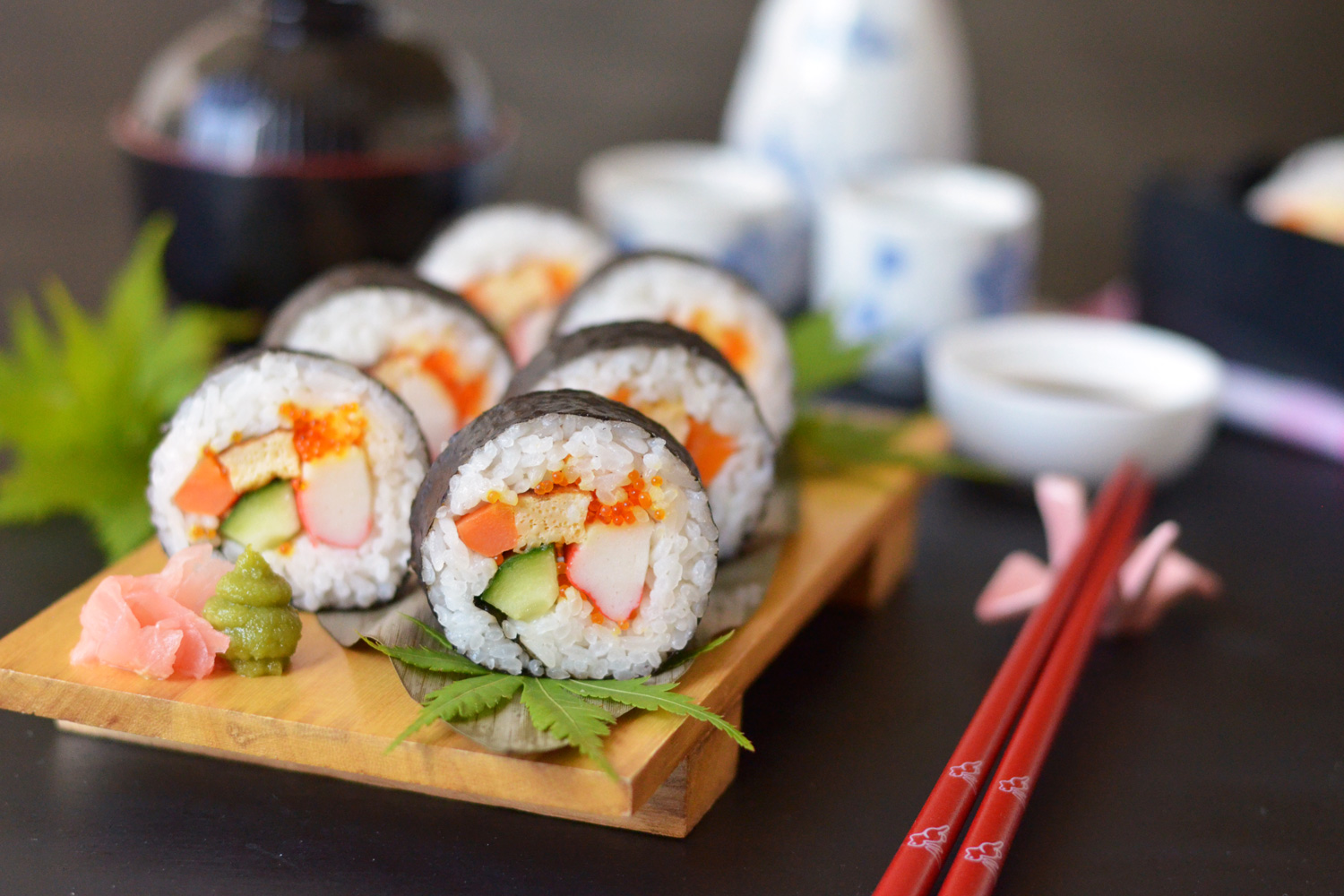
- Slicing the Roll: Remove the roll from the mat. Moisten your sharp knife blade with water and wipe it clean between each cut. Slice the roll in half, then line up the halves and cut them into 3 or 4 equal pieces, resulting in 6 or 8 pieces per roll. Clean cuts are essential for a professional look.
- Arranging on a Plate: Arrange your California Maki pieces artfully on a serving platter. A minimalist approach often works best, allowing the vibrant colors of the ingredients to shine.
- Accompaniments: Serve with small dishes of soy sauce for dipping, a dollop of pungent wasabi for a kick, and a delicate mound of pickled ginger to cleanse the palate between bites. These traditional accompaniments complete the sushi experience.
Beyond the Plate: California Maki and the Lifestyle of Travel
Making California Maki is more than just cooking; it’s an extension of a lifestyle that values exploration, culture, and memorable experiences—core tenets of our website. It intertwines with the desire to learn, grow, and bring the richness of travel into everyday life.
Culinary Classes and Cultural Immersion
The act of learning to make sushi can be a direct link to immersive travel experiences. Imagine signing up for a specialized cooking class during a trip to Japan, perhaps near the historic Tsukiji Market in Tokyo or in the cultural heart of Kyoto. Such classes offer more than just recipes; they provide insights into local culinary traditions, the philosophy behind the food, and the intricate details that make a dish truly authentic. Bringing those skills home to prepare a California Maki is a way of continuing that cultural immersion, sharing your newfound knowledge, and reliving travel memories. Many luxury resorts, from Four Seasons properties to Ritz-Carlton establishments, now offer guests exclusive cooking experiences, integrating local cuisine into their amenity offerings, further blurring the lines between accommodation and cultural activity.
Healthy Travel and Mindful Eating
The ingredients in a California Maki—fresh avocado, crisp cucumber, and lean crab sticks—make it a relatively healthy and refreshing meal. This aligns with a growing trend in lifestyle travel that focuses on wellness, mindful eating, and sustainable choices. Travelers are increasingly seeking destinations and activities that promote health, from spa retreats to farm-to-table dining experiences. Preparing your own maki allows you to control the freshness and quality of ingredients, catering to dietary preferences and ensuring a wholesome meal. It promotes a mindful approach to food, appreciating the effort and artistry that goes into each bite, much like appreciating the intricate details of a historical landmark.
Sustaining Memories Through Shared Food Experiences
Food has an extraordinary power to evoke memories and create connections. Sharing homemade California Maki with friends and family can become a cherished memory in itself. It’s an opportunity to tell stories of past travels, discuss future adventures, and bond over a delicious, handmade meal. This communal aspect of food is a significant part of the travel experience, whether it’s sharing tapas in Spain, street food in Thailand, or a homemade feast in your own dining room. The California Maki, with its accessible ingredients and enjoyable preparation process, becomes a catalyst for these shared moments, extending the joy of discovery and the spirit of wanderlust beyond the confines of a trip.
In conclusion, making California Maki Rolls is a culinary adventure that seamlessly weaves together the threads of food, travel, and lifestyle. From its innovative origins in Los Angeles to its global presence as a beloved fusion dish, it offers a tangible connection to diverse cultures and culinary evolutions. By mastering this seemingly simple roll, you not only gain a new skill but also open a door to deeper appreciation for the world’s cuisines, making every meal an opportunity for exploration and every bite a taste of travel. So, roll up your sleeves, gather your ingredients, and let your kitchen become the next exciting destination on your culinary journey.
LifeOutOfTheBox is a participant in the Amazon Services LLC Associates Program, an affiliate advertising program designed to provide a means for sites to earn advertising fees by advertising and linking to Amazon.com. Amazon, the Amazon logo, AmazonSupply, and the AmazonSupply logo are trademarks of Amazon.com, Inc. or its affiliates. As an Amazon Associate we earn affiliate commissions from qualifying purchases.