
New Orleans is a city unlike any other in the United States, a vibrant tapestry woven with rich history, soulful music, distinctive architecture, and unparalleled culinary traditions. Its magnetic charm draws millions of visitors each year, eager to immerse themselves in its unique Louisiana culture. From the historic streets of the French Quarter to the lively parades of Mardi Gras, NOLA offers an unforgettable experience. However, like many major tourist destinations, New Orleans occasionally faces questions regarding visitor safety. Understanding the reality of safety in the city, its specific challenges, and how to navigate them effectively is paramount for any traveler planning a trip.

This guide aims to provide a balanced perspective on safety in New Orleans, offering practical advice and insights to help you enjoy your visit with peace of mind. By being informed and taking sensible precautions, you can confidently explore its captivating landmarks, indulge in its world-renowned food, and soak in its inimitable atmosphere.
Understanding Safety in New Orleans
Addressing the question of safety in New Orleans requires a nuanced approach. While the city, like many urban centers, experiences its share of crime, it’s crucial for visitors to distinguish between general city-wide statistics and the actual risks faced in tourist-heavy areas. Perception often diverges from reality, and understanding the context is key.
Crime Statistics and Perceptions
New Orleans has, at times, grappled with high crime rates, particularly concerning violent crime. These statistics often make headlines and can naturally cause concern for potential visitors. However, it’s vital to recognize that the vast majority of serious criminal activity in New Orleans is concentrated in specific neighborhoods, often unrelated to the areas where tourists typically spend their time. The popular tourist zones, such as the French Quarter, Garden District, and Central Business District (CBD), are generally well-patrolled by law enforcement.
Petty crime, such as pickpocketing and purse snatching, is a more common concern in crowded tourist areas, especially along Bourbon Street or during major festivals like Mardi Gras or Jazz Fest. These types of incidents are preventable with basic street smarts and awareness. The perception of danger can also be amplified by sensationalized news or isolated incidents, overshadowing the overwhelmingly positive experiences of millions of visitors who travel safely through the city each year.
Factors Contributing to Safety Challenges
Several socio-economic factors contribute to the safety challenges in New Orleans, mirroring issues found in many historical port cities across the globe. High poverty rates, historical inequalities, and the aftermath of devastating events like Hurricane Katrina have created complex challenges that the city continues to address. These systemic issues can lead to increased property crime and, unfortunately, violent crime in certain communities.
The high volume of tourism also presents its own set of challenges. Large crowds, especially those consuming alcohol in areas like Bourbon Street, can sometimes be targets for opportunistic criminals. Additionally, the constant flow of visitors can strain local resources, including public safety. Understanding these underlying factors helps travelers approach their visit with an informed perspective, recognizing that while the city faces challenges, targeted efforts are continuously being made to ensure the safety of both residents and tourists in popular areas.
Navigating New Orleans Safely: Practical Tips for Travelers
Equipping yourself with practical knowledge and adopting a proactive approach to personal safety is the best way to enjoy New Orleans worry-free. From choosing your accommodation wisely to understanding local transportation, a few simple precautions can make a significant difference in your travel experience.
Choosing Safe Neighborhoods for Accommodation and Exploration
Selecting the right neighborhood for your accommodation and daily explorations is arguably the most crucial step in ensuring a safe trip to New Orleans. The city’s charm lies in its diverse districts, each with its own character and safety profile.
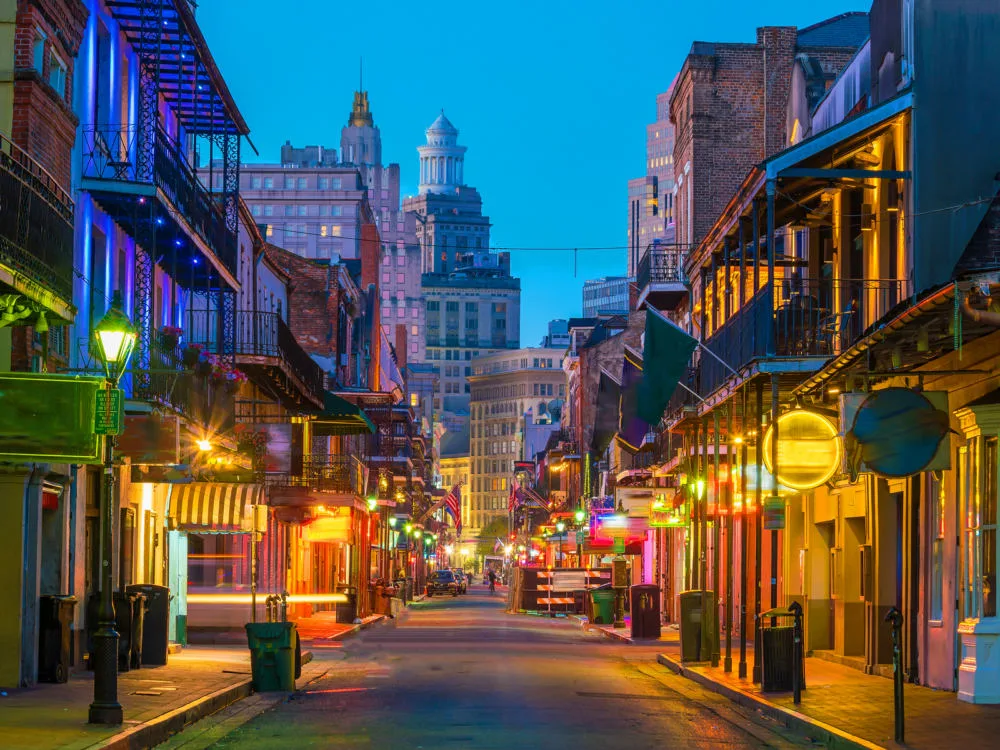
- French Quarter: As the historical heart of New Orleans, the French Quarter is heavily patrolled and generally safe during the day and evening, especially on well-lit main streets. However, its side streets can be quieter, and late nights on Bourbon Street require extra vigilance due to crowds and alcohol consumption.
- Garden District / Uptown: Known for its stunning mansions and oak-lined streets, the Garden District and surrounding Uptown area are considered very safe and offer a more serene experience. It’s an excellent choice for families or those seeking a quieter stay.
- Central Business District (CBD) / Warehouse District: These areas are bustling during the day with businesses and art galleries and offer many modern hotels. They are generally safe, particularly around attractions like the National WWII Museum and convention centers. Nightlife here is more sophisticated than the French Quarter.
- Marigny / Bywater: East of the French Quarter, these neighborhoods are popular for their live music venues (especially Frenchmen Street in the Marigny) and artistic vibe. While gentrifying, some areas can be less predictable, particularly after dark. Stick to well-trafficked streets and exercise caution.
- Neighborhoods to Approach with Caution: While rich in history and culture, areas like Treme and certain parts of the Ninth Ward, though experiencing revitalization, are generally not recommended for tourists to wander through alone, especially after dark, due to higher crime rates. Always research specific addresses and rely on reputable reviews when booking accommodation outside primary tourist zones.
Street Smarts and Personal Security Measures
Regardless of where you are in New Orleans, practicing basic street smarts is essential.
- Stay Aware of Your Surroundings: Avoid being distracted by your phone, especially when walking alone or at night. Pay attention to people around you.
- Protect Valuables: Keep wallets in front pockets, use cross-body bags that are difficult to snatch, and avoid displaying expensive jewelry or electronics. Leave unnecessary valuables in your hotel safe.
- Limit Alcohol Intake: Excessive drinking impairs judgment and makes you an easier target. Enjoy the local spirits responsibly.
- Travel in Groups at Night: When possible, explore New Orleans after dark with companions. If alone, stick to well-lit, populated areas.
- Be Skeptical of Strangers: While New Orleanians are famously friendly, be cautious of anyone who approaches you aggressively or tries to divert your attention.
- Use ATMs Wisely: Opt for ATMs inside banks or well-lit, secure locations, and be discreet when withdrawing cash.
- Don’t Resist Robbery: If confronted, your personal safety is paramount. Do not resist, and immediately report the incident to the police.
What to Do in an Emergency
Knowing what to do in an emergency can provide immense peace of mind.
- Dial 911: For any immediate threats, crimes in progress, or medical emergencies, call 911. This is the universal emergency number in the United States.
- Contact Your Hotel/Accommodation Provider: They can often assist with local directions, emergency services, or provide a safe haven if you feel lost or threatened.
- Travel Insurance: Consider purchasing travel insurance that covers emergency medical assistance, theft, and other unforeseen incidents. This offers financial protection and access to support services.
- Local Police Department (Non-Emergency): For non-emergency situations or to report a crime that has already occurred, you can contact the New Orleans Police Department’s non-emergency line, which can be found via a quick online search or by asking your hotel concierge.
Experiencing the Best of New Orleans While Staying Secure
The true magic of New Orleans lies in its unique blend of history, culture, and revelry. By incorporating safety consciousness into your travel plans, you can fully embrace all that the city has to offer, from iconic landmarks to vibrant festivals.
Top Attractions and How to Enjoy Them Safely
New Orleans boasts an incredible array of attractions that are generally safe to visit.
- Jackson Square and St. Louis Cathedral: These iconic landmarks in the heart of the French Quarter are bustling with artists, street performers, and tourists. They are very safe during the day. As evening approaches, while still popular, be mindful of your belongings in the crowds.
- Bourbon Street: Famous for its lively nightlife, Bourbon Street is an experience unique to New Orleans. It’s generally safe due to heavy police presence, especially during peak hours. However, the crowds and prevalence of alcohol make it a hotspot for petty theft and occasional altercations. Keep your wits about you, don’t leave drinks unattended, and avoid engaging with overly aggressive individuals.
- Museums and Galleries: Attractions like the National WWII Museum, the New Orleans Museum of Art in City Park, the Audubon Aquarium, and the Audubon Zoo are typically located in safe areas and provide secure, family-friendly environments.
- City Park and Audubon Park: These expansive urban parks offer beautiful green spaces, attractions, and recreational activities. They are generally safe for daytime visits. It’s advisable to avoid walking alone in secluded areas, especially at dusk or after dark.
- Cemetery Tours: Historic cemeteries, while fascinating, should always be visited with a guided tour, never alone. Some are in less-trafficked areas, making group tours a safer option.
Safe Transportation Options
Getting around New Orleans safely is straightforward with several reliable options.
- Walking: Many of New Orleans’ main attractions are walkable, especially within the French Quarter and between the French Quarter and the CBD. Stick to well-lit, busy streets, and be aware of your surroundings, particularly after dark. Avoid unlit alleyways.
- Streetcars: The historic New Orleans streetcar system (St. Charles, Canal Street, and Riverfront lines) is a charming and generally safe way to explore. It’s a great option for reaching the Garden District or City Park.
- Ride-Shares (Uber/Lyft) and Taxis: These services are widely available and are recommended for late-night travel, especially when leaving busy areas like the French Quarter or returning to your hotel from a restaurant or bar. Always confirm the driver and vehicle match the details in your app, and never get into an unmarked car that pulls over for you unless it’s a pre-booked taxi.
- Public Buses: While an option, public buses may not be the most intuitive for tourists and can sometimes traverse less safe neighborhoods. For most visitors, streetcars, ride-shares, or taxis are preferred.
Culture, Food, and Festivities with Peace of Mind
New Orleans thrives on its unique culture and calendar of events. Enjoying these safely involves a few considerations.
- Food Tours: Joining a food tour is an excellent way to sample local cuisine and explore neighborhoods like the French Quarter, Garden District, or Marigny with an expert guide. Guides not only lead you to the best eateries but also provide insights into the area’s safety.
- Live Music: New Orleans is the birthplace of jazz, and live music can be found everywhere from Bourbon Street to Frenchmen Street. These venues are typically safe, but always keep an eye on your drink and belongings in crowded spaces.
- Festivals (Mardi Gras, Jazz Fest, etc.): Attending a festival in New Orleans is an iconic experience. During these events, crowds are immense, and vigilance is key. Stay hydrated, agree on meeting points with your group, be aware of pickpockets, and never accept drinks from strangers. Follow official guidelines and crowd control instructions.
- Mississippi River Activities: Riverboat cruises are a popular and very safe way to see the city from a different perspective. Stick to official tour operators for any water-based activities.
Choosing the Right Accommodation for Peace of Mind
Your choice of accommodation plays a significant role in your overall safety and comfort in New Orleans. Researching and selecting a secure, well-located place to stay is a cornerstone of a worry-free trip.
Hotels and Resorts: Security Features and Location
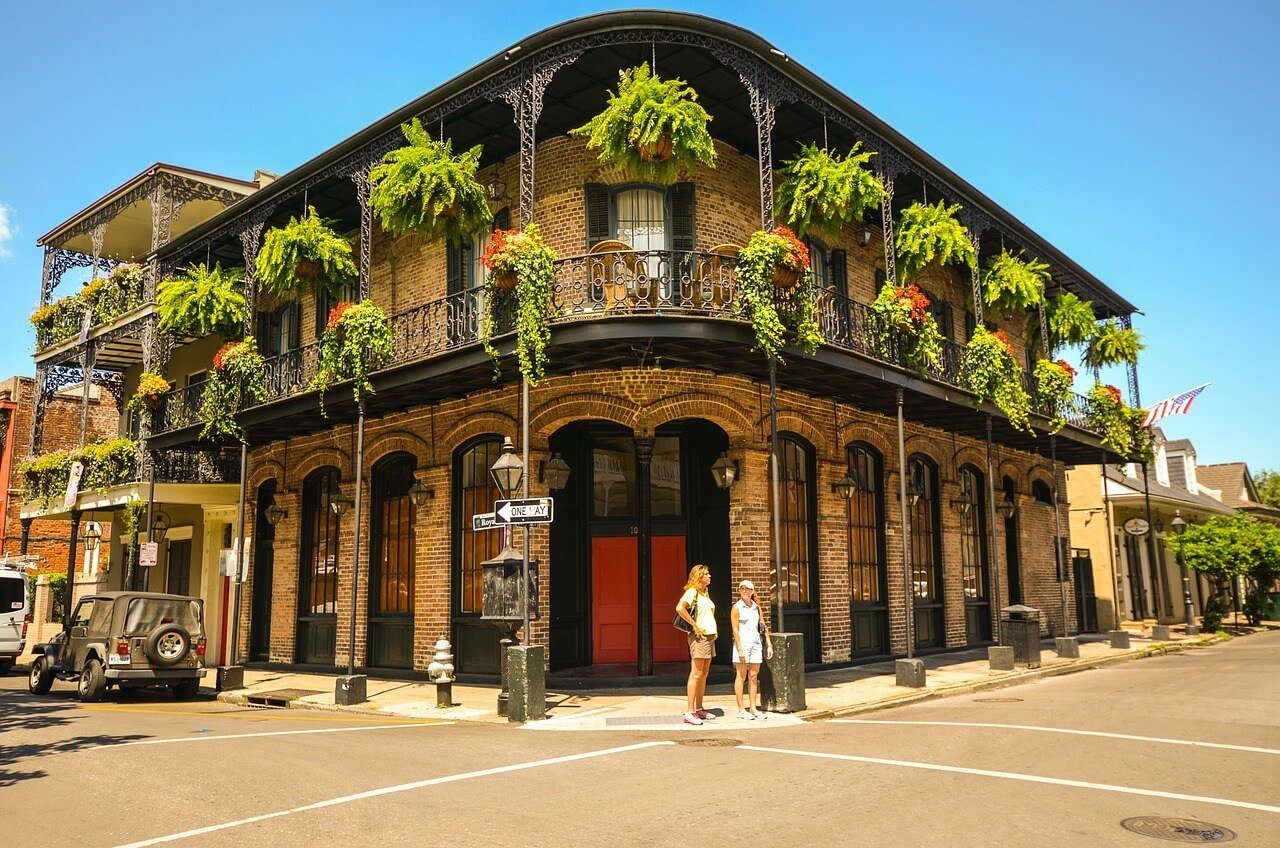
New Orleans offers a wide range of hotels and resorts, from luxurious high-rises in the CBD to charming boutique hotels in the French Quarter and Garden District. When booking, prioritize locations within the generally safer tourist-friendly neighborhoods mentioned earlier.
Look for hotels that offer:
- 24/7 Front Desk/Security: A constant presence ensures there’s always someone to assist you and monitor who enters and exits the building.
- Secure Access: Key card access for elevators and rooms, ensuring only guests can reach accommodations.
- Well-lit Public Areas and Parking: Good lighting deters crime. If driving, inquire about secure parking options.
- In-room Safes: For securing valuables like passports, cash, and electronics.
- Positive Safety Reviews: Check recent guest reviews for any mentions of security concerns or issues.
Luxury hotels often come with enhanced security measures and concierge services that can provide valuable local safety advice. Even budget-friendly hotels in prime locations can offer adequate security if you do your research. The key is to balance cost with location and reported safety features.
Vacation Rentals and Long-Term Stays: Vetting and Neighborhood Research
Vacation rentals (apartments, villas) or considering long-term stays can offer a more authentic local experience, but they require additional due diligence regarding safety.
- Vetting the Property and Host:
- Read Reviews Carefully: Pay close attention to reviews that mention the safety of the neighborhood, the building’s security (locks, lighting), and the responsiveness of the host to any issues.
- Communicate with the Host: Ask specific questions about the neighborhood, local transportation, and security features of the property. A responsive and transparent host is a good sign.
- Check Listing Accuracy: Ensure the photos and description accurately reflect the property and its surroundings.
- Neighborhood Research:
- Use Online Maps: Use street view features on mapping apps to visually inspect the area around the rental. Look for well-maintained properties, good lighting, and signs of activity.
- Cross-Reference with Local Safety Information: Search online for news or community forums related to the specific street or block of your potential rental.
- Proximity to Amenities and Transit: A rental close to public transit stops (like a streetcar line) or within a short walk of restaurants and shops can minimize late-night walks through quiet areas.
- For Long-Term Stays: If you plan an extended visit, consider spending your first few nights in a hotel while you thoroughly scout potential long-term rental neighborhoods in person. This allows you to get a real feel for the area at different times of day and night before committing. Familiarizing yourself with local emergency services and community resources is also beneficial for extended visits.
In conclusion, while New Orleans has its challenges, it is fundamentally a city that warmly welcomes tourists, with its most visited areas generally safe and well-monitored. By understanding the local landscape, exercising common sense, and taking proactive steps in planning your travel and accommodation, you can mitigate risks and fully immerse yourself in the magic of this unforgettable destination. New Orleans is a place where responsible travel is rewarded with unparalleled experiences, vibrant culture, and cherished memories.
LifeOutOfTheBox is a participant in the Amazon Services LLC Associates Program, an affiliate advertising program designed to provide a means for sites to earn advertising fees by advertising and linking to Amazon.com. Amazon, the Amazon logo, AmazonSupply, and the AmazonSupply logo are trademarks of Amazon.com, Inc. or its affiliates. As an Amazon Associate we earn affiliate commissions from qualifying purchases.