
In the dynamic world of modern travel, online travel agencies (OTAs) have become indispensable tools for planning and booking accommodations. Among them, Booking.com stands out as a colossal presence, offering an astounding array of hotels, apartments, resorts, and villas across virtually every corner of the globe. For many travelers, it’s the first port of call when searching for a place to stay, whether for a quick business trip to London, a luxurious escape to the Maldives, or a budget-friendly hostel in Prague. But beneath the surface of extensive listings and competitive pricing, a fundamental question often arises: Is Booking.com truly reliable for hotels?
The answer, like most things in travel, isn’t a simple yes or no. Booking.com’s reliability is a complex mosaic shaped by its vast network, its operational model, its policies, and crucially, the experiences of millions of users worldwide. This comprehensive guide delves into the facets that define Booking.com’s reliability, exploring its strengths, its potential weaknesses, and offering practical insights for travelers seeking seamless and secure accommodation bookings.
Understanding Booking.com’s Ecosystem and Strengths
At its core, Booking.com operates as an intermediary, connecting travelers directly with properties. Unlike some other OTAs that might purchase blocks of rooms, Booking.com primarily facilitates reservations, with contracts often placing the responsibility for room availability and service quality squarely on the property itself. This model has significant implications for both its advantages and its challenges.
Extensive Global Reach and Diverse Accommodation Options
One of Booking.com’s most undeniable strengths, and a cornerstone of its perceived reliability, is its sheer scale. With millions of listings in countless destinations, from bustling metropolises like New York City and Tokyo to serene villages in the Swiss Alps, the platform offers unparalleled choice. Whether you’re searching for a five-star suite in Dubai, a quaint bed and breakfast in rural Italy, a spacious apartment for a family trip to Orlando, or a chic villa for a long-term stay in Bali, you’re likely to find it on Booking.com.
This extensive inventory covers virtually every type of accommodation imaginable:
- Hotels: Ranging from budget-friendly options to luxurious establishments under major chains like Hilton and Marriott.
- Resorts: All-inclusive properties in popular tourist destinations like the Caribbean or Mexico’s Riviera Maya.
- Apartments and Villas: Ideal for longer stays, group travel, or those seeking self-catering options, often providing a more local culture experience.
- Hostels and Guesthouses: Perfect for budget travel and meeting fellow adventurers.
The sheer volume means that travelers have a high probability of finding something that fits their specific needs, budget, and travel lifestyle, whether it’s for a business stay, a romantic getaway, or an adventurous exploration of local attractions.
The Power of User-Generated Reviews
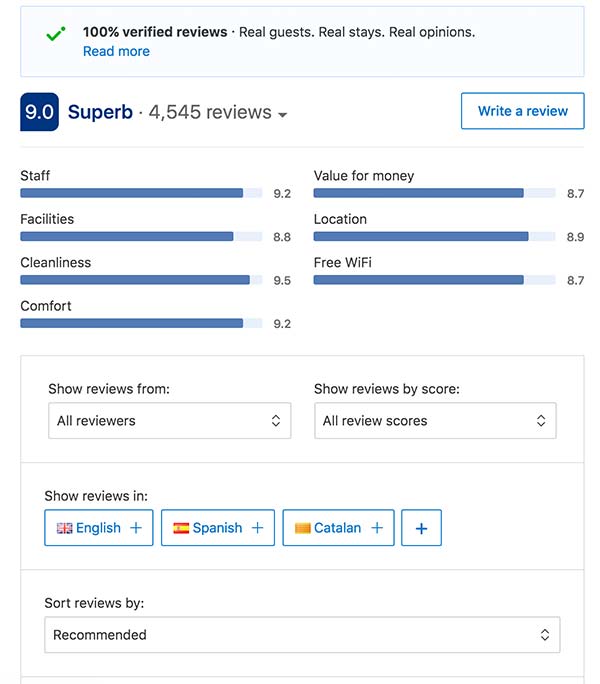
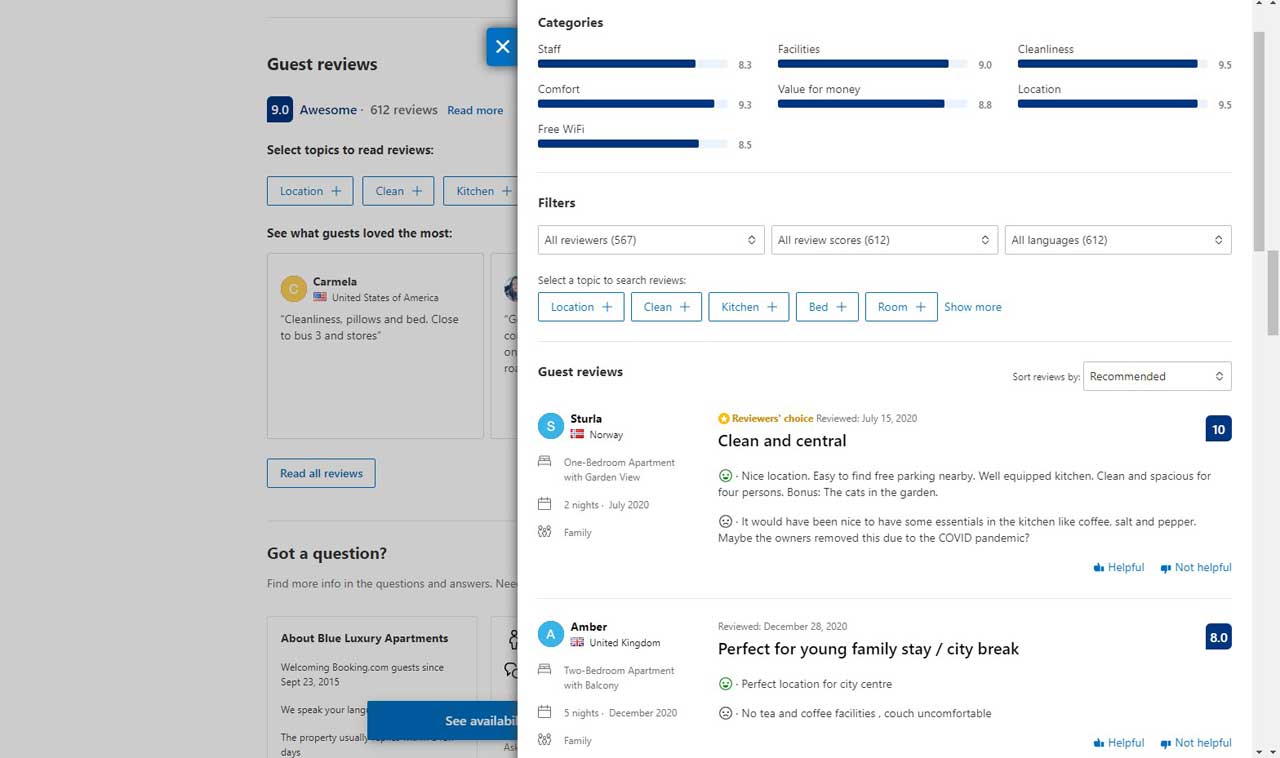
Perhaps the most significant factor contributing to Booking.com’s reliability is its robust review system. Only guests who have actually completed a stay booked through the platform can leave reviews. This policy helps to ensure the authenticity and credibility of feedback, giving future travelers a realistic glimpse into what to expect. Each review provides a rating across various categories (staff, facilities, cleanliness, comfort, value for money, location) and often includes detailed comments, photos, and tips.
For those planning a trip, these reviews are goldmines of information. They offer insights into:
- Accuracy of listings: Do the photos truly reflect the room? Are the amenities as described?
- Service quality: How responsive and helpful is the staff?
- Cleanliness standards: A crucial factor for any traveler.
- Location specifics: Proximity to landmarks like the Eiffel Tower in Paris or local transport hubs.
- Hidden gems and potential pitfalls: Other travelers often point out the best local food spots or alert you to noisy rooms.
By diligently reading recent reviews, travelers can make informed decisions, significantly enhancing the reliability of their booking experience and mitigating potential disappointments. This commitment to transparency empowers users to gauge the true quality of a property beyond its marketing material.
Flexible Booking Options and Price Guarantees
Booking.com has long championed flexible booking options, which are a strong indicator of reliability and customer focus. Many properties offer “free cancellation” up to a certain point, providing peace of mind, especially in an unpredictable travel landscape. This flexibility is invaluable for travelers whose plans might change or who want to lock in a price while still exploring other options.
The platform also often features “Best Price Guarantees,” promising to match lower prices found elsewhere under specific conditions. While these guarantees come with fine print, their existence underscores Booking.com’s commitment to competitive pricing. Furthermore, the Genius loyalty program offers additional discounts, free upgrades, and other perks for frequent users, making the platform even more attractive for regular travelers and contributing to a more reliable experience over time.
Navigating Potential Pitfalls and Enhancing Your Booking Reliability
Despite its many strengths, Booking.com is not without its challenges. Because it relies heavily on individual properties to fulfill bookings and maintain standards, issues can sometimes arise. Understanding these potential pitfalls and knowing how to navigate them is key to a truly reliable experience.
Discrepancies Between Listings and Reality
One of the most common complaints across OTAs, including Booking.com, relates to properties not living up to their online descriptions or photos. This could manifest as:
- Outdated images: Photos that no longer reflect the current state of a renovated or worn-down property.
- Misleading descriptions: Exaggerated claims about amenities, room size, or views. For instance, a “sea view” room might offer only a partial glimpse of the ocean from a cramped balcony.
- Hidden costs: Taxes, resort fees, or local tourism levies that aren’t clearly stated upfront, though Booking.com has improved significantly in displaying these.
Mitigation Strategy: Always cross-reference. Check multiple recent reviews for consistency in feedback regarding accuracy. Look at traveler-submitted photos, which are often more candid than professional marketing shots. If booking a specific room type, consider calling the hotel directly to confirm details, especially for crucial aspects like bed configuration or accessibility needs. For luxury travel, meticulously review all details, perhaps for a stay at the Burj Al Arab Jumeirah in Dubai or The Plaza Hotel in New York City.
Booking Errors and Cancellations
While rare, errors can occur, either on the platform’s side or the property’s. These might include:
- Overbooking: The property inadvertently booking more rooms than available, leading to a last-minute relocation or cancellation.
- Incorrect pricing: A glitch leading to an unusually low price that the property later refuses to honor.
- Property closure: An establishment ceasing operations without updating its Booking.com listing.
Mitigation Strategy: After booking, always receive and save your confirmation email. Consider contacting the property directly a few days before your arrival to reconfirm your reservation. This simple step can flag potential issues early, giving you time to resolve them with Booking.com’s customer service. For critical trips, especially during peak seasons in popular destinations like Santorini or Kyoto, double-checking is particularly prudent.
Customer Support Challenges
While Booking.com offers 24/7 customer support, the quality and speed of resolution can sometimes vary. In situations where issues arise during a trip – such as a problem with a check-in or a significant discrepancy with the booked room – reaching an effective resolution can be frustrating, especially when language barriers or time zone differences come into play.
Mitigation Strategy: For urgent issues, try multiple channels: phone, chat, and email. Have all your booking details readily available, including confirmation numbers and screenshots of the listing if there’s a discrepancy. Be clear and concise in explaining the problem. In many cases, contacting the property directly first can be quicker, as they often have the immediate power to resolve on-site issues. If the property is unresponsive, then escalate to Booking.com support.
Maximizing Your Booking.com Experience for Ultimate Reliability
To truly leverage Booking.com’s potential for reliable hotel bookings, a proactive and informed approach is essential. It’s not just about finding a room; it’s about securing the right room for your travel needs and ensuring a smooth experience from search to check-out.
Strategic Use of Filters and Map Features
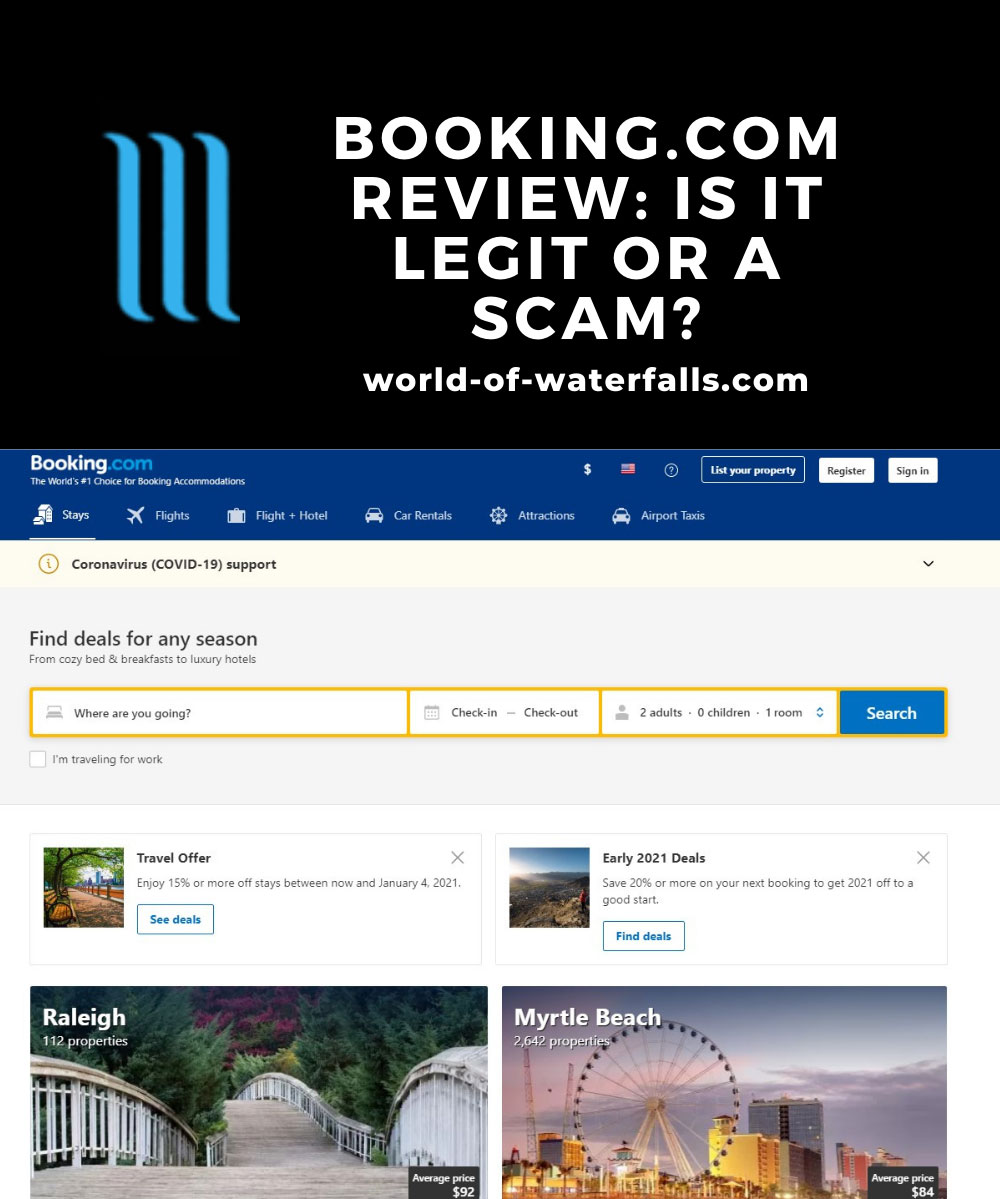
Booking.com’s powerful search filters are your best friends. Don’t just search by destination and dates. Dive into the filters to refine your search based on:
- Property Type: Hotel, apartment, resort, guesthouse, villa.
- Amenities: Free Wi-Fi, swimming pool, pet-friendly, parking, air conditioning – critical for comfort, especially in hot climates like Thailand.
- Star Rating: Align with your expectations for luxury travel or budget constraints.
- Guest Review Score: Prioritize properties with consistently high ratings (8.0+ or 9.0+).
- Price Range: To stay within your budget.
- Specific Facilities: Family rooms, business facilities, spa, fitness center.
The map feature is equally invaluable, allowing you to visualize properties in relation to specific attractions (e.g., Colosseum in Rome), transport links, or areas known for local culture and food. For a business stay, proximity to convention centers or financial districts is key. For a family trip to Walt Disney World in Orlando, you’d want a hotel nearby. This geographical context prevents booking a seemingly great deal that turns out to be inconveniently located.
Reading Between the Lines of Reviews
While reviews are vital, knowing how to interpret them enhances their reliability.
- Recency: Prioritize recent reviews. A property can change hands or undergo significant renovations (or deterioration) quickly.
- Balance: Look for a balance of positive and negative points. An overly perfect score with generic comments might be suspicious.
- Specifics: Pay attention to comments that mention specific room numbers, staff names, or unique features/flaws. Generic “great stay” is less helpful than “room 405 had a fantastic view but the shower pressure was weak.”
- Management Responses: How does the property respond to negative feedback? A professional, problem-solving response indicates good customer service.
- Repeat Issues: If multiple reviews mention the same problem (e.g., noisy rooms, slow Wi-Fi, construction nearby), it’s likely a consistent issue.
Remember that cultural expectations can vary. What one traveler considers a minor inconvenience, another might deem a major flaw. Adjust your interpretation based on your own travel style and priorities.
Understanding Payment Policies and Price Volatility
Booking.com offers various payment models: pay at the property, pay upfront, or a combination. Always confirm the exact payment policy for your chosen room. Be aware of currency conversions if booking internationally. For hotels, taxes and additional fees (like city taxes or resort fees, common in places like Las Vegas at resorts like The Venetian Resort or Bellagio) might be added at check-out, so scrutinize the “price breakdown” carefully.
Hotel prices on Booking.com can be highly volatile, fluctuating based on demand, seasonality, and even the time of day you search. If you find a good deal with free cancellation, it can be wise to book it, then continue monitoring prices. If a better deal emerges, you can cancel and rebook. However, always double-check the cancellation policy for any fees or deadlines before doing so.
Conclusion: A Reliable Tool, When Used Wisely
So, is Booking.com reliable for hotels? Fundamentally, yes, it is a highly reliable platform for finding and booking accommodations worldwide. Its extensive inventory, user-driven review system, and flexible booking options make it an invaluable resource for all types of travelers, from those planning a backpacking adventure to Southeast Asia to families seeking a comfortable resort in Spain.
However, its reliability is significantly enhanced by how travelers engage with the platform. It’s a tool, and like any powerful tool, its effectiveness depends on the user’s skill and diligence. By leveraging its filters, meticulously reading reviews, understanding booking policies, and knowing how to address potential issues, you can navigate the vast world of online accommodation with confidence.
Ultimately, Booking.com provides the framework for a reliable booking experience. The onus is on the traveler to conduct due diligence, compare options, and manage expectations. When used wisely, Booking.com remains a premier choice for securing hotels and a gateway to memorable travel experiences, from exploring historic landmarks like the Great Wall of China to enjoying the vibrant local culture of Rio de Janeiro.
LifeOutOfTheBox is a participant in the Amazon Services LLC Associates Program, an affiliate advertising program designed to provide a means for sites to earn advertising fees by advertising and linking to Amazon.com. Amazon, the Amazon logo, AmazonSupply, and the AmazonSupply logo are trademarks of Amazon.com, Inc. or its affiliates. As an Amazon Associate we earn affiliate commissions from qualifying purchases.