
Embarking on a career in real estate in California opens up a world of dynamic opportunities, particularly in a state renowned for its diverse landscapes, vibrant economies, and coveted lifestyles. From the sun-drenched beaches of San Diego to the tech-driven corridors of Silicon Valley and the iconic entertainment hubs of Los Angeles, California offers an unparalleled market for property professionals. This isn’t just about facilitating property transactions; it’s about helping individuals and families find their dream homes, assisting investors in securing valuable assets in prime travel destinations, and enabling a wide array of accommodation solutions, from luxury villas to bustling resorts. For those with a passion for connecting people with places and a keen eye for market trends, obtaining a real estate license in the Golden State can be the gateway to a truly rewarding professional journey, one that intertwines deeply with the state’s allure as a global tourism hotspot.
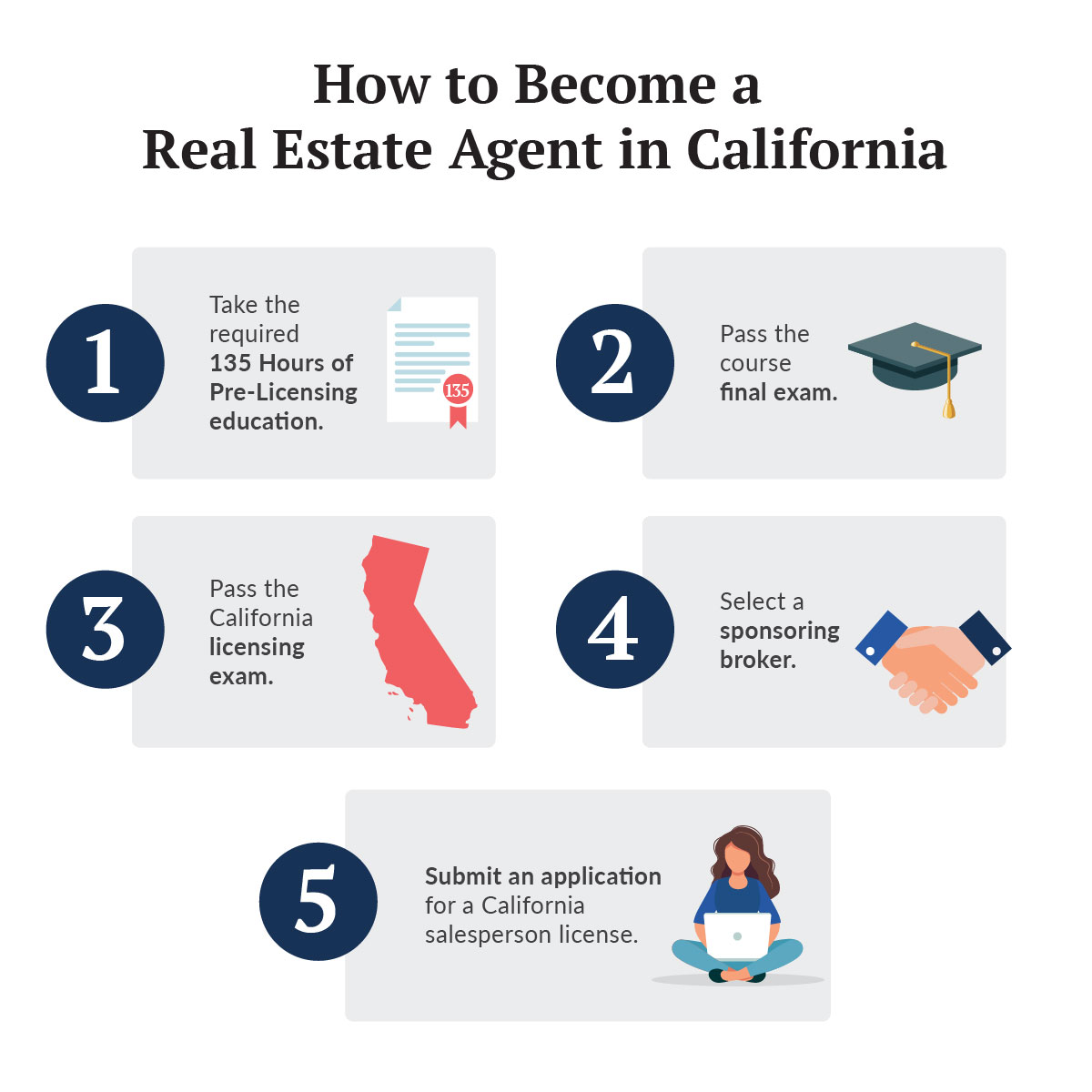
The path to becoming a licensed real estate agent in California is structured yet accessible, designed to ensure that all practitioners are well-versed in legal, ethical, and practical aspects of the industry. This comprehensive guide will walk you through each step, offering insights into the requirements, educational commitments, and application procedures mandated by the California Department of Real Estate (DRE). Prepare to navigate the exciting journey that could redefine your career and allow you to become an integral part of California‘s thriving property landscape.
Understanding the California Real Estate Landscape
Before diving into the specifics of licensing, it’s crucial to appreciate the unique environment in which California real estate agents operate. The state’s appeal extends beyond its natural beauty and landmarks; it’s a magnet for diverse populations, businesses, and investors, all contributing to a dynamic property market.
Why California? A Land of Opportunity and Diverse Lifestyles
California is not merely a state; it’s a tapestry of distinct regions, each offering unique lifestyles and real estate opportunities. From the opulent estates overlooking the Pacific Ocean in Malibu to the bustling urban apartments of San Francisco and the serene desert retreats near Palm Springs, the variety is immense. This geographical and cultural diversity translates into a robust market for real estate professionals. Agents in California often work with clients seeking vacation homes, investment properties tied to the booming tourism industry, or primary residences in areas known for their specific attractions, whether it’s proximity to Disneyland in Anaheim or the world-class wineries of Napa Valley.
The state’s role as a global economic powerhouse further amplifies its real estate market. Tech giants, entertainment studios, and agricultural leaders all call California home, drawing in a continuous stream of residents and businesses. This consistent demand, coupled with the state’s desirable climate and cultural richness, makes real estate here not just a job, but a career immersed in the very fabric of California’s appealing narrative. Understanding local culture, appreciating the unique character of different destinations, and being able to guide clients through the vast array of options for both short-term stays and long-term accommodation are invaluable assets for any aspiring agent.
The Role of the California Department of Real Estate (DRE)
The California Department of Real Estate (DRE) is the governing body responsible for licensing and regulating real estate professionals in the state. Its mission is to protect the public and ensure that real estate transactions are conducted ethically and competently. All aspects of obtaining and maintaining a real estate license, from educational requirements to examination procedures and ongoing compliance, fall under the purview of the DRE. This regulatory framework is critical for maintaining consumer confidence and upholding professional standards within the industry, ensuring that a California real estate license is a mark of genuine qualification and trustworthiness.
The Core Requirements: Eligibility and Education
The journey to becoming a real estate agent begins with meeting fundamental eligibility criteria and completing a set curriculum designed to equip you with essential industry knowledge.
Who Can Apply? Basic Prerequisites
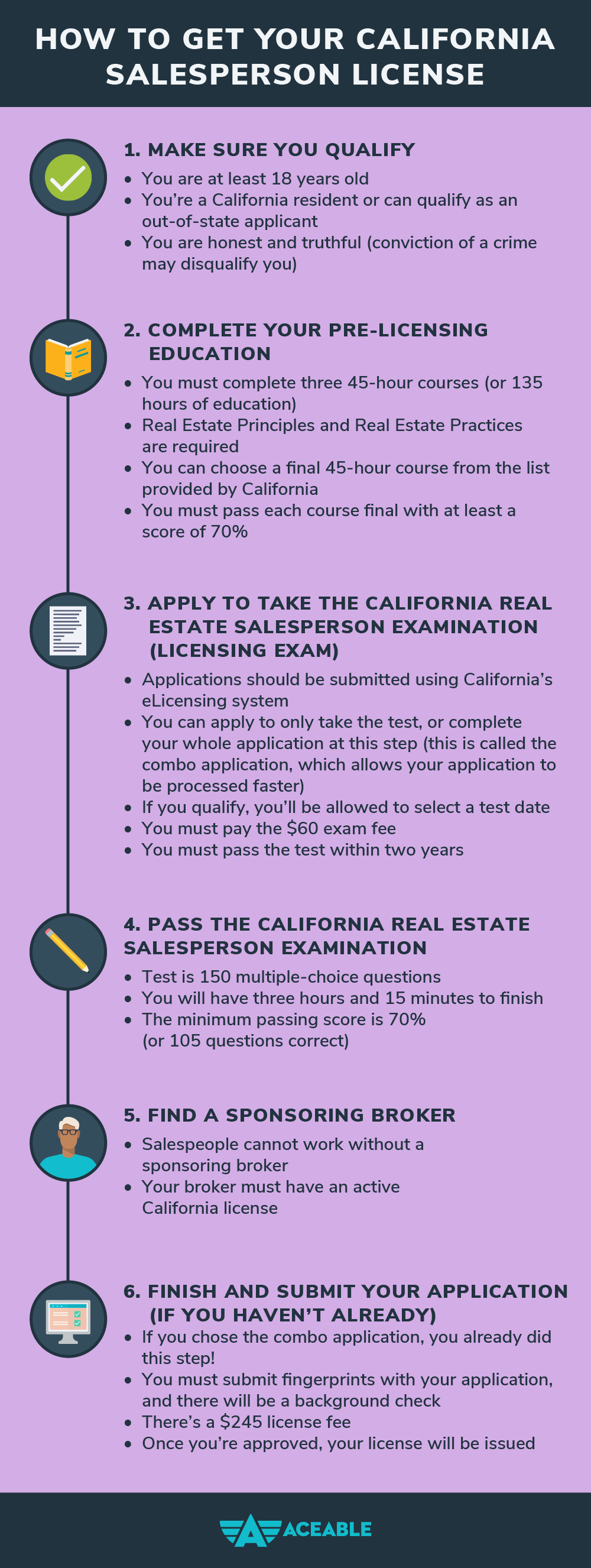
To be eligible for a real estate salesperson license in California, you must meet the following basic requirements:
- Age: You must be at least 18 years old. There is no maximum age limit, making this a viable career path for individuals at various stages of life.
- Residency: While you don’t need to be a California resident to apply, you must be legally present in the United States. However, being familiar with California’s diverse regions, cities, and local nuances undoubtedly provides an advantage, particularly when advising clients on the best neighborhoods for their specific lifestyles or investment goals.
- Honesty and Integrity: The DRE requires applicants to demonstrate honesty and truthfulness. This typically involves a background check (via fingerprinting), which will reveal any past criminal convictions or disciplinary actions. While a criminal record doesn’t automatically disqualify an applicant, the DRE will review each case individually, considering the nature of the offense and how much time has passed since it occurred. Transparency is key during the application process.
Embarking on Your Educational Journey
The educational component is perhaps the most significant initial hurdle. California mandates the completion of three specific college-level courses, each consisting of 45 hours of instruction (totalling 135 hours). These courses can be taken through an accredited college or a DRE-approved real estate school, many of which offer online learning options, providing flexibility for those balancing work or other commitments.
The required courses are:
- Real Estate Principles: This foundational course introduces you to the basic concepts of real estate, including property ownership, types of estates, deeds, encumbrances, contracts, agency relationships, and financing. It lays the groundwork for understanding the legal and practical framework of property transactions. Think of it as learning the geography of the real estate world – understanding the different types of land, the boundaries, and how people navigate them.
- Real Estate Practice: Building on the principles, this course delves into the practical aspects of working as a real estate agent. It covers topics such as listing agreements, purchase agreements, marketing and advertising properties (which, in California, often involves showcasing properties near popular attractions or within sought-after destinations), escrow and closing procedures, and ethical considerations. This course is crucial for understanding the day-to-day operations and client interactions that are central to a successful career.
- One Elective Course: For your third course, you can choose from a list of DRE-approved electives. Popular choices include:
- Real Estate Finance: Focuses on mortgage lending, loan types, and the financial aspects of real estate transactions. This is vital given the varied property values across California.
- Real Estate Appraisal: Teaches you how to estimate property values, a critical skill for both agents and their clients, whether they are buying a primary home or an investment property, perhaps a hotel or a resort.
- Real Estate Economics: Explores market trends, supply and demand, and the economic factors influencing property values, which is particularly relevant in California’s constantly evolving market.
- Legal Aspects of Real Estate: Provides a deeper dive into real estate law, including specific California statutes and regulations.
- Property Management: Useful if you plan to assist clients with investment properties or managing rental accommodations.
Upon successful completion of these courses, you will receive certificates that must be submitted with your license application. Many schools offer bundled packages for these courses, making it convenient to fulfill the educational requirements.

Navigating the Application and Examination Process
With your education complete, the next phase involves formally applying to the DRE and successfully passing the state examination.
Submitting Your Application and Fingerprints
After completing your 135 hours of coursework, you’ll need to submit your salesperson exam application to the DRE. This application includes:
- Application Form: The official application, available on the DRE website.
- Course Certificates: Proof of completion for your three required courses.
- Fees: Payment for the application and examination.
- Live Scan Fingerprinting: This is a crucial step for the mandatory background check. You’ll receive specific instructions and a form from the DRE to take to an authorized Live Scan service provider. The results of the fingerprint check are sent directly to the DRE. It’s advisable to complete the Live Scan as early as possible, as processing times can vary.
You have the option to apply for the exam and license concurrently, which is often recommended to expedite the process once you pass the exam.
Conquering the State Exam
The California real estate salesperson exam is a rigorous test designed to ensure you possess a comprehensive understanding of real estate principles, practices, and laws.
- Exam Structure: The exam consists of 150 multiple-choice questions and has a time limit of 3 hours and 15 minutes. It covers a broad range of topics, including:
- Property Ownership and Land Use Controls and Regulations
- Laws of Agency and Fiduciary Duties
- Valuation and Market Analysis
- Financing
- Property Disclosures
- Contracts
- Transfer of Property
- Practice of Real Estate and Disclosures (including environmental concerns, which are particularly relevant in a state with diverse ecosystems like California)
- Real Estate Math
- Passing Score: You need to answer at least 70% of the questions correctly to pass.
- Location: The exam is administered at various testing centers across California, including major cities like Sacramento, Oakland, Fresno, Los Angeles, and San Diego. You will schedule your exam date and location once your application has been processed and approved.
- Preparation is Key: Success on the exam largely depends on thorough preparation. Beyond your coursework, consider using supplementary study guides, practice exams, and online review courses. Familiarizing yourself with the format and types of questions will significantly boost your confidence. Many successful candidates attest that dedicating several weeks to intensive review after completing their courses is crucial.
Upon passing the exam, congratulations! You are well on your way to becoming a licensed real estate professional. If you applied for the license concurrently with the exam, and your background check is clear, the DRE will typically issue your license within a few days or weeks. If you only applied for the exam, you’ll then need to submit a separate application for the license.
Beyond the License: Launching Your Real Estate Career
Obtaining your license is a monumental achievement, but it’s just the beginning. The next steps involve aligning with a brokerage and committing to continuous professional development to thrive in California’s competitive market.
Finding Your Brokerage Home
Once licensed, you cannot operate independently as a salesperson. You must be employed by a licensed real estate broker. Choosing the right brokerage is a critical decision that can profoundly impact your early career. Consider factors such as:
- Training and Mentorship: Many brokerages, especially larger ones, offer comprehensive training programs, mentorship opportunities, and ongoing support for new agents. This is invaluable for learning the ropes, understanding local market nuances, and developing practical skills.
- Company Culture and Support: Look for a brokerage whose culture aligns with your values. Some firms offer more independence, while others provide a highly structured team environment. Consider the administrative support, marketing resources, and technology tools available.
- Commission Splits and Fees: Understand the commission structure and any associated fees or monthly dues. While tempting to focus solely on high commission splits, remember that the support, training, and lead generation provided by a brokerage can often outweigh a slightly lower split.
- Niche Markets: Some brokerages specialize in particular market segments, such as luxury homes, commercial properties, vacation rentals, or properties in specific cities like Santa Monica or Palo Alto. If you have a specific interest, aligning with such a firm can provide a strong start. This could also tie into the tourism industry, working with clients interested in properties suitable for short-term rentals or boutique hotels.
Interviewing with several brokers is highly recommended to find the best fit for your aspirations and personality.
Continuous Learning and Professional Growth
The real estate market in California is constantly evolving, influenced by economic shifts, technological advancements, and changing lifestyles and travel trends. Therefore, continuous learning is not just a requirement for license renewal (which typically involves 45 hours of approved continuing education every four years), but a necessity for staying competitive and effective.
- Market Specialization: Consider specializing in areas like investment properties, first-time homebuyers, luxury real estate, or specific geographical destinations. Deep expertise in a niche can help you stand out. For example, becoming an expert in wine country properties, including vineyards and estates near Sonoma and Napa Valley, can attract a specific clientele.
- Networking: Building a strong network with other agents, lenders, inspectors, and contractors is vital for referrals and support. Attend industry events and join local real estate associations.
- Technology Adoption: Embrace new technologies, from virtual tours and online marketing platforms to customer relationship management (CRM) systems.
- Understanding Global Trends: Given California’s international appeal, understanding how global economic and travel trends impact local markets can be a significant advantage. Many clients might be relocating from other countries, seeking investment opportunities, or looking for secondary residences that double as vacation homes in desirable locations. This often includes looking at properties that can function as short-term rentals, providing additional income, much like running a mini-hotel or boutique accommodation.
Obtaining a real estate license in California is an investment in your future, opening doors to a profession that is both challenging and incredibly rewarding. By diligently following the educational and application requirements, preparing thoroughly for the state exam, and strategically launching your career with the right support, you can establish a thriving practice in one of the world’s most dynamic and desirable real estate markets. The journey demands dedication and perseverance, but the opportunity to shape lifestyles, facilitate dreams, and contribute to the vibrant tapestry of California’s communities makes it an endeavor truly worth pursuing.
LifeOutOfTheBox is a participant in the Amazon Services LLC Associates Program, an affiliate advertising program designed to provide a means for sites to earn advertising fees by advertising and linking to Amazon.com. Amazon, the Amazon logo, AmazonSupply, and the AmazonSupply logo are trademarks of Amazon.com, Inc. or its affiliates. As an Amazon Associate we earn affiliate commissions from qualifying purchases.