
Navigating the vibrant landscapes and bustling cities of California offers an unparalleled adventure. From the sun-drenched beaches of Santa Monica to the towering redwoods of the north, and from the glittering lights of Los Angeles to the iconic Golden Gate Bridge in San Francisco, the Golden State beckons with endless possibilities. While public transport options exist in major metropolitan areas, having your own vehicle, and more importantly, a valid California driver’s license, is truly the key to unlocking the full spectrum of experiences this state has to offer. Whether you’re planning an extended stay, considering a permanent move, or simply want the freedom to explore beyond typical tourist routes, understanding the process of obtaining a California driver’s license is fundamental.

This guide is designed for both new residents establishing their lives here and long-term visitors who realize the convenience and necessity of local identification and driving privileges. It delves into the specific requirements, the step-by-step application process, and offers practical advice to ensure a smooth journey from aspiring driver to licensed motorist. With a California driver’s license in hand, you’re not just gaining a form of identification; you’re securing a passport to unparalleled road trips along the Pacific Coast Highway, spontaneous weekend getaways to Napa Valley, or immersive cultural explorations in smaller, charming towns. Let’s begin your journey to becoming a licensed driver in one of the world’s most captivating destinations.
Understanding Eligibility and Key Requirements
Before you even think about setting foot in a Department of Motor Vehicles (DMV) office, it’s crucial to understand who is eligible for a California driver’s license and what foundational documents you’ll need to gather. This initial preparation will save you significant time and potential frustration.
Who Needs a California Driver’s License?
The rules regarding who needs a California driver’s license can sometimes be a bit nuanced, especially for those new to the state. Generally, if you establish residency in California, you are required to obtain a California driver’s license within 10 days of doing so. Establishing residency often means:
- Voting in a California election.
- Paying resident tuition at a public university or college.
- Filing for a homeowner’s property tax exemption.
- Receiving any privilege or benefit not ordinarily extended to non-residents.
- Having a place of abode in California.
For Visitors and Tourists: If you are merely visiting California and hold a valid driver’s license from another state or country, you can typically drive in California for up to your license’s expiration date, or for up to one year, whichever comes first. However, if you plan an extended stay beyond a year, or if your intentions shift towards becoming a resident, then obtaining a California license becomes essential. This is particularly relevant for those on long-term work assignments, students enrolled in California universities, or individuals exploring long-term accommodation options like apartment rentals or buying property, indicating a lifestyle change.
Essential Documents for Your Application
The DMV requires a specific set of documents to verify your identity, residency, and legal presence. It is highly recommended to gather all these items before your DMV appointment. This list applies to both the standard license and the Real ID, though the Real ID requires additional documentation for proof of identity.
- Proof of Identity: You’ll need one document proving your identity. Common examples include a U.S. birth certificate, U.S. passport, foreign passport with a valid I-94, permanent resident card, or employment authorization document. The document must be original or a certified copy.
- Proof of Social Security Number (SSN): Your original Social Security card, W-2 form, or a pay stub with your full SSN are acceptable. If you are not eligible for an SSN, you may still be able to obtain a license by providing an affidavit from the Social Security Administration.
- Proof of California Residency (Two Documents Required): This is a critical step, especially for newcomers. The DMV needs two different documents showing your name and California mailing address. Examples include:
- Utility bills (gas, electric, water, cable)
- Lease agreements or rental contracts (for apartments or houses)
- Mortgage statements
- School documents (for minors)
- Employment documents
- Bank statements
- Insurance documents (vehicle or home)
- Medical documents
- California voter registration confirmation
- Deeds or titles to California property
These documents link directly to your accommodation and lifestyle choices, confirming your establishment in the state.
- Proof of Legal Presence (for Real ID and some standard licenses): If you are not a U.S. citizen, you will need to provide documents proving your legal presence in the U.S. This could include a U.S. visa, I-20 form (for students), or I-797 approval notice.
It’s always a good idea to visit the official California DMV website or use their interactive document checklist to ensure you have the most current and complete list of required documents for your specific situation. Photocopies are generally not accepted for identity or legal presence documents; originals are almost always required.
Navigating the Application Process
With your documents in hand, you’re ready to tackle the application process itself. This typically involves several distinct stages, from initial application to final testing.
Step 1: Submitting Your Application and Passing the Vision Test
Your journey begins with completing the driver’s license application form (DL 44). While you can do this at a DMV office, many prefer to start the application online, which can save time during your visit. After completing the form, you’ll need to schedule an appointment at your local DMV. Appointments are highly recommended, especially in popular cities like San Diego or Sacramento, to minimize wait times.
At your appointment, you will:
- Submit your completed application.
- Present all your original identity, residency, and legal presence documents.
- Pay the application fee.
- Have your thumbprint taken.
- Have your photo taken.
- Undergo a vision test. This simple test ensures your eyesight meets the minimum standard for safe driving. If you wear corrective lenses, remember to bring them.
Upon successful completion of these initial steps, you will be issued an instruction permit, which allows you to practice driving under specific conditions (usually with a licensed driver over 18 in the passenger seat).
Step 2: Conquering the Written Knowledge Test
The written knowledge test assesses your understanding of California traffic laws, road signs, and safe driving practices. This is not a test to be taken lightly; thorough preparation is key.
How to Prepare:
- Study the California Driver Handbook: This official handbook is your primary resource. It covers everything you need to know, from basic rules of the road to specific laws regarding DUI and vehicle registration. The handbook is available online on the DMV website and in print at DMV offices.
- Take Practice Tests: Numerous online practice tests mimic the format and content of the actual exam. Utilizing these can help you identify areas where you need more study and build confidence.
- Focus on Key Areas: Pay close attention to sections on traffic signs, right-of-way rules, speed limits, parking regulations, and the effects of alcohol and drugs on driving.
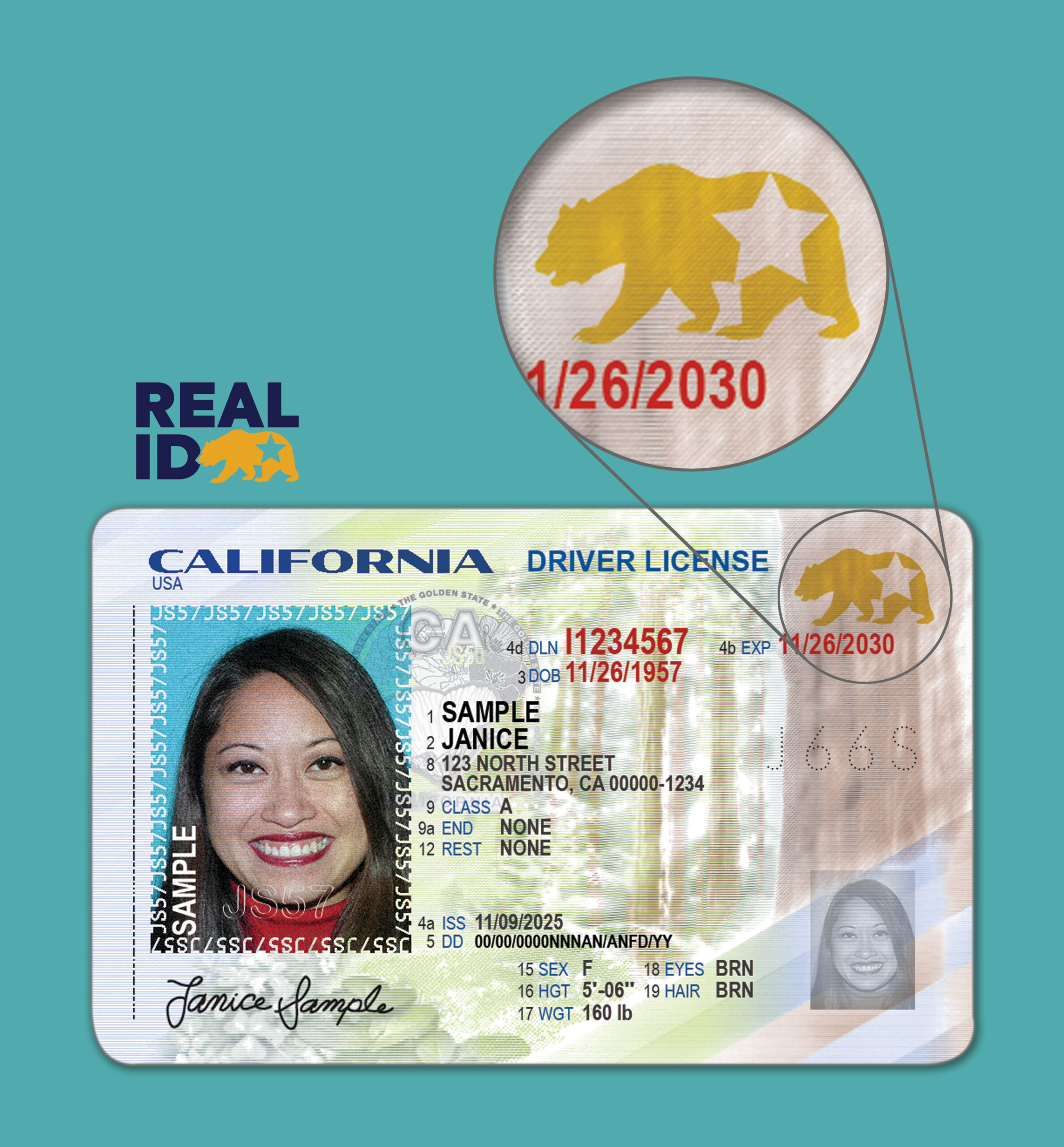
The test consists of multiple-choice questions. If you are 18 or older, you must correctly answer 38 out of 46 questions (approximately 83%) to pass. If you fail, you must wait at least seven days before attempting the test again, and you’ll have a maximum of three attempts before needing to reapply and pay the fee again. Passing the written test is a significant milestone, confirming you have the theoretical knowledge required to drive safely on California’s diverse roads, from the freeways of Orange County to the winding routes near Yosemite National Park.
Step 3: Mastering the Behind-the-Wheel Driving Test
Once you have your instruction permit and feel confident in your driving abilities, it’s time to schedule your behind-the-wheel driving test. This practical exam evaluates your ability to safely operate a vehicle and demonstrate adherence to traffic laws.
Key Aspects of the Driving Test:
- Vehicle Requirements: You must provide your own vehicle for the test, and it must be safe, properly registered, insured, and have working headlights, taillights, turn signals, brake lights, and a horn. An accompanying licensed driver (who is at least 18 years old and holds a valid California driver’s license) must bring you to the DMV for the test.
- Pre-Drive Checklist: Before you even leave the DMV parking lot, the examiner will conduct a pre-drive check of your vehicle and ask you to demonstrate your knowledge of certain controls (e.g., turn signals, brake lights, horn, windshield wipers, defroster).
- Driving Maneuvers: The test typically lasts about 15-20 minutes and covers a range of maneuvers including:
- Starting and stopping smoothly
- Making left and right turns
- Lane changes
- Maintaining proper following distance
- Parallel parking (or a similar parking maneuver)
- Backing up in a straight line
- Obeying traffic signs and signals
- Yielding the right-of-way
- Scanning for hazards
- Driving in various traffic conditions (if possible on the route)
Tips for Success:
- Practice, Practice, Practice: The more time you spend driving under supervision, the more comfortable and proficient you will become. Focus on defensive driving techniques and smooth vehicle operation.
- Know the Route (Unofficially): While examiners change routes, familiarize yourself with the typical driving environments around your chosen DMV location.
- Stay Calm and Focused: Nerves can impact performance. Take a deep breath and concentrate on driving safely and responsibly.
- Listen Carefully to Instructions: The examiner will give clear directions. If you’re unsure, ask for clarification.
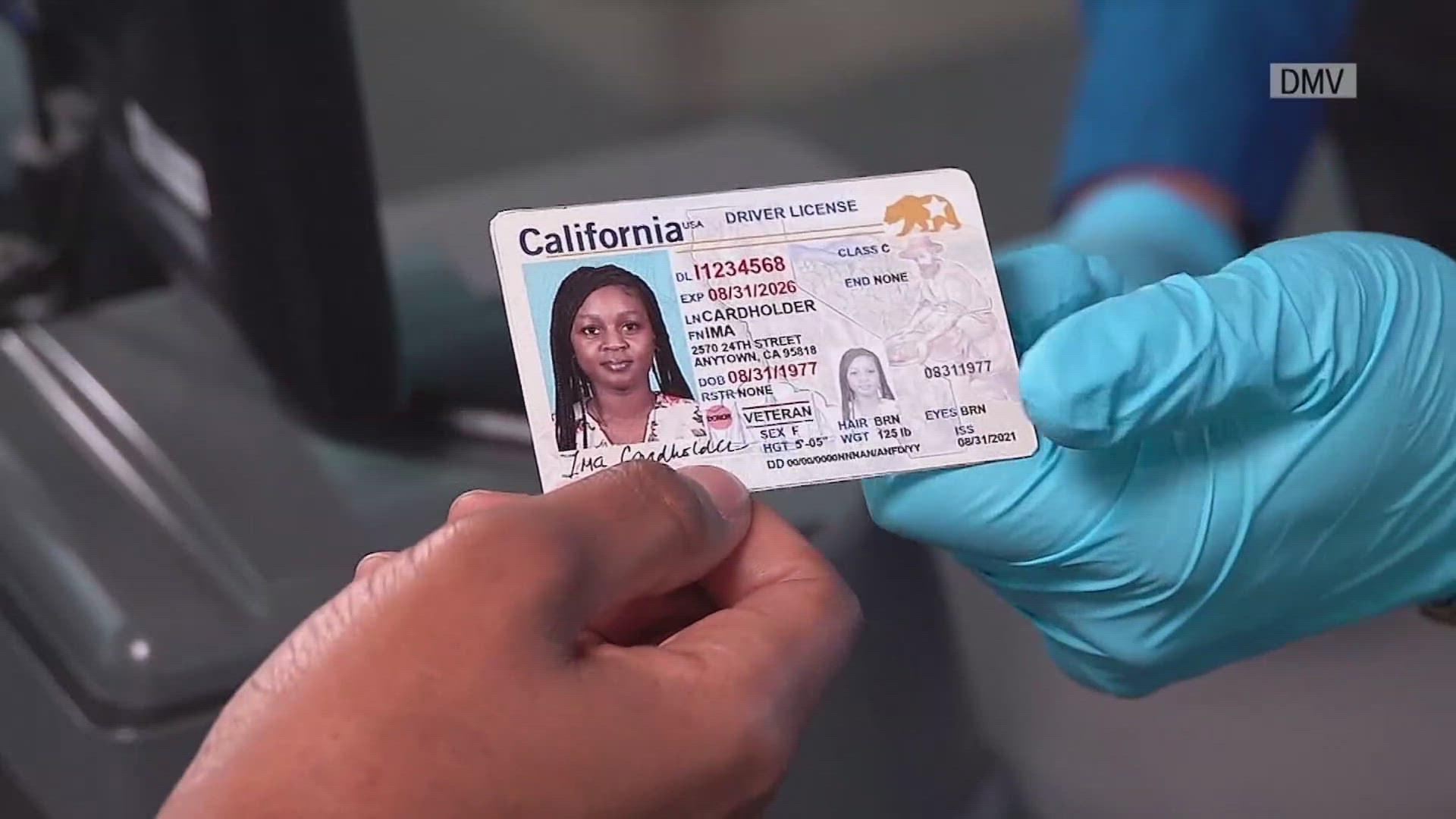
Upon passing the driving test, you will be issued a temporary license. Your official, permanent California driver’s license will be mailed to your address within a few weeks. This final step marks your official entry into the world of independent travel across the Golden State, from the historic streets of Old Town San Diego to the majestic beauty of Lake Tahoe.
Special Considerations for Newcomers and International Visitors
California’s diverse population includes many individuals moving from other states or countries. The DMV has specific guidelines to accommodate these situations, ensuring a fair and consistent process for all.
Out-of-State and International Licenses
If you hold a valid driver’s license from another U.S. state, territory, or even a foreign country, the process to obtain a California license generally remains the same for the written and driving tests. There is no direct “conversion” or waiver of these tests, even if you are an experienced driver. However, the instruction permit phase might differ slightly. While most new drivers must hold an instruction permit for a minimum period (especially minors), adults over 18 with a valid out-of-state or foreign license may proceed directly to schedule their driving test after passing the written exam, provided they meet all other requirements. This acknowledges prior driving experience while still ensuring familiarity with California specific laws.
For international visitors planning to drive using their foreign license, it’s important to remember that an International Driving Permit (IDP) is highly recommended, though not strictly required by California law. An IDP translates your foreign license into 10 languages and serves as a valid accompaniment to your original license, making it easier for law enforcement to understand your driving credentials. However, an IDP is only valid when presented with your original foreign license and cannot be used in lieu of a California license if you establish residency.
Provisional Licenses for Minors
For applicants under the age of 18, California has a graduated driver licensing (GDL) program designed to provide new drivers with supervised experience before granting full driving privileges. This involves:
- Driver Education and Training: Completing an approved driver education course (30 hours classroom or online) and six hours of professional driver training.
- Instruction Permit: Obtaining an instruction permit at age 15 ½, after passing the written test.
- Supervised Driving: Holding the instruction permit for at least six months and completing a minimum of 50 hours of supervised driving practice (10 of which must be at night) with a licensed driver 25 years or older.
- Provisional License: After meeting all requirements and passing the driving test, a provisional license is issued. This comes with restrictions for the first 12 months, such as not driving between 11 p.m. and 5 a.m. and not transporting passengers under 20 years old without a licensed driver over 25 present.
These measures are in place to ensure young drivers gain experience responsibly, contributing to safer roads for everyone, whether they’re driving to high school in San Jose or exploring attractions in Anaheim.
Life Beyond the License: Exploring California
With your shiny new California driver’s license, a world of exploration opens up before you. No longer constrained by public transport schedules or the cost of rideshares, you can truly immerse yourself in the diverse experiences California offers. Your license is more than just a legal document; it’s a symbol of freedom and independence that profoundly enhances your travel and lifestyle in the Golden State.
Imagine planning a spontaneous road trip along the legendary Pacific Coast Highway, stopping at picturesque towns like Carmel-by-the-Sea and marveling at the rugged beauty of Big Sur. You can drive yourself to Disneyland Resort in Anaheim or Universal Studios Hollywood in Los Angeles for a day of thrilling entertainment. Explore the serene beauty of Joshua Tree National Park or the dramatic landscapes of Death Valley National Park, venturing off the beaten path to discover hidden gems.
For those interested in local culture and food, having a car allows you to discover charming farmers markets, hidden culinary delights in diverse neighborhoods, or unique wineries in Temecula Valley that are often inaccessible by public transit. You can visit world-class museums like the Getty Center in Los Angeles or explore historic sites like Alcatraz Island (though you’ll need a ferry for the final leg, driving to the port is key).
Whether your lifestyle leans towards luxury travel in Beverly Hills with stays at exquisite resorts, or budget-friendly adventures camping under the stars in a state park, your California driver’s license makes these experiences infinitely more accessible. It empowers you to choose your own accommodations, from secluded villas in Palm Springs to cozy cabins in the mountains, without being reliant on expensive taxis or limited shuttle services.
In conclusion, obtaining a California driver’s license is an essential step for anyone planning an extended stay or move to the Golden State. While the process requires diligent preparation and adherence to specific rules, the reward is immeasurable: the freedom to explore California’s vast beauty, vibrant cities, and countless attractions at your own pace. Embrace the journey, prepare thoroughly, and get ready to hit the road for unforgettable California adventures.
LifeOutOfTheBox is a participant in the Amazon Services LLC Associates Program, an affiliate advertising program designed to provide a means for sites to earn advertising fees by advertising and linking to Amazon.com. Amazon, the Amazon logo, AmazonSupply, and the AmazonSupply logo are trademarks of Amazon.com, Inc. or its affiliates. As an Amazon Associate we earn affiliate commissions from qualifying purchases.