
California, a state synonymous with innovation, diverse landscapes, and a forward-thinking approach, also boasts a robust and dynamic education system. For aspiring educators drawn to the Golden State, the journey to obtaining a teaching credential is a well-defined path, albeit one that requires diligence, careful planning, and a commitment to meeting specific requirements. This guide will illuminate the steps involved in securing a California teaching credential, empowering you to embark on a rewarding career shaping the minds of the future.
Understanding the California Commission on Teacher Credentialing
The gateway to teaching in California is the California Commission on Teacher Credentialing (CTC). This independent state agency is responsible for establishing and enforcing standards for teacher preparation and certification. Understanding its role and the foundational principles it upholds is the crucial first step. The CTC ensures that all individuals entering the teaching profession in California possess the necessary knowledge, skills, and ethical grounding to effectively serve students. Their mission is to provide a rigorous and accessible pathway for qualified individuals to become credentialed teachers, thereby upholding the quality of education across the state.
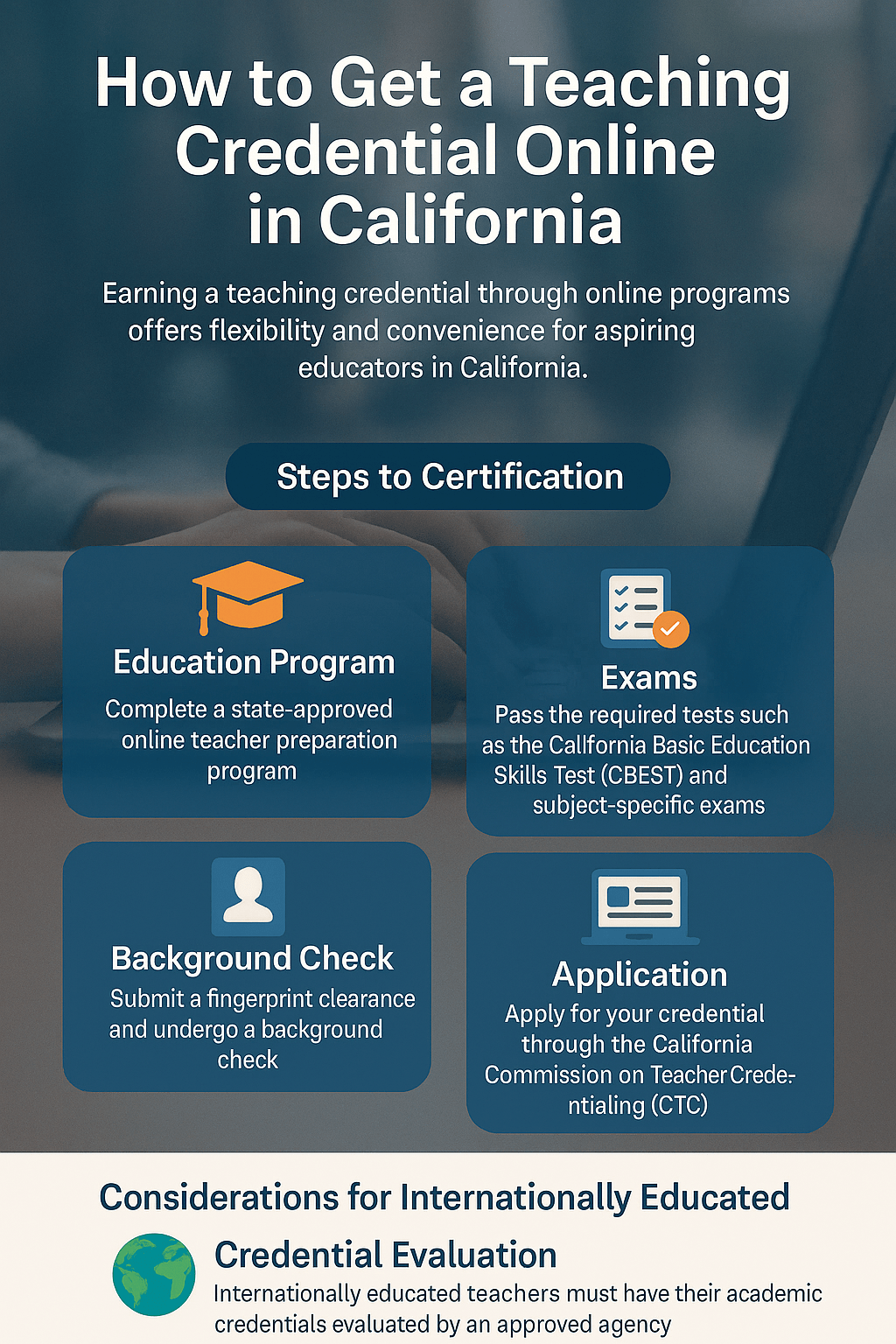
The Role of the CTC in Credentialing
The CTC oversees various aspects of the credentialing process. This includes:
- Setting Standards: Defining the academic and professional requirements for different types of teaching credentials. This ensures a baseline of competency for all educators.
- Approving Programs: Evaluating and approving teacher preparation programs offered by universities and colleges across California. Completing an approved program is a common pathway to credentialing.
- Issuing Credentials: Processing applications and issuing teaching credentials to eligible candidates who have met all requirements.
- Maintaining Standards: Upholding ethical conduct and professional development expectations for credentialed educators.
Types of Teaching Credentials in California
California offers a range of teaching credentials to accommodate different levels and subject areas. While the specifics can be detailed, understanding the primary categories is essential for a prospective educator.
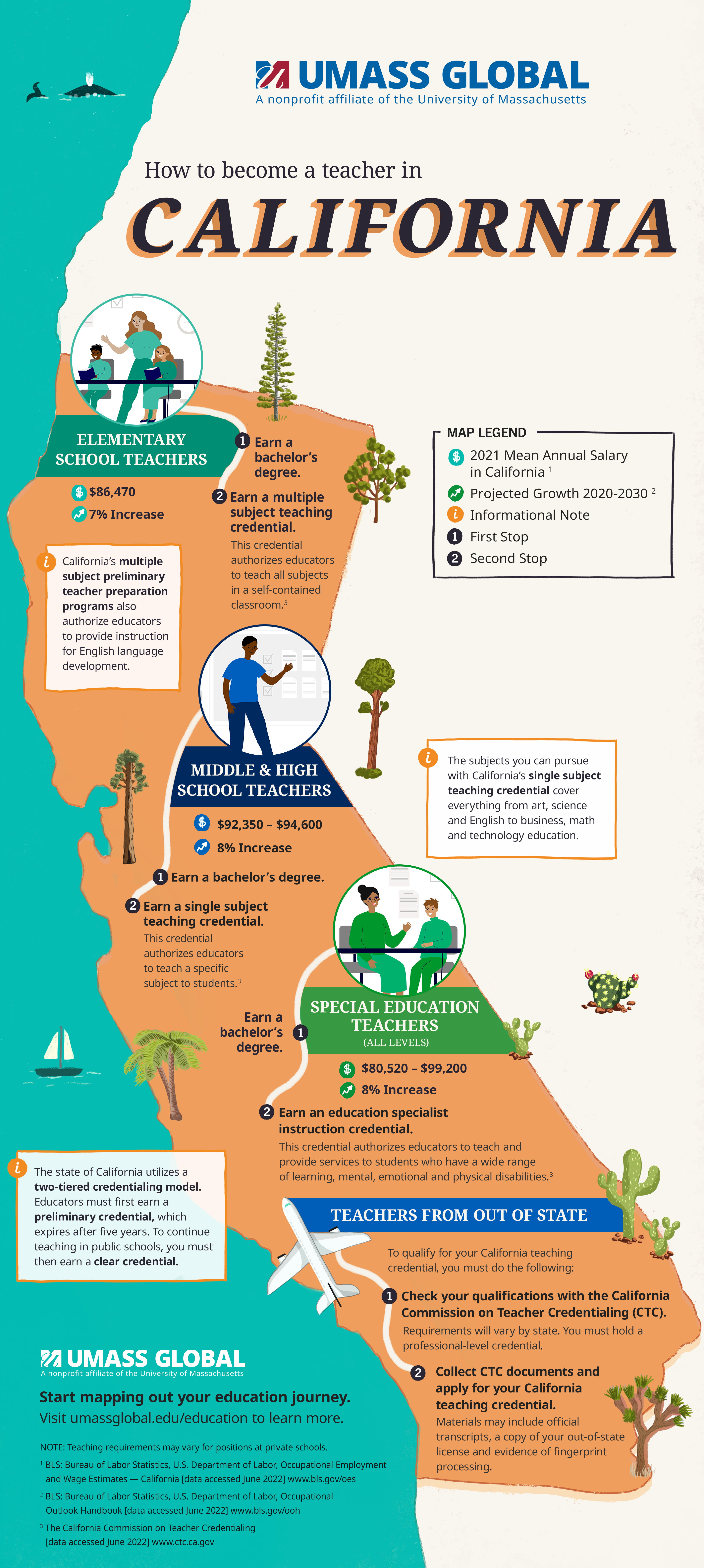
- Multiple Subject Teaching Credential: This credential authorizes an individual to teach all subjects in self-contained classrooms in kindergarten through grade 6. It’s ideal for those who enjoy teaching a broad curriculum to younger students.
- Single Subject Teaching Credential: This credential authorizes an individual to teach a specific subject matter (e.g., English, Mathematics, Science, Social Studies, Art, Music, Physical Education) in grades 6 through 12. This is suited for those with deep expertise in a particular discipline.
- Education Specialist Instruction Credential: This credential authorizes an individual to provide specialized instruction and services to students with disabilities. There are various sub-specialties within this credential, such as mild/moderate disabilities or moderate/severe disabilities.
Beyond these core credentials, California also offers other specialized credentials, such as those for school counselors, school psychologists, and administrative services. The specific credential you pursue will depend on your educational background, interests, and career aspirations.
The Educational and Experiential Pathways to a Credential
Obtaining a teaching credential in California typically involves a combination of formal education, practical experience, and successful completion of assessments. The CTC outlines distinct pathways, each designed to ensure candidates are well-prepared for the classroom.
Completing an Approved Teacher Preparation Program
The most common and often the most straightforward route to a California teaching credential is to complete an approved teacher preparation program. These programs are offered by accredited colleges and universities throughout the state. They are designed to provide a comprehensive curriculum covering pedagogical theory, subject matter knowledge, and practical classroom experience.
- University-Based Programs: These are traditional four-year university programs that often integrate credential coursework into an undergraduate degree. Post-baccalaureate programs are also available for individuals who already hold a bachelor’s degree. These programs typically include coursework in child development, educational psychology, curriculum development, and classroom management, alongside subject-specific pedagogy.
- Internship Programs: These programs allow individuals to teach in a classroom setting while concurrently completing their credential coursework. This provides invaluable hands-on experience and often involves a mentorship component. Internship programs are particularly beneficial for career changers or those who need to work while earning their credential.
- Alternative Certification Programs: For individuals with significant subject matter expertise but limited formal education coursework, alternative programs can provide a more focused path to credentialing. These programs are often intensive and designed to equip candidates with the essential teaching skills and knowledge in a shorter timeframe.
Subject Matter Competence Requirements
Regardless of the program type, demonstrating subject matter competence is a critical component of obtaining a teaching credential. This ensures that you possess the in-depth knowledge of the subject you intend to teach.
- Through Coursework: For many subject areas, demonstrating competence can be achieved by completing a specific sequence of college-level courses in that subject. The CTC provides guidelines on the required coursework for each single subject credential.
- Through Examinations: The California Subject Examinations for Teachers (CSET) is a series of examinations that allow individuals to demonstrate their mastery of specific subject matter. Passing the relevant CSET exams is a common way to fulfill this requirement, especially for those who did not major in their desired teaching subject.
Field Experiences and Student Teaching
Practical application of learned theories is paramount in teacher preparation. All approved programs include a supervised field experience or student teaching component. This hands-on immersion in a classroom setting allows aspiring teachers to:
- Apply Pedagogical Strategies: Practice teaching methods, lesson planning, and classroom management techniques under the guidance of an experienced mentor teacher.
- Develop Instructional Skills: Gain experience in assessing student learning, differentiating instruction for diverse learners, and fostering a positive learning environment.
- Build Professional Relationships: Collaborate with colleagues, administrators, and parents, developing essential professional networking skills.
The duration and intensity of student teaching vary depending on the program and credential type, but it is a universally required element for gaining practical teaching experience.
Essential Assessments and Requirements for Credentialing
Beyond academic preparation and practical experience, the CTC requires candidates to successfully pass specific assessments and meet other crucial requirements to earn their teaching credential. These assessments are designed to evaluate foundational skills and readiness for the profession.
Basic Skills Requirement
All individuals seeking a California teaching credential must demonstrate proficiency in basic skills. This includes reading, writing, and mathematics.
- California Basic Educational Skills Test (CBEST): The CBEST is a widely recognized assessment for fulfilling this requirement. It comprises three sections: Reading, Writing, and Mathematics.
- Other Approved Alternatives: The CTC also accepts other forms of demonstrating basic skills, such as specific college coursework or standardized test scores from other recognized exams. It is essential to consult the CTC website for the most current list of acceptable alternatives.
Professional Knowledge and Skills Assessments
In addition to basic skills, candidates must demonstrate their understanding of professional pedagogical principles and their ability to apply them effectively.
- Performance Assessment: For many credential programs, a performance assessment is a mandatory component. This often involves demonstrating teaching competencies through a portfolio of work, videotaped lessons, and reflective narratives that showcase your ability to plan, instruct, and assess student learning. The specific performance assessment varies by program and credential type.
Health and Safety Requirements
Ensuring the well-being of students is a top priority in California. As such, credential candidates must meet certain health and safety requirements.
- Tuberculosis (TB) Test: Proof of a negative tuberculosis test is required.
- Mandated Reporter Training: All individuals working with children in California must complete mandated reporter training to understand their legal obligations in reporting child abuse and neglect.
Applying for and Maintaining Your Teaching Credential
Once you have successfully completed all educational requirements, passed the necessary assessments, and met the health and safety criteria, the final step is to formally apply for your teaching credential through the CTC.
The Application Process
The application process typically involves:
- Submitting an Application Form: Completing the official application form provided by the CTC.
- Providing Transcripts: Submitting official transcripts from all post-secondary institutions attended, verifying completion of degree and credential program requirements.
- Verification of Program Completion: Your approved teacher preparation program will submit verification of your successful program completion to the CTC.
- Submission of Assessment Scores: Providing official score reports for any required examinations (e.g., CBEST, CSET, performance assessments).
- Paying Application Fees: Remitting the required application fees to the CTC.
The CTC reviews each application thoroughly to ensure all requirements have been met. Processing times can vary, so it is advisable to submit your application well in advance of your intended start date of employment.

Maintaining Your Credential
Obtaining a teaching credential is a significant achievement, but it is also the beginning of a commitment to ongoing professional development.
- Continuing Professional Development: California educators are required to engage in continuing professional development to maintain and renew their credentials. This can include workshops, conferences, advanced coursework, and professional learning communities.
- Credential Renewal: Most initial teaching credentials in California are valid for a specific period and must be renewed. The renewal process typically involves demonstrating completion of required professional development hours and meeting any updated CTC requirements.
Embarking on a teaching career in California is a fulfilling path, and by understanding and diligently following the steps outlined by the California Commission on Teacher Credentialing, you can successfully navigate the process and begin your journey as an educator in this vibrant state.
LifeOutOfTheBox is a participant in the Amazon Services LLC Associates Program, an affiliate advertising program designed to provide a means for sites to earn advertising fees by advertising and linking to Amazon.com. Amazon, the Amazon logo, AmazonSupply, and the AmazonSupply logo are trademarks of Amazon.com, Inc. or its affiliates. As an Amazon Associate we earn affiliate commissions from qualifying purchases.