
The California Roll holds a fascinating place in the world of sushi. It’s often the first roll many people try, a gateway to the broader, intricate universe of Japanese cuisine. Its popularity stems from its approachable flavor profile and its unique position as a fusion dish that beautifully bridges cultural palates. Yet, despite its widespread appeal, a fundamental question often lingers: Is a California Roll truly cooked? This query delves deeper than a simple yes or no, touching upon the ingredients, preparation methods, and the very definition of “cooked” in culinary contexts, especially within the nuanced world of sushi.

For travelers exploring new destinations, understanding local food culture is a cornerstone of any enriching experience. The California Roll, while not traditionally Japanese, has become a global staple, found everywhere from bustling city restaurants to serene resort dining rooms. Its story is one of innovation and adaptation, making it a perfect subject for those curious about the intersection of food, travel, and lifestyle. Let’s peel back the layers of this iconic roll, exploring its components, its history, and what makes it such a reassuring choice for both novice and seasoned food adventurers.
Unpacking the California Roll: A Culinary Conundrum
To answer whether a California Roll is cooked, we must first look at its constituent parts. Unlike many traditional sushi rolls that prominently feature raw fish, the California Roll was specifically designed to cater to Western preferences, which were initially less accustomed to consuming uncooked seafood. This foundational difference is key to its culinary identity.
The Core Ingredients: What’s Inside?
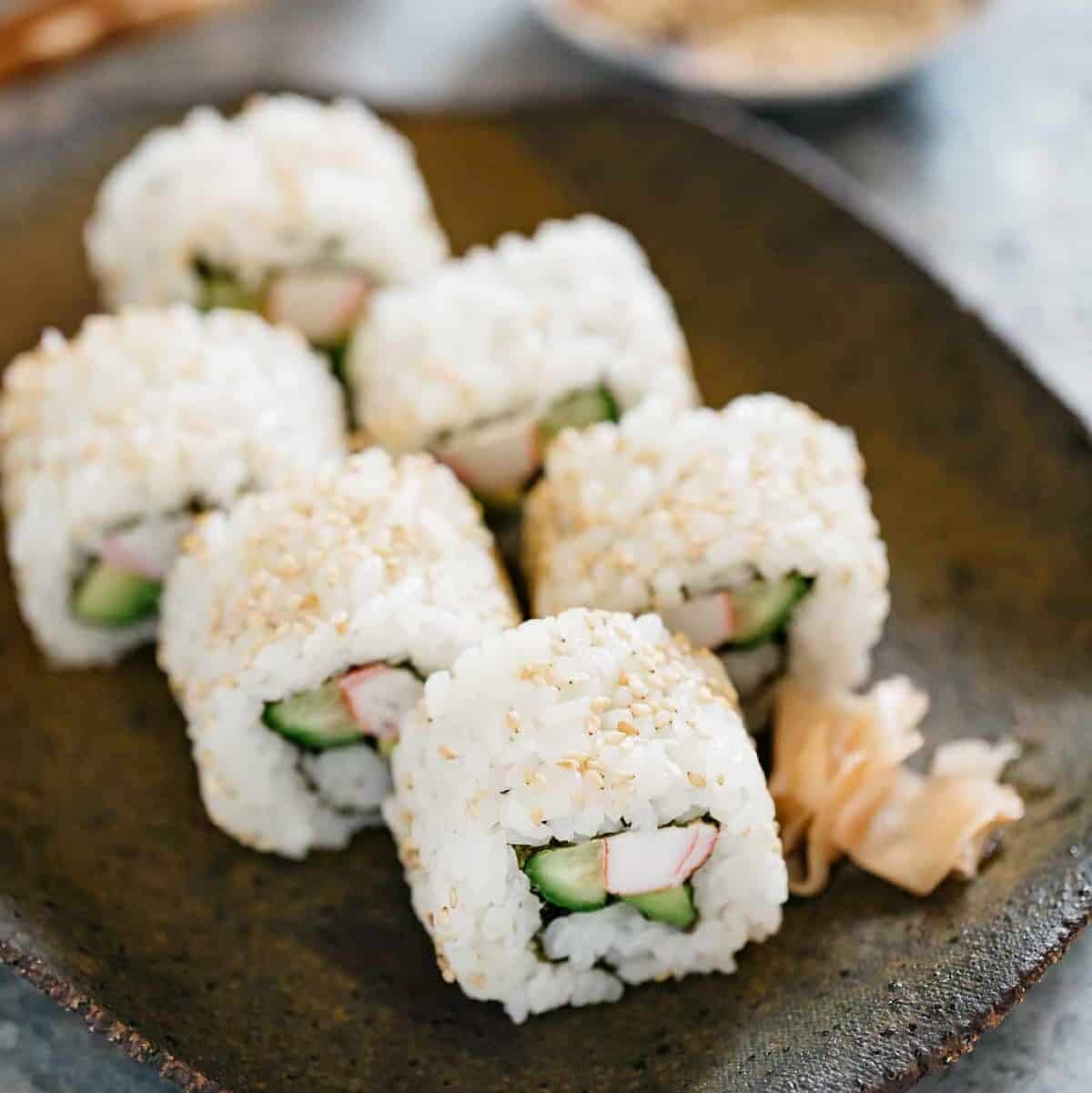
The classic California Roll typically consists of a few key ingredients, each playing a crucial role in its flavor and texture:
- Kani (Crab Stick): This is the star ingredient and the primary reason for the “cooked” perception. Kani, also known as kanikama or surimi, is a processed seafood product made from various white fish (like pollock) that have been deboned, minced, and formed to mimic the texture and appearance of crab meat. Crucially, this crab stick is always cooked during its manufacturing process. Therefore, the crab component of a California Roll is indeed cooked.
- Avocado: Known for its creamy texture and rich, buttery flavor, avocado is always served fresh and raw in a California Roll.
- Cucumber: Adding a refreshing crunch and mild flavor, cucumber is also used fresh and raw.
- Sushi rice: The foundation of any sushi roll, sushi rice is cooked, seasoned with vinegar, sugar, and salt, and then cooled before use.
- Nori (Seaweed): The dried seaweed wrapper is typically toasted or roasted during processing, making it a “cooked” component. In a California Roll, the nori is usually on the inside, with the rice on the outside (an uramaki style).
- Optional Toppings: Many California Rolls are adorned with fish roe (tobiko or masago) and sometimes a touch of mayonnaise. While the roe itself is typically cured and pasteurized (thus not raw in the same sense as fresh fish), it’s not “cooked” in the traditional heat-applied manner.
Understanding “Cooked” in Sushi Terminology
When asking if a California Roll is “cooked,” it’s vital to differentiate between ingredients that are inherently cooked before assembly and ingredients that are served raw. The key distinction for many sushi enthusiasts, and particularly for those wary of raw seafood, lies in the protein component. Since the crab stick (kani) is fully cooked, the primary concern regarding raw seafood is entirely absent.
Therefore, yes, a California Roll is predominantly “cooked” in its main protein and foundational components (sushi rice, nori, and crab stick). The fresh avocado and cucumber are raw, but they are vegetables, not seafood, alleviating any typical concerns associated with raw fish sushi like nigiri or sashimi. This makes the California Roll an excellent choice for individuals who prefer not to consume raw fish, including pregnant women, children, or those with compromised immune systems. It’s a testament to how culinary innovation can open doors to new experiences for a wider audience.
The Global Journey of a Beloved Roll: Origins and Evolution
The California Roll’s creation is a fascinating tale of cultural exchange and culinary ingenuity, embodying the spirit of global travel and the fusion of traditions. It’s not a product of Japan’s ancient sushi traditions but rather a modern invention born out of necessity and a desire to adapt to new tastes in the Western world.
Tracing its Roots: California or Canada?
The exact origin of the California Roll is a topic of friendly debate, with two main contenders for its birthplace:
- Los Angeles, California, United States: Many believe the roll was invented in the late 1960s or early 1970s by chef Ichiro Mashita at the Tokyo Kaikan restaurant in Los Angeles. Faced with American diners’ reluctance to eat raw fish and unfamiliarity with nori on the outside, Mashita began substituting tuna with cooked crab stick and adding avocado. He also famously inverted the roll, putting the rice on the outside (the uramaki style), to make the seaweed less intimidating. This innovative approach quickly gained traction, and the roll became a sensation.
- Vancouver, Canada: Another strong claim comes from chef Hidekazu Tojo in Vancouver, Canada. Tojo also created a similar inside-out roll with crab and avocado around the same time, naming it the “Tojo-maki.” While his version is distinct, it shares the core philosophy of adapting traditional sushi to suit local palates.
Regardless of the precise geographic pinpoint, the essence remains: the California Roll was born out of a desire to make Japanese food accessible and appealing to a new audience. This spirit of culinary diplomacy is something travelers encounter globally, where local ingredients and tastes often inspire new takes on classic dishes.
Pioneering Chefs and Cultural Fusion

The impact of chefs like Ichiro Mashita and Hidekazu Tojo cannot be overstated. Their innovations didn’t just create a single dish; they laid the groundwork for the explosion of American sushi and Western-style rolls. By demystifying sushi and making it more palatable to a broader demographic, they inadvertently helped propel Japanese cuisine into the mainstream.
The California Roll represents a beautiful example of cultural fusion in gastronomy. It took the traditional sushi format (rice, nori, fillings) and adapted it with ingredients and preparation methods that resonated with a different cultural context. This ability to evolve and embrace local influences is a hallmark of truly dynamic cuisines and is often a highlight for travelers seeking authentic yet approachable dining experiences. From humble origins, the California Roll has become an internationally recognized symbol of adaptable and universally enjoyable food, a true testament to its pioneering design.
Beyond the Basics: Health, Safety, and Culinary Adaptations
The popularity of the California Roll extends beyond its pleasant taste and texture; it also offers significant advantages in terms of food safety and dietary considerations. This makes it a preferred choice for a diverse range of diners, influencing lifestyle choices and travel dining plans.
Navigating Raw vs. Cooked Ingredients: Safety First
For many, the appeal of the California Roll lies in its perceived safety, particularly for those hesitant about consuming raw fish. The primary concern with raw fish in sushi often revolves around potential pathogens or parasites. While reputable sushi establishments adhere to strict handling and freezing guidelines to mitigate these risks (often mandated by food safety agencies like the FDA or USDA in the United States), opting for cooked ingredients can provide an added layer of reassurance.
The crab stick in a California Roll is fully pasteurized and cooked during its production, rendering it safe for consumption by nearly everyone. This makes the California Roll an excellent option for:
- Pregnant Women: Guidelines often advise pregnant individuals to avoid raw seafood due to the risk of listeria or other bacteria. The California Roll provides a delicious and safe alternative.
- Children: Its mild flavor and lack of raw fish make it kid-friendly, often serving as their first introduction to sushi.
- Individuals with Compromised Immune Systems: For those who need to be extra cautious with foodborne illnesses, the cooked nature of the main protein is a significant benefit.
- Sushi Newcomers: Its approachable profile helps ease people into the broader world of Japanese cuisine without the initial hurdle of raw fish.
When traveling, especially to unfamiliar destinations, food safety is a paramount concern. Knowing that a widely available option like the California Roll is generally safe can alleviate stress and enhance the dining experience. Travelers can confidently order this roll in a variety of settings, from a casual eatery to a high-end hotel restaurant, making it a reliable choice for diverse dietary needs and preferences. It’s also worth noting that reputable restaurants and the USDA Food Safety and Inspection Service (FSIS) work diligently to ensure all food, whether raw or cooked, meets stringent safety standards.
The Appeal and Versatility of the California Roll
The California Roll’s universal appeal stems from its balanced flavors and textures. The creaminess of the avocado, the crispness of the cucumber, the chewiness of the crab stick, and the perfectly seasoned sushi rice create a harmonious bite. Its mild taste profile makes it highly versatile, pairing well with various sauces and accompaniments.
Moreover, the California Roll has become a canvas for further culinary creativity. While the classic remains popular, countless variations have emerged, incorporating different types of cooked seafood or other proteins. This adaptability ensures its continued relevance in a dynamic food landscape. Whether you’re enjoying it as a quick lunch on a busy travel day or as part of a lavish dinner, its consistency and comfort make it a reliable choice for various lifestyle experiences.
Exploring Other “Cooked” Sushi Options
While the California Roll is perhaps the most famous example of a “cooked” or raw-fish-free sushi option, it’s by no means the only one. The evolution of sushi to cater to diverse palates has led to a rich array of rolls and preparations that do not feature raw fish, offering even more choices for those who prefer their seafood fully cooked or simply want to explore different textures and flavors.
Many of these cooked options are excellent for travelers seeking familiar or reassuring food choices while exploring new destinations, ensuring a comfortable dining experience without compromising on flavor or authenticity in its own right.
- Tempura Rolls: These are incredibly popular and feature ingredients that are deep-fried in a light, crispy tempura batter. Common fillings include shrimp tempura, tempura vegetables, or even tempura chicken. The cooking process for tempura ensures the protein is thoroughly cooked, offering a delightful crunch and savory flavor that appeals to a wide audience.
- Smoked Salmon Rolls: While salmon itself can be served raw, smoked salmon undergoes a curing and smoking process, which effectively “cooks” or processes the fish, making it safe for those who avoid raw options. Rolls with smoked salmon often combine it with cream cheese and cucumber, creating a rich and savory profile, much like the famous Philadelphia Roll.
- Eel (Unagi) Rolls: Unagi is grilled freshwater eel that is typically basted with a sweet and savory sauce. It is always served cooked in sushi rolls or as nigiri, offering a unique umami flavor and tender texture that is highly prized. This is a traditional Japanese delicacy that has been embraced by Western world diners.
- Chicken Teriyaki Rolls: Reflecting the fusion trend, rolls featuring cooked chicken teriyaki are common. These rolls provide a satisfying and familiar flavor, often incorporating vegetables and a drizzle of teriyaki sauce. They are perfect for those who prefer poultry and cooked protein in their sushi.
- Vegetable Rolls (Yasai Maki): Though not seafood-based, vegetable rolls are inherently “cooked” or raw-fish-free options. They typically contain a variety of fresh or sometimes pickled vegetables like cucumber, avocado, carrots, asparagus, and daikon. These rolls are excellent choices for vegetarians, vegans, or anyone seeking a light and refreshing alternative.
- Cooked Scallop or Shrimp Rolls: Some rolls feature cooked scallops or shrimp, often seasoned or mixed with mayonnaise. These offer a delicious seafood experience without the raw component.
The availability of these diverse “cooked” sushi options highlights the versatility and adaptability of Japanese cuisine. For travelers, this means a broader spectrum of culinary experiences, catering to various dietary restrictions, preferences, and comfort levels. Whether dining in a bustling metropolitan area or a tranquil resort, the option to enjoy delicious and safe sushi is readily available, allowing everyone to partake in the global phenomenon that is sushi. These choices reflect a global lifestyle where international flavors are embraced and adapted, enriching our collective travel and dining narratives.
In conclusion, the answer to “Is a California Roll cooked?” is a resounding yes, when considering its primary protein. This simple fact elevates its status from a mere dish to a culinary ambassador, welcoming countless individuals to the delightful world of sushi. Its history is a testament to cultural exchange, its ingredients to thoughtful adaptation, and its continued popularity to its inherent safety and deliciousness. As you plan your next adventure or simply seek a satisfying meal, remember the California Roll as a reliable and delectable choice, embodying the spirit of accessible gourmet travel.
LifeOutOfTheBox is a participant in the Amazon Services LLC Associates Program, an affiliate advertising program designed to provide a means for sites to earn advertising fees by advertising and linking to Amazon.com. Amazon, the Amazon logo, AmazonSupply, and the AmazonSupply logo are trademarks of Amazon.com, Inc. or its affiliates. As an Amazon Associate we earn affiliate commissions from qualifying purchases.