
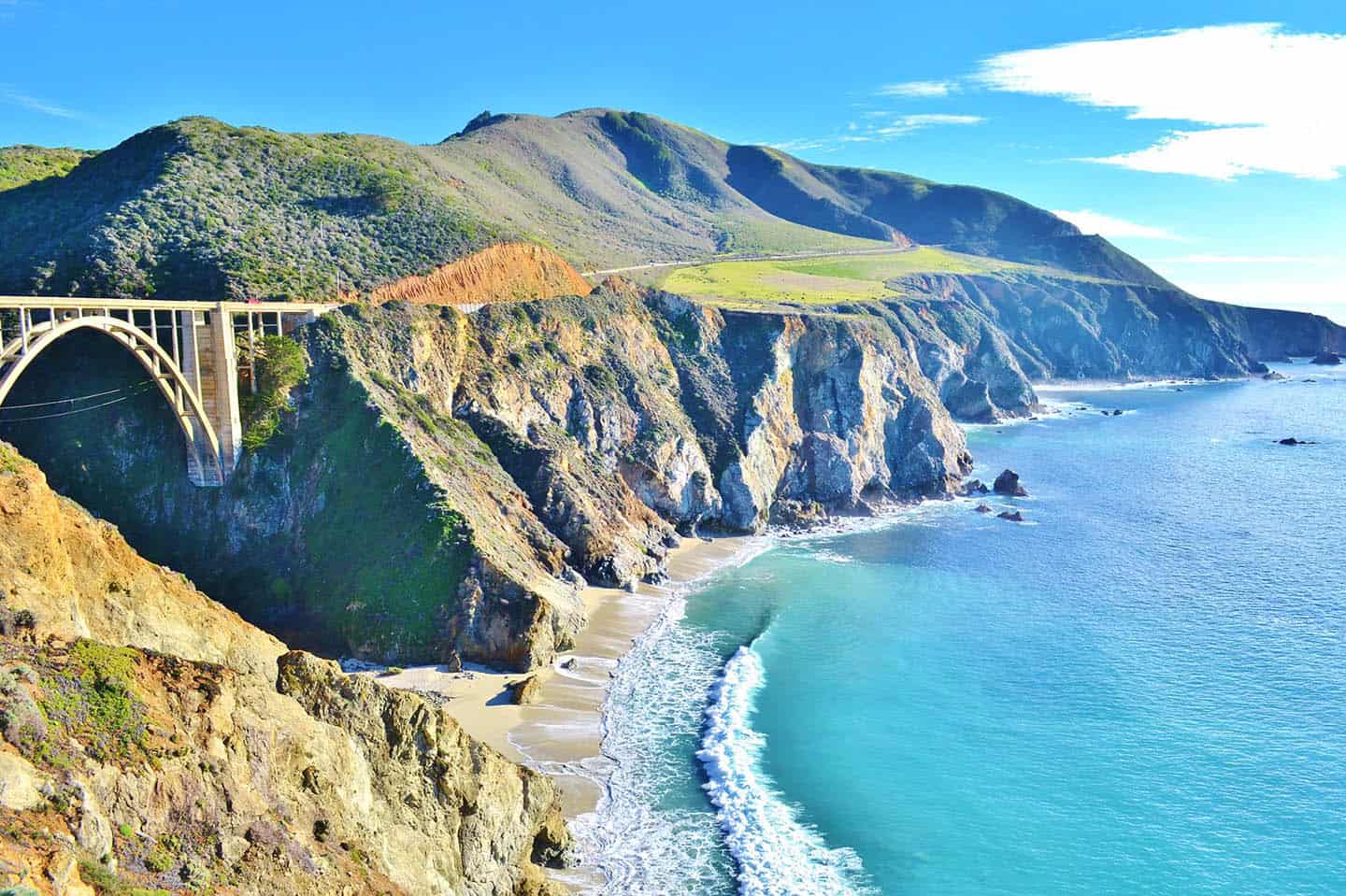
The mere mention of California Route 1, more affectionately known as the Pacific Coast Highway (PCH), conjures images of winding roads carved into dramatic cliffsides, panoramic ocean views, and the untamed beauty of the California coastline. It is, without a doubt, one of the most iconic and breathtaking road trips in the United States, a bucket-list destination for travelers worldwide. From the sun-drenched beaches of Southern California to the rugged, redwood-dotted landscapes of the north, the PCH offers an unparalleled journey through diverse ecosystems, charming coastal towns, and world-class attractions.
However, the very elements that make this route so spectacular – its proximity to the ocean and its dramatic geological formations – also make it susceptible to challenges. Landslides, mudslides, and rockfalls, particularly during heavy rainy seasons, can lead to temporary closures of certain segments. This naturally raises a critical question for any aspiring PCH adventurer: “Is California Route 1 open?”
For those planning an unforgettable travel experience along this legendary highway, staying informed about its current status is paramount. This comprehensive guide will delve into the nuances of PCH accessibility, offer insights into why closures occur, and provide essential tips for navigating this magnificent stretch of road, ensuring your journey is as smooth and spectacular as the views themselves. We’ll explore the must-see landmarks, discuss the best places for accommodation, and offer lifestyle tips to make your trip truly exceptional, even if a detour becomes part of the adventure.
The Current Status of California Route 1: Staying Informed
The answer to whether California Route 1 is “open” is rarely a simple yes or no for its entire length. Due to its dynamic environment, specific sections can close without warning, often due to natural events. The most frequent and significant closures typically occur along the Big Sur coastline, between Carmel-by-the-Sea and San Luis Obispo. This stretch is renowned for its dramatic cliffs and steep terrain, making it particularly vulnerable to the forces of nature.
Understanding the potential for closures shouldn’t deter you but rather empower you to plan more effectively. The PCH remains an incredible travel experience, even if it requires a slight adjustment to your itinerary.
Why Closures Occur
The geology of the California coastline, especially in areas like Big Sur, is a continuous work in progress. Steep slopes composed of fractured rock and loose soil, coupled with heavy rainfall, create conditions ripe for landslides and mudslides. These events can deposit tons of debris onto the roadway, sometimes even washing away entire sections of the highway. Earthquakes, though less frequent, can also contribute to instability.
When such events occur, Caltrans, the California Department of Transportation, acts swiftly to assess damage, ensure public safety, and begin repair work. Depending on the extent of the damage, repairs can range from a few days to clear debris to several months or even years for major reconstruction projects involving engineering solutions like retaining walls and new roadbeds. The goal is always to reopen the highway safely and efficiently, but the rugged terrain often presents significant engineering challenges.
How to Check Before You Go
Forewarned is forearmed when it comes to the PCH. Before embarking on your journey, and even during your trip, it’s crucial to check the most up-to-date road conditions. The most authoritative source for this information is Caltrans.
- Caltrans QuickMap: This online tool (quickmap.dot.ca.gov) provides real-time traffic information, including road closures, construction, and incidents across the state. You can zoom in on California Route 1 and see specific alerts.
- Caltrans District 5 Twitter Feed: For real-time updates, especially concerning the Central Coast and Big Sur sections, their social media channels are often the first to post news of closures and reopenings.
- Local Tourism Boards: Websites for destinations like Big Sur, Monterey, and Carmel-by-the-Sea often provide specific information on local road access and alternatives.
- Google Maps/GPS Services: While generally helpful, these services may not always reflect the most immediate closures, so always cross-reference with Caltrans.
By making these checks a routine part of your planning, you can ensure a safer and more enjoyable journey, even if it means adjusting your route to bypass a temporarily closed section.
Navigating the Pacific Coast Highway: An Unforgettable Journey
Even with the occasional closure, the Pacific Coast Highway offers an unparalleled travel experience. Its allure lies not just in the destination, but in the journey itself, a constantly unfolding panorama of natural wonders and cultural gems. Travelers seeking adventure, stunning photography opportunities, and a deep connection with nature will find their expectations exceeded at every turn.
Iconic Stretches and Must-See Sights
The PCH stretches over 650 miles, each segment offering its unique charm. Here’s a glimpse into some of the most iconic stretches and must-see attractions:
- Southern California Charm (Dana Point to Santa Barbara): Starting near Dana Point, the PCH winds through vibrant beach towns. Laguna Beach is famed for its art galleries and coves. Further north, Malibu offers celebrity homes and beautiful beaches, while Santa Monica boasts its iconic pier and lively atmosphere. This section is often bustling, providing a taste of the quintessential California beach lifestyle.
- The Untamed Beauty of the Central Coast (Santa Barbara to Monterey): This is where the highway truly begins to earn its legendary status.
- Santa Barbara: Known as the “American Riviera” for its Spanish Colonial architecture and pristine beaches.
- San Simeon: Home to the majestic Hearst Castle, a historic landmark offering a glimpse into opulent early 20th-century life. Booking tickets in advance is highly recommended.
- Big Sur: The undisputed highlight for many. This rugged 90-mile stretch features dramatic cliffs plunging into the Pacific Ocean. Don’t miss the architectural marvel of the Bixby Bridge, the purple sands of Pfeiffer Big Sur State Park, and the captivating McWay Falls in Julia Pfeiffer Burns State Park, a waterfall that cascades directly onto the beach (or into the ocean at high tide).
- Carmel-by-the-Sea and Monterey: These charming towns offer stunning scenery, art galleries, historic missions, and the world-renowned Monterey Bay Aquarium.
- Northern California Grandeur (Monterey to Leggett): As you head north, the landscape transitions to towering redwoods and misty coastlines.
- San Francisco: A vibrant city with iconic landmarks like the Golden Gate Bridge, Alcatraz Island, and its famous cable cars.
- Marin County: Just north of San Francisco, explore the ancient redwoods of Muir Woods National Monument and the rugged beauty of Point Reyes National Seashore.
- The Redwood Coast: Further north, the PCH merges with other routes, leading into the heart of the redwood empire, offering awe-inspiring drives through ancient forests.
Planning for Potential Detours
Flexibility is key when traveling the Pacific Coast Highway. If a section of California Route 1 is closed, especially in Big Sur, the primary alternative is often Highway 101. While not as scenic, Highway 101 runs roughly parallel to the PCH further inland and is a reliable artery for bypassing closures.
- Embrace the Detour: Instead of viewing a detour as an inconvenience, consider it an opportunity to explore something new. Inland routes might take you through wine regions like Paso Robles Wine Country, historic towns, or agricultural landscapes that offer a different perspective of California.
- Divide and Conquer: If a significant section of Big Sur is closed, you might choose to drive as far as possible from the north (e.g., from Monterey to the closure point) and then double back, taking Highway 101 to approach the southern open section (e.g., from San Luis Obispo). This allows you to experience the accessible parts of the PCH without missing out entirely.
Where to Stay: Accommodations Along California Route 1
The Pacific Coast Highway is not just a drive; it’s a journey filled with opportunities for relaxation and indulgence. From luxurious resorts perched on cliffsides to cozy boutique hotels and budget-friendly motels, the accommodation options along California Route 1 cater to every taste and budget. Booking in advance, especially during peak seasons, is always recommended.

Luxury Retreats and Boutique Stays
For those seeking an elevated experience, the PCH offers some truly world-class hotels and resorts that blend seamlessly with their stunning natural surroundings.
- Big Sur: Synonymous with luxury and romance, Big Sur is home to iconic establishments like the Post Ranch Inn and Ventana Big Sur. These resorts offer unparalleled ocean views, exceptional service, and amenities like infinity pools, spas, and gourmet dining, perfect for a honeymoon or a serene escape. They are an experience in themselves, designed to immerse guests in the natural beauty of the area.
- Laguna Beach: In Southern California, the Ritz-Carlton, Laguna Niguel stands out, offering five-star luxury with direct access to pristine beaches and spectacular ocean views.
- Carmel-by-the-Sea and Monterey: These towns boast numerous boutique hotels and charming inns, many with unique character and proximity to attractions. From historic properties to modern, art-filled spaces, you’ll find elegant choices that reflect the sophisticated coastal lifestyle.
Budget-Friendly Options and Family Stays
Traveling the PCH doesn’t have to break the bank. Many towns along the route offer comfortable and affordable accommodation choices.
- Motels and Chain Hotels: Cities like San Luis Obispo, Cambria, Morro Bay, and Santa Monica have a wide array of motels and national chain hotels that provide good value and essential amenities, often with easy access to the highway and local attractions.
- Vacation Rentals: Platforms like Airbnb and VRBO offer a fantastic range of options, from cozy apartments to entire homes, which can be particularly cost-effective for families or groups. This also provides an opportunity to experience local neighborhoods and enjoy self-catering facilities.
- Campgrounds: For the adventurous and budget-conscious, numerous state parks and national forests along the PCH offer camping facilities. Pfeiffer Big Sur State Park, for example, has beautiful campsites nestled among the redwoods. Reservations are essential, especially during peak season.
Unique Stays and Experiences
Beyond traditional hotels, the PCH region offers some truly unique accommodation experiences.
- Glamping: Combine the luxury of a hotel with the immersion of camping. Several sites in and around Big Sur and the Central Coast offer glamping tents, yurts, and cabins that provide comfort amidst nature.
- Historic Inns: Discover charming, historic inns in towns like Mendocino or Carmel-by-the-Sea, many of which offer a personalized touch and a glimpse into the region’s past.
- Farm Stays: In the inland areas adjacent to the PCH, particularly in the Central Coast wine regions, you can find farm stays that offer a rustic yet comfortable experience, often with opportunities to engage with local agriculture.
Making the Most of Your PCH Adventure: Tips for Travelers
A journey along the Pacific Coast Highway is more than just a drive; it’s an immersive travel experience. To truly savor the local culture, stunning landscapes, and unforgettable moments, consider these essential tips.
Best Time to Visit
The PCH can be enjoyed year-round, but each season offers a different ambiance:
- Spring (March-May): Generally considered the best time. The hills are lush green from winter rains, wildflowers are in bloom, and temperatures are mild. Crowds are manageable before the summer rush. Keep an eye on late-season storms that could cause closures.
- Summer (June-August): The most popular time, meaning larger crowds and higher accommodation prices. The weather is warm and sunny, but coastal fog (the “June Gloom” and “July Gray”) can be prevalent, especially in the mornings, obscuring some views.
- Fall (September-November): Often brings clear skies, warm temperatures, and fewer crowds after Labor Day. The ocean water is at its warmest, and the light is beautiful for photography. It’s an excellent shoulder season.
- Winter (December-February): Offers dramatic, stormy skies and the lowest crowd levels. Whale watching season is in full swing. However, this is also when the risk of landslides and road closures is highest due to heavy rainfall.
Essential Packing List
Prepare for varying conditions along the coast:
- Layers of Clothing: Coastal weather can change quickly. Pack t-shirts, sweaters, and a waterproof/windproof jacket.
- Comfortable Shoes: For exploring beaches, hiking trails, and charming towns.
- Camera and Binoculars: You’ll want to capture the incredible scenery and spot wildlife like whales, sea lions, and condors.
- Sunscreen, Hat, and Sunglasses: Even on cloudy days, the California sun can be strong.
- Snacks and Water: While towns are frequent, some stretches, especially in Big Sur, have limited services.
- Offline Maps/GPS: Cell service can be spotty in remote areas.
Embracing Local Culture and Cuisine
The PCH journey is a feast for the senses, not just visually, but gastronomically and culturally.
- Farm-to-Table Dining: California’s rich agricultural heritage means fresh, seasonal ingredients are abundant. Seek out restaurants that highlight local produce and sustainable practices.
- Fresh Seafood: From clam chowder in Monterey to fresh fish tacos in Southern California, the ocean provides a bounty of culinary delights.
- Wine Tasting: Just a short drive inland from the PCH, you’ll find world-renowned wine regions like Paso Robles Wine Country and the Santa Rita Hills. Plan a detour to sample local varietals.
- Art and History: Explore the art galleries of Laguna Beach and Carmel-by-the-Sea, visit historic missions like Mission San Carlos Borromeo de Carmelo, or immerse yourself in the natural history at the Monterey Bay Aquarium.

Safety and Preparedness
A little foresight goes a long way in ensuring a safe trip.
- Fuel Up: Gas stations can be scarce and expensive in certain remote sections, especially in Big Sur. Fill your tank whenever you see a station.
- Drive Cautiously: The PCH has narrow, winding roads, blind curves, and steep drop-offs. Adhere to speed limits, especially around corners, and watch for cyclists and pedestrians. Pull over at designated turnouts to enjoy views or take photos.
- Cell Service: Expect intermittent to non-existent cell service in many stretches of the Central Coast. Inform someone of your itinerary and consider carrying a satellite communication device if venturing off the main route.
- Wildlife: Be aware of deer, elk, and other animals, particularly at dawn and dusk.
In conclusion, while the question “Is California Route 1 open?” requires a flexible and informed approach, the answer is almost always a resounding “Yes, and it’s spectacular!” With a bit of planning and an adventurous spirit, your journey along the Pacific Coast Highway will undoubtedly be one of the most memorable travel experiences of your life. So pack your bags, check the road conditions, and prepare to be enchanted by the unparalleled beauty of California’s iconic coastline.
LifeOutOfTheBox is a participant in the Amazon Services LLC Associates Program, an affiliate advertising program designed to provide a means for sites to earn advertising fees by advertising and linking to Amazon.com. Amazon, the Amazon logo, AmazonSupply, and the AmazonSupply logo are trademarks of Amazon.com, Inc. or its affiliates. As an Amazon Associate we earn affiliate commissions from qualifying purchases.