
The Golden State, a land of sun-drenched beaches, towering redwoods, and iconic cities, is a dream destination for millions. From the glitz of Hollywood to the natural splendor of Yosemite National Park, California offers an unparalleled array of experiences. However, a closer look at the Golden State reveals a more complex reality, one where the very ground beneath our feet is undergoing a subtle yet significant transformation. The question, “Is California sinking?” isn’t about the entire state submerging into the Pacific Ocean, but rather a phenomenon known as land subsidence, a gradual lowering of the Earth’s surface. Understanding this geological process is crucial for appreciating the long-term health and future of its invaluable landmarks and the vibrant tourism it supports.
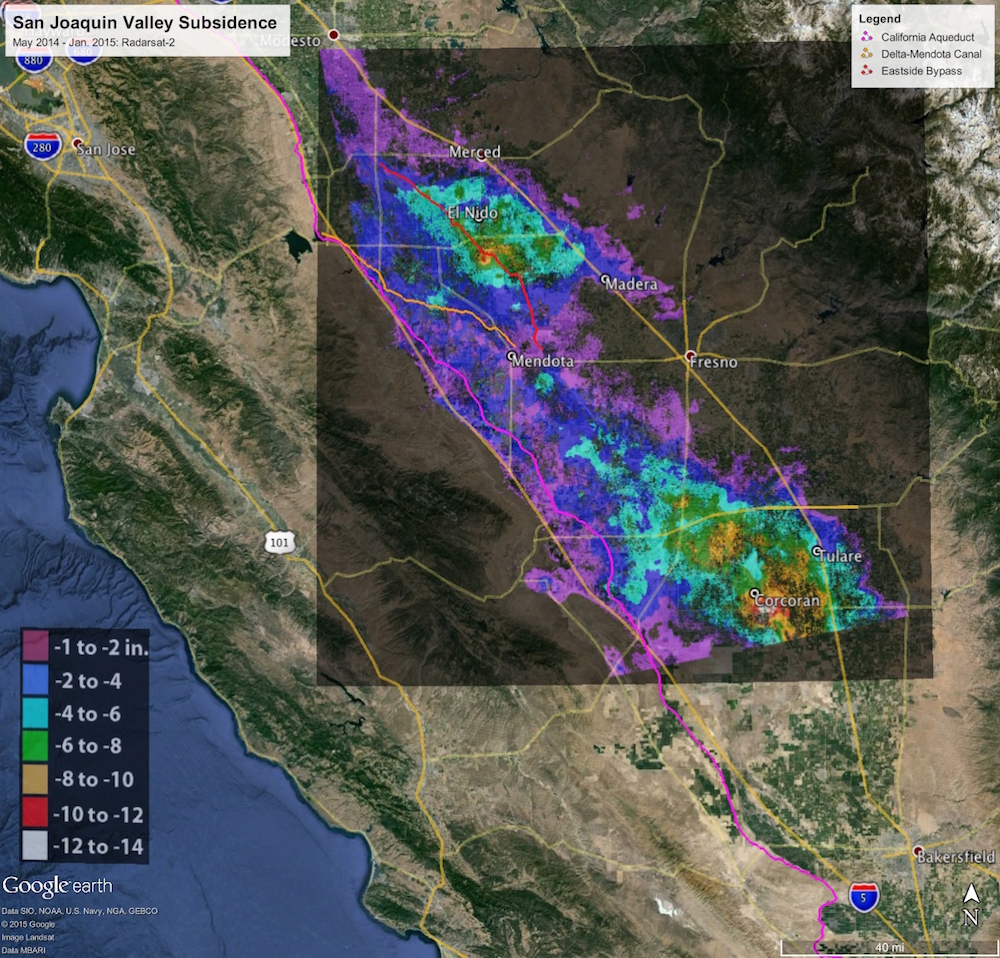
Understanding Land Subsidence in California
Land subsidence is a geological phenomenon where the ground surface settles or sinks. In California, this process is driven by a combination of natural and human-induced factors. While some degree of sinking is a natural geological event, the accelerated rates observed in certain regions are largely attributable to human activities, particularly groundwater extraction.
The Role of Groundwater Extraction
One of the primary drivers of land subsidence in California is the excessive pumping of groundwater. This is particularly prevalent in the arid and semi-arid regions of the Central Valley and southern parts of the state. Aquifers, underground layers of rock or sediment that hold groundwater, are vast reservoirs that have been tapped for agricultural irrigation, urban water supply, and industrial uses for decades.
When groundwater is pumped out faster than it can be replenished by rainfall, the water pressure within the aquifer decreases. This reduction in pressure causes the overlying sediment layers to compact. Think of a sponge that has been squeezed; as the water is removed, the sponge collapses. Similarly, the porous sediments in an aquifer, once supported by the buoyant force of the water, lose their structural integrity and compress. This compaction is often irreversible, leading to a permanent lowering of the land surface.
The San Joaquin Valley has experienced some of the most dramatic subsidence rates in the United States, with some areas sinking as much as 30 feet since the early 20th century. This extensive sinking is a stark visual reminder of the immense quantities of groundwater that have been extracted over the years to sustain the region’s agricultural productivity.
Natural Factors and Geological Structures
While groundwater extraction is a major contributor, natural geological processes also play a role in land subsidence.
Compaction of Sedimentary Basins
California is situated in a geologically active region, characterized by extensive sedimentary basins. Over geological time, these basins have accumulated thick layers of sediment deposited by rivers and ancient seas. These sediments, particularly fine-grained clays and silts, are naturally prone to compaction over long periods. When tectonic forces or other geological stresses are applied, these layers can compress, leading to a gradual sinking of the land.
Tectonic Activity and Fault Lines
The state’s location on the Pacific Ring of Fire means it is subject to significant tectonic activity. While earthquakes are the most visible manifestation of this activity, the subtle movements and adjustments of the Earth’s crust can also contribute to changes in land elevation. In some areas, geological faults can influence subsidence patterns. For instance, areas adjacent to active faults might experience differential subsidence, where one side of the fault sinks more than the other.
Impacts of Land Subsidence on California’s Tourism and Landmarks
The sinking of land in California may not be a dramatic, immediate event like an earthquake, but its gradual nature belies its profound impact on the state’s infrastructure, natural resources, and consequently, its ability to host and attract tourists. The consequences are felt across various sectors, from essential services to the preservation of iconic landmarks.
Infrastructure Damage and Maintenance Challenges
One of the most tangible effects of land subsidence is the damage it inflicts upon infrastructure. Roads, bridges, canals, and buildings are all susceptible to cracking, buckling, and structural compromise as the ground beneath them shifts.
Transportation Networks
California’s extensive network of highways and railways, vital for transporting millions of tourists and goods, can be significantly affected. Subsidence can cause uneven road surfaces, leading to increased wear and tear on vehicles and potentially hazardous driving conditions. Bridges and overpasses may require costly repairs or even complete replacement if their foundations are compromised by sinking land. Similarly, railway lines can become misaligned, leading to speed restrictions and operational disruptions.
Water Management Systems
The state’s sophisticated water management systems, including aqueducts and canals that transport water from wetter regions to arid agricultural and urban areas, are particularly vulnerable. As canals subside, their capacity can be reduced, leading to decreased water flow and potential flooding in adjacent areas. Maintaining these vast networks requires constant monitoring and expensive repairs to ensure water delivery and prevent environmental damage.
Urban Development and Building Foundations
In urban areas, particularly in regions experiencing significant subsidence like parts of the Los Angeles Basin or the Central Valley, buildings can suffer from foundation damage. Older structures may be more susceptible, but even newer constructions can be impacted if the subsidence is severe. This necessitates expensive retrofitting and ongoing maintenance for property owners and can affect the aesthetic appeal and structural integrity of tourist-frequented urban landscapes.
Environmental Consequences Affecting Natural Attractions
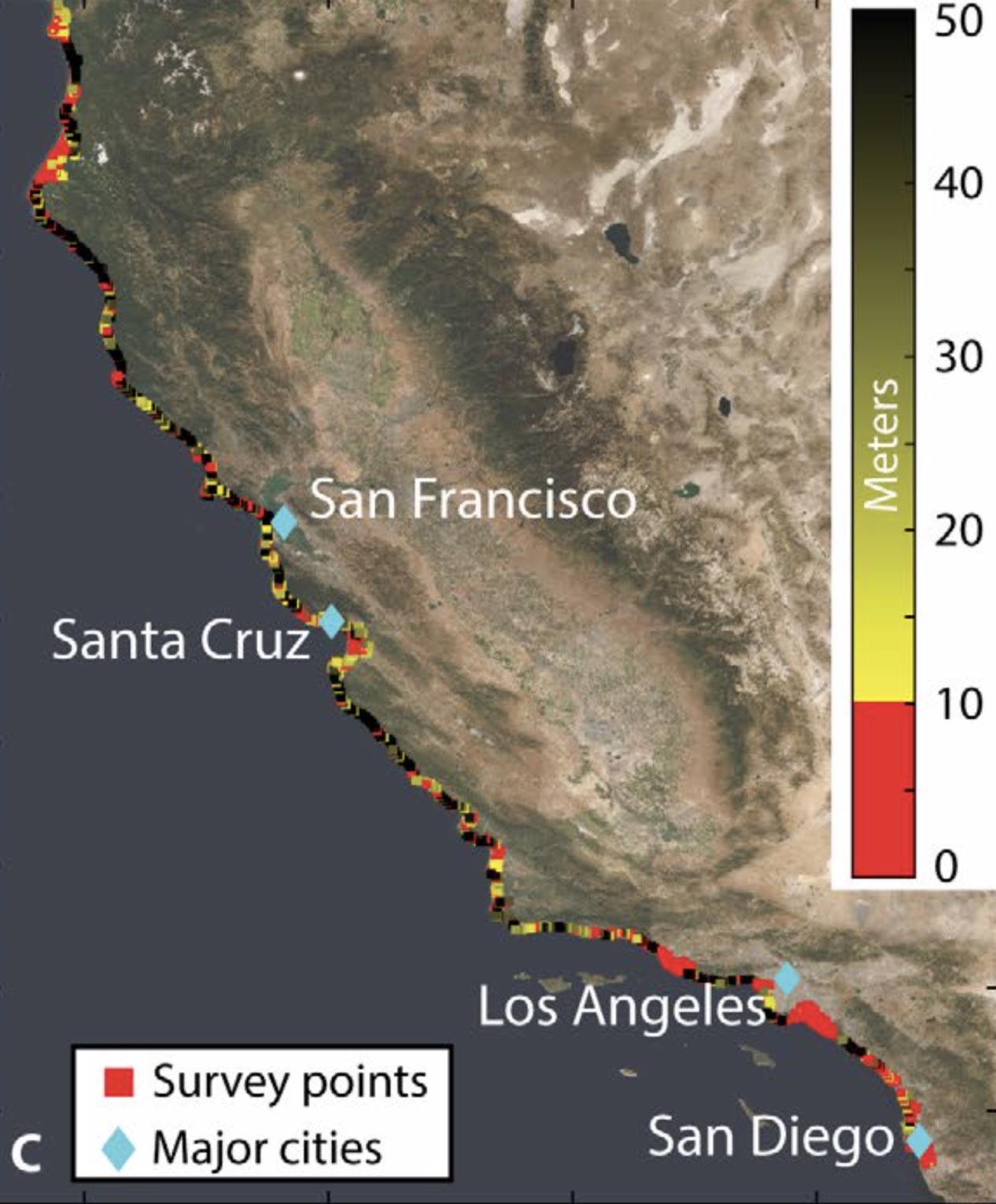
Land subsidence is not just an infrastructural issue; it also has significant environmental ramifications that can impact the natural beauty and accessibility of California’s world-renowned natural attractions.
Coastal Erosion and Wetland Degradation
In coastal areas, land subsidence exacerbates the effects of sea-level rise, leading to increased coastal erosion. As the land sinks, areas that were once above sea level become more vulnerable to inundation. This can threaten coastal habitats, including important wetlands that serve as nurseries for marine life and crucial buffers against storm surges. Iconic coastal destinations and their ecosystems are at risk, potentially diminishing their appeal to nature-loving tourists.
Impact on Wetlands and Wildlife Habitats
Wetlands, such as those found in the San Francisco Bay Area or along the coast, are sensitive ecosystems that rely on specific water levels. Subsidence can alter these levels, leading to wetland degradation, loss of habitat for migratory birds, and impacts on local wildlife populations. This can diminish the opportunities for wildlife viewing and ecotourism, key draws for many visitors.
Changes in Hydrology and Groundwater Recharge
Subsidence can also alter local hydrology. The compaction of aquifers reduces their ability to store water, making the region more vulnerable to drought. Changes in the land surface can also affect how surface water infiltrates the ground, impacting natural groundwater recharge processes and potentially leading to further depletion of water resources. This can affect the health of rivers, lakes, and other water bodies that are often significant tourist attractions.
Managing and Mitigating Subsidence for Sustainable Tourism
Addressing land subsidence in California is a complex, long-term challenge that requires a multi-faceted approach. For a state that heavily relies on its tourism industry, finding sustainable solutions is paramount to preserving its natural and man-made wonders for future generations.
Sustainable Water Management Practices
The most effective way to combat land subsidence driven by groundwater extraction is to adopt more sustainable water management practices. This involves a combination of reducing demand and increasing supply through alternative sources.
Groundwater Recharge and Storage Projects
One promising strategy is to actively replenish aquifers through managed groundwater recharge projects. This involves capturing excess surface water, such as stormwater or excess flows from rivers during wet periods, and directing it to infiltration basins or injection wells to seep into the ground and rehydrate aquifers. Projects like those undertaken by the Orange County Water District demonstrate the effectiveness of this approach in combating subsidence and ensuring a reliable water supply.
Water Conservation and Efficiency
Reducing the overall demand for water is equally crucial. Implementing aggressive water conservation measures across all sectors – agriculture, industry, and residential – can significantly lessen the reliance on groundwater. This includes promoting drought-tolerant landscaping, improving irrigation efficiency in agriculture, and educating the public on water-saving practices.
Diversification of Water Sources
Diversifying California’s water portfolio by investing in recycled water programs, desalination (where environmentally feasible), and improved surface water storage can reduce the pressure on groundwater resources. These strategies, while often costly, are essential for long-term water security and the mitigation of subsidence.
Policy, Regulation, and Technological Solutions
Effective management of land subsidence also necessitates robust policy, stringent regulations, and the application of advanced technological solutions.
Groundwater Management Legislation
Legislation like the Sustainable Groundwater Management Act (SGMA) of 2014 has been a pivotal step in regulating groundwater use in California. SGMA requires local agencies to develop and implement sustainable groundwater management plans to prevent overdraft and address subsidence. Effective enforcement and continued investment in these plans are critical for their success.
Monitoring and Data Collection
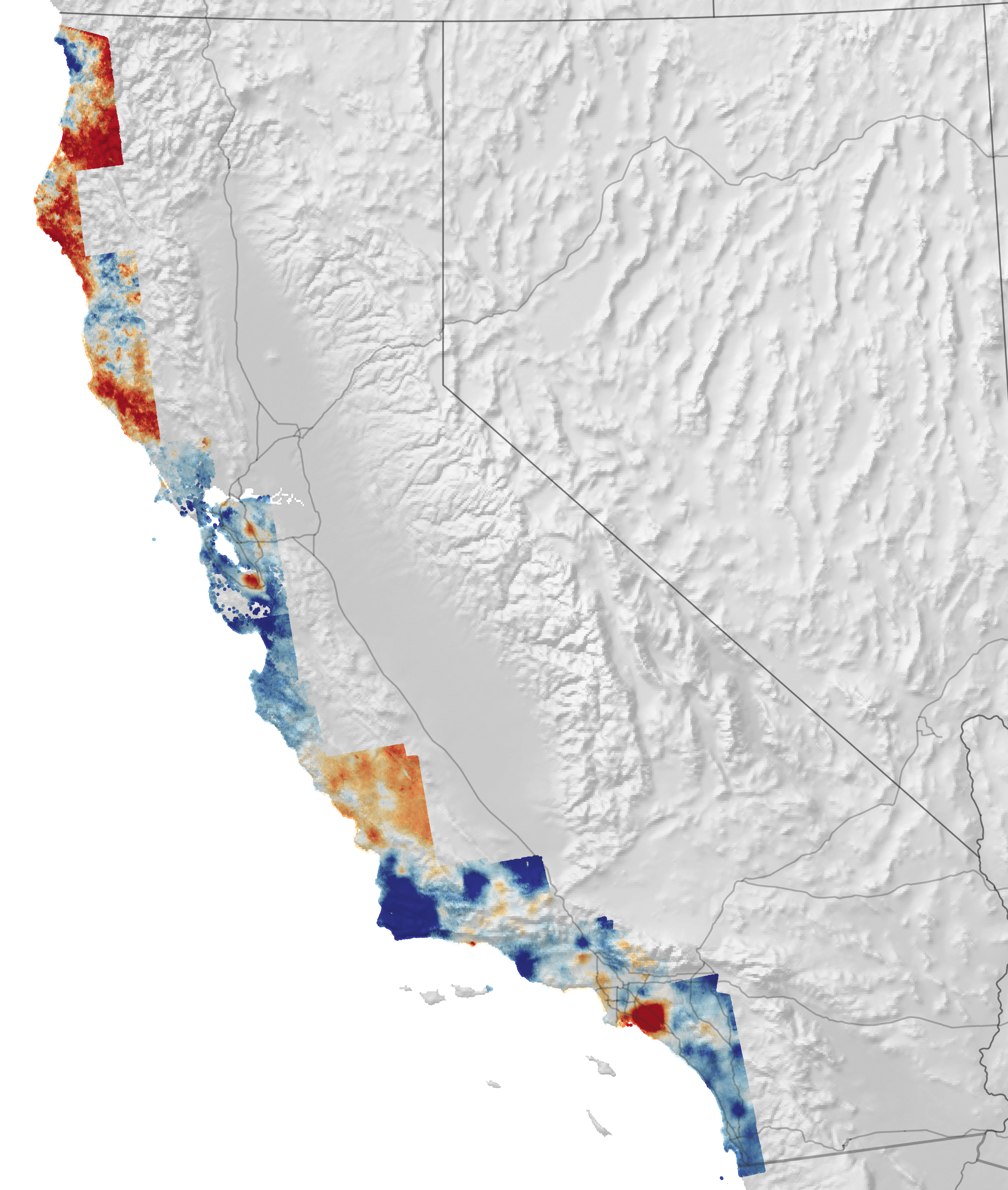
Advanced technologies play a vital role in understanding and tracking land subsidence. Techniques such as Interferometric Synthetic Aperture Radar (InSAR) from satellites, GPS monitoring, and traditional surveying methods allow scientists to map subsidence rates with high precision. This data is crucial for identifying high-risk areas, informing policy decisions, and evaluating the effectiveness of mitigation efforts.
Infrastructure Resilience and Adaptation
For existing infrastructure, adaptation and resilience are key. This involves designing new infrastructure with subsidence in mind, such as using flexible materials or deeper foundations in subsidence-prone areas. For existing structures, retrofitting and reinforcement can help mitigate damage. In some critical areas, elevated structures or flood protection measures might be necessary to counter the combined effects of subsidence and sea-level rise.
By proactively addressing land subsidence, California can protect its invaluable landmarks, ensure the integrity of its tourism infrastructure, and safeguard the natural beauty that draws visitors from around the globe. The ongoing efforts to manage this geological challenge are a testament to the state’s commitment to a sustainable future, ensuring that its allure as a premier travel destination remains undiminished.
LifeOutOfTheBox is a participant in the Amazon Services LLC Associates Program, an affiliate advertising program designed to provide a means for sites to earn advertising fees by advertising and linking to Amazon.com. Amazon, the Amazon logo, AmazonSupply, and the AmazonSupply logo are trademarks of Amazon.com, Inc. or its affiliates. As an Amazon Associate we earn affiliate commissions from qualifying purchases.