
The allure of underglow lighting on a vehicle is undeniable. It transforms a standard car into a rolling spectacle, casting vibrant hues that dance along the asphalt, particularly captivating against the backdrop of a bustling city night. For car enthusiasts, it’s a form of personal expression, a way to stand out from the crowd and showcase their vehicle’s unique personality. This aesthetic appeal has made underglow a popular feature in various car subcultures, from sleek tuners to classic lowriders. However, for anyone considering adding this striking modification to their vehicle, especially within the golden borders of California, a crucial question arises: is underglow legal?
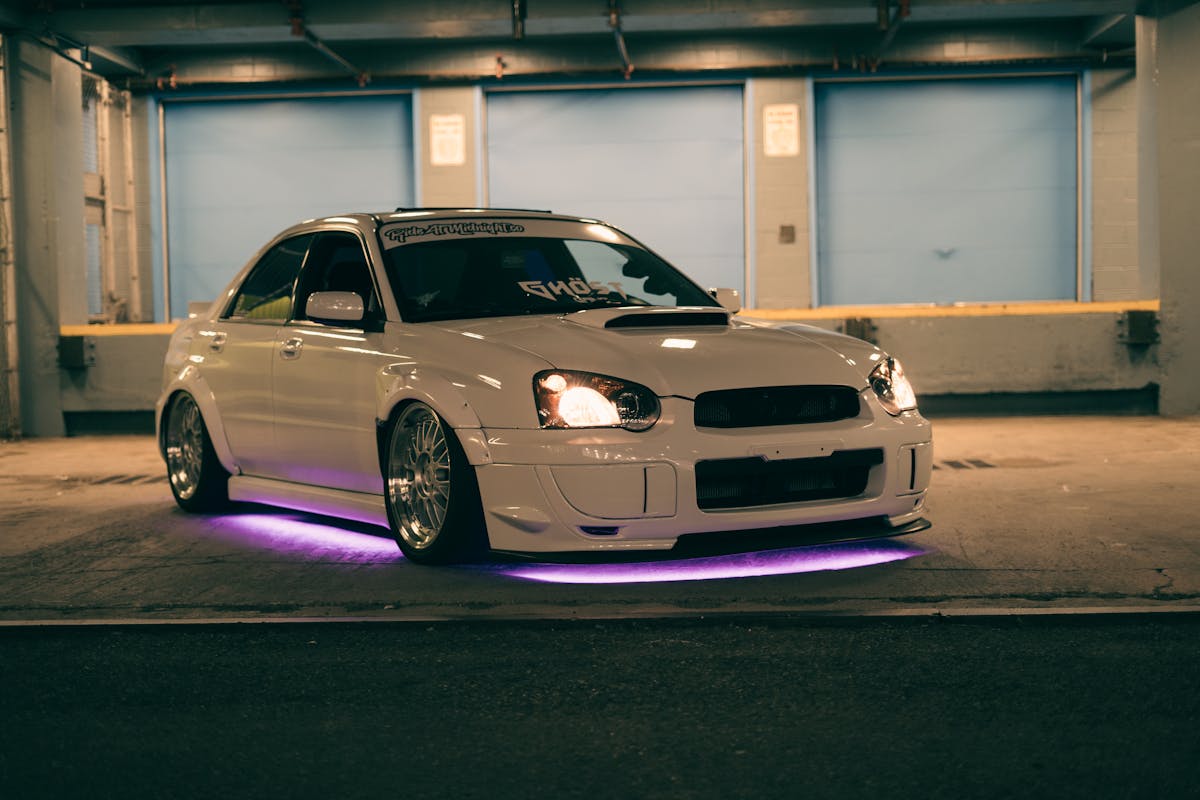
California is renowned for its diverse landscapes, iconic landmarks, and a vibrant, deeply ingrained car culture. From cruising along the scenic Pacific Coast Highway to showcasing custom builds at car meets in Los Angeles, driving is more than just transportation; it’s a lifestyle. This rich automotive tapestry means that vehicle modifications, including lighting enhancements, are a common sight. Yet, this very enthusiasm for customization runs up against a comprehensive set of regulations designed to ensure road safety and prevent confusion for other drivers and emergency personnel. Understanding these laws is paramount, not just for residents but also for travelers who might be bringing their modified vehicles to the state or engaging with California’s unique car scene. This article delves into the specific legalities of underglow lighting in California, exploring what’s permissible, what’s prohibited, and how this fits into the state’s broader automotive and tourism landscape.
Navigating California’s Vehicle Code: The Basics of Underglow Laws
The legal status of underglow in California is not a simple yes or no; it’s nuanced, governed by specific sections of the California Vehicle Code (CVC). These regulations are primarily concerned with safety, aiming to prevent lights that could distract other drivers, resemble emergency vehicle lighting, or create unsafe driving conditions. For car enthusiasts and travelers alike, deciphering these rules is the first step toward enjoying California’s roads responsibly and legally.
The Letter of the Law: What the California Vehicle Code Says
At the heart of California’s underglow legislation are several key prohibitions and restrictions. The most critical aspect is that underglow lighting is generally prohibited when a vehicle is in motion on public roads. The CVC outlines strict rules regarding the color, placement, and functionality of auxiliary lighting.
Firstly, red lights visible from the front of a vehicle are almost universally prohibited for non-emergency vehicles. This is a crucial point for underglow systems, as red light emanating from beneath the vehicle and visible to oncoming traffic could be mistaken for an emergency vehicle, leading to severe penalties. Similarly, flashing or oscillating lights are heavily restricted, typically reserved for law enforcement, fire departments, or other authorized emergency services. A constantly pulsing or strobing underglow system, regardless of color, would almost certainly be illegal on public thoroughfares.
Furthermore, certain colors are regulated due to their association with official vehicles. For instance, blue lights visible from the front or sides are generally restricted to law enforcement. While green lights might seem less problematic, they too can be associated with certain emergency or utility vehicles, leading to scrutiny. The general principle is that any aftermarket lighting that mimics or could be confused with official vehicle lighting is illegal while driving on public roads. These rules are not arbitrary; they are in place to ensure that drivers can clearly distinguish between different types of vehicles and react appropriately, thereby enhancing overall road safety in bustling areas like Los Angeles or San Francisco.
Allowed Use: When and Where Underglow is Permitted
Despite the restrictions on public road use, there are specific circumstances under which underglow lighting is entirely permissible in California. The key distinction lies in the vehicle’s state and location.
The most common and widely accepted use of underglow is when the vehicle is stationary and located on private property or at a designated event. This includes car shows, private gatherings, parking lots (with the owner’s permission), or other non-public spaces. At these events, underglow can be fully displayed and enjoyed without legal repercussions, allowing enthusiasts to showcase their custom builds and lighting designs. Many car shows, particularly in Southern California, celebrate elaborate lighting displays as a core component of vehicle customization.
When it comes to colors, if the underglow system is not visible from the front or sides while driving, and is switched off when in motion on public roads, the color restrictions are less stringent for stationary use. However, even when stationary, avoiding colors typically associated with emergency services (red, blue, green) is a good practice, especially if the vehicle is in a publicly accessible area. Some interpretations of the law allow for amber or white underglow to be used while driving, provided it does not flash, oscillate, or create a distraction, and is not visible above the lowest point of the vehicle. However, this interpretation is often debated and can lead to discretion by law enforcement. The safest approach for any underglow system, regardless of color, is to ensure it is completely turned off when driving on any public street, highway, or thoroughfare in California. This cautious approach ensures compliance and avoids potential legal issues, allowing travelers and locals to enjoy the state’s incredible roads without unnecessary stress.
Underglow and California’s Iconic Car Culture
California is synonymous with automotive innovation, iconic road trips, and a deep-rooted passion for cars. From the sunny boulevards of Los Angeles to the rolling hills around San Francisco, the state’s car culture is diverse and vibrant, encompassing everything from classic hot rods to cutting-edge electric vehicles. Within this rich tapestry, underglow lighting finds its niche as a form of artistic expression, particularly within certain lifestyle movements.
A Lifestyle Choice: Lowriders, Tuners, and Custom Builds
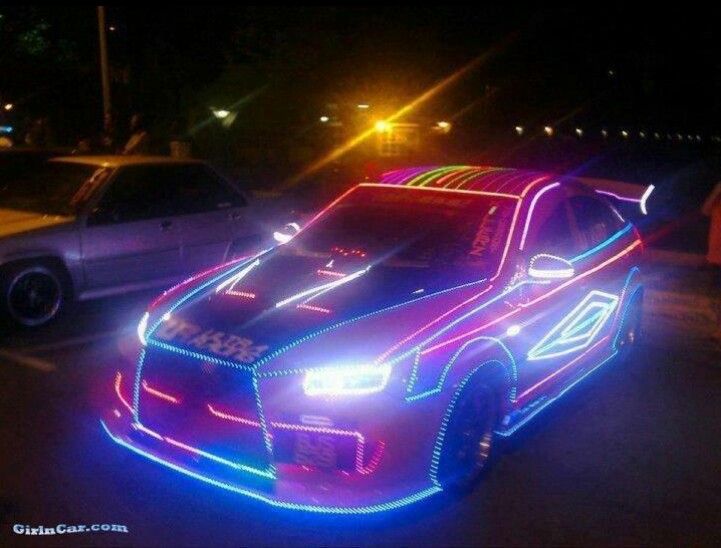
The history of car customization in California is as colorful as the state’s landscapes. Southern California, in particular, has been a crucible for automotive trends, birthing movements like lowriding and influencing the global tuner scene. Underglow lighting has long been a cherished element in these subcultures, serving as a powerful visual statement.
Lowriders, with their hydraulic suspensions and meticulously painted bodies, often incorporate underglow to emphasize their low stance and enhance their visual appeal during cruises and shows. The soft glow beneath a classic Chevrolet Impala or Cadillac adds another layer of artistry to these mobile masterpieces. Similarly, the tuner scene, focused on performance and aesthetic modifications, often utilizes underglow to highlight aerodynamic kits, custom wheels, and the overall aggressive stance of vehicles like souped-up Honda Civics or Nissan Skylines. For these enthusiasts, underglow isn’t merely an accessory; it’s an integral part of their vehicle’s identity, reflecting countless hours of dedication and personalization. It represents a lifestyle choice, a declaration of individuality that resonates deeply within the California car community. The challenge for these passionate individuals, whether locals or visitors, lies in balancing this desire for expression with adherence to the state’s rigorous vehicle codes, ensuring their artistic statements are made responsibly and legally.
Car Shows, Events, and Tourist Attractions
California plays host to an impressive calendar of car shows, meets, and automotive events throughout the year, drawing enthusiasts from across the globe. These gatherings are the primary venues where underglow lighting can be fully appreciated in its intended glory, without the constraints of public road laws. Events ranging from local community cruise nights to major exhibitions like the LA Auto Show provide a legal and celebrated platform for showcasing custom vehicles with elaborate lighting setups.
For travelers, attending a car show in California offers a unique glimpse into the state’s vibrant automotive culture. Imagine wandering through a twilight gathering where dozens of cars glow in a kaleidoscope of colors, their underglow systems casting pools of light that reflect off polished chrome and shimmering paintwork. It’s a photographer’s dream and a spectacle that truly captures the spirit of innovation and customization that defines California’s automotive scene. When visiting major tourist attractions or famous driving routes like Hollywood Boulevard or the Sunset Strip, it’s common to see custom cars. While underglow might be present on these vehicles, responsible owners will have their systems turned off while navigating public streets. The visual appeal of these areas at night, combined with the presence of unique vehicles, forms an unforgettable experience for visitors. Many hotels and resorts throughout California, particularly those catering to event tourism or luxury travel, are accustomed to guests arriving with high-value or custom vehicles, often providing secure parking or specialized services. For instance, a luxurious establishment like The Langham Huntington, Pasadena, known for hosting classic car shows, exemplifies how premium accommodations blend with automotive passion, creating an exclusive experience for enthusiasts.
Practical Advice for Travelers and Car Enthusiasts in California
Whether you’re a long-time resident or planning a road trip through California, understanding the nuances of vehicle modifications, especially underglow, is essential for a hassle-free experience. The state prioritizes road safety, and adherence to its vehicle code is a non-negotiable aspect of driving.
Avoiding Legal Pitfalls: Tips for Safe and Compliant Driving
The most crucial piece of advice regarding underglow lighting in California is unequivocally clear: turn it off when driving on public roads. This simple action can prevent a range of legal issues, from minor citations to more significant penalties. Enforcement can vary depending on the jurisdiction and the discretion of individual law enforcement officers, but the law itself is generally strict.
Here are some key tips for ensuring compliance:
- Switch It Off: Before entering any public road, ensure your underglow system is completely deactivated. This includes main roads, highways, and even residential streets.
- Understand Color Restrictions: While turned off on public roads, the color of your underglow system doesn’t matter. However, if you must use any auxiliary lighting while driving (e.g., for accentuating wheels, which sometimes crosses into underglow territory), stick strictly to white or amber, ensure it’s non-flashing, and it must not be visible above the lowest portion of the vehicle or visible from the front. Even then, discretion is key.
- Avoid Mimicking Emergency Vehicles: Never install lights that flash, rotate, or use red or blue colors in a way that could resemble law enforcement or emergency vehicles. This is a severe offense.
- Check Local Ordinances: While California Vehicle Code applies statewide, some cities or counties might have additional, albeit rare, local ordinances regarding vehicle aesthetics or noise. While less common for lighting, it’s always wise to be informed, especially if planning an extended stay or attending local events in specific destinations like San Diego or Sacramento.
- Consequences: Ignoring these laws can result in fines, fix-it tickets requiring removal or modification of the lighting, and even vehicle impoundment in extreme cases. For travelers, this can severely disrupt travel plans and incur unexpected expenses.
Enhancing Your California Travel Experience (Legally)
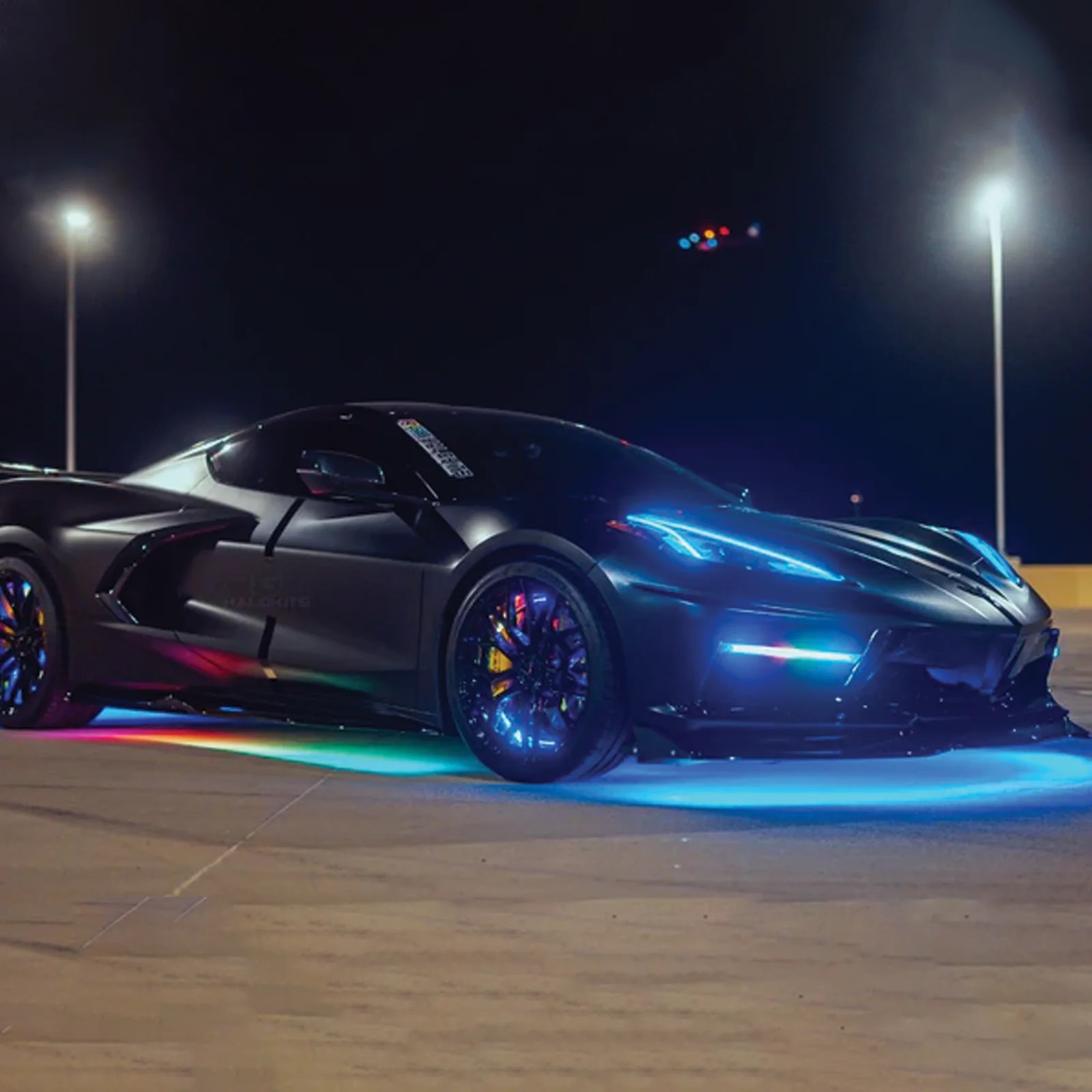
California offers countless ways to enjoy its vibrant culture and stunning scenery without engaging in illegal vehicle modifications. For car enthusiasts, the legal avenues for expressing their passion are abundant. Consider planning your travel around major car events or festivals where underglow and other modifications are celebrated in a safe, designated environment. These events often coincide with peak tourist seasons, allowing you to combine your automotive interests with exploring famous landmarks and attractions.
When booking accommodation, especially for those traveling with unique vehicles, it’s worth researching hotels that cater to automotive enthusiasts. Many resorts and hotels, particularly in areas like Southern California, offer secure parking, valet services, or even special packages for guests attending local car shows. This attention to detail can significantly enhance your travel experience, providing peace of mind about your vehicle’s safety while you explore nearby destinations, indulge in local cuisine, or simply relax.
Beyond modifications, the joy of driving in California can be found in experiencing its legendary road trips. Imagine a scenic drive along the Pacific Coast Highway, soaking in breathtaking ocean views, or traversing through the dramatic landscapes near Lake Tahoe. These journeys are inherently rewarding, offering opportunities to connect with the state’s natural beauty and diverse culture. Embracing the legal guidelines ensures that your focus remains on the joy of the journey and the beauty of your surroundings, rather than on potential legal troubles.
In conclusion, while the aesthetic appeal of underglow lighting is undeniable, its legality in California is strictly limited to stationary use on private property or at designated events. For those driving on public roads, the safest and only legally compliant approach is to keep underglow systems completely turned off. By understanding and respecting these regulations, both residents and visitors can fully enjoy California’s dynamic car culture and stunning destinations without encountering unnecessary legal obstacles.
LifeOutOfTheBox is a participant in the Amazon Services LLC Associates Program, an affiliate advertising program designed to provide a means for sites to earn advertising fees by advertising and linking to Amazon.com. Amazon, the Amazon logo, AmazonSupply, and the AmazonSupply logo are trademarks of Amazon.com, Inc. or its affiliates. As an Amazon Associate we earn affiliate commissions from qualifying purchases.