
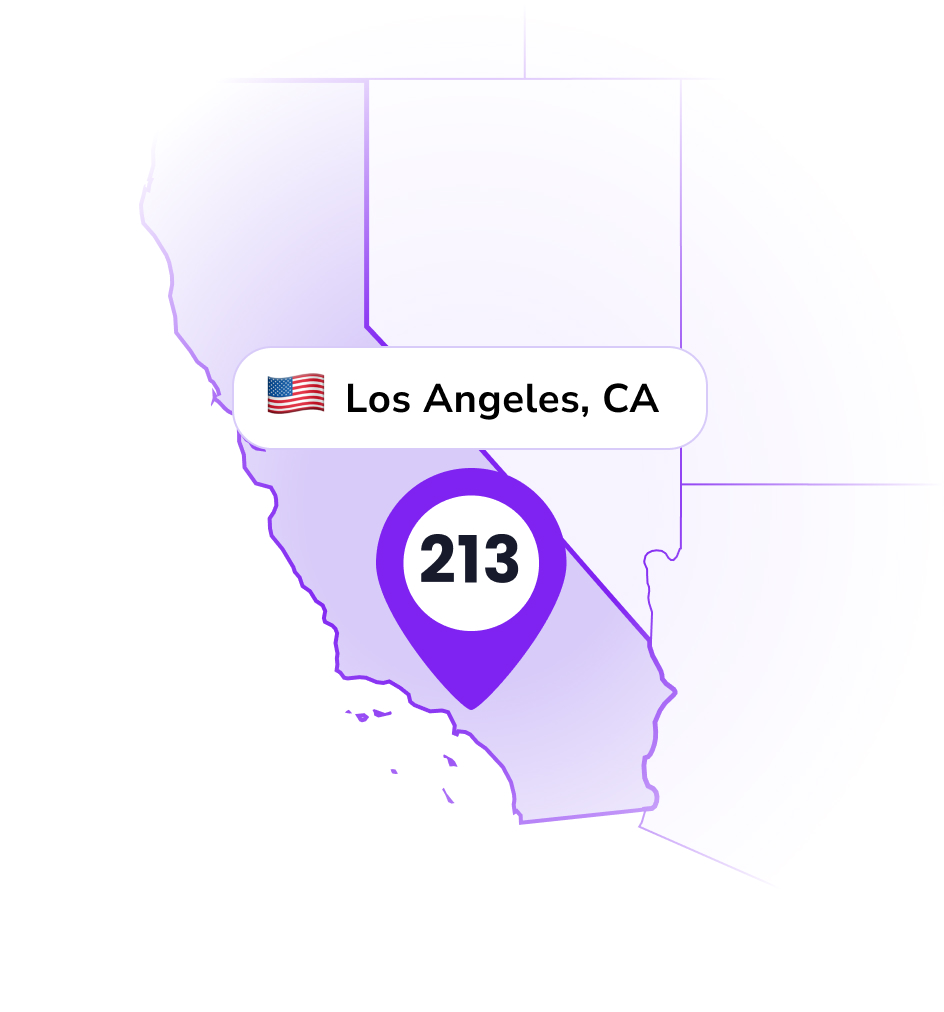
For anyone planning a trip to the Golden State, understanding the local telecommunication landscape can be as insightful as knowing the best local eateries or historical landmarks. In the vast and vibrant tapestry of California’s area codes, 213 stands out as one of the most historically significant. It’s not just a set of digits; it’s a direct link to the heart of one of the world’s most iconic cities: Los Angeles. This area code specifically designates the bustling, dynamic core of Downtown Los Angeles and its immediate surrounding districts.
For travelers, knowing that an establishment or contact uses the 213 area code immediately pinpoints them within this central urban hub, hinting at an experience steeped in history, culture, and metropolitan energy. It implies proximity to many of Los Angeles’s most famous attractions, a diverse culinary scene, and a wide array of accommodation options, from historic grand hotels to modern boutique stays. Beyond the practical aspect of making a phone call, 213 serves as an identifier, a subtle clue to the vibrant lifestyle and rich experiences awaiting visitors in this specific part of Southern California.

Unraveling the 213 Area Code: A Glimpse into Los Angeles
The 213 area code is more than just a sequential set of numbers; it’s a historical marker that tells a story of urban growth and technological evolution. As one of the original 86 area codes established in 1947 by AT&T and the Bell System, 213 was initially vast, covering almost all of Southern California, from Santa Barbara to San Diego, and even parts of Nevada. However, as Los Angeles boomed in population and economic importance, the area code had to be split multiple times to accommodate the ever-increasing demand for phone numbers.
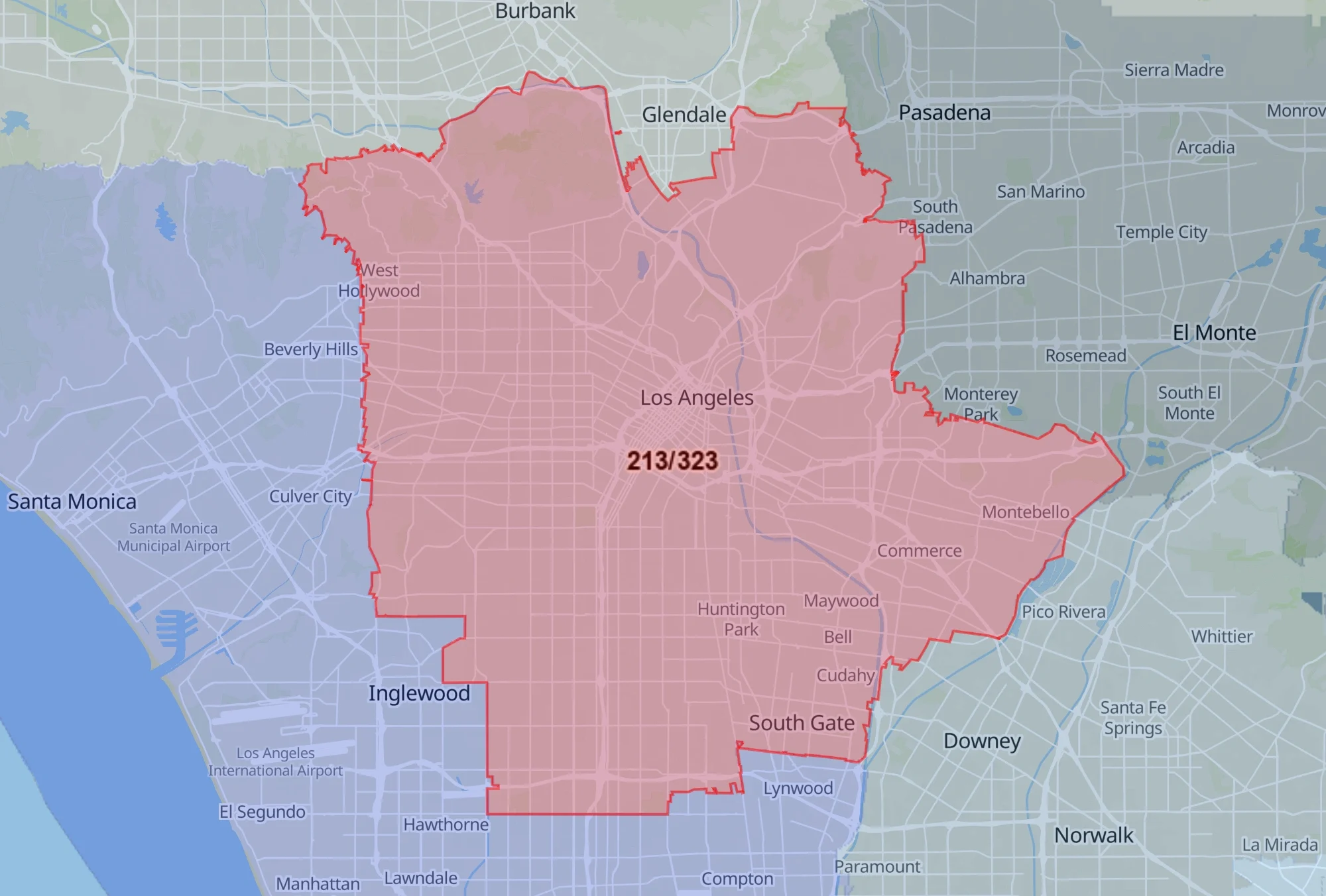
Today, the 213 area code is highly concentrated, covering a relatively compact but densely populated urban core. This area is a melting pot of cultures, a hub for finance and entertainment, and a testament to Los Angeles’s relentless evolution. Understanding its geographic scope helps travelers appreciate the interconnectedness of the city’s various districts and plan their itineraries more effectively, knowing they are at the very epicenter of metropolitan life.
The Geographic Heartbeat: Downtown Los Angeles and Its Surroundings
The 213 area code is synonymous with Downtown Los Angeles (DTLA), a district that has undergone a massive revitalization in recent decades, transforming into a vibrant nexus of commerce, culture, and residential living. Within this compact zone, you’ll find a striking juxtaposition of historic architecture and gleaming modern skyscrapers. From the historic core with its ornate theaters and Art Deco buildings to the ultra-modern towers of the Financial District, DTLA offers a diverse urban landscape.
The area code also extends slightly beyond the immediate downtown grid, encompassing adjacent neighborhoods that contribute significantly to Los Angeles’ unique character. These include the historic charm of Chinatown, the bustling markets and cultural heritage of Little Tokyo, and the vibrant, artistic pulse of the Arts District. Each of these areas offers distinct experiences, from authentic ethnic cuisine and traditional festivals to cutting-edge art galleries and trendy breweries. For travelers focused on cultural immersion, these 213-designated neighborhoods provide an authentic glimpse into the city’s diverse communities and creative spirit, all within easy reach of each other via the city’s Metro rail and bus systems.
A Legacy of Communication: The Evolution of 213
The history of the 213 area code mirrors the phenomenal growth of Los Angeles itself. Its initial vastness reflected a simpler era of telecommunications, but as the city burgeoned post-World War II, the need for more phone numbers became critical. This led to a series of “splits,” where parts of the original 213 territory were assigned new area codes. For instance, the 714 area code was created in 1951 to serve Orange County, including what is now Anaheim and the home of Disneyland Park. Later, 818 was carved out for the San Fernando Valley in 1984, followed by 310 for West Los Angeles and the South Bay in 1991, and 562 for Long Beach and parts of Southeast Los Angeles in 1997.
Each split narrowed the geographic scope of 213, consolidating its identity with the core of Downtown Los Angeles. This evolution reflects not just a technical necessity but also the demographic shifts and economic development of the region. In 1999, the 323 area code was overlaid onto the remaining 213 territory, meaning new phone numbers assigned within the 213 geographic area could now begin with either 213 or 323. This “overlay” system eliminated the need for further geographic splits but necessitated ten-digit dialing even for local calls. This historical context is not just trivia; it illustrates the dynamic nature of Los Angeles’ infrastructure and its continuous adaptation to growth, a narrative that underpins much of the city’s appeal to visitors interested in urban development and modernity.
Experiencing Los Angeles: Top Attractions in the 213 Zone
The 213 area code is a treasure trove for tourists, packed with some of Los Angeles’ most significant cultural institutions, architectural marvels, and entertainment venues. From world-class museums to historic markets and vibrant performance spaces, the opportunities for exploration are boundless. For those seeking to immerse themselves in the city’s diverse offerings, focusing on the 213 zone provides a rich and concentrated travel experience that minimizes transit time and maximizes engagement with the urban environment.
Whether your interest lies in art, history, food, or simply soaking in the metropolitan atmosphere, the downtown area code delivers. This accessibility makes it an ideal base for first-time visitors or those on a tight schedule, allowing them to capture the essence of Los Angeles without venturing too far afield.
Iconic Landmarks and Cultural Hotspots
Within the 213 area, visitors will find an impressive concentration of landmarks that define Los Angeles’ cultural identity. The magnificent Walt Disney Concert Hall, designed by Frank Gehry, is an architectural masterpiece and home to the Los Angeles Philharmonic. Nearby, The Broad museum offers free admission to its impressive collection of contemporary art, including Yayoi Kusama’s popular “Infinity Mirrored Room.” These institutions stand as testaments to the city’s thriving arts scene.
For a glimpse into Los Angeles’ past, Olvera Street, often referred to as “the birthplace of Los Angeles,” offers a vibrant Mexican marketplace with historic buildings, traditional food, and cultural performances. Just a short walk away, Grand Central Market has been serving downtown residents since 1917, evolving into a modern food hall featuring diverse culinary delights from around the globe. Sports enthusiasts will recognize the Crypto.com Arena, formerly the Staples Center, which hosts the Lakers, Clippers, Kings, and Sparks. These sites, among many others, collectively create a compelling narrative of Los Angeles’s journey from a pueblo to a global metropolis, offering something for every type of traveler.
Culinary Journeys and Entertainment Hubs
The 213 area code is a paradise for foodies and entertainment seekers. Downtown Los Angeles’s culinary scene is incredibly diverse, reflecting the city’s multicultural population. From Michelin-starred restaurants serving innovative cuisine to casual food stalls at Grand Central Market, there’s an option for every palate and budget. The neighborhoods of Little Tokyo and Chinatown offer authentic Asian dining experiences, from ramen and sushi to dim sum and Szechuan specialties. The Arts District, once an industrial zone, is now brimming with trendy eateries, craft breweries, and artisan coffee shops, making it a popular spot for a relaxed evening out.
Beyond dining, the 213 zone is a significant entertainment hub. The Walt Disney Concert Hall hosts classical music performances, while the historic Broadway Theater District showcases beautifully restored venues for live theater, concerts, and film screenings. Rooftop bars across downtown offer stunning panoramic views of the city skyline, perfect for an evening cocktail. The L.A. Live entertainment complex, adjacent to the Crypto.com Arena, features a wide array of restaurants, a movie theater, and music venues, ensuring there’s always something happening after dark. This blend of gastronomy and entertainment makes the 213 area code a lively destination for both day and night activities.
Accommodation and Lifestyle: Staying in the 213 Area
When planning a trip to Los Angeles, selecting the right accommodation is crucial, and the 213 area code offers a spectrum of choices that cater to various tastes and budgets. Downtown Los Angeles has seen an explosion of hotel development and renovation, providing visitors with everything from opulent five-star resorts to chic boutique hotels and comfortable extended-stay apartments. This density of options, combined with excellent public transportation links, makes staying in the 213 zone a strategic choice for many travelers, allowing easy access to numerous attractions and business centers.
The lifestyle in the 213 area is distinctly urban, characterized by a fast pace, diverse communities, and a constant hum of activity. It appeals to those who enjoy city living, appreciate architectural diversity, and value proximity to cultural institutions and entertainment venues. Whether you’re traveling for business or leisure, alone or with family, the accommodation landscape here is designed to meet a wide range of needs and preferences, often reflecting the unique blend of historic charm and modern sophistication that defines downtown.
From Luxury Suites to Boutique Stays
The accommodation landscape within the 213 area code is remarkably diverse. For those seeking luxury, Downtown Los Angeles boasts several high-end hotels that offer impeccable service, exquisite dining, and stunning city views. The Ritz-Carlton, Los Angeles and the JW Marriott Los Angeles L.A. Live provide lavish experiences directly within the L.A. Live complex, ideal for those attending events at Crypto.com Arena. Historic gems like the Millennium Biltmore Hotel Los Angeles offer a glimpse into old Hollywood glamour with their ornate ballrooms and classic architecture, providing a unique blend of history and luxury.
Beyond the grand hotels, the 213 area is home to a growing number of stylish boutique hotels that cater to travelers looking for unique, personalized experiences. The Ace Hotel Downtown Los Angeles, housed in the historic United Artists building, blends vintage charm with modern design, complete with a rooftop pool and vibrant nightlife. The Hotel Figueroa, a recently renovated Spanish Colonial Revival landmark, offers an artistic oasis with a beautiful outdoor pool and a distinct bohemian vibe. For budget-conscious travelers, there are also numerous mid-range hotels and apartment-style accommodations, particularly in areas like Little Tokyo and near the Convention Center, providing comfortable and convenient stays without compromising on access to downtown attractions.
Navigating the Urban Landscape: Travel Tips
Navigating the 213 area code is made significantly easier by Los Angeles’ extensive public transportation system, particularly the Metro Rail and Metro Bus. For visitors staying in Downtown Los Angeles, utilizing the Metro is highly recommended for exploring the immediate area and connecting to other parts of the city like Hollywood, Pasadena, or Santa Monica. The Pershing Square, 7th Street/Metro Center, and Union Station hubs are central to the system, providing convenient access to most downtown attractions. Purchasing a TAP card makes travel seamless and cost-effective.
For those who prefer walking, many of Downtown Los Angeles’s key attractions, such as Grand Central Market, The Broad, and Walt Disney Concert Hall, are within comfortable walking distance of each other. Ride-sharing services are also widely available and provide a convenient alternative for getting around, especially for late-night outings or reaching destinations slightly off the Metro lines. While driving in Los Angeles can be challenging due to traffic and parking, staying in the 213 area and relying on public transport or ride-shares can significantly reduce stress and enhance the urban exploration experience, allowing travelers to truly immerse themselves in the city’s vibrant rhythm.
Planning Your Trip to 213: Essential Tourism Insights
Embarking on a journey to the 213 area of Los Angeles offers a condensed yet incredibly rich experience of one of the world’s most dynamic cities. To maximize your visit, it’s beneficial to consider how Downtown Los Angeles can serve as your base for broader Californian adventures, integrating cultural immersion with practical travel strategies. This central location provides a strategic starting point for exploring not only the vibrant core but also acting as a gateway to other renowned destinations, truly embodying the spirit of diverse travel experiences that California is famous for.
Understanding the unique offerings and logistical advantages of staying within the 213 zone will empower travelers to craft an itinerary that is both efficient and deeply rewarding, ensuring they capture the essence of Los Angeles while also having the flexibility to explore beyond. From the practicalities of travel to embracing the distinct Californian lifestyle, careful planning enhances every aspect of your journey.
Beyond the City Center: Day Trips and Excursions
While the 213 area code offers an abundance of attractions, its central location also makes it an excellent launchpad for day trips and excursions to other parts of Southern California. From Union Station, a major transportation hub within the 213 zone, travelers can easily access Metrolink commuter trains to destinations like Orange County, including Anaheim for Disneyland Park or Knott’s Berry Farm. The Metro Gold Line connects Downtown Los Angeles to Pasadena, famous for its Rose Bowl and historic Old Town, offering a charming contrast to the urban bustle.
For those interested in the glitz and glamour, a short Metro Red Line ride can take you directly to Hollywood for the Walk of Fame, Universal Studios Hollywood, or a hike up to the Griffith Observatory for stunning city views and a glimpse of the Hollywood Sign. Beach lovers can reach Santa Monica and Venice Beach by taking the Metro Expo Line. These easily accessible excursions underscore the versatility of using the 213 area as a strategic base, allowing travelers to experience the full spectrum of Los Angeles’ diverse offerings, from urban exploration to iconic theme parks and scenic coastlines.
Embracing the Californian Dream
Ultimately, a trip to the 213 area code is about more than just numbers or geography; it’s about embracing the quintessential Californian dream within a vibrant urban context. Los Angeles’ downtown core, defined by the 213 area, offers a unique blend of history and modernity, luxury and grit, artistic expression and corporate power. It provides a microcosm of the city’s broader appeal: a place where diverse cultures converge, innovative ideas flourish, and opportunities abound.
For the budget traveler, the accessibility of public transport and varied dining options ensure an enriching experience without breaking the bank. For the luxury seeker, the high-end hotels and exclusive dining offer a taste of opulence. Families will find educational museums and lively entertainment, while business travelers will appreciate the connectivity and central location. The 213 area encourages visitors to step out of their comfort zones, explore its hidden gems, engage with its local culture, and ultimately, discover their own version of the Californian lifestyle. It’s a destination that promises not just sights, but an immersive experience, leaving travelers with lasting memories of a city that truly never sleeps.
LifeOutOfTheBox is a participant in the Amazon Services LLC Associates Program, an affiliate advertising program designed to provide a means for sites to earn advertising fees by advertising and linking to Amazon.com. Amazon, the Amazon logo, AmazonSupply, and the AmazonSupply logo are trademarks of Amazon.com, Inc. or its affiliates. As an Amazon Associate we earn affiliate commissions from qualifying purchases.