
Florida, renowned globally as a premier destination for travel, tourism, and luxurious lifestyles, offers an unparalleled array of attractions, from the vibrant theme parks of Orlando to the serene beaches of the Gulf Coast and the dynamic cultural hubs of Miami. Millions of visitors flock to the Sunshine State annually, drawn by its diverse landscapes, world-class accommodations, and endless opportunities for adventure and relaxation. However, beyond the allure of its famous landmarks and thrilling experiences, Florida also prioritizes the safety and well-being of its residents and guests through various critical public safety initiatives. Among these, the Silver Alert system stands out as a vital mechanism, particularly in a state with a significant senior population. For anyone planning a trip, considering a long-term stay, or simply residing in Florida, understanding the Silver Alert is not just beneficial—it’s an essential aspect of community awareness and responsible travel.
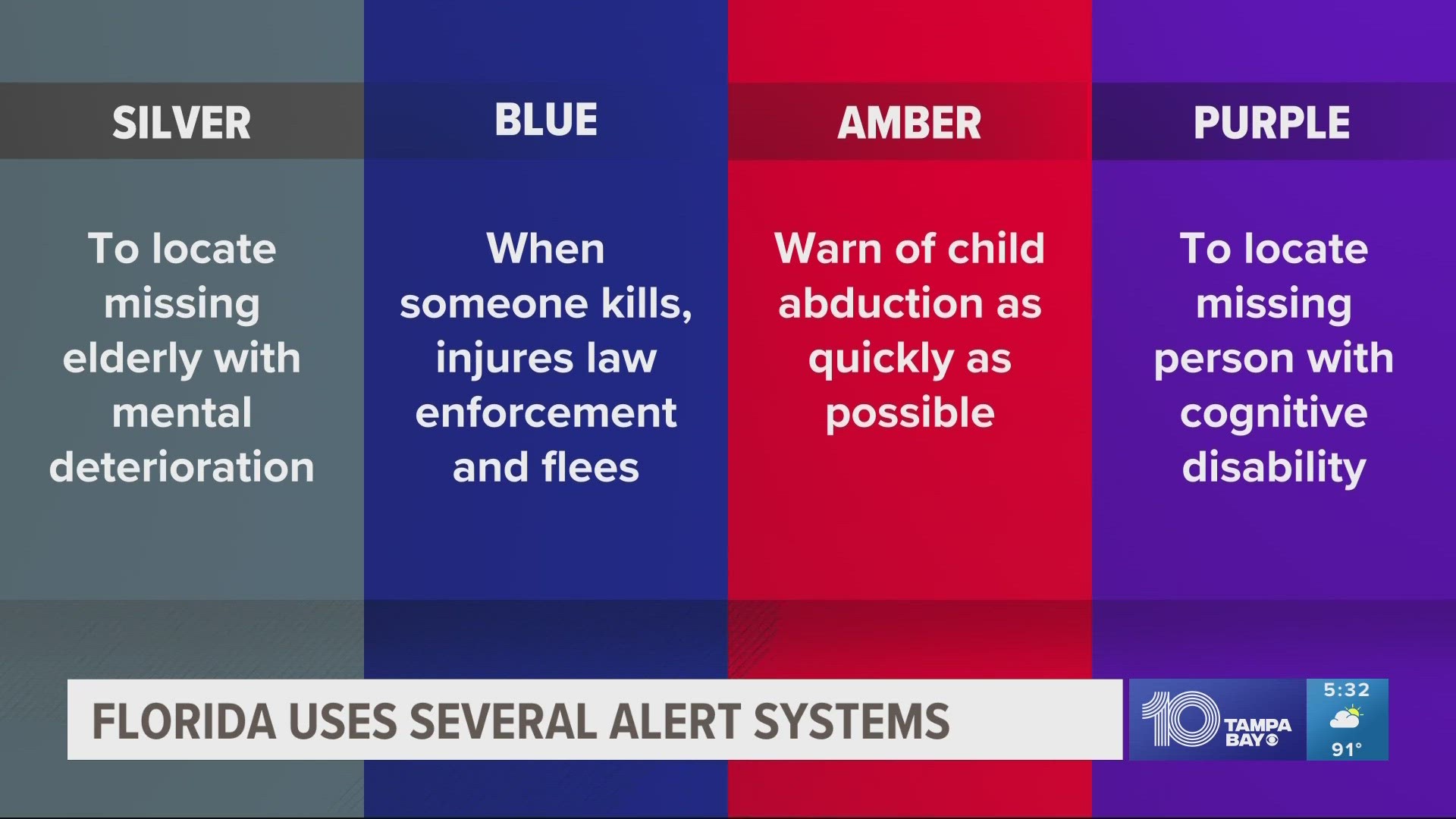
The Silver Alert is a statewide emergency notification system designed to rapidly disseminate information about missing vulnerable adults, often those suffering from cognitive impairments such as Alzheimer’s disease or dementia. These alerts are critical tools in expediting the safe recovery of individuals who may be disoriented, unable to communicate effectively, or in danger due to their condition. For tourists exploring Florida’s diverse destinations, from the bustling streets of Tampa to the tranquil atmosphere of Key West, encountering a Silver Alert, whether on a digital highway sign or through local media, is a common occurrence. Knowing what these alerts signify and how to respond contributes to the collective safety network that defines the Florida experience, ensuring that the state remains a welcoming and secure environment for everyone. This article delves into the intricacies of Florida’s Silver Alert system, its operational framework, its profound impact on community safety, and its relevance to both visitors and those working within the tourism and accommodation sectors.
Understanding the Silver Alert System
The Silver Alert system in Florida is a carefully structured emergency response mechanism, designed to protect some of the state’s most vulnerable citizens. Its inception recognized the unique challenges associated with locating adults who, due to age-related cognitive decline or other mental impairments, might wander off and become disoriented or endangered. The system operates on the principle of widespread public awareness, leveraging various communication channels to transform ordinary citizens into potential lifesavers.
Purpose and Activation Criteria
At its core, the Silver Alert serves a singular, critical purpose: to quickly find and return missing vulnerable adults to safety. Unlike an AMBER Alert, which focuses on abducted children, the Silver Alert specifically targets individuals aged 60 or older who have an irreversible deterioration of intellectual faculties, such as Alzheimer’s disease or dementia. In some cases, the alert may also be activated for younger adults with a mental impairment that places them at risk.
The decision to activate a Silver Alert is not taken lightly and involves a stringent set of criteria to ensure its effectiveness and prevent overuse, which could diminish public responsiveness. The primary agency responsible for managing and coordinating these alerts is the Florida Department of Law Enforcement (FDLE). For a Silver Alert to be issued by the FDLE, the following conditions must typically be met:
- Age and Condition: The missing person must be 60 years of age or older, or a person aged 18-59 with a mental impairment. Medical documentation or a clear diagnosis of a cognitive disorder is usually required.
- Irreversible Deterioration: There must be an irreversible deterioration of intellectual faculties (e.g., Alzheimer’s, dementia).
- Endangerment: Law enforcement must confirm that the missing person’s disappearance poses a credible threat to their safety and welfare. This often means they are without necessary medication, exposed to severe weather, or in an unfamiliar environment without the means to navigate or care for themselves.
- Vehicle Information: If the missing person is believed to be driving, vehicle information (make, model, color, license plate number) is crucial for dissemination via electronic message boards and other channels.
- Law Enforcement Request: A local law enforcement agency must initiate the request after conducting an initial investigation and concluding that the individual meets the Silver Alert criteria. This ensures local knowledge and verified information precede a statewide broadcast.
Once these criteria are met, the FDLE acts swiftly to deploy the alert across various platforms, mobilizing a vast network of individuals and organizations in the search effort.
How Alerts are Disseminated
The effectiveness of the Silver Alert system hinges on its ability to reach the widest possible audience in the shortest amount of time. To achieve this, the FDLE utilizes a multi-faceted approach to dissemination, leveraging both traditional and modern communication technologies. This comprehensive strategy ensures that whether you are a local resident or a visitor exploring Florida’s diverse offerings, you are likely to be aware of an active alert in your vicinity.
Key dissemination channels include:
- Broadcast Media: Television and radio stations across Florida play a pivotal role. News outlets interrupt regular programming or issue bulletins to inform the public about active Silver Alerts, providing descriptions of the missing person and any known circumstances of their disappearance.
- Digital Highway Message Boards: The Florida Highway Patrol (FHP) activates electronic message boards along major interstates and highways, such as I-4 near Orlando or I-95 along the Atlantic Coast. These boards display critical information, especially if a vehicle is involved, reaching thousands of commuters and travelers each day.
- Social Media and Internet: The FDLE and local law enforcement agencies actively use platforms like Twitter, Facebook, and their official websites to share Silver Alert information. This digital reach ensures that alerts spread rapidly among online communities, including those interested in local tourism news and events.
- Wireless Emergency Alerts (WEA): In some cases, depending on the severity and localized nature of the threat, Silver Alerts can be broadcast through the WEA system, sending messages directly to mobile phones within a specific geographic area. This is particularly relevant for travelers moving through different parts of the state.
- Local Businesses and Community Networks: Many businesses, including convenience stores, gas stations, and even some hotels and resorts, display Silver Alert flyers or information as part of their community engagement, especially in areas like St. Petersburg or Sarasota, which are popular with seniors.
The geographic scope of an alert can vary, ranging from a highly localized notification in a specific city like Naples to a statewide broadcast if the individual is believed to have traveled a significant distance. This tiered approach maximizes the chances of a successful recovery by focusing resources where they are most needed while maintaining the ability to escalate to a wider reach when circumstances demand it.
The Role of Silver Alerts in Florida’s Safety Landscape
Florida’s identity as a global tourism hub is inextricably linked to its reputation for safety and hospitality. The Silver Alert system plays a crucial, though often unseen, role in upholding this reputation, creating a safety net that benefits both its permanent residents and the millions of visitors who choose the state for their vacations, business trips, or long-term stays. Understanding its function within this broader safety landscape is key to appreciating its value.
Safeguarding Vulnerable Travelers and Residents
For residents, particularly those with elderly family members, the Silver Alert provides a profound sense of security. Knowing that a robust system is in place to mobilize public assistance in a time of crisis offers considerable peace of mind. This is particularly true in communities like The Villages, a massive retirement community where the senior population is exceptionally high. Here, community vigilance combined with the formal alert system forms a powerful protective barrier.
However, the relevance of the Silver Alert extends beyond permanent residents to encompass Florida’s vast tourism sector. Many families travel with older relatives, some of whom may have early signs of cognitive impairment. A family vacation to Walt Disney World or a cruise departing from PortMiami can quickly turn into a harrowing experience if a vulnerable loved one wanders off in an unfamiliar environment. The Silver Alert acts as a safety valve in such scenarios.
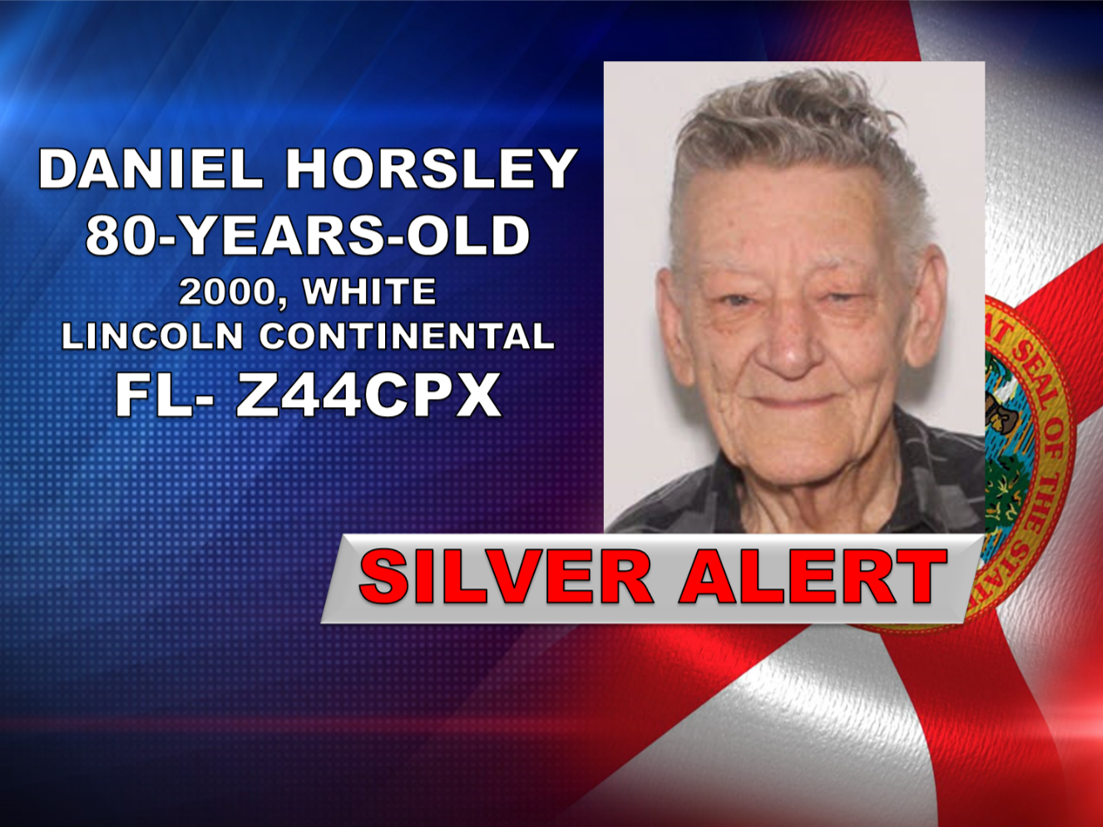
Consider a scenario where a family is staying at a resort near Universal Orlando Resort. If an elderly family member with dementia goes missing from their hotel suite, the local authorities can quickly initiate a Silver Alert. This rapid dissemination of information across Orlando and beyond significantly increases the chances of a prompt and safe recovery. For a family on vacation, the knowledge that such an advanced system exists can alleviate some anxiety, allowing them to focus more on creating positive experiences, while still encouraging proactive safety measures. The system underscores Florida’s commitment to the well-being of all individuals within its borders, making it a safer and more reassuring destination for multi-generational travel and those with specific care needs.
Community Vigilance and Participation
The success of the Silver Alert system relies heavily on active community vigilance and the willingness of the public to participate. Unlike purely law enforcement operations, Silver Alerts transform every driver, pedestrian, and media consumer into a potential partner in the search. This collective responsibility is a cornerstone of Florida’s approach to public safety and reflects a deeply ingrained sense of community care.
When a Silver Alert is broadcast, whether through roadside signs on the way to Daytona Beach or on a local news channel while relaxing in a Ritz-Carlton, Naples suite, the public is encouraged to pay close attention to the details provided. These typically include:
- Description of the missing person: Name, age, height, weight, hair color, eye color, and last known clothing.
- Vehicle information: Make, model, color, and license plate number if the person is believed to be driving.
- Last known location and direction of travel.
- A contact number (usually 911 or the local sheriff’s office) for tips.
Should a tourist or resident spot an individual matching the description, or a vehicle matching the alert, the instruction is clear: do not approach the individual directly. Instead, the advised action is to immediately contact 911 or the designated law enforcement number, providing as much detail as possible about the sighting, including the exact location, time, and any distinguishing features. This protocol ensures the safety of both the missing person and the helpful citizen, allowing trained professionals to intervene appropriately.
This culture of vigilance is particularly strong in popular tourist areas like Jacksonville, Orlando, and Miami, where a high volume of people means a greater chance of a sighting. By empowering the public to be the “eyes and ears” on the ground, Florida significantly expands the search radius and drastically improves the odds of a quick resolution. This collective effort reinforces Florida’s image as a secure and caring destination, where residents and visitors alike contribute to a shared environment of safety and support.
Practical Implications for Visitors and Accommodation Providers
For a state so heavily reliant on tourism and renowned for its diverse accommodation options, the Silver Alert system has tangible practical implications. It shapes the way families plan their trips, influences the operational protocols of hotels and resorts, and ultimately contributes to the overall visitor experience. Understanding these implications can help travelers plan more securely and enable service providers to offer a higher level of care and preparedness.
Tips for Traveling with Vulnerable Adults
Traveling with an elderly loved one, especially one with a cognitive impairment, requires thoughtful planning and proactive measures to ensure their safety and comfort. While Florida’s Silver Alert system provides a crucial safety net, prevention and preparedness remain paramount.
Here are essential tips for those planning a trip to Florida with vulnerable adults:
- Medical Identification: Ensure your loved one wears a medical ID bracelet or necklace that clearly states their name, condition (e.g., “memory impairment”), and emergency contact information. Consider an ID that uses GPS tracking for added security.
- Emergency Contact Information: Always carry a laminated card with your loved one’s photo, name, date of birth, medical conditions, medications, and your contact details. Have multiple copies and give one to each adult accompanying the trip.
- Recent Photographs: Keep several recent, clear photos of your loved one on your phone and in print. These are invaluable if you need to provide a description to authorities.
- Inform Accommodation Staff: When checking into a hotel, resort, or even a vacation rental like an Airbnb in Fort Lauderdale, discreetly inform the front desk or host about your loved one’s condition. Request a room that minimizes wandering risks, such as one not immediately adjacent to an exit or stairwell. Establish a clear understanding of the hotel’s protocol if a guest goes missing. Luxury properties like The Breakers Palm Beach or Hyatt Regency Orlando often have detailed guest safety procedures, but communication is key.
- Buddy System and Supervision: Never leave a vulnerable adult unattended, even for a short period. Implement a “buddy system” where someone is always responsible for their oversight. In crowded attractions like Busch Gardens Tampa Bay or the Kennedy Space Center Visitor Complex, establish clear meeting points and ensure the individual carries a card with this information.
- Familiar Routines: Try to maintain as much of your loved one’s daily routine as possible. Unfamiliar environments and disrupted schedules can increase confusion and the likelihood of wandering.
- Technology Aids: Utilize GPS trackers, smartwatches with emergency calling features, or mobile apps designed to locate family members. These tools can provide immediate assistance in the event of separation.
- Know Local Emergency Numbers: While 911 is universal in the United States, knowing the non-emergency numbers for local law enforcement in areas you’re visiting can also be helpful for less urgent inquiries.
By taking these proactive steps, travelers can significantly enhance the safety of their vulnerable companions, allowing for a more enjoyable and stress-free exploration of Florida’s many wonders, from the natural beauty of Everglades National Park to the bustling cityscapes.

What Accommodation Staff Should Know
For hotels, resorts, villas, and other accommodation providers in Florida, understanding the Silver Alert system and establishing clear protocols for missing guests is not just a matter of compliance—it’s a critical component of guest safety, reputation management, and responsible tourism. The state’s diverse range of accommodations, from budget motels to five-star resorts like Waldorf Astoria Orlando, all have a role to play.
Key considerations for accommodation staff include:
- Training and Awareness: All front-line staff, including front desk agents, security personnel, housekeepers, and guest services, should receive training on how to respond to a report of a missing guest, especially one identified as vulnerable. This training should cover the criteria for a Silver Alert and the importance of rapid response.
- Clear Protocols for Missing Guests: Establish and regularly review internal procedures for handling a missing person report. This should include:
- Immediate Action: What steps should staff take the moment a guest is reported missing? This might involve searching the immediate vicinity, checking surveillance footage, and gathering information from family members.
- Law Enforcement Contact: Clearly define when and how to contact local law enforcement (e.g., 911 or the local police department’s non-emergency line) and the type of information to provide. It’s crucial to understand that only law enforcement can initiate a Silver Alert.
- Information Gathering: What specific information should staff collect from the reporting party (family/friends) to assist law enforcement? This includes photos, descriptions, medical history, and last known whereabouts.
- Communication with Family: Maintain clear and empathetic communication with the family members of the missing guest, providing updates and reassurance within appropriate boundaries.
- Collaboration with Authorities: Accommodation providers should be prepared to fully cooperate with law enforcement during a Silver Alert investigation. This includes providing access to guest registries, security footage, and any other relevant information that could aid in the search.
- Proactive Guest Support: Offer discreet support to guests traveling with vulnerable adults. This could involve providing information on local medical services, suggesting nearby low-stimulation activities, or offering assistance with room configurations if appropriate. While not all guests will disclose their needs, a culture of readiness is beneficial.
- Displaying Information (Optional): Some establishments might choose to display general information about the Silver Alert system in public areas or include it in their guest information packets, highlighting Florida’s commitment to safety.
By integrating these practices, accommodation providers not only fulfill their duty of care but also enhance the overall guest experience, solidifying Florida’s reputation as a destination that genuinely values the safety and well-being of every person who visits or calls it home. From bustling Orlando resorts to tranquil Key West guesthouses, a collective commitment to vigilance and preparedness makes Florida a safer, more welcoming place for all.
The Silver Alert system in Florida is more than just an emergency protocol; it’s a testament to the state’s comprehensive approach to public safety and community well-being. In a region celebrated for its vibrant tourism, diverse accommodation options, and a lifestyle that attracts millions, the protection of vulnerable individuals stands as a paramount concern. By understanding what a Silver Alert is, how it functions, and the crucial role that both residents and visitors play in its success, we contribute to a safer environment for everyone. Whether you are planning a family vacation, seeking a long-term stay, or simply exploring the state’s numerous landmarks and attractions, awareness of this vital system enriches your experience and reinforces Florida’s reputation as a welcoming and secure destination for all.
LifeOutOfTheBox is a participant in the Amazon Services LLC Associates Program, an affiliate advertising program designed to provide a means for sites to earn advertising fees by advertising and linking to Amazon.com. Amazon, the Amazon logo, AmazonSupply, and the AmazonSupply logo are trademarks of Amazon.com, Inc. or its affiliates. As an Amazon Associate we earn affiliate commissions from qualifying purchases.