
California, a land of unparalleled diversity, stretches from the sun-drenched beaches of the south to the redwood forests of the north, encompassing a vast array of landscapes, cultures, and communities. For residents and travelers alike, understanding “what district am I in California?” can be a surprisingly complex question, as the term “district” itself can refer to many different things: administrative divisions, political zones, cultural neighborhoods, or even broad tourism regions. Whether you’re planning a trip, looking to relocate, or simply curious about your surroundings, pinpointing your district reveals a deeper layer of the Golden State’s identity, influencing everything from local governance to available activities and accommodation styles.
California’s districts are not merely lines on a map; they are vibrant ecosystems of local culture, unique attractions, and specific lifestyles. From the bustling metropolitan areas to the serene rural expanses, each district offers a distinct flavor of the California experience. For visitors, knowing your district helps you navigate destinations, discover hidden gems, and immerse yourself in authentic local culture. For those considering a longer stay or even permanent residency, understanding the nuances of different districts can inform choices about neighborhoods, schools, and community services. This comprehensive guide will help you decode California’s multifaceted districts, ensuring you can confidently answer the question, “What district am I in California?”
Understanding California’s Diverse Geographic and Administrative Districts
California is a state of immense scale, and its internal divisions reflect this grandeur. The term “district” can loosely apply to several classifications, each serving a different purpose, from organizing tourism to delineating political representation.
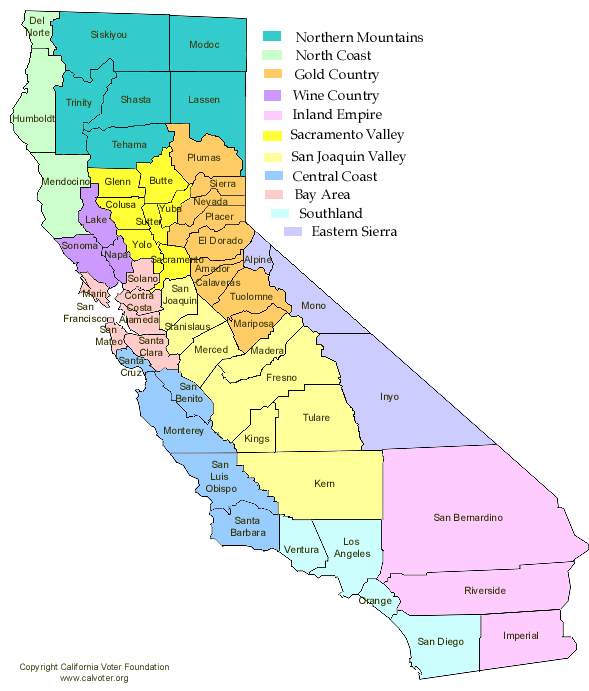
Navigating California’s Major Tourism Regions
For travelers, the most intuitive way to understand California’s “districts” is through its prominent tourism regions, each offering unique attractions and experiences. These regions are often defined by geography, climate, and popular landmarks.
- Southern California: This vibrant region is perhaps what most people envision when they think of California. Home to sprawling cities like Los Angeles and San Diego, it’s a hub for entertainment, beaches, and theme parks. Visitors to Los Angeles can explore iconic areas like Hollywood, stroll along the famous Santa Monica Pier, or enjoy the luxury lifestyle of Beverly Hills. San Diego offers a relaxed coastal vibe, renowned for its beautiful beaches, the San Diego Zoo, and the historic Gaslamp Quarter. Further south, Orange County is synonymous with Disneyland Resort and pristine beaches like Laguna Beach. For accommodation, Southern California boasts everything from opulent resorts in Palm Springs to budget-friendly motels and charming boutique hotels catering to diverse travel styles.
- Northern California: Stretching from the Bay Area upwards, this region is characterized by its dramatic coastlines, towering redwoods, and technological innovation. San Francisco stands out with its iconic Golden Gate Bridge, Alcatraz Island, and diverse neighborhoods like Fisherman’s Wharf and Chinatown. Just north of the Bay Area, the renowned Napa Valley and Sonoma Valley beckon wine enthusiasts with exquisite wineries and gourmet dining. Accommodation here ranges from luxurious wine country estates to sophisticated city hotels and cozy bed and breakfasts along the coast.
- Central Valley: Often called the “breadbasket of the world,” this fertile agricultural heartland offers a different perspective of California. Cities like Sacramento, the state capital, and Fresno serve as important urban centers within this vast region. Old Town Sacramento provides a glimpse into the state’s Gold Rush history, while the surrounding farmland showcases the immense agricultural output. It’s an ideal destination for those interested in local food, agricultural tourism, and authentic small-town experiences.
- California Deserts: East of the coastal ranges, the desert regions, including the Mojave Desert and Colorado Desert, are home to unique natural wonders like Joshua Tree National Park and Death Valley National Park. These landscapes offer stark beauty, incredible stargazing opportunities, and a tranquil escape from urban life. Palm Springs remains a popular desert oasis, famous for its mid-century modern architecture, golf courses, and upscale resorts.
- Sierra Nevada: Dominating the eastern flank of the state, the Sierra Nevada mountains are home to some of California’s most breathtaking natural landmarks, including Yosemite National Park, Lake Tahoe, and Mammoth Lakes. This region is a paradise for outdoor enthusiasts, offering skiing, hiking, rock climbing, and pristine wilderness experiences. Accommodation options range from rustic cabins and campsites to luxurious lakeside resorts and ski lodges, catering to adventure seekers and those looking for a serene retreat.
Administrative Divisions: Counties and Cities
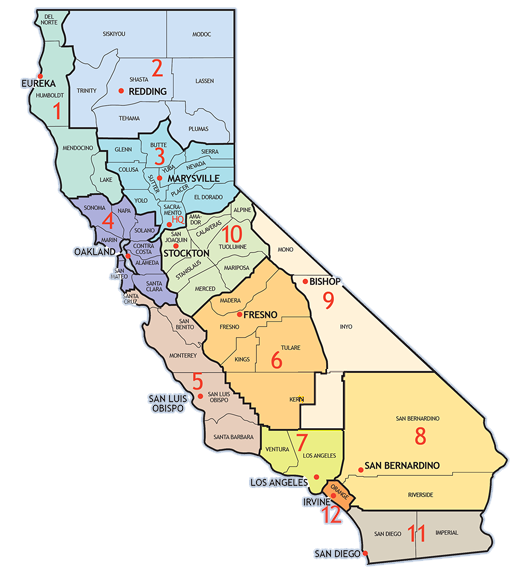
Beyond these broader tourism regions, California is formally divided into 58 counties, which are the primary administrative units of the state. Each county has its own government responsible for local services, law enforcement, and maintaining public records. Within these counties are hundreds of incorporated cities, each with its own municipal government and potentially its own set of internal districts, such as planning zones, school districts, or even cultural arts districts.
For example, Los Angeles County is the most populous county in the United States and contains numerous cities like Los Angeles, Long Beach, and Pasadena. Within the City of Los Angeles itself, there are many distinct neighborhoods that often function as “districts” for daily life and tourism, each with a unique character and set of amenities. Understanding your county and city is crucial for residents for services, but for travelers, city districts often hold more cultural significance.
Political Districts: Congressional, State Assembly, and Senate
For civic purposes, California is carved into a complex mosaic of political districts. These include:
- Congressional Districts: These determine representation in the U.S. House of Representatives.
- State Senate Districts: For representation in the California State Senate.
- State Assembly Districts: For representation in the California State Assembly.
These districts are primarily for residents to identify their elected officials and voting locations. They are redrawn periodically based on population changes identified by the census and generally do not impact travel plans or local tourism experiences, though they are vital for understanding the political landscape of a specific area.
Pinpointing Your Location: Practical Approaches for Travelers and Residents
Whether you’re a tourist exploring new destinations or a new resident settling in, there are several straightforward ways to determine your specific district in California.
Utilizing Online Tools and Official Resources
The digital age has made pinpointing your location easier than ever.
- Online Mapping Services: Tools like Google Maps, Apple Maps, or Waze can show you your current location and overlay political or administrative boundaries if you zoom in sufficiently or use specific search queries. They are excellent for identifying city and county lines, as well as specific neighborhoods.
- Government Websites: For precise administrative or political district information, official government websites are the most reliable. The California Secretary of State‘s office provides tools to look up your state and federal legislative districts based on your address. Similarly, most county registrar of voters’ websites offer similar lookup services for local districts.
- U.S. Postal Service (USPS) Locator: While not specifically for “districts,” entering an address into the USPS website can verify the city, state, and ZIP code, which are foundational to understanding your location within the broader administrative framework.
- Travel Guides and Apps: Many modern travel apps and online guides for specific California cities provide maps with neighborhood boundaries highlighted, helping visitors understand the cultural and tourism districts they are in. These guides often feature curated lists of attractions, restaurants, and hotels specific to each area, enriching the travel experience.
Asking Locals and Hotel Staff
Sometimes, the most direct approach is the best. Upon arrival at your destination, don’t hesitate to ask locals or the staff at your hotel or accommodation.
- Hotel Concierge/Reception: Hotel staff, especially those working at resorts or large hotels, are usually well-versed in the local geography, popular districts, and points of interest. They can often provide insights into the specific neighborhood you are staying in and recommend nearby attractions or dining options.
- Local Residents: Engage with locals in shops, restaurants, or public spaces. Californians are often proud of their specific communities and can offer valuable, firsthand information about the character and boundaries of their area. They might even share insider tips on local culture and hidden gems that online guides might miss. This interaction can significantly enhance your tourism experience, connecting you more deeply with the local vibe.
Exploring California’s Unique Cultural and Lifestyle Districts
Beyond administrative boundaries, California is rich with cultural and lifestyle districts, often informal designations that define a particular area’s character, attractions, and resident demographics. These are particularly relevant for tourism and understanding the local culture.
Famous City Districts and Neighborhoods
Many of California’s most beloved destinations are defined by their unique city districts or neighborhoods, each offering a distinct lifestyle and set of experiences.
- Beverly Hills (Los Angeles): Synonymous with luxury travel, high-end shopping on Rodeo Drive, and celebrity spotting. This district embodies a sophisticated, upscale lifestyle. Hotels here are typically five-star resorts and boutique hotels that cater to a discerning clientele seeking opulence and impeccable service.
- Venice Beach (Los Angeles): A world away from Beverly Hills, Venice Beach is famous for its bohemian boardwalk, street performers, muscle beach, and unique artistic vibe. It’s a hub for local culture, offering a quirky, vibrant experience that attracts budget travelers and those seeking an alternative lifestyle. Accommodation often includes trendy boutique hotels and vacation rentals.
- Fisherman’s Wharf (San Francisco): A quintessential tourist attraction, known for its seafood restaurants, pier attractions, and sea lions at Pier 39. It’s a bustling district focused on food and family activities, steeped in maritime history.
- Gaslamp Quarter (San Diego): This historic district in Downtown San Diego is famed for its Victorian architecture, vibrant nightlife, diverse dining scene, and live entertainment. It’s a prime destination for those seeking evening activities and a lively urban experience, with numerous hotels and apartments catering to city explorers.
- Mission District (San Francisco): Known for its rich Latino culture, vibrant murals, progressive political leanings, and some of the best taquerias in the city. This district offers an authentic glimpse into San Francisco’s diverse local culture, food scene, and artistic community, making it ideal for experiential tourism.
- Old Town Sacramento (Sacramento): A preserved historic district that transports visitors back to the Gold Rush era with its wooden sidewalks, horse-drawn carriages, and museums. It’s a key landmark that encapsulates a significant part of California’s history and offers unique experiences for history buffs and families.
Wine Regions and Agricultural Districts
Beyond the urban centers, California boasts world-renowned agricultural districts that offer distinct lifestyle and travel experiences.
- Napa Valley and Sonoma Valley: These two adjacent valleys comprise California’s premier wine country, offering an unparalleled experience in luxury travel, fine dining, and viticulture. Visitors come for wine tastings, gourmet food tours, hot air balloon rides, and staying in lavish resorts or charming villas amidst the vineyards. This district defines a lifestyle of refined indulgence and relaxation.
- Paso Robles Wine Country: Located on the Central Coast, Paso Robles offers a more laid-back and emerging wine experience compared to its northern counterparts. It’s known for its Zinfandels and Rhone varietals, attracting those who enjoy wine tasting in a more rustic, less crowded setting. The lifestyle here is unpretentious and focused on genuine local experiences.
- Central Valley Agricultural Districts: While not a single “district” in the same way as wine regions, the various farming communities within the Central Valley define an essential part of California’s identity. This region offers agritourism opportunities, allowing visitors to experience farm-to-table dining, fruit picking, and learn about the state’s agricultural bounty, reflecting a more rural, grounded lifestyle.
Accommodation and Experiences Across California’s Districts
The district you choose in California profoundly impacts your accommodation options and the overall experience you’ll have, catering to every type of lifestyle and budget.
Choosing the Right Stay for Your District
Different districts naturally foster different types of accommodation to match their local character and the needs of visitors and residents.
- Luxury and Resort Districts: Areas like Beverly Hills, Palm Springs, and Napa Valley are synonymous with high-end hotels, resorts, and villas. These establishments offer extensive amenities, including spas, golf courses, fine dining, and personalized concierge services, catering to luxury travel and those seeking indulgent experiences. Grand Hyatt Hotel in San Francisco or Waldorf Astoria Beverly Hills exemplify the upscale options available.
- Urban and City Districts: Major cities like San Francisco, Los Angeles, and San Diego offer a vast array of choices, from towering business hotels with conference facilities to charming boutique hotels tucked away in historic neighborhoods. Serviced apartments are popular for longer stays, providing a home-away-from-home feel. These districts are ideal for business stays, cultural exploration, and access to diverse food scenes and nightlife.
- Family-Friendly Districts: Near attractions like Disneyland Resort in Anaheim or Knott’s Berry Farm in Buena Park, you’ll find numerous family suites, hotels with pools and kids’ clubs, and spacious apartment-style accommodations designed to cater to the needs of travelers with children.
- Nature and Adventure Districts: In regions like the Sierra Nevada and the California Deserts, accommodation leans towards lodges, cabins, campsites, and rustic resorts that offer proximity to hiking, skiing, and wildlife viewing. Yosemite Valley Lodge within Yosemite National Park is a prime example, providing direct access to natural landmarks.
- Budget-Friendly Districts: While California can be expensive, many cities and towns offer more affordable options, including hostels, motels, and budget hotels, especially in areas outside the prime tourist zones or within cities like Oakland or Sacramento. These options make travel accessible for all types of budgets without sacrificing the experience.

The Impact of Your District on Local Activities and Amenities
Your chosen district not only dictates your lodging but also shapes the activities, local culture, food scene, and amenities available to you.
- Beachfront Villas in Malibu: Staying in Malibu means immediate access to surfing, sunbathing, and beachfront dining, embodying a relaxed, upscale coastal lifestyle. The amenities often include private beach access and stunning ocean views.
- Urban Apartments in Downtown Los Angeles: Choosing Downtown Los Angeles (DTLA) places you amidst cultural institutions like The Broad Museum, the Walt Disney Concert Hall, and a booming restaurant scene. The amenities in these apartments often include rooftop pools, fitness centers, and easy access to public transport, catering to those seeking a dynamic city experience and potentially long-term stays for work or leisure.
- Winery Stays in Sonoma: Immersing yourself in Sonoma means enjoying wine tasting at your doorstep, farm-to-table culinary experiences, and picturesque vineyard views. This district’s amenities revolve around gastronomic delights and tranquil, scenic beauty.
- Ski Resorts at Lake Tahoe: If you’re in the Lake Tahoe area, your experience is centered around winter sports, lake activities, and mountain adventures. Resorts provide ski-in/ski-out access, equipment rentals, and après-ski amenities, defining a distinct outdoor lifestyle.
Ultimately, your choice of district in California is a choice of experience. Each district offers its own unique set of destinations, attractions, local culture, and lifestyle, inviting you to explore and discover the many facets of this extraordinary state.
In conclusion, understanding “what district am I in California?” is far more than a geographical inquiry; it’s a gateway to unlocking the rich tapestry of experiences the state has to offer. Whether you define your district by its tourism appeal, administrative boundaries, political representation, or vibrant cultural identity, each layer provides a unique lens through which to appreciate California’s unparalleled diversity. From the iconic landmarks and luxury resorts of Southern California to the serene natural beauty of the Sierra Nevada and the sophisticated wine culture of Napa Valley, knowing your district empowers you to fully immerse yourself in the local culture, find the perfect accommodation, and tailor your adventures to your specific interests. So, embrace the complexity, utilize the available tools, and allow your chosen district to guide you on an unforgettable journey through the Golden State.
LifeOutOfTheBox is a participant in the Amazon Services LLC Associates Program, an affiliate advertising program designed to provide a means for sites to earn advertising fees by advertising and linking to Amazon.com. Amazon, the Amazon logo, AmazonSupply, and the AmazonSupply logo are trademarks of Amazon.com, Inc. or its affiliates. As an Amazon Associate we earn affiliate commissions from qualifying purchases.