
As the fifth-largest economy in the world and a global hub for innovation, tourism, and culture, California beckons millions of visitors annually. From the sun-kissed beaches of Malibu to the towering redwoods of Redwood National Park, the Golden State offers an unparalleled array of experiences. Yet, amidst the excitement of planning a trip, a seemingly simple question often arises: “What time is it in California right now?” This isn’t just a matter of curiosity; understanding California’s time zone is crucial for seamless travel, efficient business operations, and an overall stress-free experience.
Whether you’re booking accommodation from across the globe, coordinating a family trip to Disneyland Resort, scheduling a vital business meeting, or simply aiming to avoid jet lag, knowing the local time is your first step towards mastering your California adventure. This comprehensive guide delves into the intricacies of California time, its practical implications for various aspects of travel and lifestyle, and offers essential tips to help you stay perfectly in sync with the Golden State’s rhythm.
Understanding California’s Time Zones: PST and PDT Explained
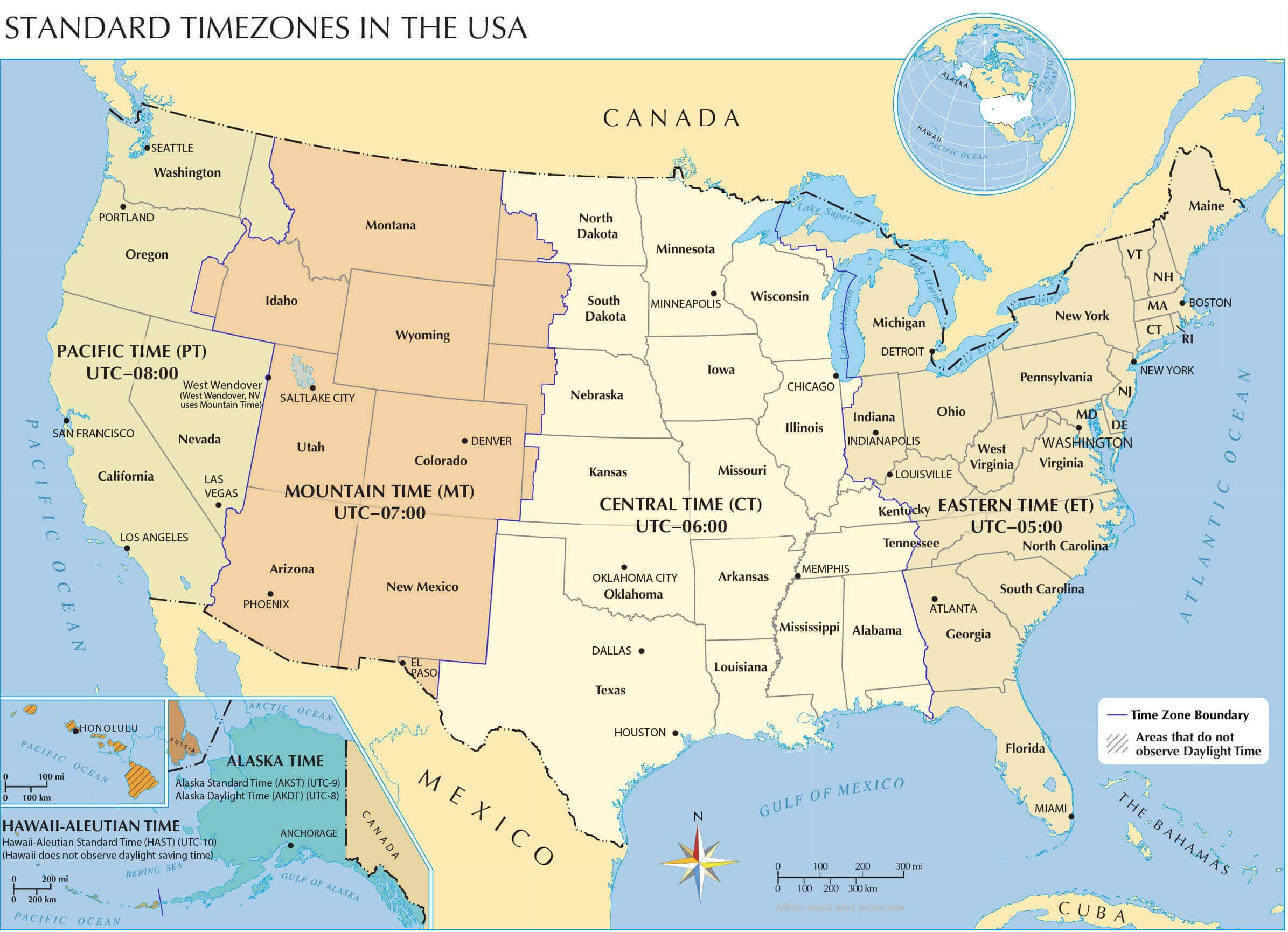
Before diving into the practicalities, it’s essential to grasp the fundamental concepts governing California’s time. Unlike some states with multiple time zones, California operates entirely within one, simplifying planning significantly. However, this single zone does observe Daylight Saving Time, which introduces a biannual shift.
The Basics: Pacific Standard Time (PST) and Pacific Daylight Time (PDT)
California primarily uses two designations for its local time:
- Pacific Standard Time (PST): This is the time observed during the fall and winter months. PST is 8 hours behind Coordinated Universal Time (UTC-8). This means that when it’s noon UTC, it’s 4:00 AM PST.
- Pacific Daylight Time (PDT): This is the time observed during the spring and summer months due to Daylight Saving Time. PDT is 7 hours behind Coordinated Universal Time (UTC-7). When it’s noon UTC, it’s 5:00 AM PDT.
The transition between PST and PDT typically occurs on specific dates:
- “Spring Forward”: On the second Sunday in March, clocks jump forward one hour, switching from PST to PDT. For example, at 2:00 AM PST, clocks instantly become 3:00 AM PDT. This means an hour of sleep is “lost.”
- “Fall Back”: On the first Sunday in November, clocks fall back one hour, switching from PDT to PST. At 2:00 AM PDT, clocks revert to 1:00 AM PST. This grants an extra hour of sleep.
For travelers, knowing whether the state is currently observing PST or PDT is paramount. Most modern smartphones and devices automatically adjust, but for manual calculations or cross-referencing, this distinction is vital. It’s a key piece of information for coordinating arrival times for flights into major airports like Los Angeles International Airport (LAX) or San Francisco International Airport (SFO), or for making crucial bookings.
Geographical Consistency: One Time Zone for the Entire State
One of the great conveniences for visitors to California is that the entire state, from its northern border with Oregon down to the Mexican border, and from the Pacific coast to the Nevada and Arizona state lines, operates on a single time zone. This eliminates the confusion that can arise in states like Texas or Florida which straddle multiple zones. Whether you’re exploring the bustling city life of San Francisco, hiking in Yosemite National Park, or relaxing by the pools in Palm Springs, the time remains consistent across the region. This uniformity simplifies multi-city itineraries and ensures that your internal clock only needs to adjust once upon arrival.
Time’s Impact on Your California Travel Experience
Understanding California’s time isn’t merely an academic exercise; it directly influences virtually every aspect of your trip. From the moment you begin planning to your final departure, time plays a pivotal role in optimizing your itinerary and ensuring a smooth journey.
Planning Your Itinerary: Maximizing Your Golden State Adventure
Effective time management is the cornerstone of any successful trip, especially when visiting a diverse state like California.
- Flight and Accommodation Logistics: When booking flights from international destinations like London or Tokyo, or even from the East Coast of the United States, always confirm times in California local time. The same applies to hotel check-in and check-out times. Arriving too early or too late can lead to unexpected waits or fees. For instance, a booking at a luxurious resort in Laguna Beach, such as The Ritz-Carlton, Laguna Niguel, will have specific check-in windows that you’ll want to adhere to. Similarly, if you’ve opted for a charming apartment rental in Santa Monica, coordinating key pickup becomes essential.
- Attraction and Landmark Visits: California’s iconic attractions, from Universal Studios Hollywood to the Alcatraz Island tours in San Francisco, operate on strict schedules. Missing a timed entry slot due to a miscalculation of local time can lead to disappointment and wasted money. Even natural landmarks like Joshua Tree National Park or Death Valley National Park have ideal visiting times, often influenced by sunrise or sunset, which are directly tied to the local clock.
- Dining Reservations: California is a culinary paradise, and securing a table at popular restaurants in cities like San Diego, Napa Valley, or Los Angeles often requires advance reservations. Confirming your reservation time in PST/PDT ensures you don’t miss out on those coveted dining experiences.
- Experiences and Activities: From surfing lessons in Huntington Beach to wine tours in Sonoma, or even a scenic drive along Big Sur, many activities are time-sensitive. Always double-check the local start times to ensure you’re punctual and make the most of your prepaid experiences.
Beating Jet Lag: Tips for a Seamless Transition
For international travelers or those coming from the East Coast of the United States, the time difference can be substantial (3 hours from New York, 8 hours from London, 16 hours from Tokyo). Jet lag can significantly impact your enjoyment of the trip, making you feel tired, irritable, and out of sync.
Here are some tips to mitigate its effects:
- Gradual Adjustment: Before you even depart, try to adjust your sleep schedule by an hour or so each day to align closer with California time.
- Hydration: Drink plenty of water before, during, and after your flight to combat dehydration, which can exacerbate jet lag symptoms.
- Sunlight Exposure: Upon arrival, expose yourself to natural light, especially in the morning. Sunlight helps reset your body’s internal clock. Take a walk along Santa Monica Pier or enjoy breakfast outdoors.
- Avoid Excessive Caffeine/Alcohol: While tempting, these can disrupt your sleep patterns further.
- Stay Active: Gentle exercise can help combat fatigue and promote better sleep. Consider a morning jog or a swim in your hotel pool.
- Minimal Napping: If you must nap, keep it short (20-30 minutes) to avoid falling into deep sleep and making it harder to sleep at night.
- Embrace Local Time: As soon as you land, try to eat and sleep according to local California time. Even if you’re not hungry, try to eat meals at standard times.
Business and Communication Across Time Zones
California isn’t just a leisure destination; it’s a global economic powerhouse, home to Silicon Valley and major industries. For business travelers, remote workers, or anyone needing to stay connected, time zone awareness is critical.
Remote Work and Business Stays in California
Many professionals combine lifestyle travel with work, opting for longer stays or business trips that extend into leisure time. When working remotely from a California hotel like the Grand Hyatt Hotel in San Francisco or an apartment in Beverly Hills, coordinating with colleagues in different time zones is a daily challenge.
- Meeting Scheduling: A 9:00 AM meeting in New York means you need to be ready at 6:00 AM in California. For colleagues in Europe, the time difference can be even more pronounced, requiring early mornings or late evenings. Using a world clock tool becomes indispensable for finding overlapping work hours.
- Client Communications: Whether you’re in Sacramento for a business stay or in a coworking space in San Jose, being mindful of your clients’ local time when sending emails or making calls demonstrates professionalism and respect.
- Productivity Management: The substantial time difference can also be an advantage, allowing for uninterrupted focused work during the early California morning before the East Coast or European workdays begin. Conversely, late-night calls might be necessary to connect with Asian markets.
Staying Connected: Family, Friends, and Urgent Matters
Beyond business, personal connections also demand time zone awareness.
- Family Check-ins: If you’re on a family trip to Anaheim and want to call relatives back home, a quick check of the time difference prevents waking them up in the middle of the night or calling during inconvenient hours.
- Emergency Contacts: In case of an urgent matter, knowing the time difference ensures you can reach emergency contacts or support networks without delay.
- Social Media and Digital Lifestyle: Even casual interactions, like posting on social media or participating in online groups, can be optimized by understanding when your audience is most active.
Practical Tools and Tips for Time Management in California
With the complexities of travel and communication, having the right tools and strategies can make all the difference in staying accurately informed about California time.
Essential Apps and Resources
- Smartphone Automatic Time Updates: The most straightforward solution is to rely on your smartphone. When you arrive in California and connect to a local network (or Wi-Fi), your device should automatically adjust to the correct PST/PDT. Ensure “Set Automatically” is enabled in your phone’s date and time settings.
- World Clock Apps: Dedicated world clock applications (built into most operating systems or available for download) allow you to easily add multiple cities and instantly see the time differences. This is invaluable for coordinating with people in New York, London, Tokyo, or other global locations.
- Online Time Zone Converters: Websites like timeanddate.com or worldtimebuddy.com offer quick and accurate conversions, often with interactive features to plan meetings or calls across multiple zones.
- Official Sources for Daylight Saving Dates: While generally consistent, it’s wise to double-check the exact dates for Daylight Saving Time changes if your trip falls around March or November. Government websites or reputable news sources provide this information.

A Traveler’s Checklist for Time-Sensitive Planning
To ensure your California travel is seamless from a time perspective, consider this checklist:
- Verify All Bookings: Before departing, re-confirm flight times, hotel check-in/check-out, tour start times (e.g., a boat tour from Santa Barbara), and restaurant reservations, explicitly noting them in California local time.
- Set Critical Alarms: For early morning flights, important meetings, or timed attraction entries (like Sequoia National Park permits), set multiple alarms on your phone.
- Inform Contacts: Let family, friends, and colleagues know your new time zone to prevent communication mishaps.
- Physical Watch Adjustment: If you wear a traditional watch, manually adjust it upon arrival to reinforce the time change for your internal clock.
- Embrace the Pace: While California can be fast-paced, especially in cities like Los Angeles, remember to build in buffer time for travel between destinations and unexpected delays, especially given the state’s notorious traffic.
Understanding “What is California time right now?” is more than just a fleeting query; it’s a foundational element for a successful and enjoyable trip to the Golden State. By familiarizing yourself with PST and PDT, planning meticulously, and utilizing available tools, you can navigate time zone differences with confidence. This allows you to fully immerse yourself in the vibrant culture, breathtaking landmarks, and unforgettable experiences that California has to offer, without missing a beat (or a flight!). So, go ahead and synchronize your watches; California awaits!
LifeOutOfTheBox is a participant in the Amazon Services LLC Associates Program, an affiliate advertising program designed to provide a means for sites to earn advertising fees by advertising and linking to Amazon.com. Amazon, the Amazon logo, AmazonSupply, and the AmazonSupply logo are trademarks of Amazon.com, Inc. or its affiliates. As an Amazon Associate we earn affiliate commissions from qualifying purchases.