
Embarking on an adventure in the Golden State, whether it’s a long-term relocation, an extended stay for remote work, or simply planning to make the most of its incredible tourist offerings, often brings a crucial administrative task to the forefront: acquiring a California ID. More than just a piece of plastic, this identification card is your key to unlocking countless experiences, from seamless travel and comfortable accommodation to fully immersing yourself in the Californian lifestyle. For anyone planning to spend a significant amount of time exploring the diverse landscapes, vibrant cities, and unique cultures of California, understanding the requirements and process for obtaining a state ID is paramount. It facilitates everything from checking into that charming boutique hotel in Napa Valley to renting a car for a scenic drive along Highway 1, or even simply verifying your age for an evening out in Los Angeles or San Francisco. This guide will walk you through everything you need to know, framed within the context of how this essential document supports your travel, tourism, and lifestyle aspirations in one of the world’s most captivating destinations.
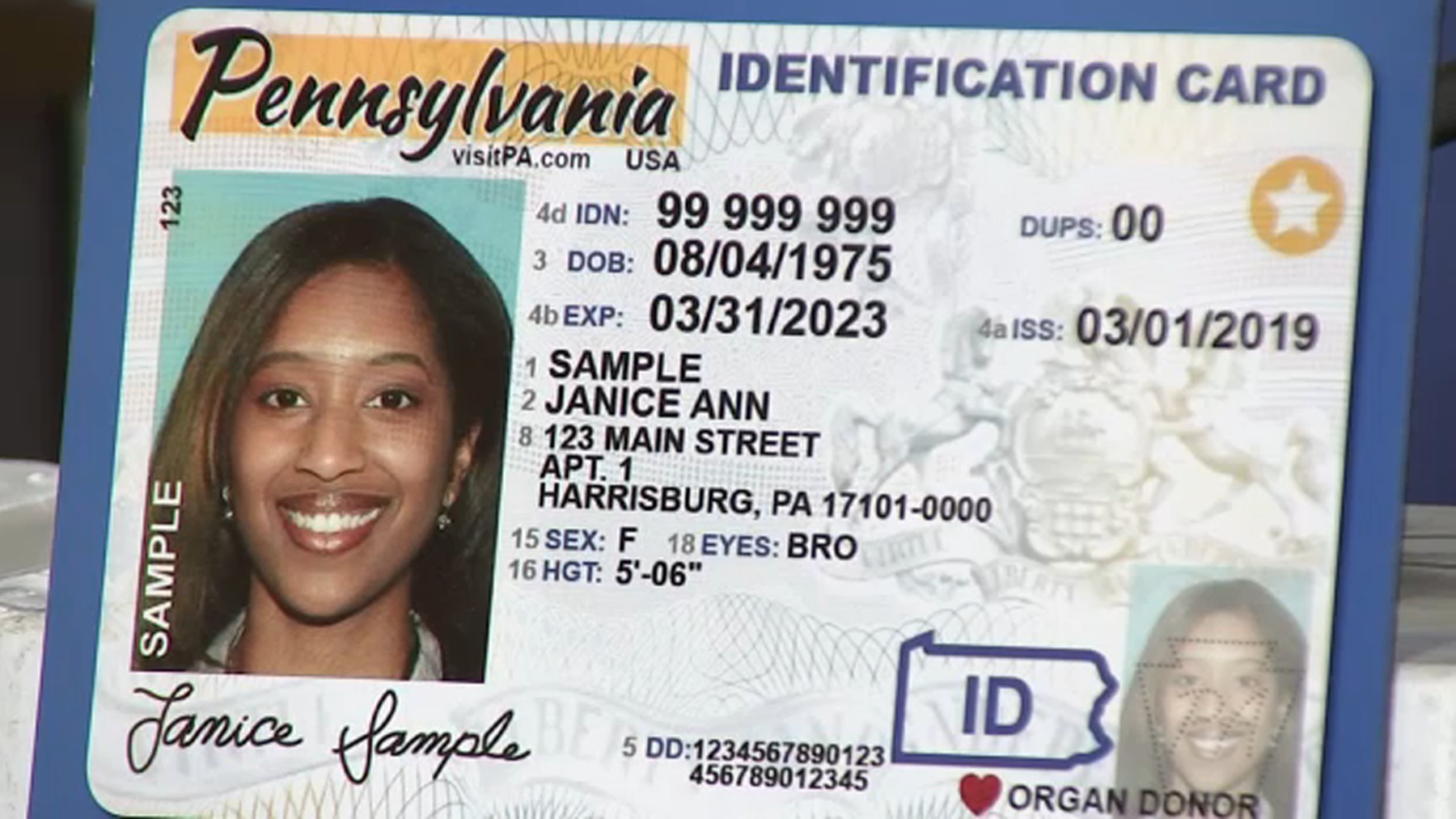
Why a California ID is Your Golden Ticket to the Golden State
For travelers, new residents, or those on an extended stay, a California ID is more than just a form of identification; it’s an enabler for a richer, more convenient experience in the state. Its utility spans various aspects of travel, tourism, and daily life, making it an indispensable item in your wallet.
Facilitating Travel and Exploration
Imagine planning a spontaneous weekend getaway to Lake Tahoe or catching a domestic flight from Los Angeles International Airport to Seattle. While a United States Passport or another federally approved form of ID will suffice for air travel, a California ID (specifically a REAL ID-compliant one) serves the same purpose, offering a convenient, pocket-sized alternative. This is especially relevant with the upcoming May 7, 2025 deadline, after which standard driver’s licenses and ID cards will no longer be accepted for domestic air travel or accessing certain federal facilities. Having a REAL ID means you can smoothly navigate airport security without needing to carry your passport, which can be particularly reassuring when traveling within the country.
Beyond air travel, a state ID is crucial for vehicle rentals. Exploring the majestic landscapes of Yosemite National Park or cruising down the scenic Pacific Coast Highway often requires renting a car. Most car rental agencies, like Enterprise or Hertz, require a valid, government-issued photo ID in addition to your driver’s license. A California ID fulfills this requirement, simplifying the rental process. Furthermore, for age-restricted activities, such as enjoying wine tasting tours in Sonoma County, visiting breweries in San Diego, or experiencing the vibrant nightlife in Hollywood, your state ID is the primary document for age verification.
Seamless Accommodation and Services
Checking into hotels, resorts, or even long-term apartment rentals across California is made considerably smoother with a valid state ID. Whether you’re staying at a luxurious suite at the Hyatt Regency San Francisco overlooking the Bay Bridge, a cozy Airbnb in Santa Monica, or a family-friendly resort near Disneyland Park, hotels typically require a photo ID at check-in to confirm your identity and age. This process is expedited when you present a clear, state-issued identification card.
Beyond accommodation, a California ID is frequently requested for various everyday services. Opening a bank account at institutions like Bank of America or Wells Fargo, obtaining library cards, signing up for local gym memberships, or even picking up packages at a UPS Store – all these common activities are simplified by having a readily available, official ID. For new residents, it’s also fundamental for establishing local utilities such as PG&E for electricity and gas, or securing internet services from providers like AT&T or Spectrum.
Embracing the California Lifestyle
Living or staying in California often involves interacting with various local institutions and taking advantage of resident benefits. A California ID can sometimes qualify you for local discounts at museums, parks, or attractions, enhancing your tourism experience. For those establishing roots, it’s a foundational document for enrolling children in local schools, registering to vote, or proving residency for state-specific programs and benefits. In essence, it integrates you more fully into the fabric of the state, allowing you to participate in its vibrant community and enjoy all that the California lifestyle has to offer.
Navigating the Application Process: Key Requirements and Steps
Obtaining a California ID involves demonstrating who you are, where you live, and, for many, your Social Security Number (SSN). The process is managed by the California Department of Motor Vehicles (DMV). Understanding the specific documents required for each category is crucial for a smooth application.
Proof of Identity: Who You Are
This is perhaps the most critical step, as you need to definitively prove your legal name and birthdate. The California DMV requires one document from their “Identity Document” list. Some of the most commonly accepted documents include:
- United States Passport or Passport Card: These are generally the easiest and most universally accepted forms of identification for U.S. citizens.
- Certified Copy of a U.S. Birth Certificate: This must be issued by a U.S. state, District of Columbia, or U.S. territory. Hospital birth certificates are usually not accepted.
- Foreign Passport with a valid U.S. Visa and approved I-94 Form: For non-citizens residing in California legally.
- Permanent Resident Card (Form I-551): Also known as a “Green Card,” for lawful permanent residents.
- Employment Authorization Document (EAD) (Form I-766): For individuals authorized to work in the U.S.
- Certificate of Naturalization or Certificate of Citizenship: For naturalized U.S. citizens.
It is vital that the name on your identity document matches your current legal name. If you’ve changed your name due to marriage, divorce, or other legal processes, you’ll also need to provide a certified document, such as a marriage certificate or court order, proving the name change.
Proof of Residency: Where You Live in California
To obtain a California ID, you must demonstrate that you are a resident of the state. The DMV typically requires two different documents to establish your California residency. These documents must show your current physical address in California. Accepted forms include:
- Utility Bills: This could be a PG&E Bill, water bill, gas bill, or electricity bill, dated within the last two months.
- Rental or Lease Agreement: A valid lease or rental agreement with your name and address.
- Mortgage Bills or Property Tax Bills: Documents related to homeownership.
- Bank Statements: Statements from financial institutions, dated within the last two months.
- Insurance Documents: Auto, home, or health insurance policies with your current address.
- School Documents: For minors, school transcripts or enrollment records.
- Employment Documents: A current pay stub, employment verification letter, or W-2 form with your address.
- Government-Issued Documents: Such as voter registration cards or correspondence from a government agency.
It’s crucial that both documents are distinct from each other and clearly display your name and the same California residential address. Post office box addresses are generally not accepted as proof of residency.
Proof of Social Security Number (SSN): Your Financial Identifier
If you have been issued a Social Security Number (SSN) by the U.S. Social Security Administration, you must provide proof of it. This is a requirement for REAL ID compliance. Acceptable documents include:
- Social Security Card: The physical card itself.
- W-2 Form: A wage and tax statement from an employer.
- SSA-1099 Form: Social Security benefit statement.
- Non-SSA-1099 Form: Tax Form.
- Pay Stub with Full SSN: A recent pay stub displaying your full Social Security Number.
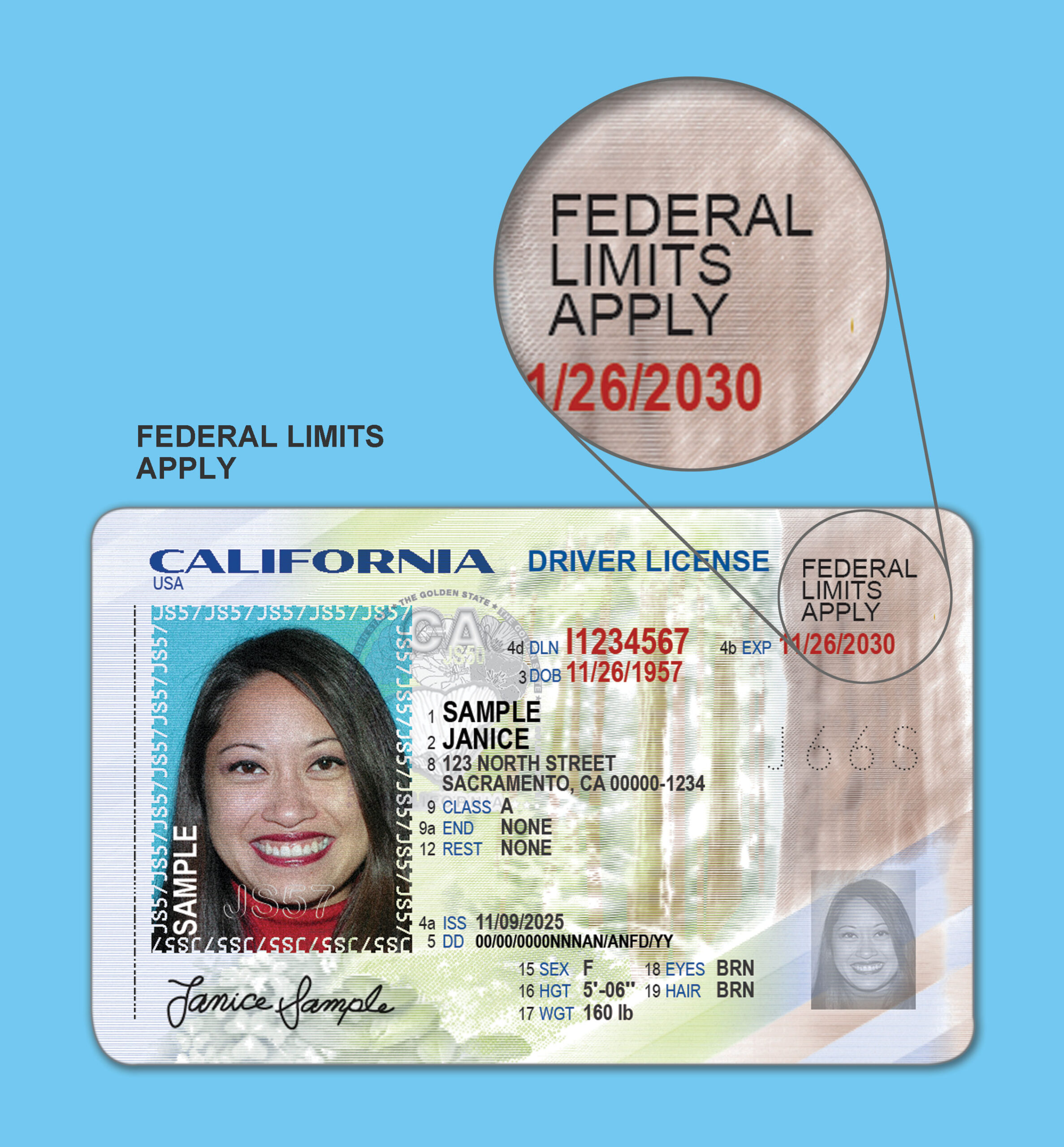
If you are not eligible for an SSN (e.g., certain foreign visitors or temporary residents), you may still be able to obtain a standard (non-REAL ID) California ID. In such cases, you will typically need to provide an SSA-2058 form, which is a “Certificate of Non-entitlement to a Social Security Number” from the Social Security Administration. It’s always best to check the California DMV website for the most current and specific requirements based on your individual immigration status.
The DMV Experience: Preparing for Your Visit
The thought of a visit to the Department of Motor Vehicles (DMV) can often conjure images of long lines and bureaucratic hurdles. However, with proper preparation and understanding the process, your experience can be much smoother, allowing you to quickly get back to planning your next adventure in California.
Online Application & Appointment Scheduling
The single most effective way to streamline your DMV visit is to start online. The California DMV offers an online ID card application process that allows you to fill out most of the necessary paperwork from the comfort of your home or hotel room. This pre-application significantly reduces the time you’ll spend at the physical office.
After completing the online application, you will receive a confirmation code. It is highly recommended to schedule an appointment at your nearest DMV office using this code. Walk-in services are available but often entail considerably longer wait times, which can disrupt your travel plans or daily itinerary. Popular DMV offices in major cities like Sacramento, San Francisco, or San Diego can be particularly busy, so booking ahead is a wise move. When selecting an appointment time, consider going during off-peak hours, typically mid-week or mid-morning/mid-afternoon, to potentially avoid crowds.
What to Expect at the DMV
When your appointment day arrives, ensure you bring all your original required documents (not photocopies, unless specifically stated otherwise) – your proof of identity, two proofs of residency, and proof of Social Security Number. Additionally, bring your confirmation code from the online application.
Upon arrival at the DMV, you will typically check in and be directed to a specific window or waiting area. The process generally includes:
- Document Verification: A DMV representative will meticulously review all your submitted documents to ensure they meet the requirements. Any discrepancy or missing document can lead to delays or the need for a return visit, so thorough preparation is key.
- Thumbprint Scan: You will be asked to provide a digital thumbprint for security purposes.
- Photo Capture: A photograph will be taken for your ID card. It’s advisable to dress neatly and be prepared for a quick snapshot.
- Vision Test (for Real ID): While primarily for driver’s licenses, if you are applying for a REAL ID card, a simple vision test might be administered.
- Application Fee Payment: You will need to pay the California ID application fee. The fee amount can vary, so it’s good to check the current rates on the DMV website beforehand. Payment options typically include cash, check, debit card, or credit card.
The entire in-office process, if you have an appointment and all documents in order, can often be completed within an hour, allowing you to continue with your travel or lifestyle plans for the day.
REAL ID vs. Standard ID: Choosing What’s Right for Your Travel Needs
One of the most important considerations when applying for a California ID today is whether to get a REAL ID or a standard ID. The distinction is critical for travelers.
-
REAL ID Card: Identified by a gold bear and star symbol, a REAL ID card is compliant with federal security standards. As mentioned, effective May 7, 2025, a REAL ID or other federally approved documents (like a U.S. passport) will be required to board domestic flights and access certain federal facilities (like military bases). If you plan to fly domestically within the United States or visit federal installations, obtaining a REAL ID is highly recommended. The documentation requirements for a REAL ID are stricter, specifically requiring proof of identity, two proofs of residency, and proof of your Social Security Number.
-
Standard ID Card: A standard California ID card does not have the gold bear and star symbol. It is still a valid form of identification for many purposes, such as driving, age verification, and general identification within California. However, it will not be accepted for domestic air travel or entry into federal facilities after May 7, 2025. If you rarely fly or already have a U.S. passport that you plan to use for all domestic air travel, a standard ID might be sufficient. The documentation requirements are slightly less stringent, often not requiring proof of SSN for those not eligible for one.
Consider your personal travel habits and future plans carefully when deciding which type of ID to apply for. For most individuals who anticipate flying domestically or needing access to federal buildings, the REAL ID is the more practical and future-proof choice.
Beyond the Application: What Happens Next?
Once you’ve successfully navigated the DMV visit and completed your application, the immediate wait begins. It’s important to understand what to expect in the days and weeks following your application.
Receiving Your California ID
After your application is processed at the DMV office, you will typically receive a temporary paper ID. This temporary document serves as valid proof of identity within California until your permanent card arrives. It’s essential to keep this temporary ID safe, as it will be your primary form of identification for a period.
The permanent, plastic California ID card is usually mailed to your address within a few weeks, typically between 2 to 4 weeks. However, during peak processing times or due to unforeseen delays, it could take longer. The DMV does offer an online tool to check the status of your ID card, which can be particularly helpful if you are waiting for an extended period. Once your permanent card arrives, securely destroy your temporary paper ID.

Maintaining Your ID
Your California ID has an expiration date, usually five years from the date of issue for a standard ID and often tied to your legal presence date for a REAL ID for non-citizens. It’s crucial to pay attention to this date to ensure you renew it before it expires. The DMV typically sends a renewal notice by mail a few months before your card is set to expire. Renewals can often be completed online, by mail, or in person at a DMV office, depending on your eligibility.
Furthermore, if you change your residential address within California, it is a legal requirement to update your address with the DMV within 10 days. This can usually be done online or by submitting a change of address form. While you won’t immediately receive a new card with the updated address, it ensures your records are current with the state and that important notices (like renewal reminders) reach you. If you need a card reflecting your new address, you would typically apply for a duplicate ID.
In conclusion, obtaining a California ID is a foundational step for anyone looking to truly experience and live within the Golden State. It transcends mere identification, acting as a crucial enabler for smooth travel, comfortable accommodation, and full immersion in the diverse California lifestyle. By understanding the necessary documentation, utilizing online resources, and preparing for your DMV visit, you can navigate the process efficiently, clearing the path to countless adventures and opportunities that await you in this magnificent state. Whether you’re planning a thrilling road trip along the coast, exploring world-class attractions, or simply settling into a new community, your California ID is an essential tool in your journey.
LifeOutOfTheBox is a participant in the Amazon Services LLC Associates Program, an affiliate advertising program designed to provide a means for sites to earn advertising fees by advertising and linking to Amazon.com. Amazon, the Amazon logo, AmazonSupply, and the AmazonSupply logo are trademarks of Amazon.com, Inc. or its affiliates. As an Amazon Associate we earn affiliate commissions from qualifying purchases.