
For anyone planning a trip to the Golden State, from the bustling streets of Los Angeles to the scenic beauty of San Francisco or the tranquil vineyards of Napa Valley, you’re likely to encounter a unique aspect of California life: the California Proposition 65 warning. Often seen in various establishments, from your chosen hotel lobby to a local café, and even on products you might consider as souvenirs, these warnings can initially seem alarming. For visitors exploring destinations, booking accommodation, or simply enjoying the vibrant lifestyle California offers, understanding what this warning entails is crucial for a worry-free experience.
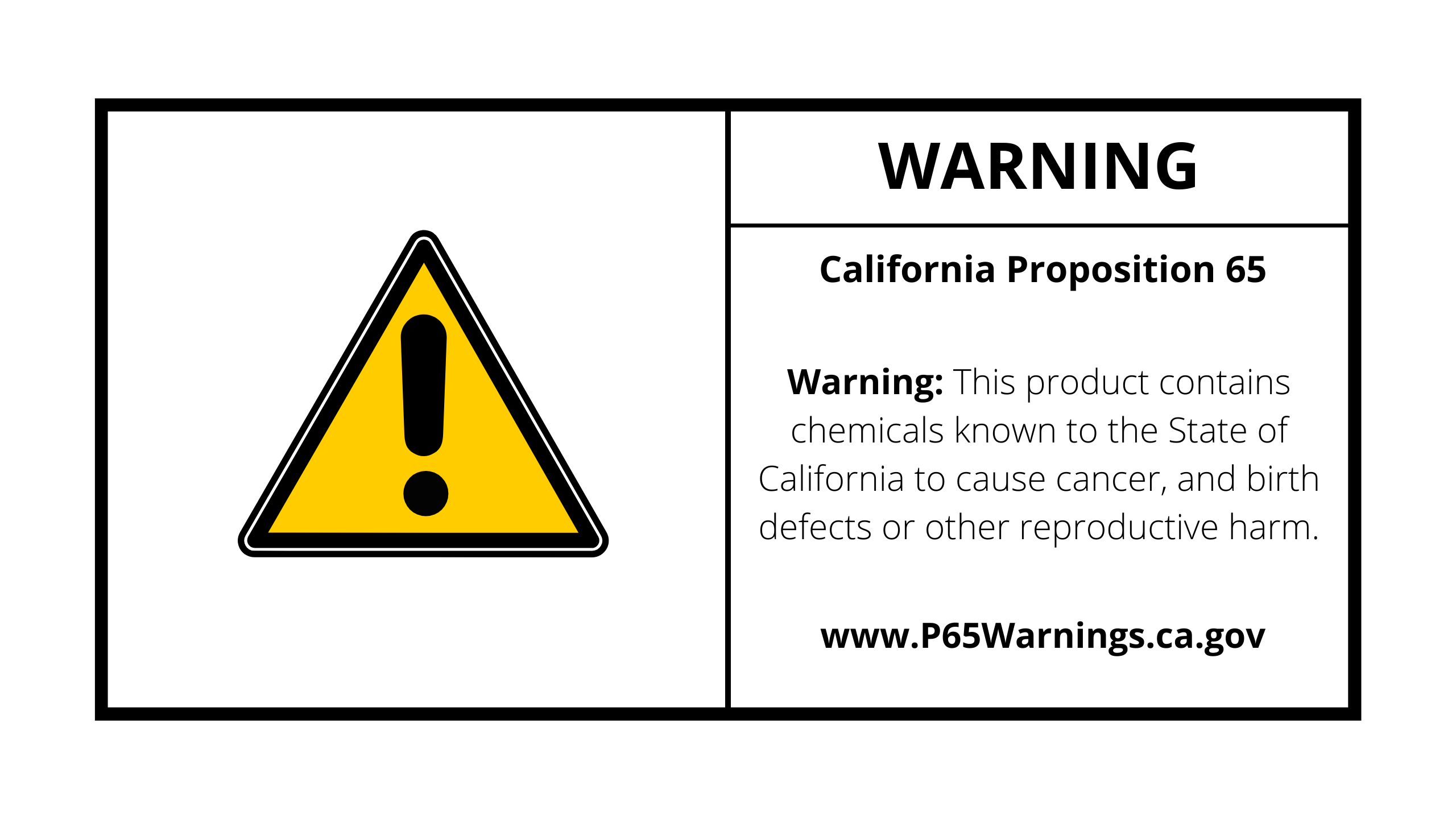
Proposition 65, officially known as the “Safe Drinking Water and Toxic Enforcement Act of 1986,” is a landmark piece of legislation unique to California. Its primary purpose is to inform California citizens about potential exposures to chemicals known to cause cancer, birth defects, or other reproductive harm. While its intentions are rooted in public health and the “right to know,” its widespread application and sometimes vague wording can lead to confusion, especially for tourists who are unfamiliar with its nuances. This article aims to demystify Prop 65, explaining its origins, where you’ll likely encounter its warnings, and what they truly mean for your travels and lifestyle choices within this iconic state.
Understanding the “Safe Drinking Water and Toxic Enforcement Act”
To fully grasp the significance of a Proposition 65 warning, it’s helpful to delve into its history and the core principles that drive its implementation. It’s not just a sign; it’s a reflection of California’s proactive approach to environmental and public health protection, often setting a precedent for other regions.
A Brief History and Purpose
The story of Proposition 65 begins in 1986, when California voters overwhelmingly approved the initiative. The driving force behind its creation was the public’s desire for greater transparency regarding chemical exposures in their daily lives. Before Prop 65, consumers often had no way of knowing if products they bought or places they frequented exposed them to potentially harmful substances. The Act mandates that businesses operating in California must provide a “clear and reasonable” warning before knowingly and intentionally exposing anyone to a listed chemical. This warning is not necessarily an indictment of a product or place as inherently dangerous, but rather an informational tool designed to empower individuals to make informed decisions.
The list of chemicals covered by Proposition 65 is extensive and constantly evolving. Maintained and updated annually by the California Office of Environmental Health Hazard Assessment (OEHHA), it currently includes over 900 substances. These chemicals can range from naturally occurring elements like lead and mercury to synthetic compounds found in plastics, pesticides, and industrial emissions. The thresholds for requiring a warning are often extremely low, sometimes hundreds or thousands of times below federal safety limits, which contributes to the ubiquity of these warnings across the state. This strict standard reflects California’s precautionary principle, aiming to minimize any potential risk.
What Chemicals Are Covered?
The sheer breadth of chemicals on the Prop 65 list is a key reason why warnings are so common. It’s not just about obscure industrial compounds; the list includes substances found in everyday items and environments. For instance, common items such as coffee, alcoholic beverages, and even the exhaust from vehicles are sources of listed chemicals. Lead, found in some ceramics, plumbing fixtures, or older paint, is another frequent culprit. Phthalates, often used to make plastics more flexible (found in some personal care products or vinyl materials), and certain flame retardants in furniture can also trigger warnings.
For a traveler, this means a warning label could appear on anything from a decorative mug purchased at a gift shop near Piers 39 in San Francisco to a bottle of wine from a Sonoma Valley winery. Even the air you breathe in a parking garage or a bustling urban area like downtown San Diego might come with a warning due to vehicle emissions. The intent is not to suggest immediate danger, but to provide a heads-up that a substance known to OEHHA as a potential hazard is present. It’s a call for awareness rather than alarm, allowing individuals to decide if they wish to mitigate their exposure.
Encountering Prop 65 Warnings as a Traveler or Resident
For anyone visiting or living in California, encountering Proposition 65 warnings is an inevitable part of the experience. Understanding where these warnings pop up, and critically, what they imply, can transform a potentially confusing moment into an informed decision.
Where You’ll See Them
The pervasive nature of Prop 65 means warnings are displayed in a vast array of locations and on countless products. As a traveler focusing on accommodation, tourism, and lifestyle experiences, you’ll likely spot them in many places:
-
Hotels and Accommodation: When checking into a luxury suite at the Beverly Wilshire, A Four Seasons Hotel in Beverly Hills or a charming boutique hotel in Santa Monica, you might find a Prop 65 sign in the lobby, near the gym, by the pool, or even within your room. These warnings often pertain to construction materials, cleaning supplies, or items like exercise equipment. Similarly, serviced apartments or villas often display them due to the building materials or furnishings. Larger resorts, such as those found near Anaheim or Palm Springs, frequently have signs in various common areas and parking garages (due to vehicle exhaust). Even a stay at a more budget-friendly option like a Motel 6 or a Super 8 might come with similar disclaimers.
-
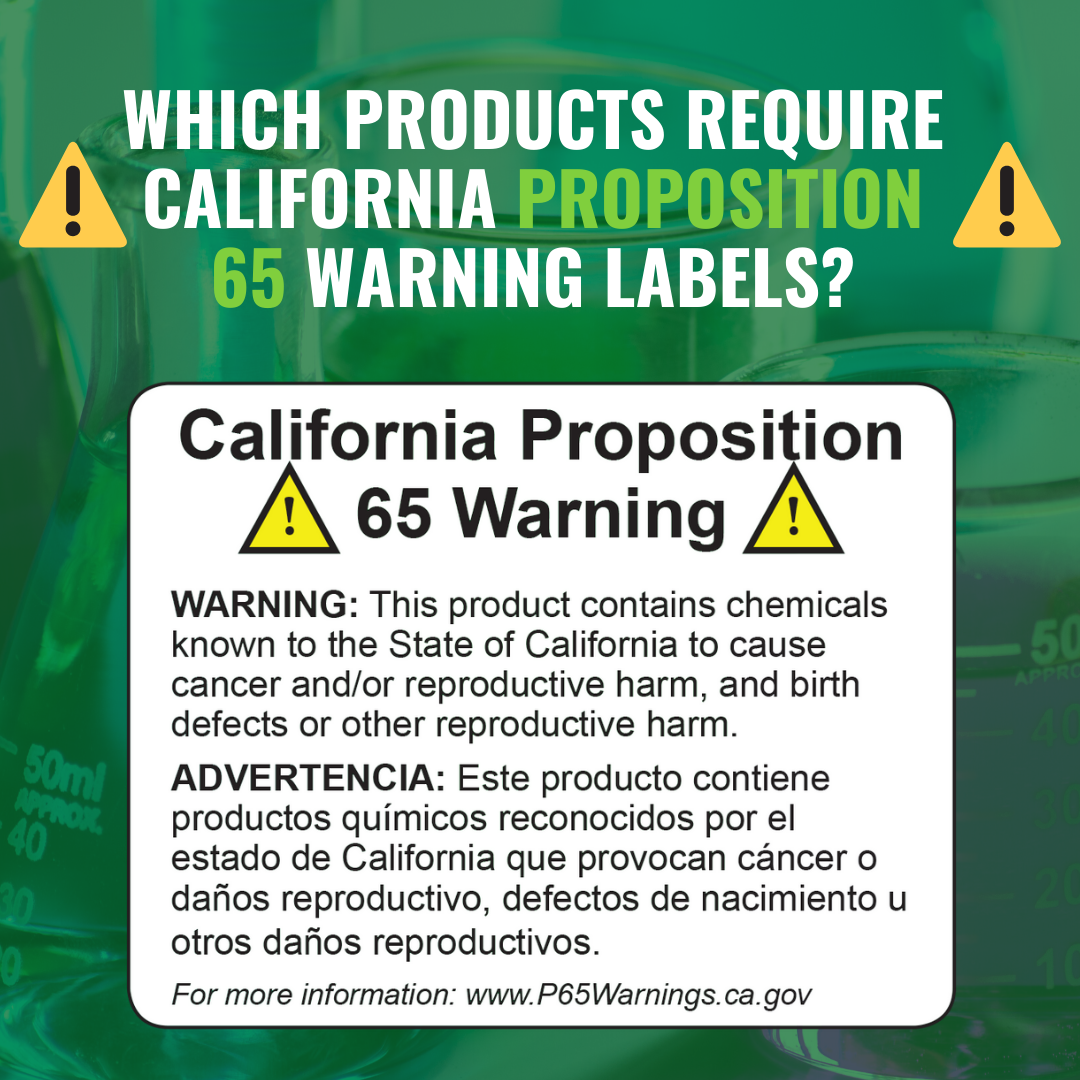
Restaurants and Cafes: One of the most common places to see a Prop 65 warning is in food establishments. This is especially true for coffee shops, where a sign might indicate that coffee itself contains acrylamide, a chemical formed when certain foods are roasted or baked. Restaurants serving alcoholic beverages, from high-end dining experiences in San Francisco to casual eateries in Hollywood, will often have warnings due to the presence of ethanol. Even the cooking processes or specific ingredients can trigger a warning.
-
Retail Stores: Whether you’re browsing for souvenirs along the Santa Monica Pier, shopping for clothing on Rodeo Drive, or picking up groceries at a local market, you’ll encounter these labels. Products like jewelry, electronics, furniture, certain apparel, supplements, and even canned goods may carry a Prop 65 warning. This is because manufacturers, rather than testing every single item, often opt to place a warning out of an abundance of caution to avoid potential litigation.
-
Public Places and Landmarks: Beyond commercial establishments, you’ll also find warnings in public spaces. Parking lots and garages are frequent locations due to vehicle exhaust. Gas stations always carry them. Even theme parks like Disneyland Resort in Anaheim or Universal Studios Hollywood in Los Angeles have signs, often related to the overall environment, construction materials, or specific attractions. Construction sites near famous landmarks such as the Golden Gate Bridge or the Hollywood Sign will also display these warnings, informing passersby about potential exposure to dust or materials being used.
What the Warning Means (and Doesn’t Mean)
It’s crucial to understand that a Proposition 65 warning is primarily an informational disclosure, not necessarily a declaration of immediate danger. The most important takeaway for any traveler or resident is that the presence of a Prop 65 warning does not automatically mean that a product is unsafe or that exposure will cause harm.
- It’s a “Right to Know” Law: The core of Prop 65 is about transparency. It grants Californians the right to be informed about chemicals in their environment and products, allowing them to make personal decisions about exposure. It’s a preventative measure, requiring warnings even for exposures far below levels considered harmful by federal agencies or international bodies.
- Highly Conservative Thresholds: California’s thresholds for triggering a warning are often extremely conservative. For instance, the warning for lead might be required for an amount so minuscule that it would take daily, lifelong exposure at that level to potentially pose a risk. Businesses frequently issue warnings out of caution to avoid lawsuits, even when the risk is negligible or non-existent under normal use. This “over-warning” can dilute the perceived severity of the warnings, but it’s a consequence of the strict regulatory environment.
- Not a Federal Safety Standard: It’s important to remember that Prop 65 is a state-specific law. Products sold outside California containing the exact same substances often do not carry such warnings, as they are not subject to California’s unique regulations. This highlights that the warning is about disclosure under California law, not necessarily a universally recognized danger standard.
In essence, a Prop 65 warning indicates that a listed chemical is present, and you have been “exposed” to it, however minimally. It encourages a level of awareness, prompting you to consider if you want to seek more information or alter your behavior.
Navigating Prop 65 for a Worry-Free California Experience
While the ubiquitous nature of Proposition 65 warnings might initially seem daunting, especially for those on vacation, navigating them is straightforward once you understand their context. The key is to approach them with an informed perspective, allowing you to fully enjoy all that California has to offer.
For Tourists and Visitors
As a tourist, the best approach to Prop 65 warnings is to remain calm and informed. Don’t let the signs detract from your travel experiences, whether you’re exploring the historic sites of San Francisco, hitting the beaches of Santa Barbara, or indulging in the vibrant food scene of Los Angeles.
- Understand the Context: Remember that these warnings are primarily informational, driven by California’s unique “right to know” law. They often relate to exposures far below what federal health organizations consider harmful.
- Focus on Your Trip: Unless you have specific health concerns or are planning long-term exposure to a particular item, it’s generally safe to continue enjoying your stay. Many exposures are minuscule and transient. Enjoy your coffee, dine at local restaurants, and stay at your chosen hotel without undue worry.
- When to Pay Closer Attention: If you are pregnant, breastfeeding, or have specific medical conditions, and you encounter a warning about a product you plan to use extensively or consume regularly, you might choose to do a quick online search for more information or consult with a healthcare professional. However, for typical tourist activities and short-term stays, significant risk is usually not a concern.
- Shopping for Souvenirs: If purchasing items like jewelry, certain imported goods, or ceramics, a Prop 65 warning might appear. If it gives you pause, you can simply choose an alternative product or inquire with the retailer. Many businesses opt for warnings on entire product categories to ensure compliance, even if only a small percentage of items within that category might pose a theoretical risk.
For Businesses and Hotels
For hotels, resorts, and various accommodation providers in California, Prop 65 compliance is a non-negotiable aspect of operation. It affects everything from the materials used in construction and furnishing to the food served and amenities offered.
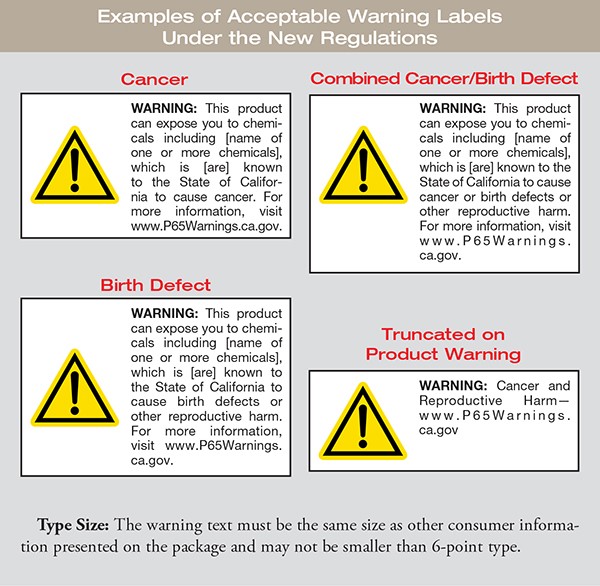
- Compliance is Key: Businesses must display clear and reasonable warnings if they expose individuals to listed chemicals above the established safe harbor levels. This means visible signage in lobbies, gyms, parking areas, and potentially within guest rooms or dining facilities.
- Transparency and Guest Communication: Progressive hotels and tourism operators go beyond mere compliance by offering guests readily accessible information about Prop 65. This might include FAQs on their websites or at the front desk, helping to clarify the warnings for confused travelers. For instance, a hotel like the Ritz-Carlton, Laguna Niguel might have information available to explain why their beautiful property, with its various amenities, might have such signs.
- Sourcing and Operations: Prop 65 influences business decisions on sourcing products, furniture, and even food ingredients. Many businesses work with suppliers to minimize or eliminate listed chemicals where feasible, or to ensure that products meet federal safety standards even if a Prop 65 warning is still required by state law.
Making Informed Lifestyle Choices
For residents or those considering a longer stay in California – perhaps for a long-term apartment rental or extended business trip – Prop 65 can play a more integrated role in daily lifestyle choices.
- Product Selection: Over time, residents might become accustomed to checking labels for Prop 65 warnings on products they use regularly, such as household cleaners, personal care items, or garden supplies. This enables them to choose alternatives if they have concerns, aligning with the “right to know” ethos.
- Environmental Awareness: Understanding that certain environments, like busy intersections or older buildings, might carry warnings can lead to small adjustments, such as opting for public transport in heavily trafficked areas or ensuring good ventilation at home.
- Balanced Perspective: Ultimately, a long-term resident learns to integrate Prop 65 into their general health and safety awareness without it becoming an overwhelming concern. It becomes one factor among many in making informed decisions about diet, products, and environment, much like understanding nutritional labels or recycling guidelines.
In conclusion, the California Proposition 65 warning is a unique, deeply ingrained part of the state’s regulatory landscape. While its prevalence can initially be surprising for visitors, understanding its purpose as an informational tool—rather than a definitive hazard alert—is key. As you explore California’s stunning destinations, indulge in its diverse culinary scene, and enjoy its world-class hotels and accommodations, view these warnings as a testament to the state’s commitment to public health transparency. With this knowledge, you can navigate the Golden State confidently, making informed choices and fully embracing the incredible travel and lifestyle experiences it has to offer.
LifeOutOfTheBox is a participant in the Amazon Services LLC Associates Program, an affiliate advertising program designed to provide a means for sites to earn advertising fees by advertising and linking to Amazon.com. Amazon, the Amazon logo, AmazonSupply, and the AmazonSupply logo are trademarks of Amazon.com, Inc. or its affiliates. As an Amazon Associate we earn affiliate commissions from qualifying purchases.