
California, a land synonymous with dreams, innovation, and breathtaking landscapes, presents a unique economic paradox, particularly when defining its middle class. While the allure of its vibrant cities, pristine beaches, and majestic national parks draws millions, the reality of its exceptionally high cost of living profoundly shapes what it means to be considered “middle class” within its borders. Unlike many other states, a household income that might be considered affluent elsewhere often barely qualifies as middle class in California’s major metropolitan areas. This complex dynamic impacts everything from daily expenses and housing choices to travel aspirations and the ability to enjoy the state’s rich tourism offerings.

The concept of “middle class” itself is fluid, often defined by income brackets, but also by a lifestyle that affords a degree of financial security, access to quality education, healthcare, and the occasional luxury like a memorable vacation. In California, maintaining this lifestyle requires a significantly higher income threshold, pushing many to re-evaluate their financial strategies and even their travel habits. This article delves into the multifaceted definition of the middle class in the Golden State, exploring the income ranges, the challenges they face, and how they navigate the state’s diverse opportunities for travel, accommodation, and leisure.
Understanding the Middle-Class Benchmark in California
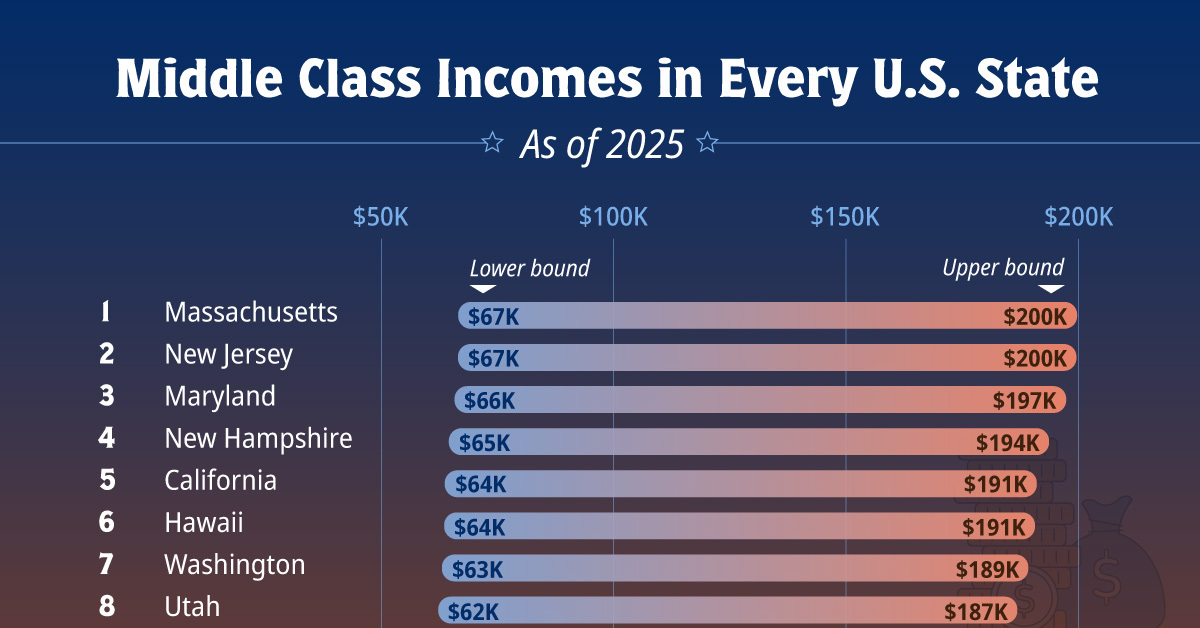
Defining the middle class in California is an exercise in appreciating regional disparities. Nationally, the middle class is often considered to be households earning two-thirds to double the median household income. However, applying this national standard directly to California would be misleading, given the state’s sky-high cost of living. For instance, while the median household income across the United States might hover around $70,000, in California, it typically ranges higher, often exceeding $80,000 to $90,000, depending on the year and source.
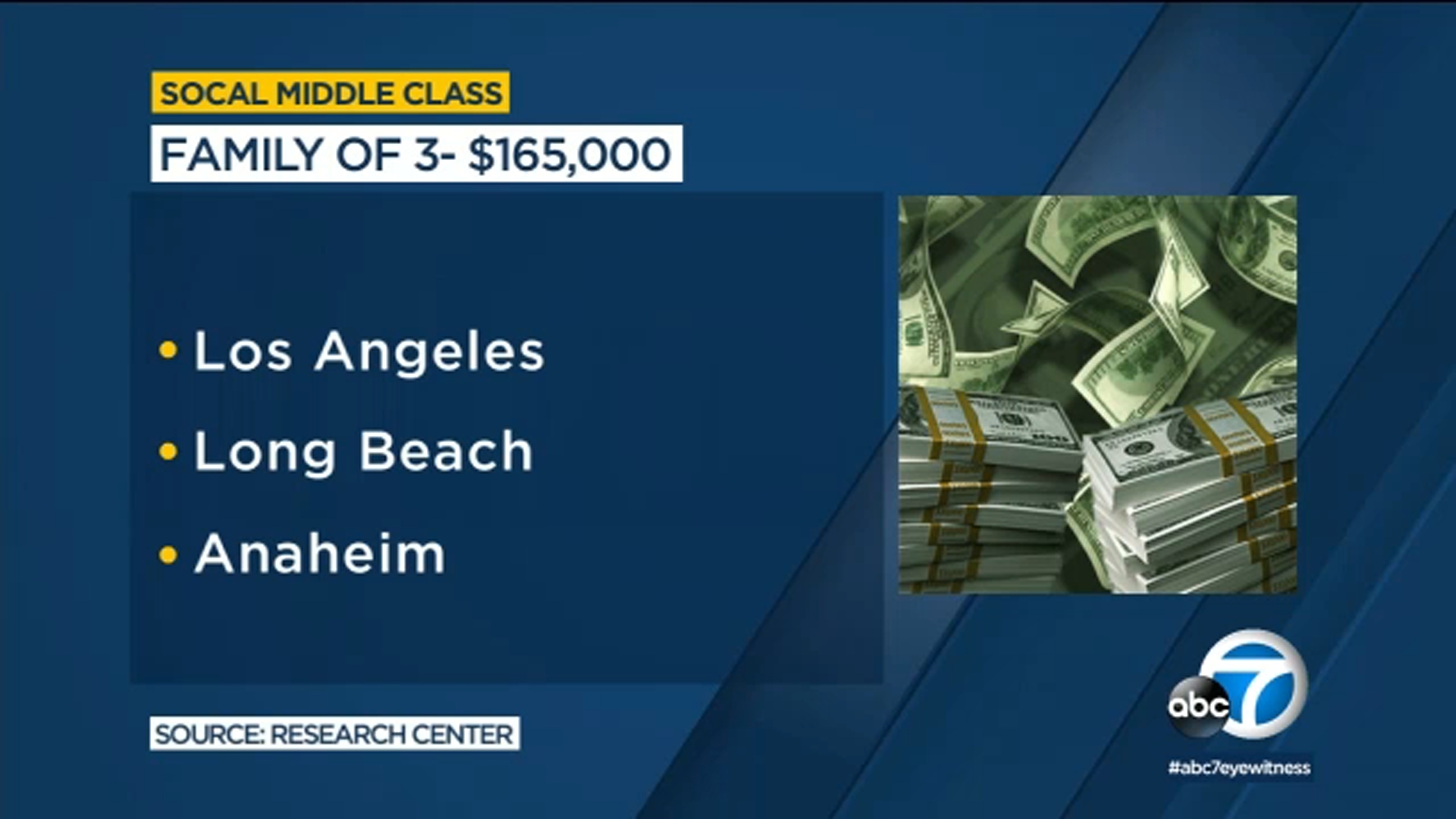
Several organizations, including the Pew Research Center and various state economic agencies, offer specific income ranges to delineate the middle class. However, these figures must be contextualized by county and metro area. A household earning $100,000 might feel comfortably middle class in a more rural part of the state like the Central Valley, but would struggle immensely in high-cost areas such as San Francisco, San Jose, or Los Angeles. In these urban hubs, an annual income of $150,000 to $200,000 for a family might just place them squarely in the middle-income bracket, largely due to exorbitant housing costs.
The middle-class definition also needs to account for household size. A single individual earning $75,000 in Los Angeles might be considered low-to-middle income, while a family of four would need substantially more – perhaps upwards of $180,000 to $250,000 – to achieve a similar standard of living without significant financial strain. This benchmark often assumes access to essentials like a reliable car (a necessity in most of California), health insurance, and the ability to save for retirement or a down payment. The persistent challenge for many middle-class Californians is balancing these essentials with the desire for discretionary spending, including travel and leisure experiences, which are crucial for mental well-being and enriching lives.
The Regional Divide: Income vs. Cost of Living
The true differentiator for California’s middle class is the regional cost of living. Silicon Valley and the San Francisco Bay Area consistently rank among the most expensive places in the world, not just the nation. Here, a “middle-class” income might start well over $150,000 for a single person, reaching $250,000 or more for a family to afford a modest home, cover childcare, and still have enough left for a vacation. Cities like San Diego, Santa Barbara, and Orange County also command a premium.
In contrast, areas like Sacramento, parts of the Inland Empire, or the more northern counties may have a lower middle-class threshold, with incomes closer to the national average still providing a decent quality of life. This stark contrast means that a family’s financial well-being and their ability to travel, explore local culture, or stay in comfortable hotels are heavily dependent on their geographical location within the state. It highlights the importance of understanding the specific economic landscape of a region before applying a broad definition of middle class. For many, living in California is a constant balancing act between earning a competitive wage and managing the disproportionately high cost of everyday life.
The California Dream vs. Middle-Class Reality
The traditional California Dream, often envisioned as owning a home with a backyard, a comfortable salary, and easy access to the state’s natural beauty and entertainment, has become increasingly elusive for many in the middle class. Skyrocketing housing prices are the primary culprit, turning homeownership into a distant aspiration for a significant portion of middle-income households, particularly in desirable coastal regions. This has profound implications for lifestyle, financial stability, and even travel habits.
For a middle-class family in California, the largest portion of their income is typically consumed by housing costs, whether it’s a hefty mortgage payment or exorbitant rent. This leaves less discretionary income for other aspects of the California lifestyle that define its appeal, such as dining out, cultural experiences, or exploring the state’s many attractions. As a result, many families find themselves making significant sacrifices to stay in the state, often involving long commutes from more affordable exurban areas to their workplaces in urban centers like San Francisco or Los Angeles.
This pressure often manifests in altered travel and leisure patterns. While the dream might involve international trips or luxurious stays in resorts in places like Napa Valley or Laguna Beach, the reality for many middle-class Californians leans towards more budget-conscious options. Staycations, weekend getaways to less expensive parts of the state, and camping trips to Yosemite National Park or Lake Tahoe become more common and practical alternatives to expensive out-of-state or international travel.
Navigating Lifestyle Choices and Travel
The high cost of living means that middle-class Californians often employ savvy strategies to enjoy the state’s offerings. When it comes to travel, this often involves meticulous planning to find value. Booking hotels during off-peak seasons, utilizing loyalty programs, or opting for vacation apartments or shared villas over traditional full-service hotels are common tactics. The emphasis shifts from extravagance to experience, seeking out unique local culture, enjoying delicious but affordable local food, and participating in outdoor activities that leverage California’s natural advantages.
For families, trips to iconic destinations like Disneyland or Universal Studios Hollywood often require extensive saving and careful budgeting to ensure the experience is memorable without breaking the bank. Many families might choose to drive rather than fly for domestic trips, exploring the scenic Pacific Coast Highway or lesser-known state parks. This approach allows them to stretch their travel budgets further, proving that a middle-class income in California doesn’t preclude travel, but rather necessitates a more intentional and often creative approach to exploring the world, starting with their own diverse state. The “middle-class” identity in California is less about what one can effortlessly afford and more about the strategic choices made to achieve a desired quality of life, including travel experiences that nourish the spirit without depleting the wallet.
Accommodation and Housing Challenges for the Middle Class
One of the most defining struggles for California’s middle class revolves around accommodation. Housing costs, whether for purchase or rent, far outstrip national averages and consume a disproportionate share of middle-income budgets. This fundamental challenge directly impacts daily life, long-term financial planning, and the pursuit of leisure activities, including travel.
For many middle-class families, the dream of homeownership in coveted areas like San Francisco, Los Angeles, or San Diego remains just that – a dream. Median home prices in these cities can easily exceed $1 million, requiring down payments and mortgage payments that are simply out of reach for a typical middle-class salary. This forces many to either rent indefinitely, often for sums comparable to or even exceeding a mortgage in other states, or to relocate to more affordable inland areas, leading to lengthy and often arduous commutes. The consequence is reduced family time, increased stress, and less energy or funds for travel and local exploration.
Even for those who manage to purchase a home, the financial commitment often means sacrificing other aspects of a traditional middle-class lifestyle. Savings for retirement, children’s education, or even significant travel can be severely curtailed. This reality highlights why temporary escapes, like a well-planned vacation, become even more precious and anticipated for middle-class Californians. A stay in a comfortable hotel or a spacious suite can offer a much-needed break from the everyday financial pressures of maintaining a home in such an expensive state.
Strategic Accommodation Choices for Travel
When middle-class Californians do travel, their accommodation choices reflect their budgetary realities. While a luxurious resort stay might be an occasional splurge, more common choices involve mid-range hotels, vacation rentals that offer kitchenettes for self-catering, or even camping and glamping experiences in the state’s numerous national and state parks. The focus shifts to value and practicality, seeking comfort and convenience without unnecessary frills.
Booking accommodation well in advance, leveraging seasonal discounts, and opting for destinations slightly off the main tourist path are smart strategies. For example, instead of staying directly in Napa Valley, a family might choose accommodation in a nearby town like Fairfield or Santa Rosa, enjoying the region’s attractions during the day while saving significantly on lodging. Similarly, exploring the diverse range of boutique hotels or smaller, family-run establishments can offer charm and character at a more accessible price point than large chain resorts.
The rise of vacation apartments and villas through platforms like Airbnb or VRBO has also been a boon for middle-class travelers, providing more space, amenities, and often better value, particularly for families or longer stays. These options allow for a more localized and authentic travel experience, enabling travelers to cook some of their meals, reducing dining-out expenses, and extending their stay in a destination. This pragmatic approach to accommodation ensures that the dream of travel remains attainable, even amidst California’s demanding economic landscape.
Tourism and Local Experiences for the California Middle Class
Despite the financial pressures, California’s middle class remains deeply engaged with tourism, both within and beyond the state. However, their approach to travel and leisure is often characterized by strategic planning and a strong appreciation for value and authentic experiences. Rather than focusing solely on luxury, the emphasis is on maximizing experiences within a reasonable budget, exploring the state’s incredible diversity, and seeking out enriching local culture.
For many middle-class Californians, “travel” often means exploring their own backyard. The state offers an unparalleled array of natural wonders and cultural attractions that can be accessed without the high costs associated with air travel or extensive international trips. Weekend road trips are a popular choice, allowing families to discover iconic landmarks and hidden gems. Driving along the Pacific Coast Highway to Big Sur, exploring the majestic sequoias in Yosemite National Park, or enjoying the serene beauty of Lake Tahoe are cherished experiences that offer significant value.
Local tourism also plays a huge role. Middle-class families in Los Angeles might frequent the many free museums, enjoy picnics at local beaches like Santa Monica Pier, or explore vibrant neighborhoods to sample diverse cuisine. In San Francisco, walks across the Golden Gate Bridge, visits to Golden Gate Park, or exploring Fisherman’s Wharf can provide memorable days without significant expense. The wealth of public parks, beaches, and cultural events available statewide means that a fulfilling lifestyle doesn’t always require lavish spending.
Maximizing Value: Food, Activities, and Tips
Middle-class tourism in California is often about smart choices in every aspect of the trip. When it comes to food, this might mean balancing a few splurge meals at highly-rated restaurants with more budget-friendly options like food trucks, local markets, or preparing meals in self-catering apartments or campsites. Embracing local culture often involves seeking out authentic, non-touristy eateries that offer incredible flavors at a fraction of the price of high-end establishments.
Activities are also chosen with value in mind. Instead of expensive guided tours, many opt for self-guided explorations, leveraging online resources and local insights. Hiking, biking, swimming, and exploring historical sites are often free or come with minimal entrance fees. Family passes to attractions or annual memberships to local museums and parks can also offer significant savings over time. Even theme park visits to Disneyland or Six Flags Magic Mountain are often planned around discounts, special events, or multi-day passes to spread out the cost and maximize enjoyment.
Tips for middle-class Californians often include traveling during the shoulder seasons, when crowds are thinner and prices for hotels and activities are lower. Flexibility with dates can yield substantial savings. Additionally, leveraging travel reward points, utilizing credit card benefits, and staying informed about local events and free activities are key strategies. By focusing on experience, local immersion, and smart financial planning, California’s middle class continues to enjoy a rich and fulfilling lifestyle that includes engaging with the state’s vibrant tourism sector, proving that a comfortable life and exciting adventures are still within reach, albeit with a bit more intentionality.
The Future of the Middle Class in California
The definition and experience of being middle class in California are continuously evolving, shaped by economic trends, policy decisions, and the enduring allure of the Golden State. While the challenges of high housing costs and the overall expense of living remain significant hurdles, the resilience and adaptability of middle-income Californians shine through in their lifestyle choices and travel habits.
The future will likely see continued innovation in how middle-class individuals and families manage their finances to enjoy the best of what California offers. This might include greater reliance on remote work opportunities, which could allow some to live in more affordable regions while still earning competitive California salaries. Urban planning initiatives aimed at increasing affordable housing, improving public transportation, and creating more accessible recreational spaces will also play a crucial role in enhancing the quality of life for the middle class.
For those in the middle-income bracket, prioritizing experiences over material possessions will likely remain a key aspect of their lifestyle. This translates into a continued focus on accessible tourism, exploring the state’s natural wonders, cultural events, and diverse culinary scene without extravagant spending. Weekend getaways to places like Death Valley National Park or exploring the historic missions along the coast will continue to be cherished ways to unwind and connect with the state’s unique heritage.
Ultimately, being middle class in California is about finding balance. It’s about navigating a high-cost environment with astute financial planning, making smart choices regarding accommodation and travel, and deeply appreciating the unparalleled beauty and opportunities the state provides. It’s a testament to the enduring appeal of California that despite the challenges, so many middle-income families strive to build their lives and pursue their dreams within its borders, redefining what a comfortable and fulfilling middle-class existence truly means in this dynamic and desirable part of the world.
LifeOutOfTheBox is a participant in the Amazon Services LLC Associates Program, an affiliate advertising program designed to provide a means for sites to earn advertising fees by advertising and linking to Amazon.com. Amazon, the Amazon logo, AmazonSupply, and the AmazonSupply logo are trademarks of Amazon.com, Inc. or its affiliates. As an Amazon Associate we earn affiliate commissions from qualifying purchases.