
Understanding the economic landscape of a region is fundamental to appreciating its nuances, particularly when considering a place as vast and diverse as California. This Golden State, renowned for its sprawling coastlines, iconic landmarks, and vibrant cultural tapestry, also presents a complex economic picture. While many associate California with innovation and opportunity, a closer examination of its average income reveals a more intricate reality that impacts everything from the cost of a San Francisco brunch to the feasibility of a weekend getaway in the Napa Valley. This exploration delves into the average income in California, breaking down key factors that influence it and offering insights relevant to anyone considering a visit, a long-term stay, or simply seeking to understand this influential state.
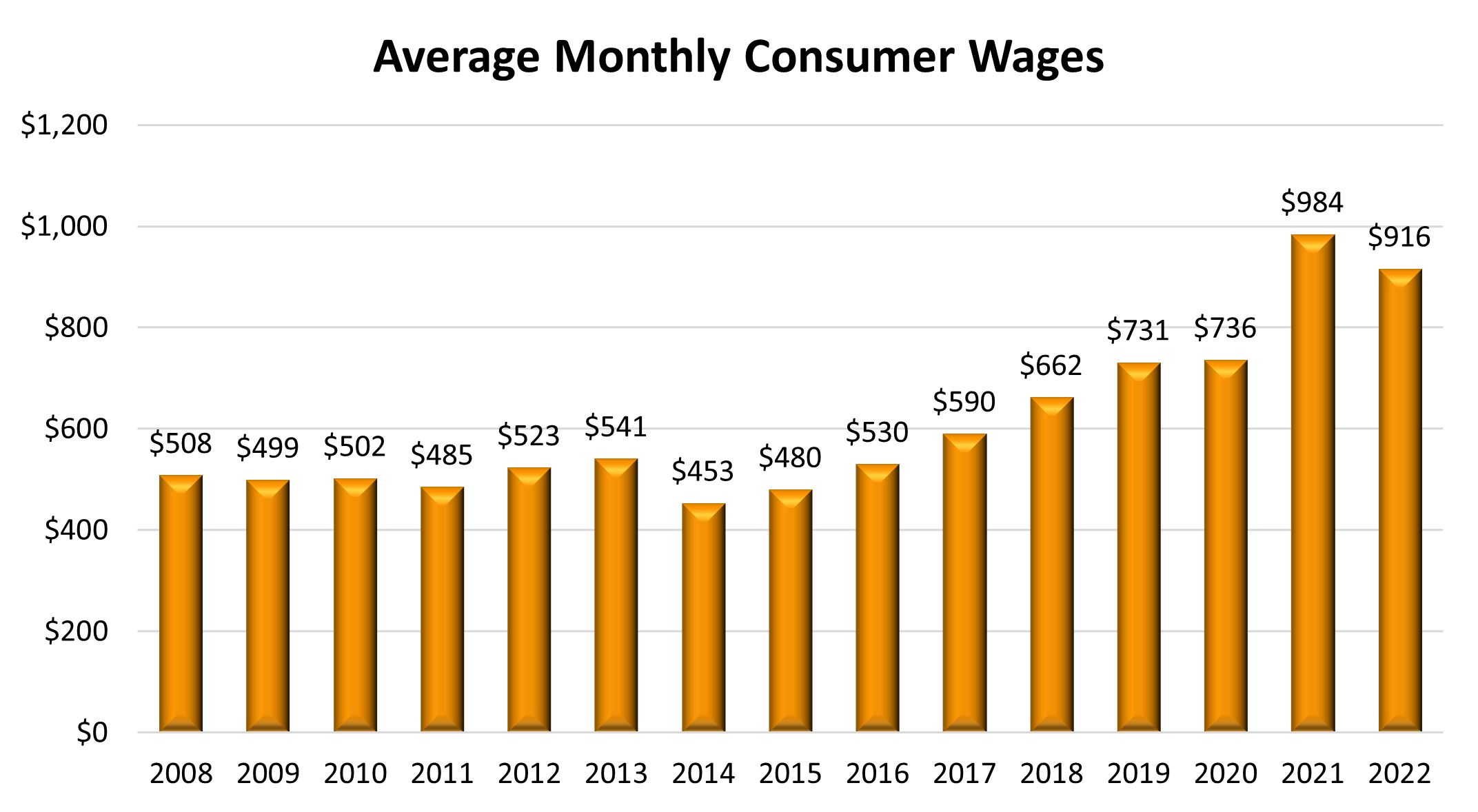
The Multifaceted Nature of California’s Average Income
When we discuss “average income,” it’s crucial to recognize that this figure is not a monolithic representation. California boasts a highly diversified economy, with sectors ranging from cutting-edge technology in Silicon Valley to agriculture in the Central Valley, and a booming entertainment industry in Los Angeles. Each of these industries contributes differently to the overall income statistics, and the geographical location within the state plays a significant role. For instance, the average income in the tech hubs of the San Francisco Bay Area will naturally differ from that in more rural or historically industrial regions.
Median vs. Mean Income: A Crucial Distinction
In statistical analysis, two common measures of central tendency are the median and the mean. While often used interchangeably in casual conversation, they represent different aspects of income distribution. The mean income is calculated by summing all incomes and dividing by the number of individuals. This figure can be skewed by extremely high earners. The median income, on the other hand, represents the midpoint of the income distribution – half of the population earns more, and half earns less. For a comprehensive understanding of California’s economic health and affordability, the median income often provides a more representative picture, as it is less affected by outliers. For example, the high salaries in the tech sector can inflate the mean income, making it appear higher than what the typical resident experiences.
Geographic Variations Within the Golden State
The sheer size and regional diversity of California mean that average income figures can vary dramatically from one locale to another. The coastal areas, particularly the San Francisco Bay Area and parts of Southern California, tend to have higher average incomes, driven by industries like technology, finance, and entertainment. Cities like San Francisco, San Jose, and parts of Los Angeles County often rank among the highest in the nation for income levels. Conversely, inland and more rural counties may exhibit lower average incomes, reflecting different economic bases and cost of living. Understanding these regional disparities is key to grasping the economic reality for different communities across California. This is particularly relevant when planning visits to diverse attractions, from the luxury resorts of Santa Barbara to the agricultural heartlands of the Central Valley.
Factors Influencing California’s Income Landscape
Several interconnected factors contribute to the overall income levels observed in California. These include the state’s dominant industries, the cost of living, educational attainment, and demographic trends. Acknowledging these influences provides a richer understanding beyond simple numerical averages, offering insights into the economic opportunities and challenges faced by residents.
The Powerhouse Industries Driving High Incomes
California’s economy is fueled by a robust and diverse set of industries that command high salaries. The technology sector, centered in Silicon Valley, consistently generates some of the highest average incomes due to demand for specialized skills in software engineering, artificial intelligence, and biotechnology. Similarly, the entertainment industry in Los Angeles offers lucrative opportunities for those in film, television, and music production, though it is also characterized by a wide range of earning potential. The aerospace industry, a long-standing contributor to California’s economy, along with finance and healthcare, also plays a significant role in elevating average income levels. These high-paying sectors attract talent from around the globe, contributing to the state’s economic dynamism and its high cost of living.
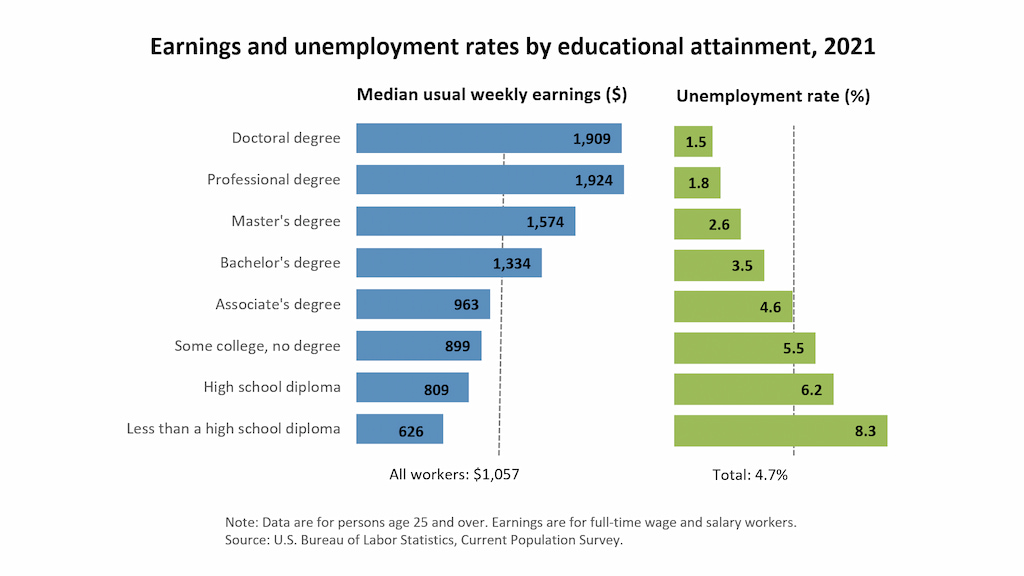
The Impact of the Cost of Living
It is impossible to discuss average income in California without addressing the state’s notoriously high cost of living, particularly in its major metropolitan areas. Housing expenses in cities like San Francisco, Los Angeles, and San Diego are among the highest in the United States. This significantly impacts the purchasing power of residents, meaning that a higher income does not always translate to greater disposable income or a higher quality of life compared to areas with lower living costs. For example, while a software engineer in San Francisco might earn a substantial salary, a significant portion of it will be allocated to rent or mortgage payments. This economic reality can influence travel decisions, making budget-friendly accommodations or destinations outside the most expensive urban centers more attractive for many.
Educational Attainment and Skill Specialization
The level of educational attainment and the presence of specialized skills are significant drivers of income in California. The state’s leading industries, particularly technology and biotech, require a highly educated and skilled workforce. Individuals with advanced degrees in STEM fields or specialized vocational training often command higher salaries. Consequently, areas with a high concentration of universities and research institutions, such as around Stanford University or the University of California system campuses, tend to exhibit higher average incomes. This correlation between education, skill specialization, and earning potential is a fundamental aspect of California’s economic structure.
Implications for Residents and Visitors
The economic realities of California’s average income have tangible implications for both its residents and those who visit its diverse attractions. Understanding these implications can inform financial planning, travel choices, and general perceptions of the state’s affordability.
Affordability and Lifestyle Choices
For residents, California’s high average incomes are often balanced by the high cost of living, particularly when it comes to housing. This can necessitate careful budgeting and influence lifestyle choices. Many residents may prioritize certain amenities or experiences over others, and the dream of homeownership can be a significant financial undertaking, especially in desirable coastal cities. For families, the cost of childcare and education also adds to the overall financial burden. Even a seemingly simple decision, like choosing to stay at a boutique hotel in Carmel-by-the-Sea versus a more budget-friendly option inland, can be dictated by income levels and the perceived value of the experience.
Planning Your California Experience
For visitors, California’s economic landscape influences the planning and budgeting of trips. The cost of accommodations, dining, and activities can vary significantly depending on the region and the time of year. Popular tourist destinations like Disneyland Resort in Anaheim, the scenic drives along the Pacific Coast Highway, or a wine tasting tour in Sonoma might come with a higher price tag due to the economic conditions of the surrounding areas. Travelers looking to experience the best of California while managing their budget may consider visiting during the shoulder seasons, exploring less-touristed regions, or opting for vacation rentals over luxury hotels. Understanding the average income can offer context for pricing and help visitors make informed decisions to maximize their enjoyment of the Golden State.
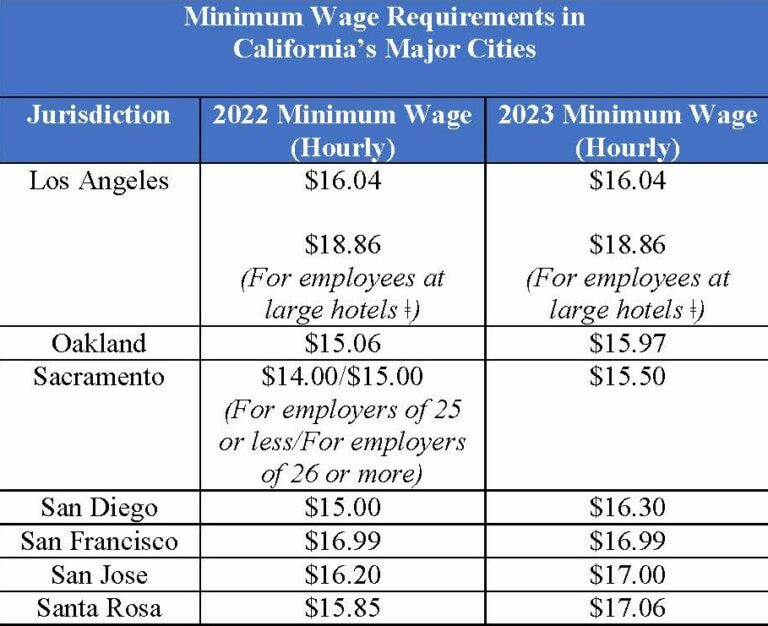
Conclusion: A Dynamic Economic Tapestry
In conclusion, the question of “What Is The Average Income In California?” opens a window into a complex and dynamic economic tapestry. It’s a state defined by innovation, natural beauty, and a vibrant culture, but also by significant economic disparities and a high cost of living. The average income, whether viewed as a mean or median, is influenced by powerful industries, regional economic variations, and the educational backgrounds of its workforce. For residents, it shapes daily life and long-term financial planning. For visitors, it provides context for the cost of experiencing the state’s world-renowned attractions, from the theme parks of Southern California to the redwood forests of the north. Ultimately, understanding California’s average income is not just about numbers; it’s about appreciating the intricate interplay of economic forces that shape life and experiences in this remarkable state.
LifeOutOfTheBox is a participant in the Amazon Services LLC Associates Program, an affiliate advertising program designed to provide a means for sites to earn advertising fees by advertising and linking to Amazon.com. Amazon, the Amazon logo, AmazonSupply, and the AmazonSupply logo are trademarks of Amazon.com, Inc. or its affiliates. As an Amazon Associate we earn affiliate commissions from qualifying purchases.