

This article delves into the current state of [California]’s minimum wage, exploring its evolution, its direct and indirect impacts on the state’s thriving tourism and accommodation industries, and what it means for budgeting your travels and understanding the broader economic context of this iconic destination.
The Foundations of California’s Minimum Wage: Current Rates and Economic Context
[California]’s commitment to a higher minimum wage is deeply rooted in its progressive economic policies, aiming to ensure a living wage for its residents amidst a relatively high cost of living. This commitment has led to a structured approach to minimum wage adjustments, impacting a vast array of industries, particularly those within the service and hospitality sectors that are the backbone of the state’s appeal to tourists.Understanding the Statewide Minimum Wage and Its Evolution
As of January 1, 2024, the statewide minimum wage in [California] stands at $16.00 per hour for all employers, irrespective of their size. This unified rate simplifies what was previously a two-tiered system, where employers with 25 or fewer employees could pay a slightly lower rate. This significant increase from previous years reflects a continuous effort by the state legislature to address the rising cost of living across its diverse regions, from the bustling urban centers of [Los Angeles] to the tranquil vineyards of [Napa Valley].
The path to the current $16.00 rate has been a gradual one, mandated by Senate Bill 3, signed into law in 2016. This legislation outlined a series of annual increases designed to bring the minimum wage to a sustainable level over time. Beyond the general statewide minimum, [California] also implements specific minimum wage rates for certain industries, acknowledging the unique economic conditions and workforce demands within these sectors. For example, as of April 1, 2024, the minimum wage for fast-food workers in the state increased to $20.00 per hour. Similarly, healthcare workers are set to see their minimum wage gradually rise, reaching $25.00 per hour over the next few years, starting June 1, 2024. These targeted increases demonstrate a nuanced approach to economic equity, directly impacting the wages of countless individuals who contribute to the everyday services enjoyed by both residents and visitors alike.
Key Exemptions and the Power of Local Ordinances
While the statewide minimum wage provides a crucial baseline, it’s important to note that certain exemptions exist. These typically apply to specific types of employees, such as administrative, executive, or professional employees who meet certain salary and duty tests, or outside salespersons. However, for the vast majority of workers in the tourism and service industries, the minimum wage laws apply directly.
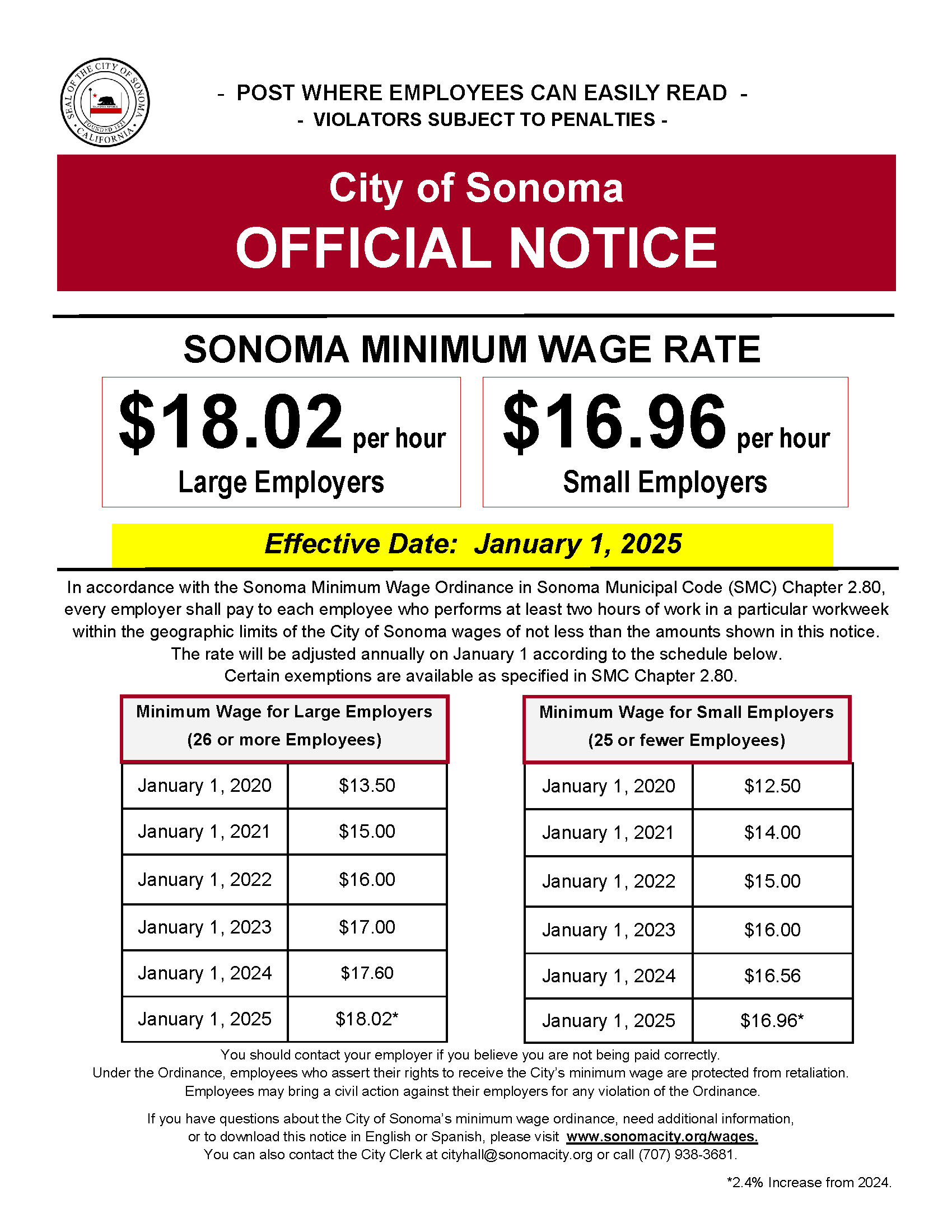
Crucially, many cities and counties within [California] have taken the initiative to establish their own, higher local minimum wage ordinances. These local rates often exceed the state minimum, reflecting the even higher cost of living in specific metropolitan areas. Cities like [San Francisco], [Los Angeles], [San Jose], [Oakland], [Berkeley], [Santa Monica], and [West Hollywood] are prominent examples where local minimum wages are significantly higher than the state rate, often adjusted annually, typically on July 1st. For instance, a hotel staff member working in [San Francisco] might earn substantially more per hour than their counterpart in a less expensive rural area, even if both are above the state minimum. This patchwork of local ordinances creates a dynamic wage environment that businesses, especially those in the hospitality sector, must navigate carefully. For travelers, this means that the cost of services, from a quick meal to a night’s stay at a luxurious resort like the [Ritz-Carlton Laguna Niguel], can vary not just by location but also by the local wage landscape. Understanding these variations is key to comprehending the true economic tapestry of [California].
Impact on California’s Hospitality and Tourism Sector
The minimum wage, particularly in a state as tourist-dependent as [California], is far more than just a labor law; it’s an economic driver that profoundly shapes the hospitality and tourism sectors. From the sprawling resorts of [Palm Springs] to the boutique hotels of [Monterey] and the iconic attractions like [Universal Studios Hollywood], the cost of labor is a significant factor in operational budgets and, consequently, in the pricing of services.
How Wages Influence Hotel and Accommodation Costs
The hospitality industry is inherently labor-intensive, relying on a vast workforce to deliver exceptional guest experiences. Hotel staff, including housekeepers, front desk agents, concierges, valets, and maintenance crews, are essential to the smooth operation of any accommodation. When the minimum wage increases, particularly to levels like [California]’s $16.00 per hour or even higher in cities like [Santa Monica], the direct labor costs for hotels and other accommodation providers, from luxury resorts to budget-friendly motels, inevitably rise.
This increase in operational expenses can be absorbed in various ways. Some establishments might become more efficient through technological adoption or process optimization. However, a common outcome is a marginal increase in room rates, resort fees, or service charges. For instance, a stay at a high-end property like the [Hotel del Coronado] near [San Diego], or a family-friendly option in [Anaheim] near [Disneyland], will likely reflect these labor costs in its pricing. This isn’t necessarily a negative for the traveler; it often ensures that the staff providing those services are paid a more equitable wage, potentially leading to higher job satisfaction and better service quality. For those planning a trip, understanding this connection means recognizing that the price of a hotel room isn’t just about location and amenities, but also about the economic environment in which the establishment operates.
The Ripple Effect on Restaurants, Attractions, and Travel Experiences
Beyond hotels, the minimum wage impacts the entire ecosystem of tourism. Restaurants, from Michelin-starred establishments in [Los Angeles] to casual cafes along [Fisherman’s Wharf] in [San Francisco], employ vast numbers of minimum wage earners. Higher wages for cooks, servers, dishwashers, and bussers mean increased food prices, service charges, or slightly higher menu costs. While diners might notice a slight uptick in their bill, this also contributes to a more sustainable livelihood for the individuals preparing and serving their meals.
Similarly, major attractions like [Disneyland], [Universal Studios Hollywood], the [Getty Center], or [Alcatraz Island] employ thousands of staff in various roles, from ticket takers and ride operators to retail assistants and maintenance personnel. An elevated minimum wage directly increases the payroll for these organizations. While large entertainment complexes might have more flexibility to absorb these costs or adjust ticket prices marginally, the principle remains: the cost of enjoying [California]’s world-class attractions is influenced by the wages paid to the people who make those experiences possible. For tour operators, guides, and transportation services, the same dynamics apply. The overall cost of a guided tour through [Yosemite National Park] or a wine tasting excursion in [Napa Valley] will factor in the wages of the skilled professionals delivering these unique experiences. Ultimately, the minimum wage helps establish a baseline for a fairer economy, contributing to the overall quality and sustainability of [California]’s diverse tourism offerings.
Navigating California as a Traveler: Budgeting and Lifestyle
For travelers planning a visit to the Golden State, understanding [California]’s minimum wage isn’t just about abstract economics; it’s a practical consideration that affects budgeting, lifestyle choices, and even how one perceives the local culture and economy. The state offers a spectrum of experiences, from opulent luxury to rugged budget-friendly adventures, and the wage environment influences each end of this spectrum.
Cost of Living and Its Influence on Travel Budgets
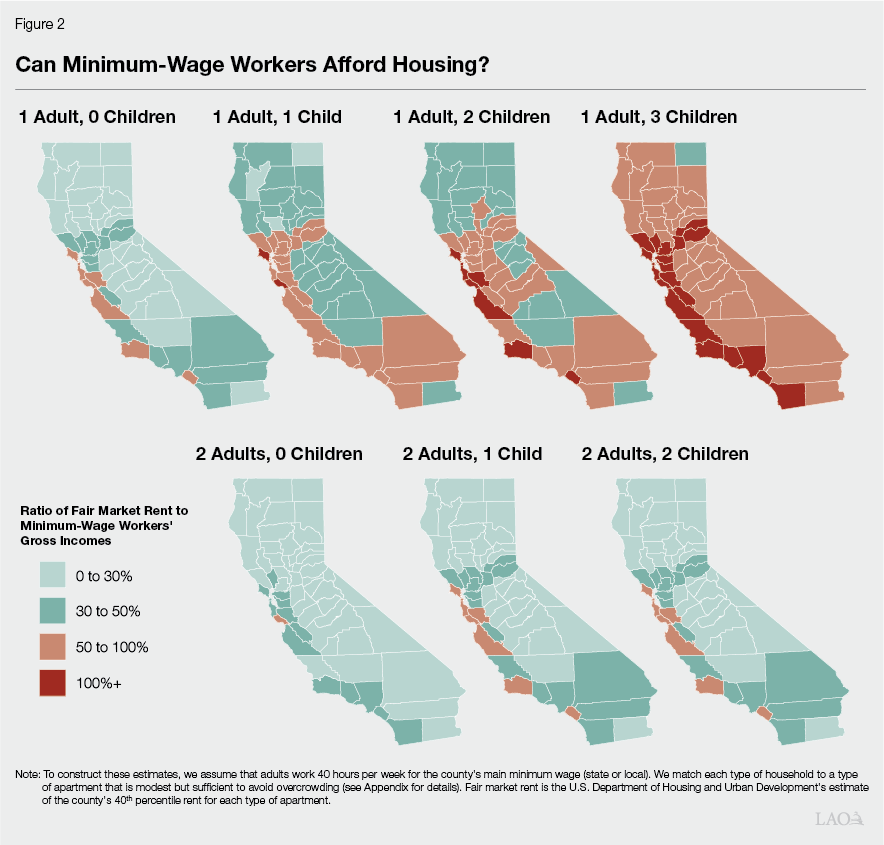
[California] is widely known for its high cost of living, especially in major metropolitan areas like [San Francisco], [Los Angeles], and [San Diego]. The minimum wage directly contributes to this perception, as higher labor costs generally translate to higher prices for goods and services. For travelers, this means budgeting more generously for essentials such as meals, transportation, and incidental expenses compared to many other states or countries.For example, a casual meal in downtown [San Francisco] or [Hollywood] will likely be more expensive than a comparable meal in a city with a lower minimum wage. The cost of taxi services, ride-sharing apps, and even admission to certain local museums or events can reflect these underlying labor costs. While accommodation costs are primarily driven by demand, location, and property type, the operational expenses, including staff wages, are an embedded component. A stay at a luxury destination like [Terranea Resort] or [The Peninsula Beverly Hills] will naturally have a higher price point, partly due to the high-quality, well-compensated service staff. Travelers seeking to stretch their budget might opt for self-catering accommodations, utilize public transport, or seek out free attractions like exploring the [Golden Gate Bridge] or hiking trails in state parks. Understanding the baseline cost of living, influenced by the minimum wage, allows for more realistic financial planning and helps avoid unexpected expenses during a trip.
Exploring Diverse Lifestyles: From Luxury Resorts to Budget-Friendly Stays
Despite the higher costs, [California]’s appeal lies in its incredible diversity, catering to every type of traveler and lifestyle. The minimum wage environment doesn’t preclude budget travel; rather, it shapes the available options and encourages smart planning.
For those seeking luxury, [California] offers an unparalleled selection of high-end hotels and resorts where exceptional service is standard. Properties like the [Fairmont Grand Del Mar] or [Post Ranch Inn] embody the pinnacle of hospitality, where staff are likely paid well above the minimum wage, contributing to an elevated guest experience. The minimum wage ensures that even entry-level positions within these establishments provide a more livable income, potentially attracting and retaining skilled, dedicated employees who deliver world-class service.
Conversely, budget-conscious travelers can still enjoy [California] without breaking the bank. Hostels, Airbnb options in less central areas, and camping in designated state or national parks like [Death Valley National Park] or [Lake Tahoe] offer more affordable accommodation. Dining choices range from upscale restaurants to food trucks and farmers’ markets, allowing travelers to manage food costs. The minimum wage for restaurant workers, for example, contributes to a robust and often vibrant culinary scene where even casual eateries maintain a high standard, knowing their staff are reasonably compensated. This economic backdrop means that whether you’re splurging on a gourmet meal in [Napa Valley] or grabbing a quick, quality bite in [Oakland], you’re engaging with a system that aims to uphold fair labor practices. The diverse lifestyle offerings, from the glamour of [Beverly Hills] to the bohemian charm of [Berkeley], are all part of an economy where fair wages are a significant consideration.
Supporting Local Economies and Fair Wages
For many travelers, a visit to [California] is also an opportunity to engage with local cultures and support local economies. Understanding the minimum wage context can enhance this experience. By choosing businesses that are compliant with or exceed minimum wage laws, travelers can indirectly support fair labor practices. This could mean opting for local, independently owned restaurants, staying in accommodations that are known for good employee relations, or purchasing goods from small businesses rather than large chains.
The higher minimum wage in [California] is often a point of pride for its residents, reflecting a commitment to social equity. When tourists patronize businesses operating within this framework, they are contributing to a local economy where workers can afford to live and thrive in their communities. This creates a more stable and vibrant local culture, which in turn enhances the authenticity and quality of the travel experience. From the bustling markets of [Sacramento] to the arts scene in [Hollywood], the economic well-being of the workforce is intrinsically linked to the vibrancy of these destinations. By being mindful of the economic context, travelers can make choices that not only benefit their own experience but also positively impact the lives of the people who make [California] such a unique and memorable place to visit.
Local Ordinances: The Higher Bar in Major Cities
While the statewide minimum wage provides a strong foundation, the true complexity and impact of [California]’s wage policies come into sharper focus when considering the numerous local ordinances. Many of the state’s most popular tourist destinations and economic hubs have implemented minimum wages significantly higher than the state standard, creating a dynamic and often higher-cost environment for both businesses and visitors.
Major Cities Setting Their Own Standards
The progressive stance on labor in [California] is often amplified at the municipal level. Cities like [San Francisco], [Los Angeles], [San Jose], [Oakland], and [Berkeley] have long been leaders in establishing minimum wage rates that reflect their exceptionally high costs of living. These cities typically adjust their minimum wages annually, often on July 1st, based on consumer price indices or other local economic indicators.
For instance, [San Francisco] consistently maintains one of the highest minimum wages in the nation, providing a model for other progressive cities. [Santa Monica] and [West Hollywood] also stand out with their robust local ordinances, often including specific rates for hotel workers that are even higher than their general citywide minimum wage. These localized policies are a direct response to the immense pressures of housing costs, transportation, and daily expenses faced by residents in these urban centers. For a traveler exploring landmarks like the [California Academy of Sciences] in [San Francisco] or attending a concert at the [Walt Disney Concert Hall] in [Los Angeles], the higher cost of services in these cities is a direct reflection of the wages paid to the local workforce. These local initiatives underscore a strong commitment to ensuring that even entry-level workers can afford to live and work in these vibrant, yet expensive, metropolitan areas.
Implications for Businesses and Visitors in High-Cost Areas
The existence of diverse local minimum wage ordinances has significant implications for both businesses operating in [California]’s prime tourist areas and the visitors who frequent them. For businesses, particularly those in the highly competitive hospitality, retail, and food service sectors, compliance with these varying rates can be complex. Hotels, restaurants, and attractions operating across multiple cities must navigate different wage requirements, impacting their payroll, staffing strategies, and pricing structures. While challenging, this also drives innovation in efficiency and service quality, as businesses strive to remain competitive while paying fair wages.
For visitors, the impact is primarily on budgeting. A trip to a city with a higher local minimum wage, such as [Palo Alto] in [Silicon Valley] or [West Hollywood], will generally involve higher costs for meals, lodging, and local services compared to other parts of the state. A standard coffee, a casual lunch, or an evening out can quickly add up. For example, a stay at [The Ahwahnee Hotel] in [Yosemite National Park], while under state jurisdiction, would contrast in its local economic context compared to a hotel in downtown [San Jose]. Understanding these localized economic realities helps travelers make informed decisions about where to stay, where to dine, and how much to allocate for their daily expenses, ensuring a smoother and more enjoyable journey through [California]’s diverse urban landscapes. By being aware of these nuances, visitors can better appreciate the complex interplay between labor laws, local economies, and the unique character of each [California] destination.
LifeOutOfTheBox is a participant in the Amazon Services LLC Associates Program, an affiliate advertising program designed to provide a means for sites to earn advertising fees by advertising and linking to Amazon.com. Amazon, the Amazon logo, AmazonSupply, and the AmazonSupply logo are trademarks of Amazon.com, Inc. or its affiliates. As an Amazon Associate we earn affiliate commissions from qualifying purchases.