
Planning a trip to the Gem State often brings a host of exciting considerations: the majestic Rocky Mountains, the pristine waters of Lake Coeur d’Alene, or perhaps the vibrant city life of Boise. However, before you pack your bags and set your itinerary, there’s one crucial detail that can significantly impact your travel plans and overall experience: Idaho’s unique time zone situation. Unlike many other states that adhere to a single time zone, Idaho famously straddles two distinct zones, creating a fascinating geographical and logistical puzzle for residents and visitors alike. This duality isn’t merely a point of trivia; it has tangible implications for everything from booking accommodations and scheduling tours to catching a flight or simply meeting friends for dinner. Understanding which part of Idaho falls into which time zone, and how Daylight Saving Time (DST) plays a role, is essential for a seamless and stress-free Idaho adventure. From the bustling capital to the tranquil wilderness of the panhandle, let’s unravel the complexities of Idaho’s time zones and equip you with the knowledge to navigate them like a seasoned traveler, ensuring your focus remains on enjoying the state’s unparalleled beauty and diverse offerings.
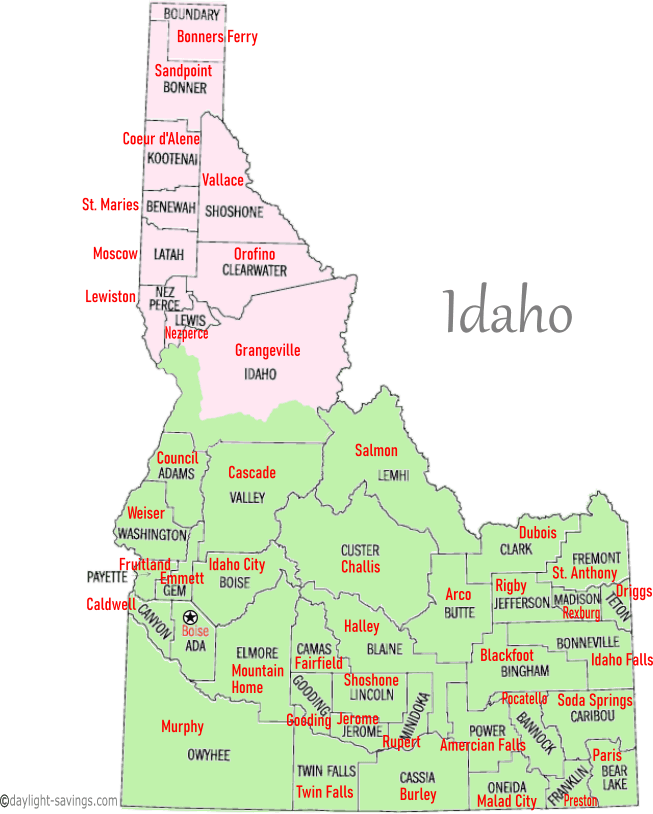
Unraveling Idaho’s Dual Time Zones
Idaho’s peculiar time zone split is one of its lesser-known, yet most impactful, characteristics. For travelers crossing the state or interacting with different regions, being aware of this division is paramount. It dictates everything from the local rhythm of life to the scheduling of transportation and events.
The Mountain Time Zone Dominance
The vast majority of Idaho operates under the Mountain Time Zone (MT). This expansive zone covers approximately two-thirds of the state, encompassing its most populous areas and many of its iconic landmarks. When traveling to Idaho, there’s a high probability you’ll find yourself adjusting to Mountain Time. During the standard winter months, this is referred to as Mountain Standard Time (MST), which is UTC-7. However, like much of the United States, Idaho observes Daylight Saving Time, meaning that from spring through fall, the clocks spring forward to Mountain Daylight Time (MDT), which is UTC-6.
Major cities and popular tourist destinations firmly situated within the Mountain Time Zone include the state capital, Boise, a vibrant hub known for its lively downtown, burgeoning culinary scene, and outdoor recreation opportunities along the Boise River Greenbelt. Further east, cities like Pocatello, known as the “Gate City” due to its historical significance as a railway junction, and Idaho Falls, famous for its picturesque waterfall on the Snake River and proximity to Yellowstone National Park, also adhere to Mountain Time. The renowned ski resorts of Sun Valley, a premier destination for winter sports and luxury travel, and Bogus Basin near Boise, are also firmly within this time zone. Even the agricultural heartlands around Twin Falls, home to the spectacular Shoshone Falls (often called the “Niagara of the West”), fall under MT. This broad coverage means that most travelers exploring central and southern Idaho will be operating on the same clock.
The Pacific Time Zone Enclave
While Mountain Time dominates, a significant portion of Idaho’s northernmost region, commonly known as the Idaho Panhandle, operates on the Pacific Time Zone (PT). This includes everything north of the Salmon River. Pacific Standard Time (PST) is UTC-8 during winter, shifting to Pacific Daylight Time (PDT), which is UTC-7, during DST. This means there’s a consistent one-hour difference between the Panhandle and the rest of the state, regardless of whether Daylight Saving Time is in effect.
Key cities and attractions in the Idaho Panhandle that follow Pacific Time include Coeur d’Alene, a stunning resort city famous for its lakeside beauty, championship golf courses, and the luxurious Coeur d’Alene Resort. Further north, Sandpoint, nestled on the shores of Lake Pend Oreille and home to Schweitzer Mountain Resort, also observes Pacific Time. The university towns of Moscow, home to the University of Idaho, and Lewiston, located at the confluence of the Snake and Clearwater Rivers, are also on Pacific Time. Even popular family attractions like Silverwood Theme Park and Boulder Beach Water Park near Coeur d’Alene operate on PDT during their peak season. This adherence to Pacific Time is largely due to the region’s strong economic and social ties with neighboring Washington state, particularly the city of Spokane, which also operates on Pacific Time.
The Role of Daylight Saving Time
The implementation of Daylight Saving Time (DST) across both the Mountain and Pacific Time Zones in Idaho maintains the consistent one-hour difference between them. When the clocks “spring forward” in March, both MST becomes MDT and PST becomes PDT. This means that if it’s 3:00 PM in Boise (MDT), it will be 2:00 PM in Coeur d’Alene (PDT). Conversely, when clocks “fall back” in November, MDT reverts to MST, and PDT reverts to PST, preserving the one-hour offset.
This consistent difference simplifies matters somewhat, as you don’t have to account for varying shifts in the time gap. However, it underscores the importance of always confirming which time zone a specific location in Idaho adheres to, particularly when making travel arrangements, scheduling meetings, or checking local business hours. A lack of awareness could lead to missed appointments, delayed check-ins, or confusion regarding transportation schedules, especially if your itinerary involves moving between the southern and northern parts of the state.
Why the Split? A Glimpse into History and Geography
The existence of two distinct time zones within Idaho isn’t a random quirk; it’s the result of a complex interplay of historical, economic, and geographical factors that have shaped the state’s development and its relationship with neighboring regions. Understanding these underpinnings provides a deeper appreciation for this unique aspect of Idaho’s identity.
Historical Context and Economic Ties
The primary driver behind the Idaho Panhandle observing Pacific Time Zone is its long-standing economic and social integration with Spokane, Washington. Spokane, just across the state line, has historically served as the major economic and transportation hub for much of northern Idaho. For decades, residents in cities like Coeur d’Alene, Sandpoint, and Lewiston have looked to Spokane for commerce, medical services, and even media. Adhering to the same time zone as their primary regional center facilitates business operations, communications, and daily life, making cross-border interactions smoother and more efficient. This historical alignment prevented the Panhandle from adopting the Mountain Time Zone, which predominates in the rest of Idaho. The alternative would have created constant scheduling conflicts and inconvenience for a population that frequently travels or conducts business with its western neighbor.
This integration is evident in everything from regional news broadcasts and delivery schedules to the operating hours of businesses and flight connections out of Spokane International Airport. For travel and tourism, this means that visitors to the Panhandle often find themselves more aligned with the rhythms of Washington than the rest of Idaho, impacting hotel check-in times, attraction operating hours, and even local dining experiences. The decision to maintain this time zone distinction was rooted in practical necessity, prioritizing regional economic cohesion over statewide time zone uniformity.
Geographical Considerations
While economic ties are paramount, geography also plays a subtle yet significant role in defining Idaho’s time zone boundary. The natural landscape provides a convenient, albeit not absolute, demarcation. The effective boundary between the two time zones roughly follows the course of the Salmon River, also known as “The River of No Return.” This formidable river, carved through deep canyons and rugged terrain, has historically acted as a natural barrier, limiting east-west travel and fostering separate regional identities. South of the Salmon River, communities have traditionally had stronger ties to Boise and the broader intermountain west, which operates on Mountain Time. North of the river, the Panhandle’s orientation towards the Pacific Northwest and its proximity to the Bitterroot Mountains further solidify its connection to the Pacific Time Zone.
The rugged topography of Idaho, including mountain ranges and vast wilderness areas, has historically segmented the state into distinct regions, each developing its own cultural and economic patterns. This geographical isolation, combined with external influences, contributed to the decentralized time zone system. While modern transportation makes crossing these natural barriers easier, the historical precedents set by geography and commerce have endured, making Idaho a unique case study in time zone administration. For travelers seeking to explore both the southern and northern parts of the state, understanding these historical and geographical factors highlights the importance of checking local times, particularly when moving between attractions such as Craters of the Moon National Monument and Preserve in the south and Farragut State Park in the Panhandle.
Navigating Idaho’s Time Zones: A Traveler’s Guide

For anyone planning to explore the diverse landscapes and vibrant communities of Idaho, being aware of and prepared for its dual time zones is not just good practice—it’s essential for a smooth and enjoyable trip. Confusion about time can lead to missed connections, frustrated experiences, and an overall damper on your travel plans.
Key Destinations and Their Time Affiliations
To help travelers better visualize the time zone split, here’s a quick reference for some of Idaho’s most popular destinations:
Mountain Time Zone (MT/MDT):
- Boise: The state capital and largest city, offering urban attractions, outdoor recreation, and a thriving food scene.
- Sun Valley: A world-renowned ski resort and year-round luxury destination.
- Ketchum: Adjacent to Sun Valley, known for its arts, culture, and Ernest Hemingway’s former residence.
- Pocatello: A historic railroad city, home to Idaho State University.
- Idaho Falls: Gateway to Yellowstone and Grand Teton National Park, with its namesake waterfall.
- Twin Falls: Home to Shoshone Falls and base jumping opportunities at Perrine Bridge.
- Rexburg: A family-friendly city with strong ties to Brigham Young University-Idaho.
- McCall: A picturesque town on Payette Lake, famous for its winter carnival.
- Craters of the Moon National Monument and Preserve: A unique volcanic landscape offering hiking and exploration.
Pacific Time Zone (PT/PDT):
- Coeur d’Alene: A premier lake resort city in the Panhandle, known for its beauty and outdoor activities.
- Sandpoint: Situated on Lake Pend Oreille, offering access to Schweitzer Mountain Resort.
- Moscow: Home to the University of Idaho and a vibrant arts community.
- Lewiston: Located at the confluence of the Snake and Clearwater Rivers, serving as Idaho’s only seaport and gateway to Hells Canyon.
- Priest Lake: A serene wilderness area offering pristine waters and recreation.
- Silverwood Theme Park: A major amusement park near Coeur d’Alene.
When planning your journey, particularly if it involves moving between these regions, always double-check the local time. Modern smartphones and GPS devices usually adjust automatically, but it’s wise to have a manual confirmation, especially for critical appointments.
Practical Tips for a Seamless Idaho Experience
Navigating Idaho’s dual time zones requires a bit of foresight and attention to detail. Here are some practical tips to ensure your trip remains smooth and enjoyable:
-
Confirm All Bookings and Schedules: Before finalizing any reservations—be it for hotels, resorts, car rentals, flights, tours, or restaurant reservations—always confirm the time zone with the service provider. For instance, a 3:00 PM check-in at a Boise hotel will be different from a 3:00 PM check-in at a Coeur d’Alene Resort if you’re not factoring in the one-hour difference. This is especially true for internal flights within the region, where departure and arrival times might be listed in local time.
-
Utilize Technology Wisely: Most modern smartphones and smartwatches automatically adjust to the local time zone when connected to cellular networks or Wi-Fi. However, it’s good practice to set your device to automatically update based on network time. You can also add a world clock widget to your phone or computer to display times for both Mountain Daylight Time and Pacific Daylight Time (or Standard Time, depending on the season).
-
Communicate Clearly: When coordinating with travel companions, local guides, or business contacts, explicitly state the time zone you are referring to. For example, say “2:00 PM Pacific Time” rather than just “2:00 PM.” This eliminates ambiguity and prevents misunderstandings.
-
Allow Buffer Time: If you are driving across the time zone boundary, particularly from the Idaho Panhandle to central Idaho or vice-versa, build in a buffer hour to your travel schedule. This extra time can be crucial for making appointments, catching flights, or simply ensuring you arrive at your accommodation without feeling rushed due to a sudden time change.
-
Be Aware of Local Business Hours: The opening and closing times for shops, restaurants, attractions like Silverwood Theme Park, and even gas stations will strictly adhere to local time. Plan your activities accordingly, especially if you’re venturing into more rural areas where services might have limited hours.
By keeping these tips in mind, you can navigate Idaho’s dual time zones with ease, ensuring that your focus remains on experiencing the state’s incredible destinations, enjoying its local culture, and making unforgettable memories.
Planning Your Idaho Adventure: Beyond the Clock
While understanding Idaho’s time zones is a critical first step, planning an exceptional trip involves much more. Integrating this knowledge into a broader travel guide and considering various lifestyle aspects can elevate your experience from good to extraordinary.
Accommodations and Attractions Across Time Zones
Idaho offers a diverse range of accommodation options, from luxurious resorts like the Coeur d’Alene Resort in the Pacific Time Zone and Sun Valley Resort in Mountain Time, to charming boutique hotels, family-friendly apartments, and rustic villas in scenic areas. When booking, always double-check the check-in and check-out times relative to the local time zone. For instance, a flight arriving in Boise (MT) at 2:00 PM and a connecting shuttle to McCall (also MT) will be straightforward. However, if your itinerary involves flying into Spokane, Washington (PT) and then driving to Sandpoint (PT) before heading south to Lewiston (PT), and eventually to Grangeville (MT), you’ll encounter the time change. Being mindful of this can save you from arriving an hour late for a pre-booked activity or missing the dinner reservation at your hotel.
Tourism in Idaho thrives on its natural landmarks and outdoor activities. Whether you’re planning to explore Yellowstone National Park (primarily MT) from Idaho Falls, raft the Snake River through Hells Canyon (accessible from Lewiston, PT), or visit Silverwood Theme Park (PT), consulting operating hours based on local time is paramount. Many tours and guided experiences have strict start times, and missing them due to time zone confusion can be a costly mistake, both financially and in terms of lost opportunity to enjoy Idaho’s premier attractions. This is especially true for adventure tours or specific entry windows for popular natural sites.

Embracing Idaho’s Lifestyle and Culture
Beyond mere logistics, understanding time zones contributes to fully embracing the Idaho lifestyle. The state offers experiences catering to various lifestyles, from luxury travel in Sun Valley to budget travel explorations of its many state parks and wilderness areas. Family trips will find ample activities across the state, from skiing to whitewater rafting. Awareness of local time zones ensures you don’t miss out on local culture experiences, such as farmers’ markets, festivals, or live music events, which are intrinsically tied to the local clock.
For those on a business stay, scheduling meetings and presentations accurately across the state’s time divide is non-negotiable. Even casual dining experiences, from grabbing a potato-inspired dish at the Idaho Potato Museum in Blackfoot (MT) to enjoying craft beer in Coeur d’Alene (PT), depend on respecting local hours. The natural beauty of Idaho, from the Sawtooth Mountains to the lush forests of the Panhandle, is best enjoyed when your schedule is in sync with the rhythm of the region. By taking a few moments to understand Idaho’s time zones, you ensure that your focus remains on the incredible experiences and memories waiting to be made, rather than logistical mishaps. Idaho truly offers a box full of delights, and navigating its unique clock system is just one more step in unlocking its full potential.
LifeOutOfTheBox is a participant in the Amazon Services LLC Associates Program, an affiliate advertising program designed to provide a means for sites to earn advertising fees by advertising and linking to Amazon.com. Amazon, the Amazon logo, AmazonSupply, and the AmazonSupply logo are trademarks of Amazon.com, Inc. or its affiliates. As an Amazon Associate we earn affiliate commissions from qualifying purchases.