
Understanding the current time in Los Angeles, California, is more than just a simple query; it’s a fundamental aspect of planning any journey, business venture, or extended stay in this vibrant metropolis. For travelers jetting in from across the globe, for business professionals coordinating meetings, or for anyone simply trying to connect with friends and family, grasping the local time zone is paramount. This article delves into the specifics of Los Angeles’ time, exploring its impact on travel, accommodation, tourism, iconic landmarks, and the dynamic lifestyle that defines Southern California. From the moment your plane touches down at LAX to the late-night dining experiences and early morning hikes, every aspect of your Los Angeles adventure is intrinsically linked to the clock.
Decoding Los Angeles Time: PST, PDT, and Beyond
The temporal landscape of Los Angeles is governed by a consistent, yet seasonally adjusted, rhythm. This section breaks down the official time zones and how Los Angeles aligns itself globally, providing a crucial framework for travelers and residents alike.
Understanding Pacific Standard Time (PST) and Pacific Daylight Time (PDT)
Los Angeles primarily operates under two time designations throughout the year: Pacific Standard Time (PST) and Pacific Daylight Time (PDT). From early November to mid-March, the city observes PST, which is 8 hours behind Coordinated Universal Time (UTC-8). This period marks the standard time. However, as spring approaches, California, along with much of the United States, shifts to Daylight Saving Time. This transition typically occurs on the second Sunday in March, when clocks “spring forward” by one hour, moving Los Angeles into PDT. PDT is 7 hours behind Coordinated Universal Time (UTC-7). This adjustment means longer daylight hours into the evening, a feature much cherished by locals and visitors exploring the city’s outdoor attractions. The return to PST happens on the first Sunday in November, when clocks “fall back” by one hour. This biannual change is vital for planning, especially when booking flights, tours, or arranging meetings, as a miscalculation could lead to missed appointments or confusion. Always double-check the current date to determine whether PST or PDT is in effect, ensuring your schedule aligns perfectly with the local rhythm.
Global Connectivity: Bridging Time Zones for Travelers and Businesses
The sprawling global network of travel and business means that Los Angeles’ time zone has far-reaching implications. For international travelers, understanding the difference between their home time and LA time is the first step in combating jet lag and making a smooth transition. For instance, if you’re traveling from New York, LA is three hours behind; from London, it’s eight hours behind (during PST) or seven hours behind (during PDT); and from Tokyo, a staggering sixteen hours behind. These differences dictate everything from when you might reasonably call home to when your body will signal it’s time to sleep.
For business travelers, managing these time differences is even more critical. Coordinating conference calls with partners on the East Coast of the United States or in Europe or Asia requires careful scheduling to find overlapping working hours. A meeting scheduled for 9 AM in London would mean a very early 1 AM start in Los Angeles during PST, highlighting the need for advanced planning. Similarly, flight schedules, particularly those involving layovers or international connections, are meticulously timed to the local zone. Staying informed about the current time in Los Angeles not only streamlines logistics but also facilitates seamless communication and a stress-free travel experience, whether for leisure or professional endeavors.
Time-Sensitive Travel: Maximizing Your Los Angeles Experience
For any visitor, mastering the local time can dramatically enhance their exploration of Los Angeles. From alleviating the effects of jet lag to strategically planning visits to popular attractions, time awareness is key to unlocking the full potential of this dynamic city.
Navigating Jet Lag and Optimizing Arrival
One of the most common challenges for travelers arriving in Los Angeles from distant time zones is jet lag. The disorientation caused by rapid travel across multiple time zones can impact sleep, appetite, and overall well-being. Understanding the time difference before you depart is the first step in mitigating its effects. Upon arrival, immediately adjusting your watch and internal clock to LA time is crucial. Exposure to natural daylight, even if you feel tired, helps reset your circadian rhythm. Planning your arrival to coincide with daytime hours allows you to settle into your accommodation, perhaps take a light walk, and then aim for a normal bedtime, which can significantly ease the transition.
When it comes to accommodation, being aware of hotel check-in and check-out times is vital. Most hotels, from luxurious Beverly Hills resorts to cozy Santa Monica boutique hotels, typically have a 3 PM check-in and 11 AM check-out policy. If you arrive early after a long flight, knowing the time difference in advance allows you to pre-arrange an early check-in or prepare for a few hours of exploring or relaxing in the hotel lobby until your room is ready. Conversely, for late departures, understanding the local time helps you request a late check-out or utilize luggage storage services, ensuring your final hours in Los Angeles are as comfortable as possible without being rushed. Efficient time management at this initial stage sets a positive tone for your entire trip.
The Rhythmic Pulse of LA: Best Times for Attractions and Activities
Los Angeles is a city of endless possibilities, and timing your activities can dramatically improve your experience, allowing you to bypass crowds, catch breathtaking views, or immerse yourself in the local culture. Mornings are often ideal for visiting outdoor landmarks and popular tourist spots before the midday rush. Imagine strolling along the Hollywood Walk of Fame or exploring Venice Beach’s boardwalk as the city slowly awakens, offering a more serene and authentic experience. A morning hike in Griffith Park or along the coastal trails of Malibu provides stunning views and a refreshing start to the day.
As the day progresses, afternoons are perfect for diving into Los Angeles’ rich cultural scene. Museums like The Getty Center or LACMA offer hours of exploration, often with beautiful outdoor spaces to enjoy the California sun. Shopping districts like Rodeo Drive in Beverly Hills or the boutiques on Melrose Avenue come alive in the afternoon. However, it’s the evening where LA truly sparkles. Catching the sunset from the Griffith Observatory, with panoramic views of the city stretching to the ocean, is an unforgettable experience. Evening dining ranges from casual street food to Michelin-starred restaurants, often requiring reservations, especially in popular districts like West Hollywood or Downtown LA. Live music venues, theaters, and major sports events at the Crypto.com Arena or Hollywood Bowl typically kick off after sunset, offering vibrant nightlife. Even theme parks like Universal Studios Hollywood or Disneyland Park in Anaheim have extended evening hours, complete with dazzling parades and firework shows. By synchronizing your itinerary with Los Angeles’ daily rhythm, you can maximize enjoyment and minimize logistical hurdles.
Accommodation and Lifestyle: Syncing with LA’s Clock
The time in Los Angeles influences not only how you experience the city’s attractions but also how you interact with its services, from luxury resorts to local eateries, and how you adapt to its unique way of life.
Hotel Stays and Booking Strategies Across Time Zones
When booking your stay in Los Angeles, understanding time zones can be a significant advantage. Online booking systems for hotels, resorts, and vacation rentals are typically synchronized to the property’s local time. If you’re booking from Europe or Asia, remember that special offers or customer service availability might be tied to PST or PDT hours. For instance, calling a hotel’s direct line to confirm specific amenities or a unique room request will require you to consider the time difference to ensure you’re calling during their operational hours.
Beyond booking, the daily operation of your chosen accommodation is dictated by Los Angeles time. Hotel amenities such as pools, fitness centers, concierge desks, and in-house restaurants adhere strictly to local operating schedules. A morning swim might mean waking up at 6 AM LA time, which could feel like late morning if you’re still adjusting from an Eastern United States schedule. Knowing these timings allows you to plan your days efficiently, whether you’re starting with a workout, enjoying a leisurely breakfast, or arranging transport for evening plans. For long-term stays or those considering apartments and villas, adapting to the local schedule becomes even more ingrained, impacting everything from grocery shopping hours to local community events.
Living the LA Lifestyle: Beyond Tourist Timetables
Los Angeles has a distinct rhythm that goes beyond standard tourist itineraries. The city’s lifestyle is deeply intertwined with its time. For example, dining hours in LA can be quite varied. While some areas might cater to an earlier dinner crowd, popular spots in Hollywood or Silver Lake often see diners enjoying meals much later into the evening, reflecting a more relaxed, often post-work or post-event schedule. Understanding this allows you to dine without feeling rushed or to snag a reservation at a less conventional time.
Crucially, “rush hour” in Los Angeles is a phenomenon governed entirely by the clock, significantly impacting transportation. Mornings, typically from 7 AM to 10 AM, and evenings, from 3 PM to 7 PM, see notoriously heavy traffic on freeways and major roads. Planning your travel between landmarks or districts, whether by car, ride-share, or public transport, around these peak times can save you hours of frustration. For those embracing the local lifestyle, this means flexible work schedules, making the most of off-peak travel, or even choosing to live closer to their workplaces. Furthermore, the seasons in Los Angeles also influence daily life; longer summer daylight hours might encourage later outdoor activities, while cooler winter evenings bring people indoors earlier for cozy gatherings. Adjusting to these local temporal nuances is key to experiencing Los Angeles not just as a visitor, but as someone genuinely connected to its pulse.
Iconic LA Landmarks: A Timeless Journey
The grandeur of Los Angeles’s famous landmarks can be experienced in various ways, and the specific time of day often dictates the atmosphere, crowd levels, and even the natural beauty you’ll encounter.
Experiencing Los Angeles’s Famous Sights at Their Prime
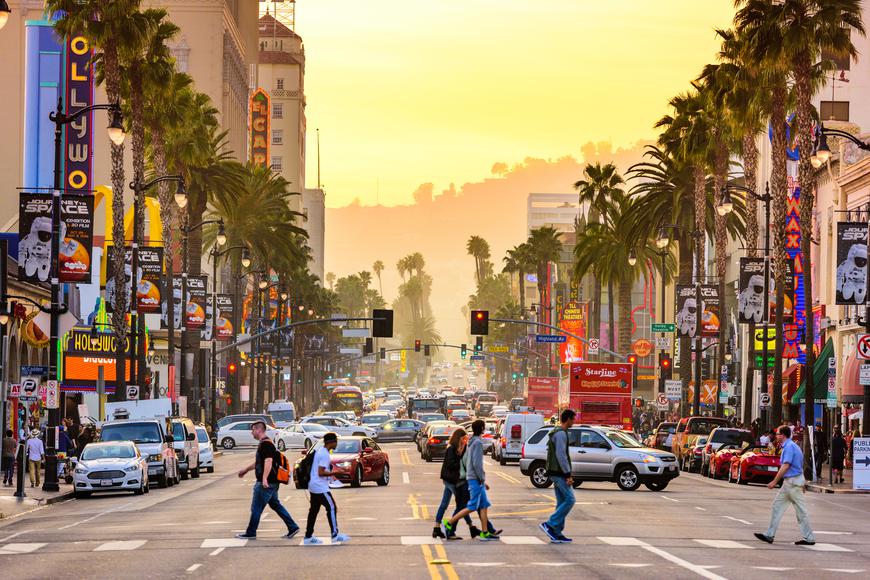
Visiting Los Angeles’s iconic landmarks requires strategic timing to truly appreciate their splendor. For instance, the famous Hollywood Walk of Fame and the surrounding Hollywood Boulevard can get incredibly crowded as the day progresses. An early morning visit, perhaps before 9 AM, allows for clearer photos, a more relaxed pace to find your favorite stars, and a chance to soak in the atmosphere before the tour buses arrive. Similarly, Santa Monica Pier is bustling with activity throughout the day, but a morning stroll offers a peaceful seaside experience, while sunset provides spectacular, unforgettable views over the Pacific Ocean, perfectly aligning with PDT’s extended daylight.
Museums like The Getty Center, with its stunning architecture and panoramic city views, are excellent afternoon destinations. They often open around 10 AM and close in the late afternoon or early evening, allowing ample time to explore the art collections and gardens. For family-friendly attractions like Universal Studios Hollywood or Disneyland Park and Disney California Adventure Park in nearby Anaheim, planning an entire day is essential. Checking their opening and closing times, as well as show and parade schedules, which are all set to PDT or PST, is crucial for maximizing your visit. Many travelers opt to arrive right at opening to experience popular rides with shorter queues. Even a visit to upscale areas like Beverly Hills and its renowned Rodeo Drive is best enjoyed during regular shopping hours, typically from 10 AM to 6 PM, followed by an elegant dinner in the evening. By consciously considering the time of day, you can transform a simple sightseeing trip into a series of perfectly timed, memorable experiences.
In conclusion, knowing “What Is The Time In Los Angeles, California?” is far more than a trivial detail. It is the compass that guides every traveler, resident, and business through the intricacies of this magnificent city. From the shifting hours of Pacific Standard Time and Pacific Daylight Time to the strategic planning required for hotels, tours, and enjoying iconic landmarks, every moment in LA is dictated by its clock. Embrace the local rhythm, plan your days with awareness, and you will unlock a richer, more profound Los Angeles experience, making every second count in the City of Angels.
LifeOutOfTheBox is a participant in the Amazon Services LLC Associates Program, an affiliate advertising program designed to provide a means for sites to earn advertising fees by advertising and linking to Amazon.com. Amazon, the Amazon logo, AmazonSupply, and the AmazonSupply logo are trademarks of Amazon.com, Inc. or its affiliates. As an Amazon Associate we earn affiliate commissions from qualifying purchases.