
When planning a trip to the vibrant city of San Francisco, California, understanding its time zone is more than just a trivial detail; it’s a fundamental aspect of seamless travel, efficient scheduling, and an overall enjoyable experience. From coordinating flights and hotel check-ins to managing business calls and tourist activities, local time governs every aspect of your stay. San Francisco operates on Pacific Time, a designation that shifts between standard and daylight saving formats throughout the year. This comprehensive guide will delve into the specifics of San Francisco’s time zone, its implications for travelers, and how to master time differences to make the most of your adventure in the Golden City.

Understanding San Francisco’s Time Zone: Pacific Time
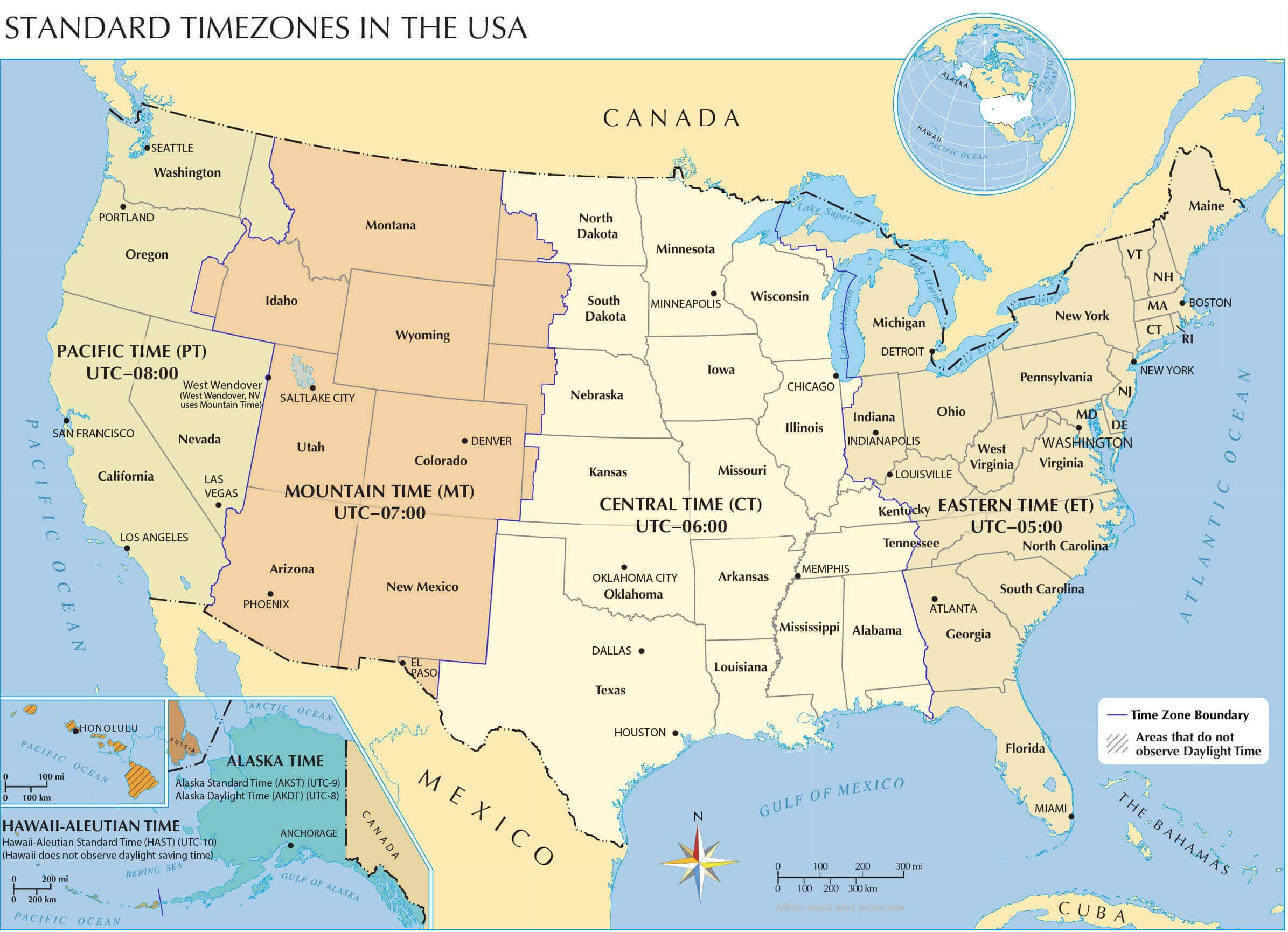
San Francisco, like much of the West Coast of the United States and Canada, observes Pacific Time (PT). This time zone is a critical reference point for anyone traveling to, from, or doing business with this iconic North American hub. Its dual nature, encompassing both standard and daylight saving variations, requires travelers to stay informed about seasonal shifts.
Pacific Standard Time (PST) and Pacific Daylight Time (PDT)
The year in San Francisco is divided between two time designations under the Pacific Time umbrella:
- Pacific Standard Time (PST): This is the default time observed during the winter months. PST is UTC-8, meaning it is eight hours behind Coordinated Universal Time (UTC). It typically begins on the first Sunday in November, when clocks “fall back” one hour from PDT. During this period, evenings arrive earlier, and mornings are a bit brighter.
- Pacific Daylight Time (PDT): PDT is observed during the spring, summer, and early autumn months. It is UTC-7, placing it seven hours behind Coordinated Universal Time (UTC). This shift typically occurs on the second Sunday in March, when clocks “spring forward” one hour from PST. The purpose of Daylight Saving Time is to make better use of daylight, pushing sunsets later into the evening, which is particularly beneficial for tourism and outdoor activities.
These transitions are crucial to remember, especially when booking flights, scheduling meetings, or planning day trips. An unadjusted schedule could lead to missed appointments or confusion, underscoring the importance of staying updated on the current time designation in San Francisco.
The UTC Offset Explained
Coordinated Universal Time (UTC) is the primary time standard by which the world regulates clocks and time. It is essentially the successor to Greenwich Mean Time (GMT) and provides a universal reference point for time zones globally. When we say San Francisco is at UTC-8 (PST) or UTC-7 (PDT), we are indicating its offset relative to this global standard.
For instance, when it’s noon UTC, it’s 4 AM in San Francisco during PST (12 – 8 = 4). During PDT, it would be 5 AM (12 – 7 = 5). Understanding these offsets is particularly vital for international travelers or business professionals who need to synchronize across multiple time zones. It helps in calculating the exact time difference between San Francisco and any other location on the planet, from London to Tokyo or New York.
Navigating Time Differences: Travel Implications for Your San Francisco Trip
The time zone of San Francisco profoundly impacts travel, influencing everything from your body’s internal clock to the meticulous planning of your itinerary. Travelers arriving from different parts of the globe, particularly from the East Coast, Europe, or Asia, will undoubtedly experience the effects of time zone changes, most notably in the form of jet lag.
Battling Jet Lag: Tips for a Smooth Transition
Jet lag, or desynchronosis, is a temporary sleep disorder that can occur when your body’s internal clock (circadian rhythm) is out of sync with the local time of your destination. For those flying into San Francisco from the east, you’ll be “gaining” hours, meaning your body will want to stay awake longer than the local time. From the west, you’ll be “losing” hours, making your body want to sleep earlier.
Here are some strategies to minimize jet lag and ensure a smooth transition:
- Adjust Gradually Before You Go: A few days before your trip, try to shift your sleep schedule by an hour or two in the direction of San Francisco’s time zone.
- Hydrate, Hydrate, Hydrate: Drink plenty of water before, during, and after your flight. Dehydration can exacerbate jet lag symptoms.
- Avoid Alcohol and Caffeine: While tempting, these can disrupt your sleep patterns and worsen jet lag.
- Embrace Natural Light: Upon arrival, expose yourself to natural light, especially in the morning. This helps reset your circadian rhythm. If arriving from the east, seek morning light; if from the west, evening light.
- Stay Active: Light exercise can help you feel more alert and improve sleep quality.
- Eat Lightly: Avoid heavy meals, especially close to bedtime.
- Try Melatonin: Some travelers find melatonin supplements helpful in regulating sleep patterns, but always consult a doctor first.
- Set Your Watch Immediately: As soon as you board your flight, or at least upon landing, set your watch to San Francisco time. Mentally commit to the new schedule.
- Power Naps, Not Long Naps: If you must nap, keep it short (20-30 minutes) to avoid falling into a deep sleep that can worsen nighttime sleep.
By proactively managing jet lag, you can quickly adapt to Pacific Time and fully immerse yourself in the San Francisco experience from day one.
Planning Your Itinerary: Flights, Accommodation, and Activities
Time zone awareness extends beyond personal well-being; it’s fundamental to the logistical success of your trip. Every booking, from your flight to your dinner reservation, is tied to the local time.
- Flight Schedules: Always double-check flight arrival and departure times in the local time zone of each airport. A flight departing New York at 9 AM Eastern Time will arrive in San Francisco much later in local Pacific Time, even if the flight duration is only a few hours. This is particularly important for connecting flights.
- Hotel Check-ins and Check-outs: Most hotels have standard check-in times around 3 PM and check-out times around 11 AM local time. If you arrive early after a long flight, you might need to arrange for early check-in or temporary luggage storage. Similarly, for late departures, consider late check-out options to enjoy the city until your flight. Properties like the St. Regis San Francisco or the Ritz-Carlton, San Francisco often offer flexible options, but it’s always best to confirm in advance.
- Tour Bookings and Reservations: Whether you’re planning a visit to Alcatraz Island, a wine tour to Napa Valley, or a reservation at a Michelin-starred restaurant, all timings are in Pacific Time. Miscalculating the time could mean missing out on highly sought-after experiences.
- Business Travel Considerations: For business travelers, time zone differences are paramount. Scheduling calls, webinars, or meetings with colleagues in different parts of the world requires meticulous planning. A 9 AM meeting in San Francisco is noon on the East Coast and 5 PM in London, underscoring the need for clear communication and the use of World Clock tools.
Experiencing San Francisco: A City That Lives on Pacific Time
San Francisco offers an unparalleled blend of natural beauty, iconic landmarks, and a vibrant cultural scene. Its daily rhythm, shaped by Pacific Time, provides ample opportunities for exploration and enjoyment, provided you’re in sync with its pulse.
Iconic Landmarks and Attractions
The city’s allure lies in its legendary attractions, many of which offer unique experiences depending on the time of day. Knowing the local time helps you optimize your visits:
- Golden Gate Bridge: Early mornings often present a breathtaking sight as the fog rolls in and then burns off, revealing the bridge in its full glory. Catching a sunrise walk or bike ride can be a magical, less crowded experience.
- Alcatraz Island: Tours to “The Rock” are highly time-sensitive and require advance booking. Knowing the exact departure time is crucial for this popular historical site.
- Fisherman’s Wharf: From the barking sea lions at Pier 39 to the clam chowder in a sourdough bowl, Fisherman’s Wharf is bustling throughout the day. Evening visits offer a different ambiance, with twinkling lights and bay views.
- Lombard Street: The “crookedest street in the world” can get very crowded, especially in the afternoon. An early morning visit allows for better photos and a more leisurely experience.
- Cable Cars: A quintessential San Francisco experience, the Cable Cars run regularly. Checking their operating hours ensures you don’t miss out on this historic mode of transport.
- Chinatown: As the oldest Chinatown in North America, it comes alive with shops, restaurants, and cultural landmarks. Day or evening, it offers a vibrant sensory experience.
- Golden Gate Park & Presidio National Park: These vast urban parks offer countless activities, from museums to gardens and hiking trails. Planning your visit around daylight hours, especially during PST when days are shorter, is important.
- Palace of Fine Arts: Best enjoyed during daylight for its stunning architecture and reflection pool, it’s a tranquil spot for photos and relaxation.
Accommodation Choices and Their Time-Sensitive Aspects
San Francisco offers a diverse range of accommodation options, from luxurious high-rises to charming boutique hotels and budget-friendly apartments. Each plays a role in how you manage your time.
- Luxury Hotels: Establishments like the Hotel Fairmont San Francisco, St. Regis San Francisco, and Ritz-Carlton, San Francisco offer premium services, including 24-hour concierge and often more flexibility with check-in/check-out times, which can be invaluable when dealing with jet lag or irregular flight schedules.
- Boutique Hotels: Often found in neighborhoods like Union Square or Nob Hill, these offer unique charm. While providing excellent service, they might have stricter adherence to standard check-in/check-out times, so pre-arrival communication is key.
- Major Hotel Chains: Hotels like the Hyatt Regency San Francisco or Hilton San Francisco Union Square are well-equipped to handle high volumes of travelers and offer consistent services. Their loyalty programs can sometimes provide benefits like early check-in or late check-out, depending on availability and membership tier.
- Vacation Rentals/Apartments: For longer stays or family trips, renting an apartment can be a great option. However, these often have fixed check-in windows, and coordinating arrival with the host, especially across time zones, is essential.
Regardless of your choice, confirming the property’s policies regarding arrival and departure times in Pacific Time will prevent any unnecessary stress, allowing you to settle in or depart smoothly.
Lifestyle and Logistics: Maximizing Your San Francisco Experience
Beyond the basic mechanics, understanding San Francisco’s time zone influences the lifestyle choices you make during your visit. It’s about more than just knowing the hour; it’s about aligning with the city’s rhythm, whether for work or leisure.
Balancing Business and Leisure in the Golden City
San Francisco is a major global hub for technology and finance, attracting a significant number of business travelers. For these individuals, mastering the time difference is paramount:
- Business Meetings: Scheduling calls with clients or colleagues on the East Coast or in Europe means adjusting your local schedule. Early mornings in San Francisco often correspond to prime business hours elsewhere. A 7 AM PDT call is 10 AM EDT and 3 PM BST, perfectly accommodating international schedules.
- Networking Events: Many industry events and conferences take place in San Francisco. Being punctual and energetic, despite potential jet lag, is crucial for making good impressions.
- Maximizing Downtime: Business travelers can leverage evenings for leisure. A late sunset during PDT allows for post-work strolls along the waterfront or dinners in vibrant neighborhoods without feeling rushed.
For leisure travelers, understanding the city’s schedule helps optimize sightseeing and activities:
- Early Bird Exploration: Waking up early in San Francisco (especially if you’re still adjusting from an East Coast or European time zone) can be an advantage. You can visit popular spots like the Golden Gate Bridge or Lombard Street before the crowds arrive.
- Evening Entertainment: San Francisco offers a rich nightlife, from theater productions in the Union Square area to live music venues and fine dining. Planning your evenings ensures you catch shows or secure reservations at popular spots.
- Family Trips: Parents traveling with children need to be especially mindful of schedules. Adapting children to the new time zone gradually, if possible, and maintaining consistent sleep routines will contribute to a happier family vacation. Early morning park visits to Golden Gate Park or the Presidio National Park can be ideal for families.
Practical Tips for Time-Sensitive Travelers
A few simple habits can make a significant difference in navigating the time zone successfully:
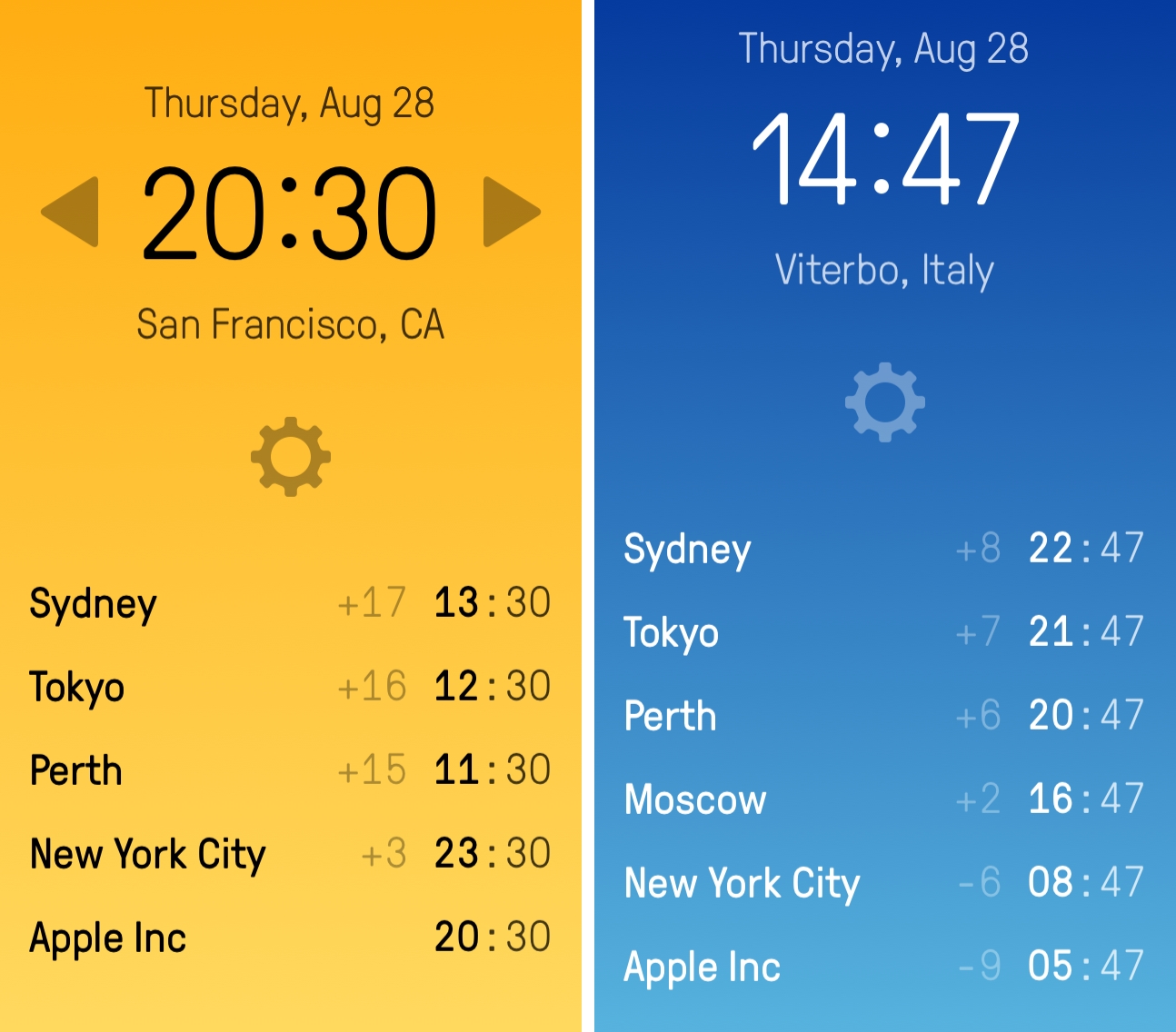
- Utilize a World Clock App: Modern smartphones are invaluable tools. Use a reliable world clock app to keep track of San Francisco time alongside your home time zone or any other relevant locations. This is particularly helpful for coordinating with family or colleagues not traveling with you.
- Confirm All Reservations: Before departing, and upon arrival, reconfirm all time-sensitive bookings (flights, hotels, tours, restaurant reservations) against the local Pacific Time.
- Inform Loved Ones: Let family and friends know about the time difference so they can contact you at appropriate hours, minimizing disruptions to your sleep or activities.
- Understand Public Transportation Schedules: Familiarize yourself with the operating hours of San Francisco’s public transport, including MUNI (municipal railway) and BART (Bay Area Rapid Transit), especially if you plan to rely on it for early morning or late-night travel.
- Embrace Flexibility: While planning is crucial, be prepared to adjust. Travel can be unpredictable, and a flexible mindset will help you overcome minor scheduling hiccups without stress.
In essence, whether you’re a first-time visitor or a seasoned traveler, being acutely aware of San Francisco’s time zone and its implications is the key to unlocking a truly fulfilling and efficient travel experience in this magnificent city on the Pacific Ocean. From the bustling tech corridors to the serene beauty of the Golden Gate Bridge, every moment in San Francisco is governed by Pacific Time, inviting you to synchronize and savor every second.
LifeOutOfTheBox is a participant in the Amazon Services LLC Associates Program, an affiliate advertising program designed to provide a means for sites to earn advertising fees by advertising and linking to Amazon.com. Amazon, the Amazon logo, AmazonSupply, and the AmazonSupply logo are trademarks of Amazon.com, Inc. or its affiliates. As an Amazon Associate we earn affiliate commissions from qualifying purchases.