
California, the Golden State, is renowned for its sun-drenched landscapes, iconic cities, and diverse natural beauty. From the vibrant urban energy of Los Angeles to the majestic redwoods of the north, and the arid beauty of its deserts to its sprawling coastline, California offers an unparalleled array of experiences for every traveler. While sunshine hours are often celebrated, understanding when the sun sets and twilight descends can be just as crucial for planning the perfect itinerary. The magic of California doesn’t end when the sun dips below the horizon; in fact, for many, that’s when a whole new dimension of exploration begins.
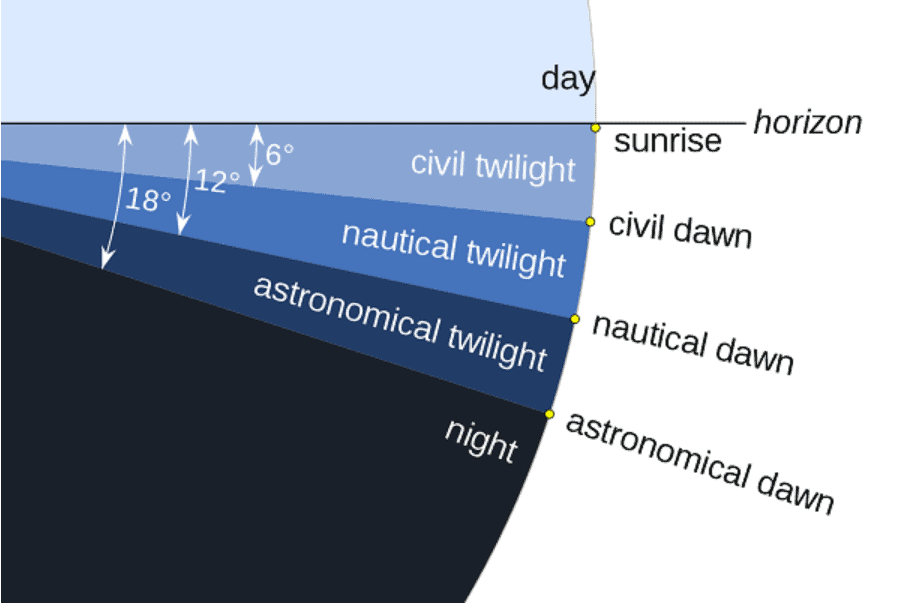
Knowing the approximate sunset times is not merely a matter of curiosity; it’s a practical consideration that profoundly impacts your travel plans, particularly if you’re hoping to capture that perfect golden hour photograph, embark on an evening tour, enjoy a sunset dining experience, or simply maximize your daylight hours for sightseeing. Whether you’re a nature enthusiast eager to witness a breathtaking coastal sunset, a city explorer ready to dive into vibrant nightlife, or a family planning a leisurely evening at a resort, understanding the rhythm of daylight in California will enhance your overall experience. This guide will delve into the factors influencing sunset times across the state, provide seasonal averages, and offer insights into how to best enjoy California’s enchanting evenings.
Understanding Sunset Dynamics Across the Golden State
The exact moment darkness falls in California is not a fixed point but rather a dynamic interplay of various geographical and astronomical factors. While the sun’s descent marks the end of daylight, the period of twilight, where the sky is still illuminated, can extend for quite some time, offering a beautiful transition into night. For travelers, appreciating these nuances can make all the difference in crafting memorable experiences.
Factors Influencing Sunset Times
Several key elements determine when the sun bids adieu across California’s vast and varied landscape:
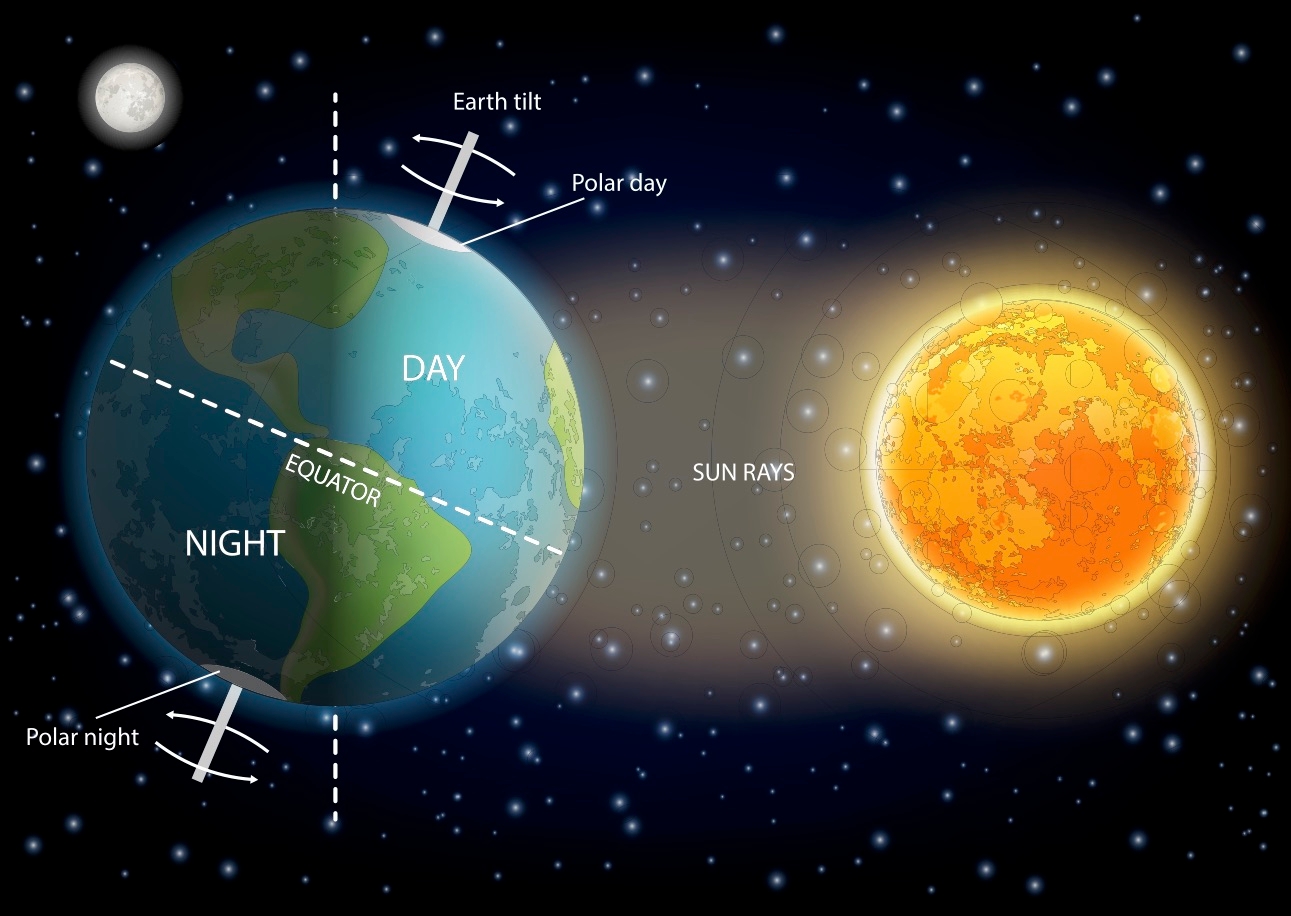
- Seasonality: This is by far the most significant factor. As the Earth orbits the sun and tilts on its axis, the Northern Hemisphere, where California is located, experiences varying lengths of daylight throughout the year. Days are longest around the Summer Solstice (June 20-21) and shortest around the Winter Solstice (December 20-21). This means summer evenings stretch well into the night, while winter sunsets arrive remarkably early.
- Latitude: California is a long state, stretching over 800 miles from north to south. Due to the Earth’s spherical shape and tilt, locations further north experience more pronounced differences in daylight hours between seasons. For instance, a sunset in Crescent City near the Oregon border will occur slightly later than a sunset in San Diego during the summer, but slightly earlier in winter, compared to local clocks. The difference isn’t massive on a daily basis but becomes noticeable over a month.
- Daylight Saving Time (DST): California observes Daylight Saving Time, typically from the second Sunday in March to the first Sunday in November. During DST, clocks are moved forward by one hour, effectively “pushing” the sunset an hour later by the clock. This creates those wonderfully long summer evenings that are so characteristic of the state. When DST ends, the sun appears to set an hour earlier.
- Topography and Horizon: While not affecting the astronomical sunset time, local geography can influence when the sun visually disappears. For instance, if you’re in a valley surrounded by tall mountains, the sun might visually “set” earlier as it dips behind the peaks, even if the actual horizon sunset is later. Conversely, a clear coastal vantage point offers an unobstructed view of the sun melting into the Pacific Ocean, often prolonging the visual spectacle.
Seasonal Sunset Averages in California
To help plan your travels, here’s a general overview of average sunset times across various key cities in California, keeping in mind slight variations based on precise latitude and specific dates:
- Summer (June – August): This is when California truly lives up to its “Golden State” moniker with long, glorious evenings. Sunsets typically range from 8:00 PM to 8:30 PM, and even slightly later in some northern parts of the state. This extended daylight is perfect for evening beach strolls, alfresco dining, and enjoying outdoor attractions. In Los Angeles, for example, sunsets in late June can be as late as 8:07 PM.
- Autumn (September – November): As summer transitions to fall, sunsets gradually begin to creep earlier. In early September, you might still see sunsets around 7:00 PM to 7:30 PM. By late November, with the end of Daylight Saving Time, sunsets shift dramatically earlier, often occurring between 4:45 PM and 5:15 PM. This period offers beautiful golden hours with crisp air, ideal for scenic drives and enjoying the vibrant fall foliage in areas like Napa Valley or Lake Tahoe.
- Winter (December – February): These are the months with the earliest sunsets. In December and January, expect the sun to set between 4:45 PM and 5:30 PM. This means that by late afternoon, the light begins to fade, ushering in longer, cozier evenings. While daylight hours are shorter, winter in California offers unique opportunities, from snow sports in the Sierra Nevada to whale watching along the coast. Cities like San Francisco will see some of their earliest sunsets around 4:51 PM in December.
- Spring (March – May): With the arrival of spring and the return of Daylight Saving Time, sunsets start to get progressively later. In early March, sunsets might be around 6:00 PM, pushing to 7:30 PM to 8:00 PM by late May. This period signifies rebirth and renewed energy, with blooming wildflowers and pleasant temperatures. It’s an excellent time for outdoor exploration, as evenings become longer and more inviting.
To get the most precise sunset times for your specific travel dates and location, using a reliable weather app or an online astronomical calculator is highly recommended. These tools can account for all the variables and give you exact timings down to the minute.
Maximizing Your California Evenings: Activities & Experiences
The receding daylight in California isn’t an end but an invitation to explore a different side of the state. From dramatic natural spectacles to glittering urban landscapes, the evenings here offer a wealth of unique activities and experiences that cater to every taste and travel style. Integrating these into your itinerary, especially with an understanding of sunset times, can elevate your trip from good to unforgettable.
Coastal Sunsets and Stargazing Adventures
California’s nearly 840 miles of coastline provide an unrivaled canvas for sunset viewing. The ritual of watching the sun dip into the Pacific Ocean is a quintessential California experience, often accompanied by vibrant hues of orange, pink, and purple painting the sky.
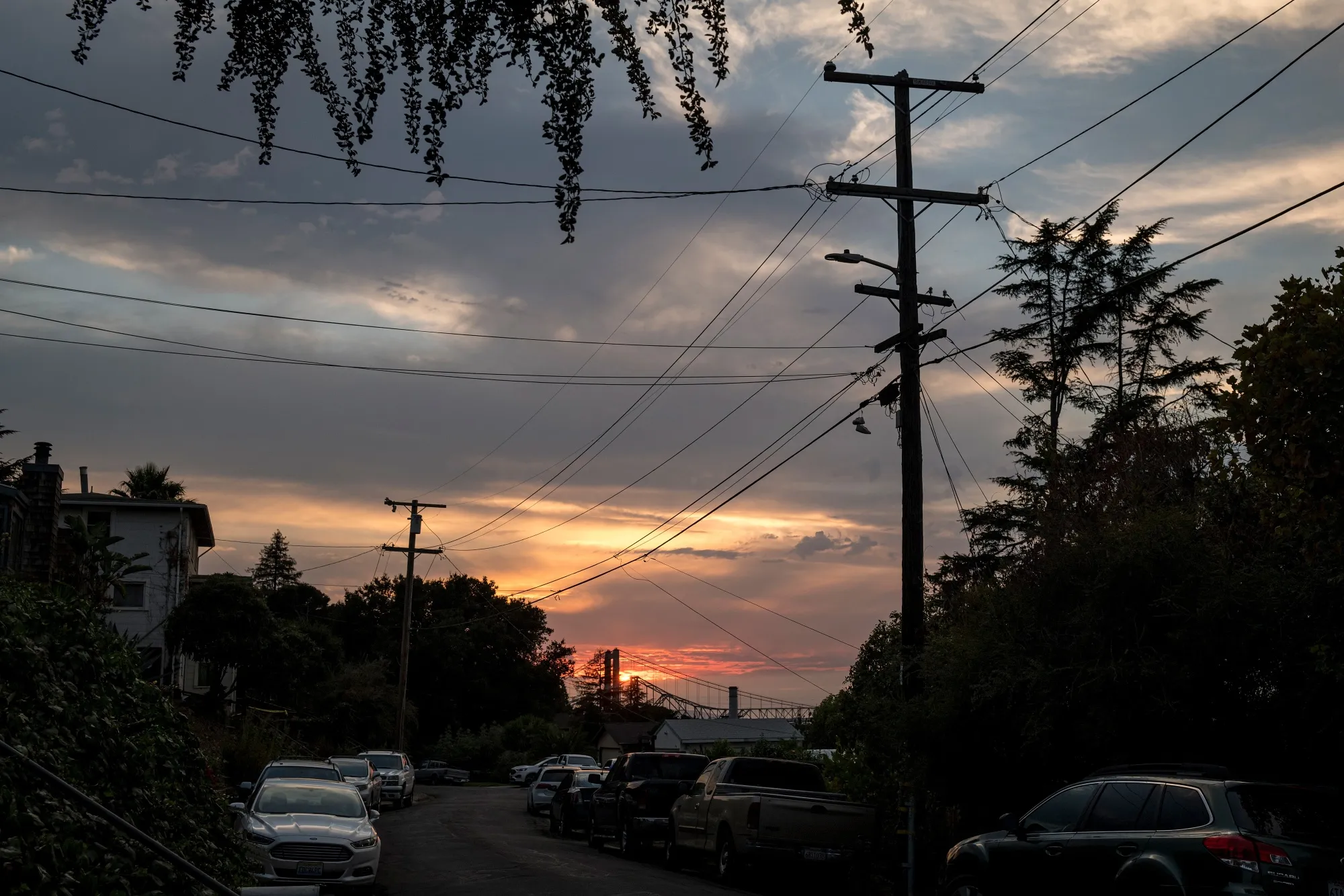
- Iconic Beaches: Head to famous stretches like Malibu‘s sandy shores, Santa Monica Pier for classic Ferris wheel views, or the rugged cliffs of La Jolla Cove in San Diego. The Pacific Coast Highway offers countless pull-offs with panoramic views, particularly along the Big Sur coastline, which becomes even more dramatic as twilight deepens. Consider packing a picnic and enjoying the spectacle from a comfortable spot.
- National Parks and Dark Sky Preserves: Once the sun has completely set and twilight fades, California’s remote national parks transform into celestial observatories. Joshua Tree National Park and Death Valley National Park are renowned International Dark Sky Parks, offering some of the clearest, most dazzling stargazing opportunities in the world. Imagine camping under a canopy of a million stars, a truly immersive nature experience. Many parks offer ranger-led night sky programs, providing educational insights into constellations and celestial phenomena.
Urban Nightlife and Cultural Exploration
California’s major cities truly come alive after dark, offering everything from sophisticated dining and cultural performances to lively entertainment and unique tours.
- Los Angeles: The City of Angels glitters after sunset. Explore the star-studded streets of Hollywood with an evening walking tour, visit a rooftop bar for stunning city views (especially around Downtown LA), or catch a show at the Pantages Theatre. Theme parks like Universal Studios Hollywood offer exciting evening shows and illuminated rides, extending the fun well into the night.
- San Francisco: This iconic city offers unique evening activities. Take a night tour of Alcatraz for a chilling historical experience, stroll through Fisherman’s Wharf as the lights twinkle, or ride a historic cable car up and down the illuminated hills. The Golden Gate Bridge is also magnificent at dusk, either from afar or by walking across.
- San Diego: The historic Gaslamp Quarter buzzes with restaurants, bars, and clubs. Enjoy waterfront dining with views of the bay, or catch a live performance. For families, Disneyland in Anaheim transforms after dark with spectacular parades and fireworks displays, especially enchanting during longer summer evenings.
- Cultural Venues: California boasts world-class museums, theaters, and concert halls. Many offer extended evening hours or special events, allowing you to immerse yourself in art, history, or music after the sun has set. Check schedules for the Getty Center in Los Angeles, the California Academy of Sciences in San Francisco, or local jazz clubs.
Culinary Delights and Scenic Dining
Food and travel go hand-in-hand, and California’s culinary scene shines particularly bright in the evenings.
- Farm-to-Table Experiences: Leverage the state’s agricultural bounty by dining at restaurants that emphasize local, seasonal ingredients. Many offer outdoor patios or rooftop seating, perfect for enjoying the cooler evening air.
- Wine Country Gastronomy: In regions like Napa Valley and Sonoma, evening experiences extend beyond wine tastings to gourmet dinners at vineyard restaurants. Picture a delicious meal paired with exquisite local wines as the sun sets over rolling vineyards – a truly luxurious and romantic experience.
- Restaurants with a View: Seek out establishments situated to capture the best sunset vistas. From oceanfront restaurants in Laguna Beach to hillside eateries overlooking city lights, a scenic backdrop enhances any meal. Consider making reservations in advance, especially for popular spots during peak season.
Planning Your Perfect California Getaway: Accommodation & Logistics
A well-planned trip to California takes into account not only the daytime adventures but also how you’ll relax and recharge as evening approaches. From selecting the ideal accommodation to navigating logistics, thoughtful preparation ensures that your twilight hours are as seamless and enjoyable as your sunny excursions.
Choosing Your Stay for Evening Enjoyment
Your choice of accommodation can significantly impact your evening experience, particularly if you’re looking to enjoy a sunset from your room or have easy access to nighttime activities.
- Hotels with Sunset Views: Many of California’s coastal and hillside hotels pride themselves on spectacular sunset vistas. Consider properties like the Ritz-Carlton Laguna Niguel or the Terranea Resort in Rancho Palos Verdes for unparalleled ocean views. Even in cities, high-rise hotels often offer rooms or communal areas (like rooftop bars) that provide stunning urban panoramas as the city lights up.
- Resorts Offering Evening Amenities: Beyond just a place to sleep, many resorts in California are destinations in themselves, providing a wealth of evening entertainment. Look for resorts with heated pools for night swimming, outdoor fire pits for cozy gatherings, live music, spa services, or on-site fine dining options. This creates a luxurious and relaxing end to your day without needing to travel far.
- Villas or Apartments for Longer Stays: For those planning an extended visit or traveling with family, renting a private villa or apartment can offer more flexibility and a homely feel. Imagine cooking a meal with local ingredients and enjoying it on a private patio as the sun sets, or gathering for a game night. Many vacation rentals are located in residential areas, giving you a taste of local lifestyle and culture.
- Proximity to Evening Attractions: When booking, consider your evening plans. If you aim to explore a city’s nightlife, a centrally located hotel might be ideal. For stargazing, a cabin near a national park would be more suitable. Thinking about your evening activities beforehand can help narrow down your accommodation choices and minimize travel time after dark.
Essential Tips for Evening Travel in California
To ensure your California evenings are smooth and enjoyable, a few practical considerations are worth noting:
- Booking in Advance: Popular sunset viewing spots, highly-rated restaurants with views, and sought-after night tours can book up quickly, especially during peak travel seasons. Make reservations well in advance to avoid disappointment. This is particularly true for landmarks like Alcatraz night tours or special events at theme parks.
- Transportation: While California is car-centric, major cities like San Francisco and Los Angeles have public transportation options, ride-sharing services, and taxis available into the evening. If you’re driving, be mindful of parking availability and costs, which can differ significantly after dark. In rural areas, a rental car is almost essential.
- Safety Considerations: As with any destination, exercising caution in unfamiliar areas after dark is prudent. Stick to well-lit, populated areas, especially in urban environments. Be aware of your surroundings, and if traveling alone, inform someone of your plans.
- Weather Preparedness: California’s weather can vary dramatically. Coastal areas, even in summer, can experience “June Gloom” or “May Gray” where fog rolls in, or temperatures can drop significantly once the sun sets. Always carry an extra layer, especially if you plan to be outdoors by the coast or in the mountains/deserts, where night temperatures can plummet. Desert evenings, while offering incredible stargazing, can become surprisingly cold.
In conclusion, the question of “What time does it get dark in California?” opens up a world of possibilities for travelers. By understanding the seasonal rhythms and geographical nuances of sunset, you can strategically plan your days to make the most of every golden hour and embrace the unique charm that California’s evenings have to offer. From a romantic dinner overlooking the Pacific to an adventurous night under a blanket of stars, the Golden State truly shines after dark, promising memories that will last a lifetime.
LifeOutOfTheBox is a participant in the Amazon Services LLC Associates Program, an affiliate advertising program designed to provide a means for sites to earn advertising fees by advertising and linking to Amazon.com. Amazon, the Amazon logo, AmazonSupply, and the AmazonSupply logo are trademarks of Amazon.com, Inc. or its affiliates. As an Amazon Associate we earn affiliate commissions from qualifying purchases.