
For anyone planning a trip, conducting business, or simply curious about the rhythm of daily life on the West Coast, knowing the current time in California is more than just a trivial detail—it’s a fundamental piece of information that underpins almost every aspect of interaction with the Golden State. California operates on Pacific Time (PT), a time zone that shifts between Pacific Standard Time (PST) during the cooler months and Pacific Daylight Time (PDT) in the warmer half of the year. This seemingly simple fact carries significant implications for travel planning, accommodation bookings, exploring renowned landmarks, indulging in local tourism, and even understanding the unique lifestyle that defines this vibrant region.
From coordinating flight arrivals at bustling hubs like Los Angeles International Airport or San Francisco International Airport, to ensuring you don’t miss the opening hours of Disneyland Park or a sunset viewing from the Griffith Observatory, time is a constant, invisible guide. This article delves into the intricacies of California’s time zone, offering insights into how it affects various facets of travel, tourism, and daily life, ensuring your experience in this captivating state is as smooth and enjoyable as possible.
Understanding Pacific Time: More Than Just a Clock Setting
The concept of time zones can often feel abstract, but its practical impact on travel and daily life is undeniable. California falls entirely within the Pacific Time Zone, a geographic region that adheres to a coordinated standard for local time. This consistent time across the state simplifies internal planning but necessitates awareness for those traveling from other time zones.
The Basics of Pacific Standard Time (PST) and Pacific Daylight Time (PDT)
The Pacific Time Zone observes two distinct phases: Pacific Standard Time (PST) and Pacific Daylight Time (PDT).
- Pacific Standard Time (PST): This is the baseline time, observed during the autumn and winter months. It is 8 hours behind Coordinated Universal Time (UTC-8), which is often referenced interchangeably with Greenwich Mean Time (GMT-8). From the first Sunday in November until the second Sunday in March, California uses PST.
- Pacific Daylight Time (PDT): During spring and summer, California switches to PDT, which is 7 hours behind Coordinated Universal Time (UTC-7 or GMT-7). This change occurs on the second Sunday in March, when clocks “spring forward” by one hour, and reverts on the first Sunday in November, when clocks “fall back” one hour. This practice, known as Daylight Saving Time, aims to make better use of daylight by shifting an hour of evening daylight to the morning.
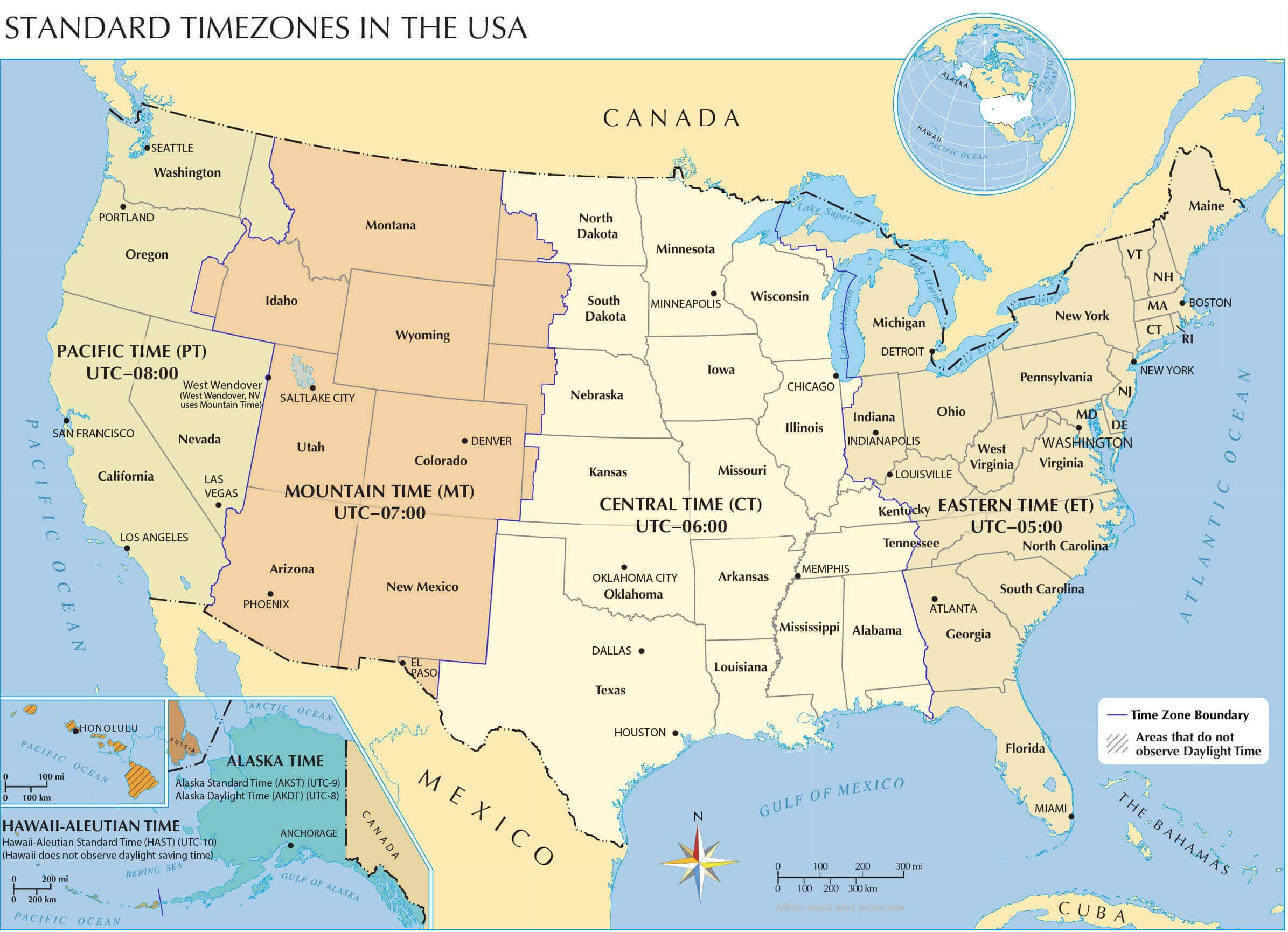
For context, PST is three hours behind Eastern Time (ET), two hours behind Central Time (CT), and one hour behind Mountain Time (MT) within the United States. This difference is crucial for anyone coordinating with contacts on the East Coast or other parts of the world. International travelers, especially those crossing multiple time zones, will experience a more significant shift, potentially leading to jet lag and requiring careful adjustment.
Why Knowing the Time Matters for Your California Trip
Beyond mere curiosity, understanding California’s current time is paramount for effective trip planning and a smooth travel experience. Imagine arriving at San Diego International Airport (SAN) believing it’s late afternoon, only to find it’s already past midnight local time due to a miscalculation, jeopardizing your pre-booked car rental or hotel check-in.
- Jet Lag Management: For those arriving from distant time zones, particularly the East Coast or international destinations in Europe or Asia, jet lag can significantly impact the initial days of a trip. Knowing the time difference helps in gradually adjusting your sleep schedule before departure, mitigating its effects.
- Initial Practicalities: The first few hours in a new destination involve critical actions: navigating airport procedures, picking up luggage, confirming transportation, and most importantly, checking into your accommodation. All these are time-sensitive. A hotel’s check-in time, typically in the afternoon, will be based on local California time.
Time and Travel: Navigating California’s Rhythms
California’s allure lies in its diverse offerings, from sun-drenched beaches to majestic mountains, bustling cities to serene vineyards. To fully immerse oneself in these experiences, a precise understanding of local time is indispensable, affecting everything from how you book a flight to when you enjoy a meal.
Seamless Travel Planning: Flights, Hotels, and Transfers
Effective time management is the backbone of any successful travel itinerary, especially in a state as vast and popular as California.
- Flights: When booking flights to major California airports like LAX, SFO, or SAN, all arrival and departure times will be listed in local California time. Travelers must account for the time difference from their point of origin, particularly when scheduling connecting flights or arranging for ground transportation. Misinterpreting times can lead to missed connections or unexpected long waits.
- Hotels & Accommodation: Whether you’re staying at a luxurious resort like The Ritz-Carlton, Laguna Niguel, a historic gem such as the Hotel del Coronado, or a cozy vacation rental in Napa Valley, check-in and check-out times are strictly enforced based on local California time. Most hotels offer check-in in the mid-afternoon (e.g., 3:00 PM or 4:00 PM PDT/PST) and check-out around noon. If your flight arrives early, you might need to arrange for luggage storage or inquire about early check-in availability. Conversely, a late departure might require booking an extra night or negotiating a late check-out fee. Always confirm these details in advance, especially when crossing multiple time zones.
- Transportation: Scheduling ground transportation—be it a rental car pickup, a pre-booked shuttle, or even understanding peak hours for ride-sharing services—is intrinsically linked to local time. California’s major cities like Los Angeles and San Francisco are notorious for rush hour traffic, which directly correlates with local business hours. Being aware of these patterns, dictated by the clock, can save precious travel time.
Maximizing Your Tourism Experiences: Attractions and Activities
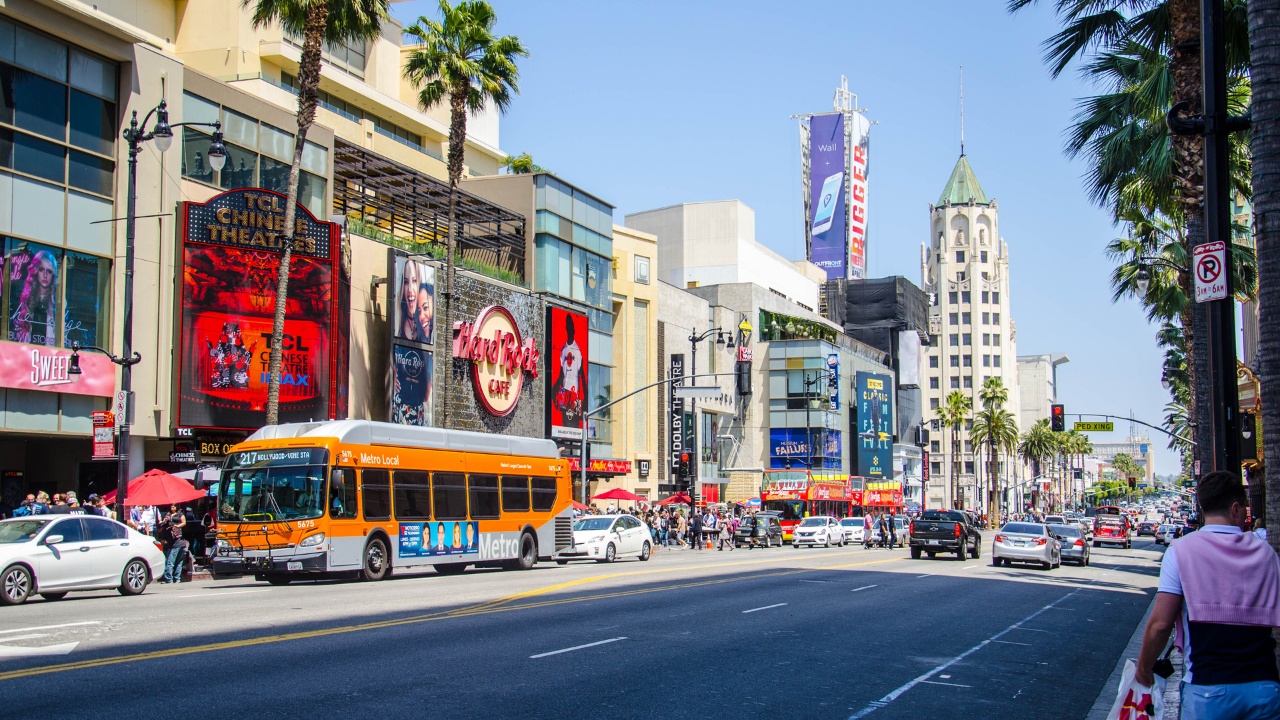
California’s wealth of attractions, from theme parks to national parks, museums to historic landmarks, all operate on a strict schedule governed by PST/PDT.
- Attraction Hours: Visiting iconic landmarks requires careful timing. Disneyland Park and Universal Studios Hollywood have dynamic opening and closing times that vary by season and day of the week, always specified in California local time. Missing an hour can mean missing a favorite ride or show. Similarly, admiring the Golden Gate Bridge is an all-day affair, but visitor centers and specific viewpoints might have operating hours. The Griffith Observatory, a popular spot for celestial viewing and city panoramas, has specific opening hours that are crucial to note, especially for evening visits.
- Tours and Excursions: Whether it’s a walking tour through the historic streets of San Francisco, a wine tasting tour through Napa Valley’s renowned vineyards, or a scenic drive through Yosemite National Park, all scheduled activities begin at a designated local time. Arriving late could mean missing the tour entirely or disrupting the experience for others.
- Dining: California boasts a vibrant culinary scene, from casual diners to Michelin-starred restaurants. Restaurant opening hours, brunch services, happy hour specials, and last seating times are all time-sensitive. Making reservations, especially for popular spots in cities like Los Angeles or San Diego, requires knowing the local time precisely.
- Events: Attending a sporting event at Dodger Stadium, a concert, or a local festival means adhering to the event’s start time, always announced in local California time.
Time and Lifestyle: Living the California Dream
Beyond the immediate practicalities of travel, the local time zone deeply influences the daily rhythm and lifestyle of California. Understanding this pulse can enhance a visitor’s appreciation and integration into the local culture, and it’s vital for those considering longer stays or business engagements.
Daily Routines and Local Culture
The pace of life in California’s diverse regions is often dictated by the clock.
- City Rhythms: In bustling metropolitan areas like Los Angeles and San Francisco, mornings start relatively early, with commuters filling freeways and public transport. Lunch is typically between noon and 1:00 PM, and dinner often starts later than on the East Coast, with many restaurants seeing peak business between 7:00 PM and 9:00 PM. Weekends see a more relaxed schedule, with brunch becoming a popular activity.
- Outdoor Activities: Given California’s natural beauty, many embrace outdoor activities. Surfers hit the waves at dawn, hikers explore trails in Yosemite National Park in the morning to avoid midday heat, and beachgoers linger for the spectacular sunsets. Knowing sunrise and sunset times, which vary significantly with the seasons and Daylight Saving Time, helps in planning these experiences.
- Local Events and Socializing: From farmers’ markets to outdoor concerts, local community events are scheduled according to PST/PDT. Being aware of these timings helps visitors participate in local life.
Business and Connectivity Across Time Zones
For business travelers, remote workers, or anyone with professional ties outside the state, navigating California’s time zone requires strategic planning.
- Meeting Coordination: Scheduling meetings with partners on the East Coast (a three-hour difference) or in Europe (an eight or nine-hour difference) necessitates careful calculation. A 9:00 AM meeting in Los Angeles is noon on the East Coast, but 5:00 PM or 6:00 PM in London, United Kingdom. This often means California professionals start their workdays earlier or extend them later to accommodate colleagues in different time zones.
- The Tech Hub of Silicon Valley: In Silicon Valley, the global nature of business makes time zone management a daily challenge. Startups and tech giants constantly communicate with teams and clients worldwide. Understanding the “early bird gets the worm” mentality for cross-time zone communication is essential for success here.
- Financial Markets: For those involved in finance, the opening and closing times of stock exchanges in New York (ET) directly impact the workday in California.
Health and Well-being: Conquering Jet Lag
Jet lag, a temporary sleep disorder caused by rapid travel across multiple time zones, can turn an exciting trip into a struggle. Awareness of California’s time zone is the first step in mitigating its effects.
- Pre-Travel Adjustment: Gradually shifting your sleep schedule by an hour or so each day in the days leading up to your trip can ease the transition.
- In-Flight Strategies: Staying hydrated, avoiding excessive caffeine and alcohol, and trying to sleep according to your destination’s time zone can help.
- Upon Arrival: Exposing yourself to natural light during the day and minimizing light exposure at night helps reset your body clock. Scheduling outdoor activities in the morning, like a walk along the beach in Santa Monica, can be particularly effective. Prioritize sleep on California time, even if it feels unnatural initially.
Tools and Tips for Time Management in California
In our interconnected world, managing time zones has become significantly easier, but a few fundamental tips can make all the difference.
Essential Apps and Devices
- Smartphone Settings: Most modern smartphones automatically update to the local time zone when you arrive in a new location, provided location services are enabled. This is your most reliable tool.
- World Clock Apps: Dedicated world clock applications allow you to track multiple time zones simultaneously, making it easy to see the current time in California alongside your home time zone or that of business contacts.
- Wearable Technology: Smartwatches often display multiple time zones or automatically adjust, providing quick access to essential time information.
Practical Advice for Travelers
- Double-Check Everything: Always confirm reservation times for flights, hotels, tours, and restaurant bookings in local California time. What might be 7:00 PM for you could be 10:00 PM for a booking in New York.
- Communicate Clearly: When coordinating with friends, family, or business partners outside California, explicitly state times along with their respective time zones (e.g., “3:00 PM PDT” or “6:00 PM ET”).
- Utilize Hotel Services: Hotel concierges are invaluable resources for confirming local event times, restaurant hours, and transportation schedules. Don’t hesitate to ask.
- Carry a Reliable Watch: While phones are ubiquitous, a traditional watch can be a reliable backup, especially if you prefer to conserve phone battery or are in an area with limited connectivity.
In conclusion, understanding “What Time Is It California Now?” is far more than a simple query; it’s a gateway to an optimized and enjoyable experience in the Golden State. From the moment you plan your travel logistics to the last sunset you witness over the Pacific Ocean, local time dictates the flow. By being mindful of Pacific Standard Time and Pacific Daylight Time, factoring in time differences for travel and communication, and utilizing the tools at your disposal, you can effortlessly navigate California’s vibrant landscape, ensuring every moment of your adventure or stay is perfectly timed.
LifeOutOfTheBox is a participant in the Amazon Services LLC Associates Program, an affiliate advertising program designed to provide a means for sites to earn advertising fees by advertising and linking to Amazon.com. Amazon, the Amazon logo, AmazonSupply, and the AmazonSupply logo are trademarks of Amazon.com, Inc. or its affiliates. As an Amazon Associate we earn affiliate commissions from qualifying purchases.