
The golden hues of the California sun are globally recognized, from the iconic beaches of Santa Monica and Malibu to the bustling cityscapes of Los Angeles and San Francisco. But beyond its breathtaking landscapes and vibrant culture, California holds a unique position on the global clock. For travelers planning a visit, businesses conducting international deals, or even remote workers collaborating across continents, understanding “what time it is in California” is far more than a simple inquiry; it’s a critical piece of information that dictates everything from flight schedules and hotel check-ins to landmark operating hours and family video calls.
As a premier destination for travel, tourism, and lifestyle experiences, California continually welcomes millions of visitors each year. Whether you’re chasing the magic of Disneyland Park, exploring the natural wonders of Yosemite National Park, or delving into the culinary scene of Napa Valley, knowing the local time is your first step towards a seamless and enriching adventure. This comprehensive guide will illuminate the intricacies of California’s time zone, offering invaluable insights for optimizing your travel plans, navigating local attractions, and connecting with the rhythm of the Golden State.
Unpacking California’s Time Zone: PST and PDT Explained
California primarily operates within a single time zone, making it relatively straightforward to grasp compared to states that span multiple zones. This consistency is a boon for both residents and visitors, simplifying logistical planning across the vast and diverse state.
The Basics of Pacific Standard Time (PST)
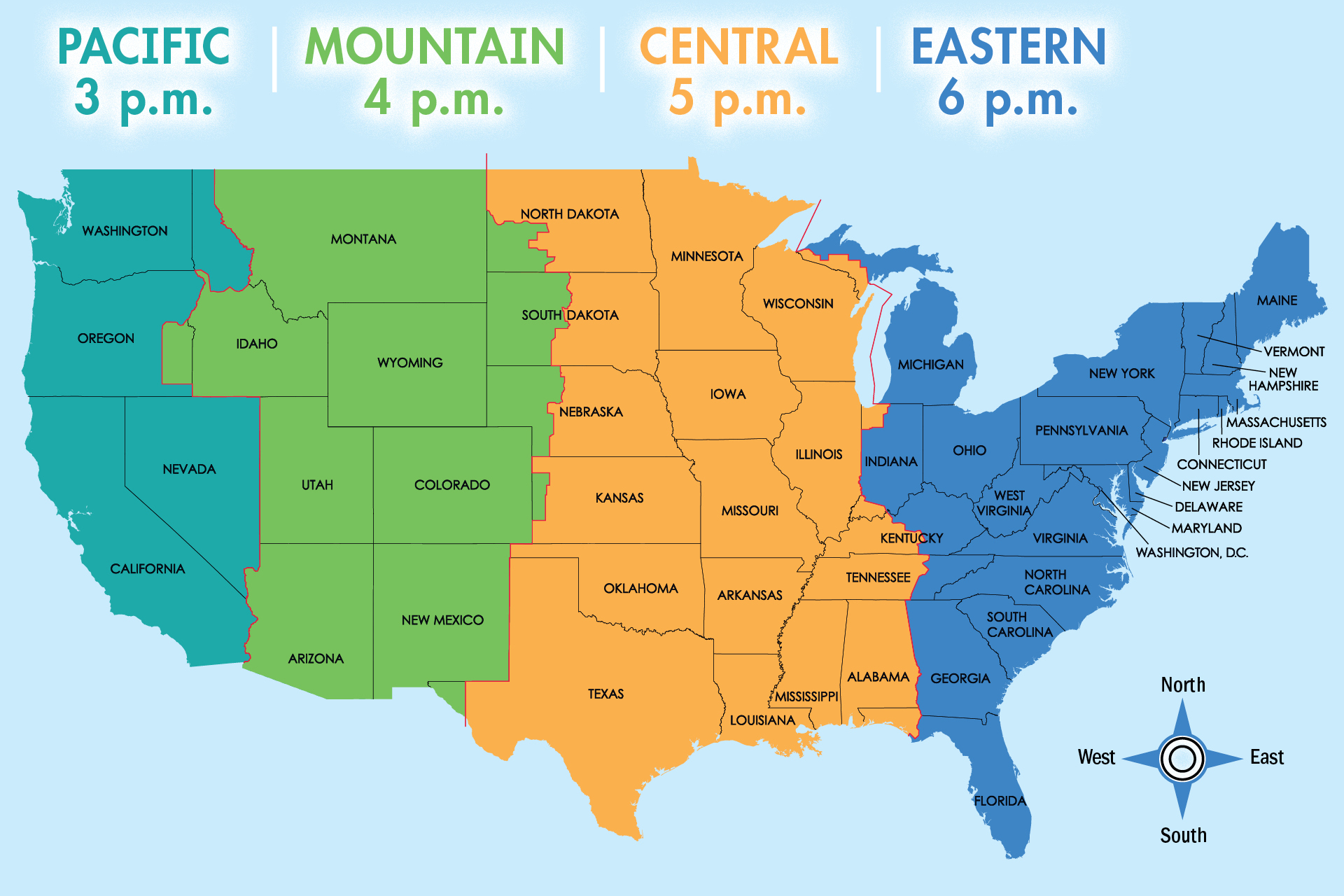
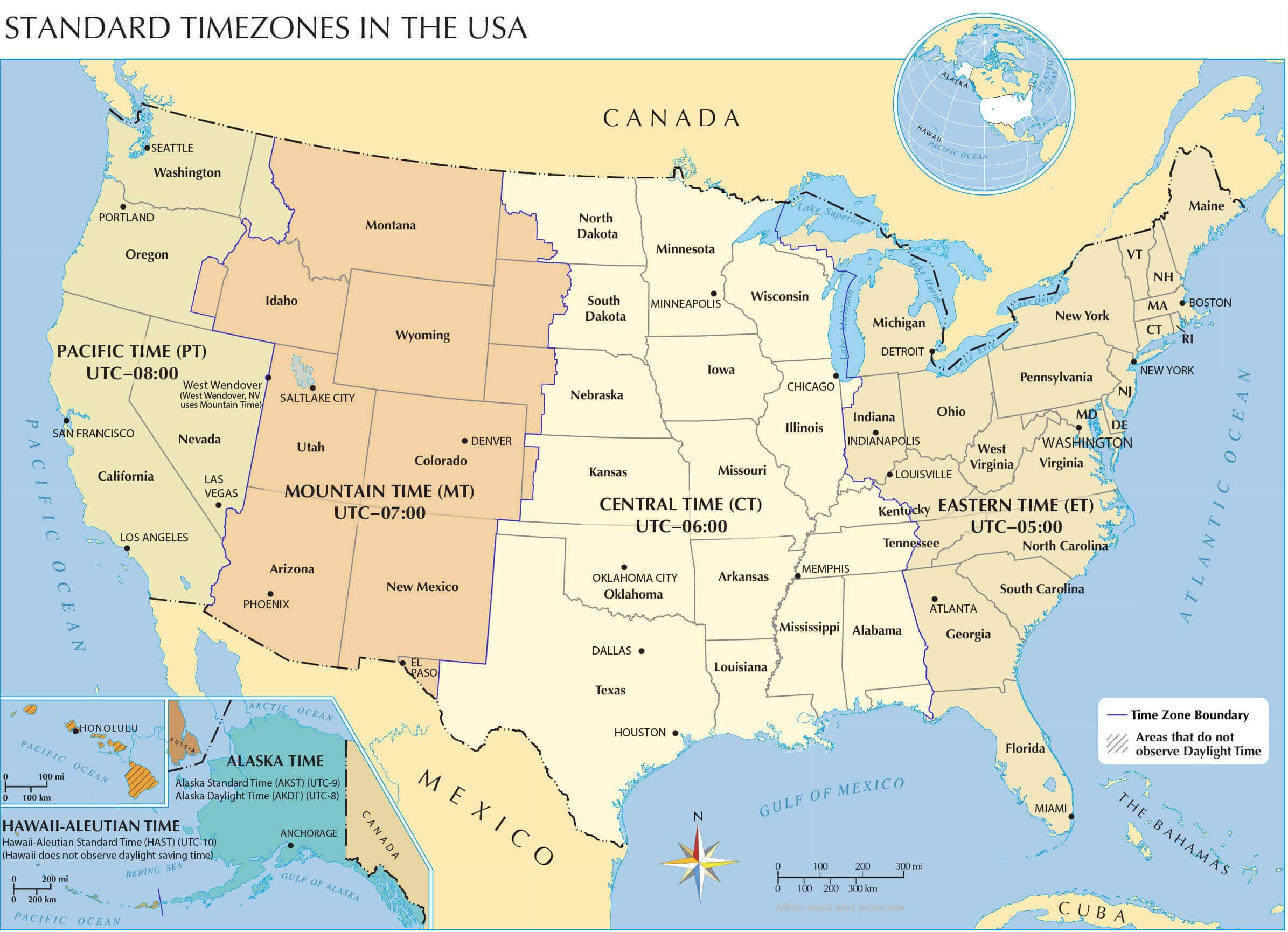
For a significant portion of the year, typically from early November to mid-March, California adheres to Pacific Standard Time (PST). This time zone is observed in the westernmost contiguous United States, running eight hours behind Coordinated Universal Time (UTC-8). What does this mean in practical terms? If it’s noon UTC, it’s 4 AM PST in California.
PST is shared with other western United States states like Washington and Oregon, parts of Nevada, and some western regions of Canada and Mexico. This shared time zone facilitates cross-border and inter-state travel and business, making communication and coordination easier for those within the North American Pacific Ocean watershed.
Embracing Pacific Daylight Time (PDT)
As the days lengthen and spring arrives, California, like most of the United States, shifts to Pacific Daylight Time (PDT). This transition occurs on the second Sunday in March when clocks “spring forward” by one hour. PDT is seven hours behind Coordinated Universal Time (UTC-7). This means if it’s noon UTC, it’s 5 AM PDT in California.
The move to PDT provides an extra hour of daylight in the evenings, a beloved feature that enhances the Californian lifestyle. Imagine enjoying a later sunset stroll along Venice Beach or having more time for an outdoor dinner in San Francisco. This period lasts until the first Sunday in November when clocks “fall back” one hour, returning to PST. This adjustment is primarily for energy conservation and to maximize daylight hours during warmer months, though its effectiveness is a subject of ongoing debate. Regardless of the debate, understanding this annual shift is crucial for anyone engaging with California during these periods.
Navigating Time Differences for Your California Journey
For travelers, the time zone difference is often the first logistical hurdle. A smooth transition and an awareness of the clock can significantly enhance your entire California experience, from arrival to departure.
Planning Your Arrival and Accommodations
When booking flights into major hubs like Los Angeles International Airport (LAX), San Francisco International Airport (SFO), Oakland International Airport, or Sacramento International Airport, always confirm your arrival time in local California time. This impacts everything from coordinating airport transfers to ensuring your accommodation is ready.
Most hotels, whether a luxury Four Seasons resort in Beverly Hills or a boutique Hyatt Regency in downtown San Diego, adhere to standard check-in times, typically in the afternoon, and check-out times in the late morning. If you’re arriving early morning from an overnight flight, consider booking an extra night or contacting the hotel in advance to arrange an early check-in. Likewise, if you’re utilizing alternative accommodations through platforms like Airbnb, verify the host’s specific check-in instructions and local time policies to avoid any surprises. Understanding these timelines minimizes stress and ensures a comfortable start to your trip.
Synchronizing with California’s Top Attractions
California’s attractions operate on the local clock, and ignoring this can lead to missed opportunities. Theme parks like Disneyland Park and Universal Studios Hollywood have strict opening and closing hours, and popular tours, such as those to Alcatraz Island or whale watching excursions from Monterey, often have staggered departure times.
Even natural landmarks like Yosemite National Park or the scenic route along Big Sur might have time-sensitive elements, such as specific gate entry times or optimal daylight hours for photography. Planning your itinerary around these local timings allows you to maximize your sightseeing, make restaurant reservations without conflict, and ensure you don’t miss out on those quintessential Californian experiences. Always check official websites for the most current operating hours, especially as these can change seasonally or for special events.
Business and Remote Work Across Time Zones
California is a global hub for innovation, entertainment, and commerce, particularly in Silicon Valley. For business travelers or remote workers, managing the time difference is paramount. A meeting scheduled for 9 AM California time means a very different start for colleagues in New York (noon), London (5 PM or 6 PM), or Tokyo (1 AM or 2 AM the next day).
Effective communication and scheduling tools are essential. Utilizing calendar applications that automatically convert time zones or simply having a reliable world clock handy can prevent missed calls and enhance productivity. For those considering a long-term stay in California for work, adjusting your daily routine to accommodate international colleagues might involve earlier mornings or later evenings, an important lifestyle consideration. The state’s vibrant co-working spaces and high-speed internet infrastructure in cities like San Francisco and Los Angeles cater to this modern, globally connected workforce, but only a keen awareness of the clock can ensure smooth operations.
Maximizing Your California Experience: Lifestyle by the Clock
Beyond the practicalities, understanding California’s time zone deeply influences the lifestyle you can embrace during your visit. From combating jet lag to optimizing your daily leisure, the clock plays a subtle yet significant role.
Beating Jet Lag: Tips for a Smooth Transition
One of the most common challenges for visitors traveling long distances to California is jet lag. The shift of several hours can disrupt sleep patterns, appetite, and overall well-being. To mitigate its effects:
- Adjust Before You Arrive: Try to shift your sleep schedule by an hour or two each day in the days leading up to your trip.
- Hydrate, Hydrate, Hydrate: Drink plenty of water before, during, and after your flight to combat dehydration.
- Embrace Natural Light: Upon arrival, expose yourself to natural light, especially in the morning, to help reset your internal clock. Take a walk along the beach in Santa Monica or explore a park in San Francisco.
- Eat Local: Try to eat meals according to local California time, even if you’re not hungry.
- Avoid Napping: Resist the urge for long naps. If you must nap, keep it short (20-30 minutes).
- Limit Stimulants: Reduce caffeine and alcohol intake, especially close to bedtime.
- Prioritize Sleep: Get a good night’s rest in your comfortable Marriott or Hilton hotel room to fully recover.
Successfully managing jet lag allows you to fully immerse yourself in the destination from day one, maximizing every precious moment of your trip.
From Sunrise Surfing to Sunset Dining: Daily Rhythms
California’s lifestyle is often defined by its outdoor appeal and vibrant social scene, both of which are intrinsically linked to the clock. Early mornings often see surfers catching waves along the Pacific Ocean coast, hikers ascending trails in national forests, and fitness enthusiasts jogging through city parks.
Daylight Saving Time (PDT) extends the evening hours, making it perfect for lingering over sunset cocktails in Laguna Beach, enjoying al fresco dining in Palm Springs, or catching a baseball game under the lights. Cities like Los Angeles and San Francisco come alive in the evenings with theater shows, live music venues, and a diverse culinary landscape. Understanding these local rhythms allows you to plan a day that truly reflects the Californian way of life, from active pursuits to sophisticated nightlife.
The Impact on Luxury and Budget Travel Itineraries
Time management takes on different nuances depending on your travel style. For luxury travelers, optimizing time might mean scheduling private tours of the Golden Gate Bridge before the crowds, securing exclusive dinner reservations at sought-after Michelin-starred restaurants in Napa Valley, or arranging seamless transfers between a spa day in Palm Springs and a gala event in Hollywood. For this segment, efficiency and access are paramount, and a precise understanding of the clock helps orchestrate these high-end experiences without a hitch.
Budget travelers, on the other hand, might leverage time awareness to save money. Visiting popular attractions during off-peak hours can mean shorter lines and a better experience without paying for “fast passes.” Utilizing public transportation schedules in cities like Los Angeles and San Francisco requires careful timing. Even grocery shopping for self-catering accommodations can be more efficient by avoiding peak times. Regardless of your budget, thoughtful time planning is a powerful tool for enhancing your travel experience.
The Broader Implications: Connecting with California
California’s position on the clock extends far beyond personal travel logistics, influencing its global standing and daily life.
Global Connectivity and Communication
As a global economic and cultural powerhouse, California’s time zone plays a crucial role in its international interactions. From tech giants in Silicon Valley collaborating with teams in Shanghai or Dubai to entertainment studios in Los Angeles coordinating productions across continents, the ability to manage vast time differences is fundamental.
This global connectivity impacts not only business but also personal relationships. Families and friends spread across the globe rely on careful scheduling to bridge the time gap, making video calls and shared digital experiences possible. For those moving to California, adapting to these communication rhythms becomes a new aspect of daily life, connecting them to a worldwide network while grounding them in the Pacific Time Zone.
Understanding Local Rhythms and Events
Beyond daily routines, California’s time zone dictates the timing of major events, broadcasts, and cultural phenomena. Sports fans eagerly await game times for their favorite NBA, NFL, or MLB teams, knowing that a West Coast game might start later in the evening for viewers on the East Coast or even in the middle of the night for international fans. Major awards ceremonies, film premieres, and music festivals are all scheduled according to local California time, shaping their national and global viewership.
Even local community events, farmers’ markets, or seasonal festivals in charming towns like those around Lake Tahoe or along the Central Coast adhere to the prevailing PST or PDT. Being aware of this ensures you can partake in the authentic local culture, whether it’s attending a Sunday brunch, an evening concert, or a daytime parade.
In essence, “What time is it California time?” is a question that unlocks a deeper understanding of the Golden State. It’s the key to efficient travel planning, seamless exploration of its myriad attractions, productive business engagements, and a truly immersive lifestyle experience. By familiarizing yourself with PST and PDT, embracing strategies to manage time differences, and syncing with California’s unique daily rhythms, you’re not just telling time—you’re preparing to make the most of every precious moment in this extraordinary destination.
LifeOutOfTheBox is a participant in the Amazon Services LLC Associates Program, an affiliate advertising program designed to provide a means for sites to earn advertising fees by advertising and linking to Amazon.com. Amazon, the Amazon logo, AmazonSupply, and the AmazonSupply logo are trademarks of Amazon.com, Inc. or its affiliates. As an Amazon Associate we earn affiliate commissions from qualifying purchases.