
Navigating the bustling streets of New York or embarking on a scenic road trip across its diverse landscapes inevitably brings one question to mind for many travelers and residents alike: “How much is gas in New York?” Gas prices are a critical factor in budgeting for travel, whether you’re planning an urban escape, a wilderness adventure, a family vacation, or a crucial business trip. The Empire State, with its unique geographical and economic characteristics, presents a dynamic fuel market that significantly impacts everything from daily commutes to ambitious explorations of its world-renowned attractions. Understanding the nuances of gas prices in New York is essential for optimizing your travel budget, making informed decisions about transportation, and truly experiencing the richness of this vibrant state. From the concrete canyons of New York City to the serene mountain passes of the Adirondacks, the cost of fuel plays an undeniable role in shaping your journey. This comprehensive guide will delve into the factors influencing gas prices, offer strategic advice for fuel-efficient travel, explore the broader implications for tourism, and even cast an eye toward the future of transportation in New York.

Understanding New York’s Gas Price Landscape
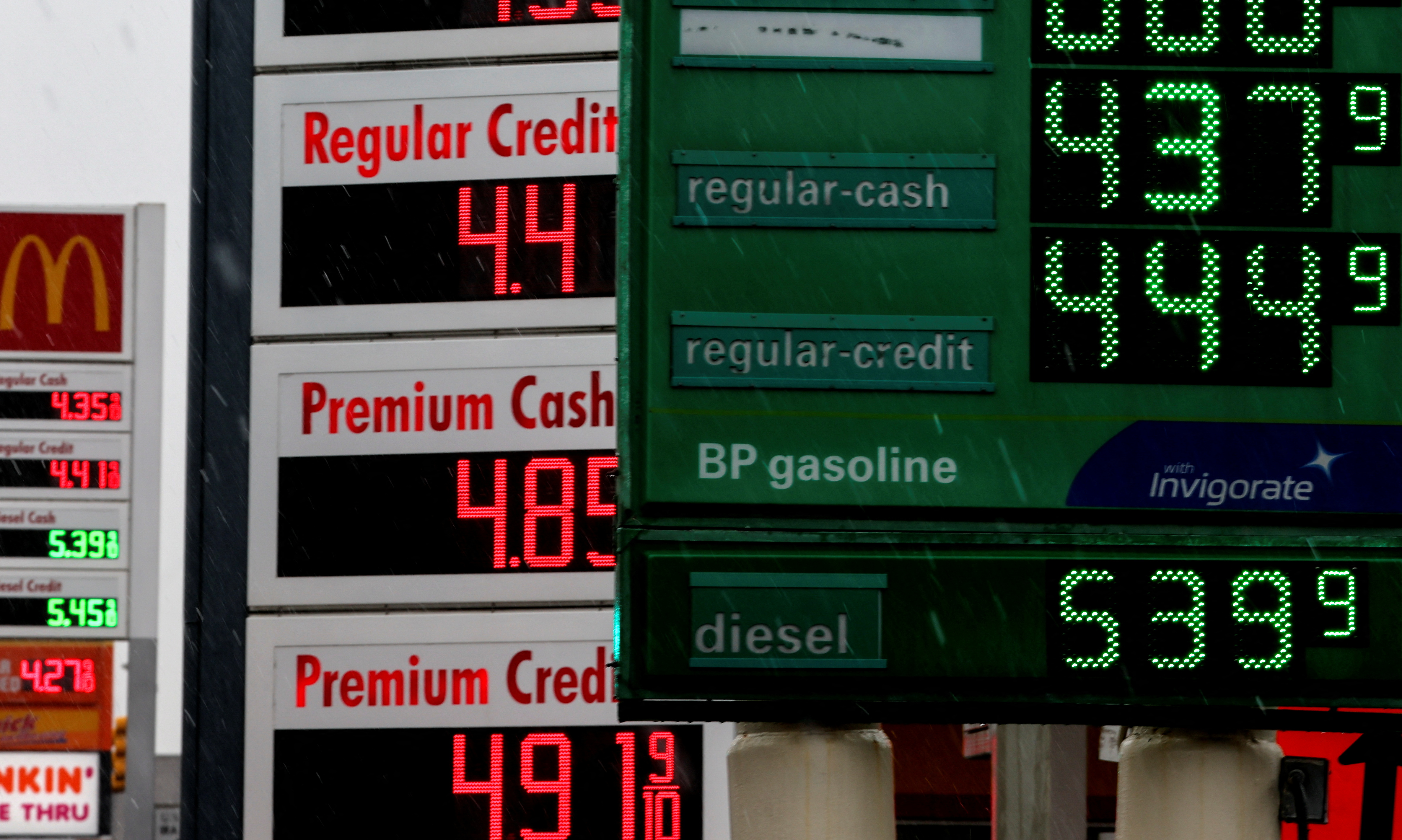
Gas prices in New York are often a topic of discussion, frequently appearing higher than the national average. This isn’t arbitrary; it’s a result of a complex interplay of global and local factors. For anyone planning to drive through the state, grasping these influences is the first step toward smart budgeting.
Factors Influencing Gas Prices in the Empire State
Several key elements contribute to the cost you see at the pump across New York State:
- Global Oil Markets: The price of crude oil, dictated by global supply and demand, geopolitical events, and the decisions of major oil-producing nations, is the primary driver. Fluctuations in these international markets directly translate to changes in domestic gas prices.
- State and Federal Taxes: New York is known for its relatively high gas taxes. These include federal excise taxes, state excise taxes, sales taxes, and various other fees. These taxes are typically among the highest in the nation, significantly elevating the baseline cost of fuel. Revenue from these taxes often contributes to critical infrastructure projects, including road maintenance and public transit, but they certainly add to the per-gallon price for consumers.
- Refinery Capacity and Operations: The Northeast region has specific refinery capabilities, and any issues, maintenance, or shutdowns at these facilities can impact supply and, consequently, prices. New York primarily relies on gasoline refined in other parts of the country or imported, which adds transportation costs.
- Environmental Regulations and Fuel Formulations: New York has stringent environmental standards, particularly in the downstate region, requiring cleaner-burning gasoline blends. These special formulations are more complex and expensive to produce and distribute, contributing to higher prices, especially during summer months when specific blends are mandated to reduce smog.
- Seasonal Demand: Demand for gasoline typically peaks during the summer driving season, from Memorial Day to Labor Day, when more people are on the road for vacations and weekend getaways. This increased demand, coupled with the switch to summer-grade fuels, usually pushes prices higher. Conversely, prices often dip in the fall and winter, excluding potential spikes due to severe weather or holiday travel.
- Distribution and Retail Costs: The costs associated with transporting gasoline from refineries to local stations, storing it, and the retailer’s profit margins also play a role. These can vary based on the station’s location, competition, and operational overheads.
New York City vs. Upstate: A Cost Comparison
One of the most significant variations in gas prices within New York is the stark difference between New York City (and its surrounding suburbs) and Upstate New York.
- New York City and Downstate: Gas prices in the five boroughs of New York City — Manhattan, Brooklyn, Queens, The Bronx, and Staten Island — along with Long Island and the lower Hudson Valley, are almost consistently the highest in the state. This is due to several factors:
- Higher Operating Costs: Real estate is incredibly expensive, so gas stations face much higher rents, property taxes, and labor costs.
- Delivery Logistics: Navigating congested city streets and tunnels like the Holland Tunnel or Lincoln Tunnel for fuel deliveries adds to transportation expenses.
- Limited Competition: There are fewer gas stations in dense urban areas, especially in Manhattan, which can lead to less competitive pricing.
- Specific Regulations: Some local regulations can add to the cost of doing business.
- Upstate New York: As you venture into areas like the Finger Lakes, Adirondacks, Catskills, or cities such as Albany, Buffalo, Rochester, and Syracuse, gas prices tend to be lower than in New York City, though still often above the national average. Factors contributing to this include:
- Lower Operating Costs: Real estate and labor are generally less expensive in rural and less dense urban areas.
- More Competition: Often, there are more gas stations per capita, fostering greater competition.
- Different Environmental Regulations: Some upstate areas may not require the same specialized fuel blends as the downstate region, reducing production costs.
For example, a gallon of gas in Manhattan could be significantly higher than the same gallon purchased near Lake Placid or on the outskirts of Buffalo. Travelers should always check current prices using apps like GasBuddy or AAA before embarking on a long journey, especially if crossing regions.
Navigating New York on a Budget: Strategies for Fuel-Efficient Travel
Understanding gas prices is one thing; mitigating their impact on your travel budget is another. New York offers a wealth of travel options, and choosing the right mode of transport, coupled with smart planning, can lead to significant savings, enhancing your overall experience.
Embracing Public Transportation in New York City and Beyond
For visitors to New York City, relying on public transportation is not just a recommendation; it’s often the most efficient and cost-effective strategy.
- New York City Transit (MTA): The MTA operates the city’s legendary subway system, extensive bus network, and regional rail lines like the Long Island Rail Road and Metro-North Railroad. A subway pass (MetroCard or OMNY tap-to-pay) provides unlimited rides for a fixed price, making it ideal for exploring iconic landmarks. You can effortlessly reach Times Square, Central Park, the Statue of Liberty (via ferry), the Brooklyn Bridge, Empire State Building, Metropolitan Museum of Art, and Broadway shows without ever thinking about gas or parking. Not only does it save money on fuel, but it also bypasses the notoriously high parking fees (which can rival gas costs) and the stress of city driving.
- Regional Rail: For day trips or longer stays outside Manhattan, the Metro-North Railroad can take you to charming towns in the Hudson Valley, while the Long Island Rail Road services the entirety of Long Island, including beach towns and The Hamptons. These are excellent alternatives to driving, especially given the tolls on bridges and tunnels like the George Washington Bridge.
- Upstate Public Transit: While not as extensive as in New York City, larger upstate cities like Buffalo, Rochester, and Albany also have their own public bus systems, which can be useful for local exploration.
Smart Car Rental and Ride-Sharing Choices
While public transit excels in New York City, a car often becomes indispensable for exploring the vast expanses of Upstate New York and its natural wonders like Niagara Falls, the Finger Lakes wine region, or the scenic routes of the Adirondacks.
- Fuel-Efficient Rentals: When renting a car, opt for a compact or hybrid model with good fuel economy. The savings on gas over a multi-day trip can be substantial. Compare prices from various rental companies and consider booking in advance, especially during peak seasons.
- Ride-Sharing Services: Services like Uber and Lyft are readily available in New York City and many larger upstate cities. They offer convenience, especially late at night or for short distances where public transit might be less direct. However, costs can quickly accumulate, particularly during surge pricing. For short-term hourly rentals, services like Zipcar can be an economical option if you only need a car for a few hours.
- Factor in All Costs: Remember that gas is just one component of driving costs. New York State Thruway tolls, bridge tolls (e.g., Verrazzano-Narrows Bridge), and parking fees can significantly inflate your budget. Always account for these when planning routes and choosing transportation. In New York City, garage parking can cost upwards of $30-$60 for a few hours.
Strategic Accommodation and Itinerary Planning
Your choice of accommodation and how you structure your itinerary can directly influence your fuel expenditure.

- Location, Location, Location: In New York City, staying at a hotel or apartment rental with easy access to subway lines means you can walk or take public transport to most attractions, drastically cutting down on driving needs. Consider properties in areas like Midtown Manhattan, Greenwich Village, or close to major MTA hubs. For upstate trips, evaluate the proximity of your lodging to the main attractions you plan to visit.
- Cluster Attractions: Group nearby attractions together on your itinerary to minimize travel time and distance. For example, visiting the Statue of Liberty and Ellis Island can be combined with a walk across the Brooklyn Bridge and exploring Wall Street, all accessible by public transit. In the Finger Lakes, plan your winery visits along a sensible route to avoid backtracking.
- Hotels with Amenities: Look for hotels that offer shuttle services to nearby points of interest or have excellent public transport connections. Some hotels, especially those catering to business travelers, might also offer electric vehicle (EV) charging stations, which could be a perk for EV owners. For long-term stays, consider accommodations that are centrally located, reducing the need for extensive travel.
- Booking and Reviews: Utilize booking platforms that allow you to filter by location, transport links, and amenities like parking (and its cost). Reading reviews can also provide insights into the practicalities of getting around from specific hotels or vacation rentals.
Beyond the Pump: The Broader Impact on New York Travel and Tourism
Gas prices do more than just affect your personal budget; they influence the broader landscape of travel and tourism in New York, shaping how visitors explore the state’s diverse offerings and how local businesses operate.
Exploring New York’s Diverse Destinations
New York is a tapestry of varied experiences, from the urban dynamism of New York City to the serene wilderness of its national parks and historic towns. Gas prices impact access to these destinations differently.
- New York City Exploration: High gas prices reinforce the city’s reliance on its world-class public transportation. Tourists and locals alike prioritize walking, cycling, subways, and buses to experience landmarks like the Guggenheim Museum, MoMA, Rockefeller Center, and One World Trade Center. This urban exploration model is less sensitive to fuel costs, making New York City a perpetually attractive destination regardless of pump prices.
- Upstate New York Adventures: For destinations like Niagara Falls, the natural beauty of the Catskills, or the historical sites in Saratoga Springs, road trips are often the preferred, if not only, way to fully experience them. Higher gas prices can lead travelers to:
- Optimize Routes: Plan more direct routes, combine multiple stops, and minimize aimless driving.
- Consider Shorter Trips: Opt for weekend getaways closer to home rather than extended cross-state tours.
- Group Travel: Carpooling with friends or family becomes more appealing to share fuel costs.
- Bus Tours: Group bus tours to destinations like the Finger Lakes wine region or the Adirondacks can become more popular as they distribute fuel costs among many passengers.
- Long Island Beaches and The Hamptons: These popular summer destinations are often reached by car from New York City. Increased gas prices might encourage more use of the Long Island Rail Road or carpooling, particularly for those heading to weekend escapes.
Culinary Journeys and Local Experiences
Food and local culture are integral parts of the New York experience. Gas prices can subtly influence these aspects.
- Urban Food Scene: In New York City, culinary exploration often involves walking tours through neighborhoods like Greenwich Village or Chinatown, or using public transit to reach diverse eateries in Brooklyn or Queens. Fuel costs have minimal impact here.
- Upstate Culinary Trails: Visiting farms, wineries, breweries, or local food festivals in the Hudson Valley or Finger Lakes often requires driving. High gas prices might make multi-stop food tours less frequent or encourage travelers to select destinations closer to their accommodation. Local businesses, in turn, might face higher delivery costs for ingredients, potentially impacting menu prices.
- Activities and Tips: For guided tours that involve transportation, such as historical tours of Albany or outdoor adventures in the Catskills, operators might adjust their pricing to account for fuel costs, which could then be reflected in the tips visitors leave or the overall cost of the experience.
Lifestyle Choices: Luxury, Budget, Family, and Business Travel
The impact of gas prices varies significantly depending on the traveler’s lifestyle and purpose.
- Budget Travelers: For those traveling on a shoestring, gas prices are a paramount concern. Every dollar spent on fuel is a dollar not spent on accommodation, food, or attractions. These travelers will meticulously plan routes, prioritize public transport, seek out carpooling opportunities, and consider hostels or budget hotels near transit hubs. Their trips might involve fewer detours and more focus on free or low-cost activities.
- Luxury Travelers: While less price-sensitive, luxury travelers still value efficiency and convenience. They might opt for chauffeured services, private transfers from airports like JFK Airport or LaGuardia Airport, or even private helicopter transfers for grand experiences like tours over Manhattan. For self-driving, they might choose high-performance vehicles, where fuel consumption is secondary to the driving experience. High gas prices for them might be a minor inconvenience rather than a budget constraint, but they still influence the total cost of a premium experience.
- Family Trips: Families often need the convenience of a car for luggage, car seats, and flexible schedules, especially when traveling with young children. Higher gas prices mean families might:
- Choose larger, more fuel-efficient vehicles: Minivans or SUVs for comfort, but with an eye on MPG.
- Pack smarter: Reduce luggage to save on fuel weight.
- Plan fewer, longer stops: Consolidate activities to minimize driving back and forth.
- Factor in “boredom stops”: These require gas to reach, so planning for them is part of the budget.
- Select family-friendly resorts: Opt for resorts with numerous amenities on-site to reduce the need for daily excursions.
- Business Stays: Business travelers often rent cars or use ride-sharing for efficiency and meeting schedules. Gas costs, while expensed, are still part of the corporate budget. Proximity to client offices or conference centers is key, and businesses will often choose hotels in strategic locations to minimize travel time and associated costs (including fuel and parking). Efficient navigation using GPS, sometimes coupled with EV rentals, is becoming common to optimize travel expenses.
The Future of Fuel and Travel in New York
As global energy trends evolve and environmental concerns grow, the landscape of fuel and travel in New York is poised for significant transformation. The conversation around “how much is gas” will increasingly shift to include alternative energy sources and sustainable practices.
The Rise of Electric Vehicles (EVs) and Charging Infrastructure
New York State is actively promoting the adoption of electric vehicles (EVs) as a key component of its climate goals. This trend will have a profound impact on travel costs and decisions.
- Cost Savings: For EV owners, the concept of paying for gasoline becomes obsolete. While there’s a cost for electricity, charging an EV is generally much cheaper per mile than fueling a gasoline-powered car, especially with New York’s high gas prices. This represents a significant long-term saving for residents and frequent visitors.
- Expanding Charging Network: The state is heavily investing in building out its EV charging network. Public and private charging stations are becoming more prevalent across cities and major travel corridors. Travelers with vehicles like Tesla or other EVs will find it increasingly feasible to undertake long road trips within New York, from New York City to Buffalo and beyond, without range anxiety. Many hotels are also beginning to offer EV charging as an amenity, adding to the convenience for electric vehicle owners seeking accommodation.
- Policy Support: State incentives, rebates, and investments in charging infrastructure are accelerating EV adoption. This means that over time, a growing proportion of vehicles on New York’s roads will be electric, fundamentally altering the demand for traditional gasoline.
Sustainable Travel Practices and Evolving Preferences
Beyond EVs, there’s a broader shift towards more sustainable and eco-conscious travel, partly influenced by fluctuating fossil fuel prices and growing environmental awareness.
- Eco-Friendly Travel Choices: Travelers are increasingly seeking out hotels and resorts with green certifications, opting for tours that minimize environmental impact, and embracing modes of transport like cycling and walking. City tours by bike in Brooklyn or electric scooter rentals in Manhattan are gaining popularity.
- Focus on Local Experiences: There’s a rising interest in slower, more immersive travel that emphasizes local culture, food, and community engagement. This can sometimes mean choosing destinations closer to home, reducing overall travel distances, or relying on local public transit once at a destination.
- Hybrid and Remote Work: The shift towards hybrid and remote work models means fewer daily commutes for many residents, potentially reducing overall demand for gas during weekdays. However, it might also free up time for more leisure travel, potentially shifting demand to weekends and holidays.
In conclusion, while “How much is gas in New York?” remains a pertinent question, the answers are becoming more nuanced. It’s not just a number on a sign, but a dynamic factor influenced by global markets, state policies, and geographical variations. For travelers and residents alike, understanding these dynamics and adopting smart planning strategies — from leveraging New York City’s robust public transport to choosing fuel-efficient vehicles for upstate adventures — is key to enjoying all that the Empire State has to offer. As New York continues its transition towards a more sustainable future, the evolving landscape of fuel and transportation promises new and exciting ways to explore this magnificent state, making memorable journeys accessible to everyone.
LifeOutOfTheBox is a participant in the Amazon Services LLC Associates Program, an affiliate advertising program designed to provide a means for sites to earn advertising fees by advertising and linking to Amazon.com. Amazon, the Amazon logo, AmazonSupply, and the AmazonSupply logo are trademarks of Amazon.com, Inc. or its affiliates. As an Amazon Associate we earn affiliate commissions from qualifying purchases.