
Understanding the precise time in California is more than a simple glance at a clock; it’s a fundamental aspect of planning, traveling, and immersing oneself in the unique rhythm of the Golden State. For anyone contemplating a journey to its sun-drenched beaches, bustling cities, or serene national parks, knowing the local time is the first step towards a seamless and enjoyable experience. California operates on a unified time zone across its entire expanse, a convenience that simplifies logistics for both residents and visitors alike. However, the presence of Daylight Saving Time introduces an annual shift that travelers must keep in mind.
This guide delves into the specifics of California’s time zone, offering insights into how this information can empower your travel plans, from managing jet lag to optimizing your itinerary for sightseeing and enjoying the local lifestyle. Whether you’re coordinating a business meeting across continents, booking a thrilling tour, or simply planning your next meal, a clear understanding of California’s time is indispensable. We will explore how time impacts everything from flight schedules and hotel check-ins to experiencing iconic landmarks and savoring the state’s diverse culinary scene.
Understanding California’s Time Zone: PST/PDT
At its core, determining the current time in California involves understanding two key acronyms: PST and PDT. These represent the two phases of the state’s timekeeping system, dictated by the observance of Daylight Saving Time. This annual alteration ensures that the state capitalizes on natural daylight, impacting everything from morning commutes to evening leisure activities.
The Basics: Pacific Standard Time and Daylight Saving
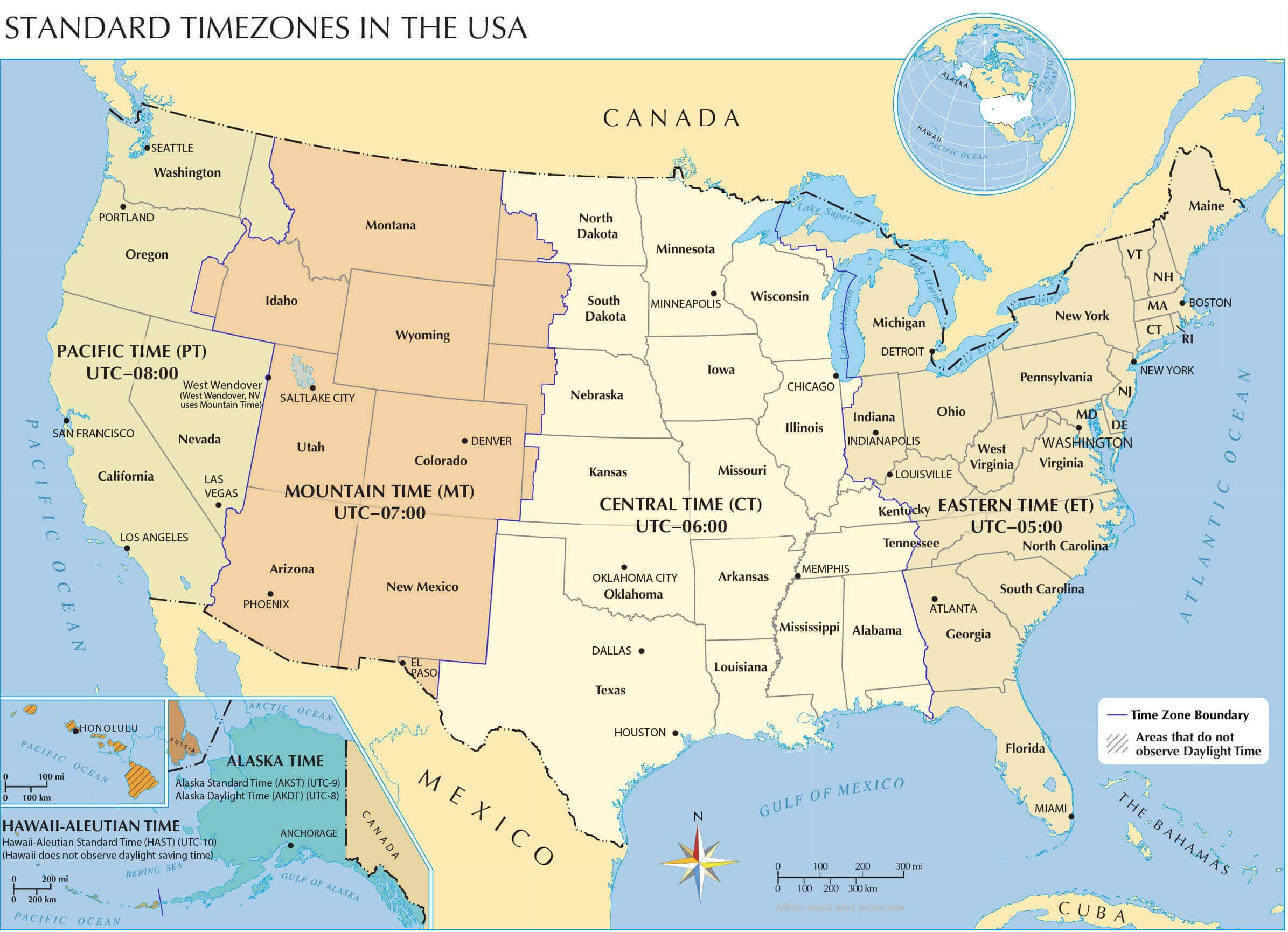
California observes the Pacific Time Zone, which means that for roughly half the year, it is on Pacific Standard Time (PST). PST is eight hours behind Coordinated Universal Time (UTC-8). This period typically runs from early November until mid-March. During this time, the days are shorter, and the shift allows for more usable daylight in the morning.
However, from mid-March until early November, California switches to Pacific Daylight Time (PDT). This adjustment means the clocks “spring forward” one hour, placing California at UTC-7. The purpose of Daylight Saving Time is to make better use of natural daylight, particularly in the longer days of spring and summer. This shift means evenings have more daylight, benefiting outdoor activities and tourism experiences. For travelers, understanding this biannual change is crucial for accurate planning, especially when making bookings for flights, accommodation, or timed attractions. A quick search for “current time in California” on the day of your inquiry will always provide the most up-to-date answer, accounting for the Daylight Saving Time adjustment.
Geographical Impact: Why California is Unified
Unlike some larger states or countries that span multiple time zones, California proudly operates under a single, unified time zone across its entire geography. This uniformity simplifies travel and communication within the state immensely. From the northern redwood forests near Eureka to the southern deserts close to the Mexican border, everyone in California sets their clocks to the same time. This means that a business traveler flying from San Francisco to Los Angeles, or a tourist driving from Yosemite National Park to San Diego, doesn’t need to adjust their watch upon arrival.
This consistent approach to timekeeping is a boon for tourism and local lifestyle. It streamlines itinerary planning, ensures synchronized event schedules, and makes inter-city travel within the state effortlessly coordinated. Imagine planning a road trip along Highway 1 from Big Sur to Santa Barbara without worrying about time zone changes – it simply allows more focus on the breathtaking scenery and cultural experiences. The unified time zone contributes to a cohesive sense of community and efficiency that permeates the California experience.
Navigating Time for Your California Travel Experience
Traveling to California involves more than just selecting destinations and booking flights; it requires a thoughtful consideration of how time will impact your journey. From overcoming the challenges of jet lag to meticulously planning daily activities, understanding California’s time zone is paramount for an enriching and stress-free adventure. The Golden State offers a vast array of experiences, and aligning your internal clock with the local rhythm can make all the difference in maximizing your enjoyment of every moment.
Jet Lag Management and Arrival Planning
One of the most significant challenges for travelers arriving in California from distant time zones is jet lag. Crossing multiple time zones, particularly from the East Coast of the United States, Europe, or Asia, can disrupt sleep patterns, energy levels, and overall well-being. To mitigate the effects of jet lag, consider adjusting your sleep schedule gradually a few days before departure. Staying hydrated during your flight and avoiding excessive caffeine or alcohol can also help.
Upon arrival at major gateways like Los Angeles International Airport (LAX), San Francisco International Airport (SFO), or San Diego International Airport (SAN), try to expose yourself to natural light and adhere to local meal times. This helps to reset your body’s internal clock. Planning your arrival time to coincide with a reasonable local check-in at your chosen accommodation, whether it’s a luxury hotel in Beverly Hills or a boutique resort in Laguna Beach, is also critical. An early morning arrival might mean hours of waiting for your room, exacerbating fatigue. Conversely, a late-night arrival might limit your options for immediate dining or local exploration. Coordinating these logistics well in advance can significantly improve your initial experience in California, setting a positive tone for the rest of your trip.
Optimizing Your Itinerary: Daily Rhythms and Activities
The local time dictates the operating hours and optimal viewing periods for many of California’s most iconic attractions. For instance, visiting popular theme parks like Disneyland Park in Anaheim or Universal Studios Hollywood often requires an early start to beat the crowds and make the most of the day. Similarly, enjoying the tranquil beauty of the Golden Gate Bridge or the stunning vistas from the Griffith Observatory can be enhanced by timing your visit around sunrise or sunset, offering spectacular photographic opportunities and fewer people.
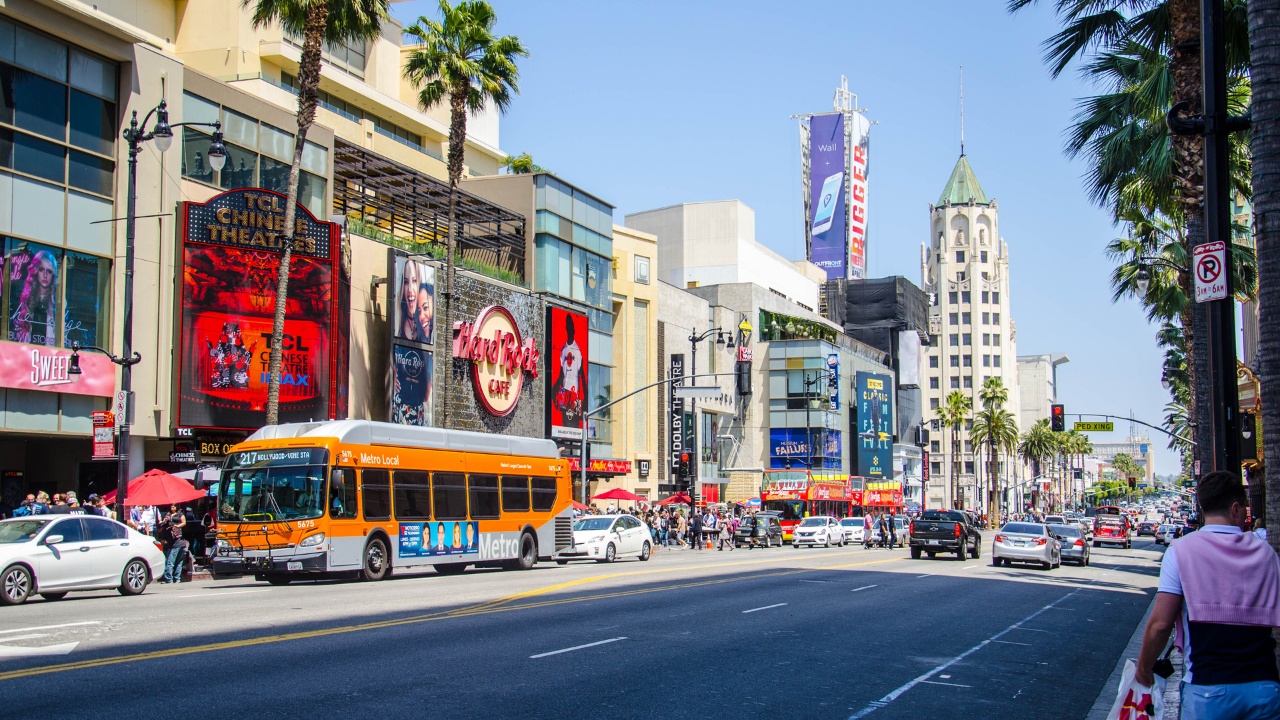
When planning outdoor activities, such as hiking in Runyon Canyon or exploring the beaches of Santa Monica, considering the time of day is essential for comfort and safety. Early mornings are often cooler and less crowded, ideal for a brisk walk or a peaceful moment by the ocean. For cultural excursions, such as visiting museums in San Francisco or art galleries in Los Angeles, checking opening and closing times is a must. Many museums have specific days or evenings when they offer extended hours or special events, which can be a great way to experience them without the daytime rush. By meticulously planning your daily rhythm around California’s local time, you can curate an itinerary that maximizes both your experiences and your comfort.
Time and the Californian Lifestyle: More Than Just a Clock
The notion of time in California extends beyond the practicalities of a clock face; it’s woven into the very fabric of the state’s diverse lifestyle. From the tech hubs of Silicon Valley to the laid-back surf towns of Southern California, the daily schedule is shaped by the Pacific Time Zone, influencing work habits, leisure activities, and culinary traditions. Understanding this rhythm offers a deeper appreciation for the Golden State’s culture and helps visitors integrate seamlessly into its dynamic pace.
From Surfing to Silicon Valley: Daily Schedules
The unique geographical and cultural tapestry of California leads to fascinating variations in daily schedules. In coastal cities like San Diego or Santa Cruz, the early morning hours are often dedicated to outdoor pursuits. Surfers hit the waves as the sun rises, taking advantage of prime conditions and cooler temperatures. Runners and cyclists flock to scenic trails and beachfront paths, embracing the active lifestyle that defines much of California. This emphasis on early activity means that many cafes and juice bars open well before 7 AM, catering to the health-conscious early birds.
Conversely, in the bustling innovation centers of San Francisco and Silicon Valley, the workday typically begins around 9 AM PST/PDT, often extending well into the evening. The three-hour difference from the East Coast means that professionals are often engaging in conference calls with New York-based colleagues early in their day, while international calls with Europe or Asia require strategic scheduling. This dynamic environment fosters a culture where business meetings can happen over breakfast, and networking events often fill the post-work hours. Even in agricultural regions like Napa Valley, the day revolves around the sun, with vineyard tours and tastings scheduled to capture the best light and weather conditions. This diverse approach to daily life showcases how California’s time zone harmonizes with its varied industries and lifestyles.
Culinary Delights and Entertainment after Dark
California’s dining and entertainment scenes are vibrant and responsive to the local time, offering experiences for every preference, from early evening family meals to late-night revelry. In cities like Los Angeles and San Francisco, dinner service typically commences around 5:30 PM, with peak dining hours often between 7 PM and 9 PM. Many restaurants, especially those offering fine dining experiences in Hollywood or Downtown Los Angeles, remain open for late-night seatings, catering to those who prefer a later meal or are attending post-theater dinners.
The nightlife in California truly comes alive after dark, particularly in major urban centers. Live music venues, comedy clubs, and bars often kick off their main events around 8 PM or 9 PM, with activities continuing well past midnight. For travelers keen to experience the local scene, knowing these schedules is crucial. For example, catching a show at a historic theater in San Francisco or visiting a rooftop bar in West Hollywood requires aligning your evening plans with these typical operating hours. The vibrant culinary landscape also includes late-night food trucks and eateries, providing a taste of local flavors long after traditional restaurant kitchens have closed. Whether you’re seeking a gourmet meal or a casual snack, the time of day in California will dictate the available options, ensuring that your gastronomic adventures are always perfectly timed.
Practical Time Considerations for Your California Stay
Beyond understanding the theoretical aspects of California’s time zone, practical application is key to a smooth and enjoyable visit. Every aspect of your trip, from the initial booking of your accommodation to staying connected with loved ones back home, will involve time-related decisions. Thoughtful planning can prevent inconveniences and enhance your overall experience in the Golden State, allowing you to focus on the myriad of attractions and activities at your fingertips.
Booking Accommodation and Planning Activities
When booking accommodation in California, pay close attention to the specified check-in and check-out times. Most hotels, from expansive resorts in Palm Springs to charming bed-and-breakfasts in Napa, adhere to standard timings, typically 3:00 PM for check-in and 11:00 AM or 12:00 PM for check-out. If your flight arrives early, or departs late, consider inquiring about early check-in or late check-out options, which some establishments like the Ritz-Carlton or Four Seasons often offer, sometimes for an additional fee. This flexibility can be a lifesaver, allowing you to rest or explore without the burden of luggage. For long-term stays, particularly in serviced apartments or villas managed by companies like Airbnb or Vrbo, confirm specific key collection or host meeting times, as these can vary widely.
Similarly, when planning activities and booking tours, always confirm the local start times. A whale-watching tour departing from Monterey or a wine tasting experience in Sonoma will operate strictly on Pacific Time. If you are booking these from a different time zone, ensure you convert the times correctly to avoid missing your slot. Many popular attractions, such as Alcatraz Island tours or tickets for Disneyland, are booked with specific entry times. Arriving late can mean forfeiting your entry, so being punctually aware of the local time is paramount. Utilizing digital calendars with time zone conversion features can be incredibly helpful in keeping all your bookings synchronized with California’s schedule.
Staying Connected Across Time Zones
For many travelers, maintaining communication with family, friends, or business associates in different time zones is an essential part of their trip. The three-hour difference from the East Coast (e.g., New York or Florida) means that when it’s 9:00 AM in California, it’s already noon on the East Coast, making early morning calls feasible. However, conversing with someone in Europe or Asia requires more strategic planning. For instance, a typical afternoon in California might correspond to late evening or the middle of the night in these regions.
Leveraging modern technology can greatly simplify these communications. Most smartphones and smartwatches have built-in world clock features that allow you to track multiple time zones simultaneously. Numerous apps are also available to help visualize time differences, making it easier to find opportune windows for calls or video chats. When planning an international business trip to California, setting clear expectations for communication times with your global teams is vital. Similarly, for leisure travelers, a quick check of the world clock before making a call home can prevent waking loved ones in the middle of their night. Being mindful of these time differences ensures that you can stay connected without causing inconvenience, allowing you to fully enjoy your California experience while keeping your global ties strong.
In conclusion, understanding “What time is it currently in California?” is far more than a simple query; it’s the gateway to unlocking a truly optimized and enjoyable journey through the Golden State. From the technicalities of PST and PDT to the practical implications for travel, accommodation, and lifestyle, time is a constant thread woven throughout the Californian experience. By being mindful of jet lag, aligning your itinerary with local rhythms, and considering time differences in your planning and communication, you can ensure that every moment of your California adventure is lived to its fullest. So set your watches, embrace the Pacific Time Zone, and prepare to immerse yourself in all the wonders California has to offer.
LifeOutOfTheBox is a participant in the Amazon Services LLC Associates Program, an affiliate advertising program designed to provide a means for sites to earn advertising fees by advertising and linking to Amazon.com. Amazon, the Amazon logo, AmazonSupply, and the AmazonSupply logo are trademarks of Amazon.com, Inc. or its affiliates. As an Amazon Associate we earn affiliate commissions from qualifying purchases.