
For anyone planning a visit to the Golden State, understanding the California school calendar is far more than just an academic exercise. It’s a crucial piece of the puzzle for savvy travelers aiming to optimize their trips, whether they’re seeking serene, uncrowded experiences or vibrant, family-friendly adventures. The ebb and flow of school schedules across the United States profoundly impacts tourism, affecting everything from accommodation prices and attraction wait times to the overall atmosphere of popular destinations.
California, a state renowned for its diverse landscapes, iconic landmarks, and world-class attractions, experiences distinct travel seasons largely dictated by when its millions of students are in and out of classrooms. From the bustling theme parks of Southern California to the majestic national parks and sophisticated urban centers of Northern California, school start dates ripple across the entire tourism industry. For families with school-aged children, aligning travel plans with academic breaks is non-negotiable, often leading to peak-season travel. However, for those with more flexible schedules, understanding these dates can unlock incredible opportunities for off-peak exploration, offering lower costs, fewer crowds, and a more intimate experience of California’s myriad treasures. This article will delve into the nuances of California’s school calendars, providing essential insights for planning your perfect California getaway, regardless of your travel style or family situation.
The Shifting Sands of the California School Calendar
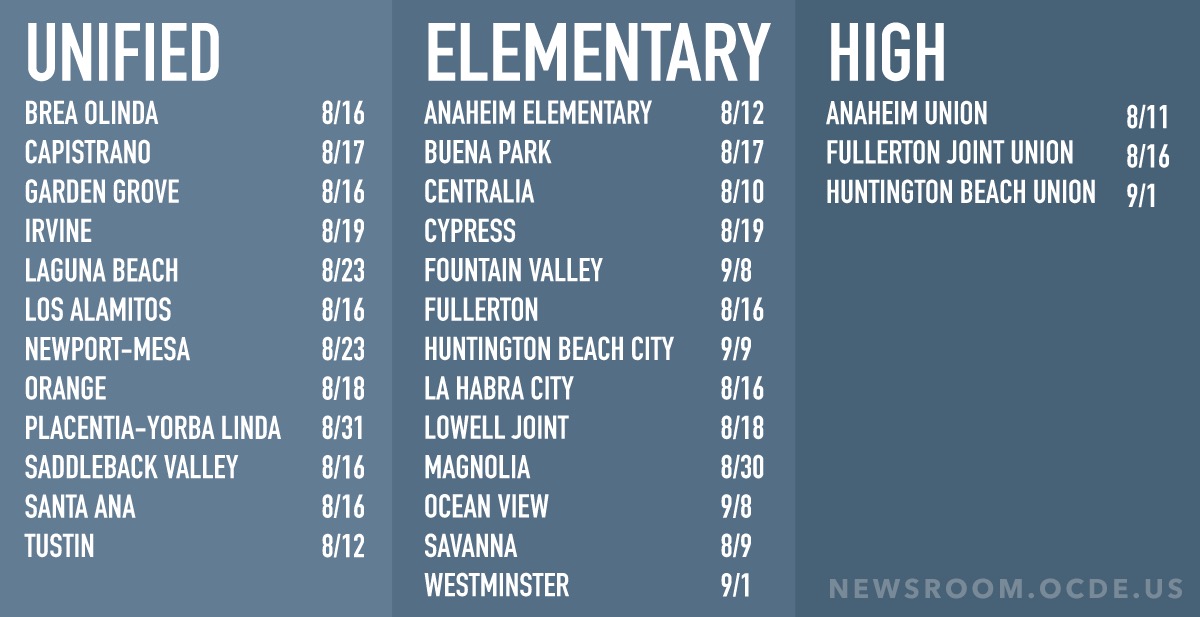
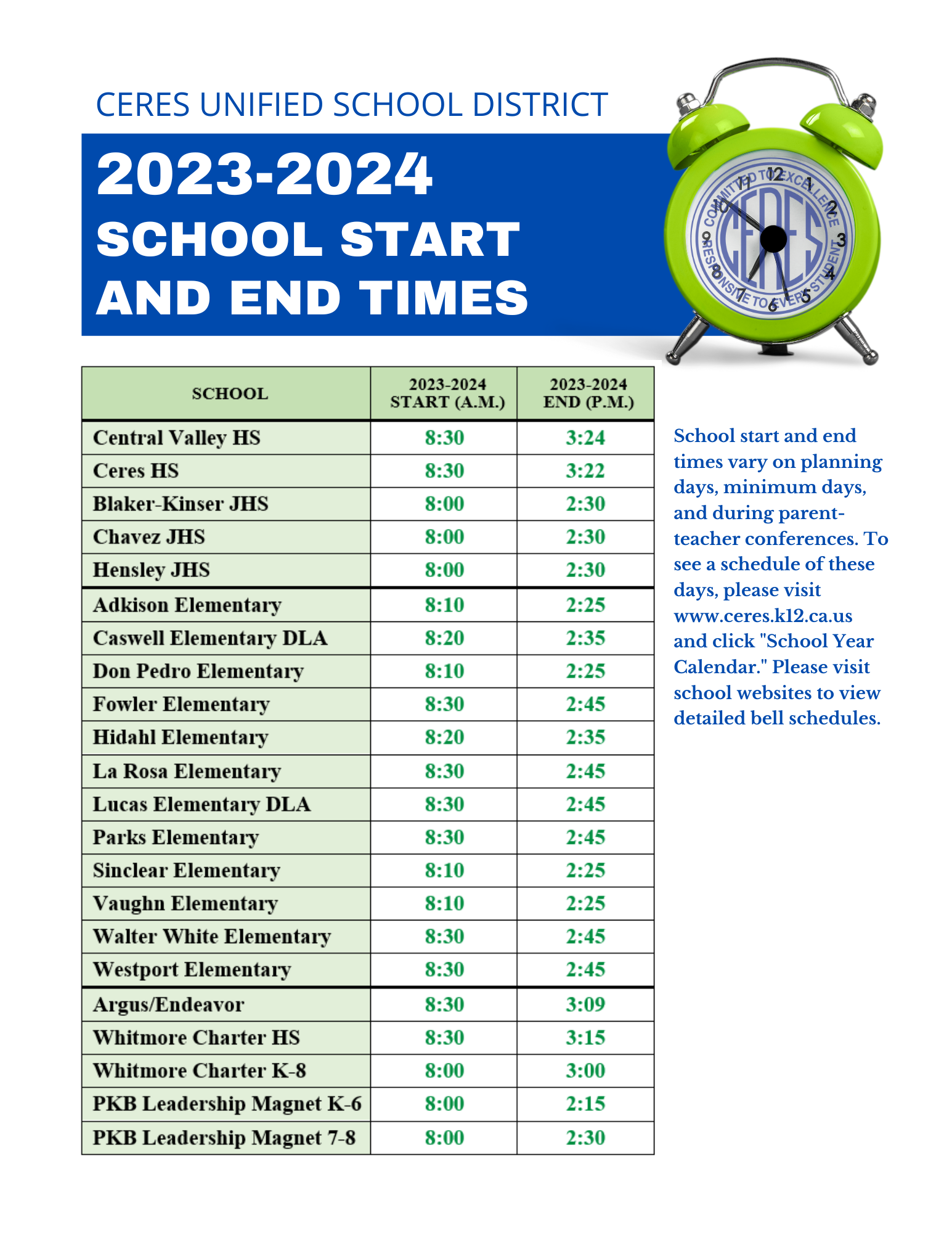
Unlike a single, unified start date across the entire state, when California schools begin their academic year is a dynamic landscape shaped by local control, district-specific policies, and regional considerations. This decentralized approach means that a school in San Diego might start two weeks earlier than one in San Francisco, leading to staggered peak and shoulder seasons for various tourist hotspots.
A Diverse Educational Landscape
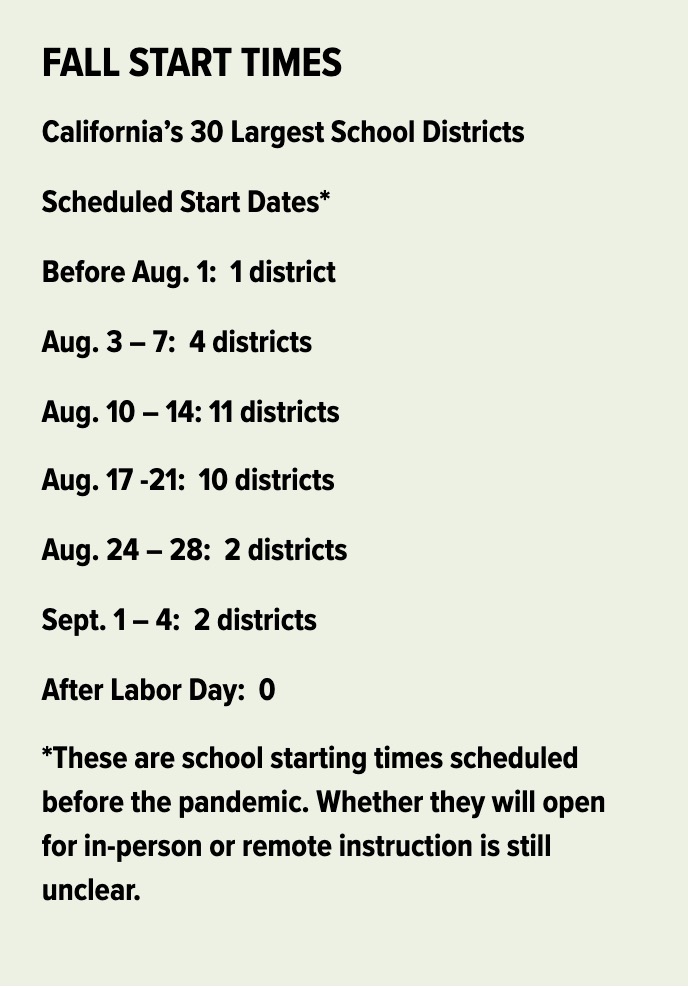
California is home to over 1,000 school districts, each with the autonomy to set its own academic calendar. While there are general trends, specific dates can vary significantly. The most common pattern involves schools starting in either mid-August or early September, typically after the Labor Day holiday. Historically, most schools adhered to the post-Labor Day start, allowing for a longer, more traditional summer break. However, in recent decades, many districts have shifted to an earlier start in August. This change is often driven by a desire to conclude the first semester before the winter break, allowing students to take finals before their holiday, or to better align with college academic calendars.
This diversity means that relying on a single assumption about when schools start can be misleading. For instance, a family visiting Los Angeles in late August might find that some local schools are already in session, while others are still enjoying their final days of summer. This localized variation creates micro-seasons within the broader travel calendar, offering strategic advantages for those willing to do a little research. Factors such as weather patterns in different regions can also play a subtle role; for example, districts in warmer inland areas might opt for earlier starts to avoid peak heat during the school day, or earlier release for summer to avoid heat waves.
Early Birds vs. Traditional Starts: Key Districts
To illustrate this variation, let’s consider some of California’s largest and most influential school districts:
-
Los Angeles Unified School District (LAUSD): As one of the largest school districts in the United States, LAUSD typically starts its academic year in mid-August. This early start means that by the third or fourth week of August, over half a million students are back in classrooms, significantly impacting local traffic and reducing the number of local families visiting attractions like Universal Studios Hollywood or Santa Monica Pier on weekdays. For travelers, this signals a gradual decrease in crowds at major Los Angeles attractions as the summer winds down.
-
San Diego Unified School District (SDUSD): Similar to Los Angeles, San Diego schools often begin their year in mid-August. This early return to school marks the beginning of the shoulder season for popular San Diego attractions such as the San Diego Zoo, Legoland California (which is in nearby Carlsbad), and the city’s beautiful beaches. Out-of-state visitors might still be on summer break, but the local family crowds start to thin out.
-
San Francisco Unified School District (SFUSD): Many districts in the Bay Area, including San Francisco, tend to lean towards a slightly later start, often in the third or fourth week of August, sometimes even closer to Labor Day, though this can vary year by year. While still within August, this slight delay can extend the busy period for attractions like the Golden Gate Bridge, Alcatraz Island, and Fisherman’s Wharf.
-
Other Districts (e.g., Sacramento, Anaheim): Districts throughout the Central Valley and other parts of California exhibit similar variations. Many in Orange County, home to Disneyland, also tend to have mid-August starts, meaning that by the end of August, the colossal crowds of summer at the “Happiest Place on Earth” begin their slow, welcome decline.
To get the most accurate information for your specific travel dates and desired region, it’s always best to consult the academic calendars of the largest school districts in the area you plan to visit. A quick online search for “[city name] school district calendar” will usually provide precise start and end dates, as well as holiday breaks.
Navigating California Tourism: Impact of School Schedules
The timing of California school starts, along with those across the rest of the United States, is the single biggest determinant of peak and off-peak travel seasons. Understanding this rhythm is key to planning a seamless and enjoyable California adventure.
Peak Season Dynamics: Crowds, Costs, and Climate
The period from late May (Memorial Day) through early to mid-August is generally considered peak season in California. This is when virtually all schools are out for summer break, unleashing millions of families onto popular tourist circuits.
-
Crowds: Expect significant crowds at major theme parks like Disneyland and Universal Studios Hollywood, national parks such as Yosemite National Park and Sequoia National Park, and coastal destinations like Santa Monica, Santa Barbara, and San Diego beaches. Wait times for attractions can be extensive, and popular trails or scenic viewpoints can become congested. Urban centers like San Francisco and Los Angeles also see an influx of visitors.
-
Costs: High demand translates directly into higher prices for almost everything. Flight fares, particularly to major hubs like LAX or SFO, are at their peak. Accommodation options, from luxury resorts in Beverly Hills to family-friendly suites near Anaheim, command premium rates. Car rentals, tours, and even some restaurant reservations can be more expensive and require advance booking.
-
Climate: While the weather is often glorious across much of California during summer, it can also be intensely hot in inland areas like Palm Springs, the Central Valley, or Death Valley National Park. Coastal regions offer cooler temperatures and refreshing breezes, but these areas, in turn, experience even higher demand.
Summer’s End: The Sweet Spot for Savvy Travelers
The best time to visit California for those without school-aged children, or for families who can travel right at the tail end of summer, is often late August through September. This period offers a unique confluence of benefits:
- Reduced Crowds: As California and many other United States schools resume in mid-August, the sheer volume of tourists begins to recede. Theme parks become more manageable, national parks offer more solitude, and popular dining spots become easier to book.
- Lower Costs: With demand tapering off, airfares often drop, and hotels begin to offer more competitive rates. This can lead to significant savings on accommodation, allowing travelers to potentially upgrade their lodging or extend their stay.
- Ideal Weather: September, in particular, is often considered one of the best weather months across much of California. The intense heat of August begins to moderate, yet the days remain long, sunny, and pleasant. Ocean temperatures are often at their warmest, making beach activities enjoyable, and the coastal fog (“June Gloom” or “May Gray”) is usually long gone. This period is perfect for exploring diverse environments, from the vineyards of Napa Valley to the hiking trails of the Sierra Nevada.
The “Shoulder Season” Advantage
Beyond late summer, the “shoulder seasons” of April-May and October-November also offer fantastic travel opportunities. During these times, schools are typically in session, but the weather is generally mild and pleasant. You’ll encounter fewer crowds than in summer, but still enjoy vibrant cultural activities and accessible outdoor experiences. This is an excellent time for visiting places like Big Sur, Lake Tahoe, or even the urban attractions like the Hollywood Walk of Fame, without the intense summer crush.
Beyond Summer: Spring Break and Winter Holidays
While summer vacation dictates the primary peak season, it’s essential to remember that schools also have other significant breaks that influence travel patterns.
-
Spring Break (March-April): Most California schools, and many across the United States, observe a one-week spring break sometime between mid-March and mid-April. This period sees a surge in family travel, particularly to theme parks, desert destinations like Palm Springs, and coastal cities. Accommodation prices can spike, and popular attractions can become quite crowded. If you’re planning a visit during these weeks, booking far in advance is crucial.
-
Winter Holidays (Late December-Early January): The two-week winter break for Christmas and New Year’s is another busy travel period. While not as warm as summer, destinations like Disneyland (which is famously festive during this time) and ski resorts in the Sierra Nevada (like those around Lake Tahoe) experience high demand. Urban centers also see an increase in visitors enjoying holiday festivities. Expect higher prices and larger crowds, especially at major family-friendly attractions and ski resorts.
-
Long Weekends: Even shorter breaks like Labor Day, Veterans Day, Presidents’ Day, and Thanksgiving can create mini-surges in travel. These weekends often see local families taking short trips, leading to increased traffic and booking challenges in popular regional destinations.
Strategic Planning for Your California Adventure
Successfully navigating California’s diverse travel landscape requires a strategic approach, especially when considering the intricate dance of school calendars. Your planning should extend beyond just dates, encompassing accommodation choices, activity selections, and overall lifestyle preferences.
Optimizing Your Trip: Accommodation and Activities
Understanding school schedules allows you to make informed decisions about where to stay and what to do, directly impacting your budget and experience.
-
Finding Family-Friendly Stays: Resorts, Apartments, and Villas: During peak school breaks (summer, spring break, winter holidays), family-friendly resorts, especially those near theme parks like Disneyland or beachfront hotels, book up quickly and command their highest rates. If traveling during these times, book your accommodation well in advance – six months to a year out is not uncommon for prime dates. Consider alternatives like serviced apartments or villas, which can offer more space, kitchen facilities, and a cost-effective solution for longer stays or larger families. Websites focusing on “accommodation booking” or “hotel comparison” can be invaluable tools for finding deals or availability during these busy periods. For off-peak travel (late August/September, October, May), you’ll find greater availability and often significant savings on hotels and resorts, allowing for more flexibility or the opportunity to upgrade to a luxury experience at a better value.
-
Budget-Conscious vs. Luxury Experiences: School schedules heavily influence pricing, making them a crucial factor in managing your budget.
- Budget Travel: If you’re aiming for a budget-friendly trip, focus on the shoulder seasons or even the quieter parts of the winter (excluding the holiday rush). Travel during these times, and you’ll find lower flight costs, more affordable hotel rates, and potentially cheaper entry to attractions. Consider staying slightly outside major tourist hubs and using public transport or ride-shares to save on parking. Eating at local eateries rather than tourist traps can also significantly cut down costs.
- Luxury Travel: For those seeking a luxury travel experience, off-peak periods can offer a more exclusive and serene atmosphere. Imagine enjoying a tasting tour in Napa Valley with fewer crowds, or relaxing at a high-end resort in Laguna Beach without the throngs of summer visitors. While prices for top-tier experiences might remain high, the improved ambiance and service due to lower demand can enhance the perceived value of your luxury stay.
Exploring California’s Iconic Destinations: When to Visit
The best time to visit specific landmarks and attractions largely depends on whether you prioritize smaller crowds, specific activities, or vibrant, high-energy atmospheres.
-
Theme Parks (Disneyland, Universal Studios Hollywood, Legoland California, Knotts Berry Farm): These are undoubtedly busiest during all school breaks (summer, spring break, winter holidays) and on weekends. For the shortest lines and most enjoyable experience, aim for weekdays in September, October, early November, January, February, or May. Many parks also have special events and festivals during the fall (Halloween) and winter (Christmas) that, while popular, can still be less crowded on weekdays than during the summer peak. Check park calendars for specific operating hours, which may be reduced during off-peak weekdays.
-
Natural Wonders (Yosemite National Park, Lake Tahoe, Coastal Drives like Big Sur):
- Summer (June-August): Best for accessing all areas of national parks, with hiking trails fully open, but also the most crowded. Booking Yosemite accommodation years in advance is often necessary for summer. Lake Tahoe is perfect for water sports but very busy.
- Shoulder Seasons (April-May, September-October): Ideal. Fewer crowds, pleasant weather. Waterfalls in Yosemite are still impressive in spring, and fall colors in Napa Valley or around Lake Tahoe are stunning. Coastal drives are incredibly scenic without the summer traffic.
- Winter (November-March): Offers unique experiences like snow sports in Lake Tahoe or peaceful, misty coastal views, but some high-elevation roads in national parks may be closed due to snow.
-
Urban Explorations (San Francisco, Los Angeles, San Diego):
- San Francisco: Often experiences its best weather in September and October, after the summer fog has typically lifted and the main tourist rush has subsided. This is perfect for exploring the Golden Gate Bridge, visiting museums, and enjoying the city’s vibrant food scene.
- Los Angeles: Also shines in the fall (September-November) and spring (March-May). The weather is comfortable, and the density of visitors at sites like the Hollywood Walk of Fame, Griffith Observatory, and Getty Center is more manageable.
- San Diego: Enjoys pleasant weather almost year-round, but September-October offers warmer ocean temperatures and fewer crowds at beaches and attractions like the San Diego Zoo and Balboa Park.
The Lifestyle of Travel: Balancing Education and Exploration
The decision of when to travel to California is often deeply intertwined with personal lifestyle choices, educational commitments, and budgetary considerations. The goal is to maximize the travel experience while minimizing stress and financial strain.
Family Travel Considerations
For families with school-aged children, travel dates are largely dictated by school breaks. While this often means enduring peak season crowds and prices, careful planning can still yield rewarding experiences.
-
Making the Most of School-Aligned Breaks: Embrace the summer, spring, and winter breaks. To mitigate the downsides of peak season, consider:
- Early Booking: Secure flights, accommodation, and popular tours (like Alcatraz Island or Disneyland tickets) as far in advance as possible.
- Mid-Week Visits: If traveling during peak times, try to visit theme parks or major attractions on Tuesday, Wednesday, or Thursday when local crowds are somewhat lighter.
- Off-Peak Hours: Arrive at attractions right at opening or visit later in the afternoon/evening to avoid the midday rush.
- Consider Lesser-Known Gems: While the main attractions will be busy, California has countless beautiful beaches, state parks, and charming small towns that offer wonderful family experiences without the intense crowds. Explore local culture through community events or farmers’ markets.
- Educational Integration: Frame your travel as an educational experience. A trip to the California Academy of Sciences or a historical mission can be a rich learning opportunity, subtly balancing education with exploration.
-
The “Pull-Out” Debate: Some families choose to pull children out of school for a few days during off-peak times to take advantage of lower prices and fewer crowds. This is a personal decision that requires careful consideration of academic impact, school policies, and the potential for enriching, real-world learning that travel provides. If you opt for this, communicate with the school in advance and ensure your child can catch up on any missed work. This approach often falls under the “budget travel” lifestyle, aiming to get more value for money.
The Freedom of Off-Peak Travel
For individuals or couples without school-aged children, or those with highly flexible schedules, the world of off-peak California travel opens up incredible possibilities.
- Optimal Timing: As established, late August/September, October, January/February, and May are often ideal. These periods offer a perfect blend of pleasant weather, manageable crowds, and more favorable pricing for flights, hotels, and tourism activities.
- Enhanced Experiences: Imagine hiking in Yosemite with a fraction of the summer visitors, enjoying a wine-tasting tour in Sonoma Valley without jostling for space, or strolling through Disneyland with shorter wait times. Off-peak travel transforms the experience, allowing for a deeper connection with destinations and a more relaxed pace. This aligns perfectly with a “luxury travel” mindset, where the luxury comes not just from amenities but from space, serenity, and unparalleled access.
- Unique Cultural Encounters: Quieter periods often allow for more meaningful interactions with locals. You might discover hidden gems, receive personalized recommendations, and gain a more authentic understanding of California’s diverse local culture and lifestyle.
Embracing Local Culture During Quieter Times
When the primary tourist rush subsides, California’s local culture truly shines. This is the time to immerse yourself beyond the typical tourist attractions. Consider staying in boutique hotels or charming bed and breakfasts in neighborhoods outside the main tourist drag. Explore farmers’ markets, attend local festivals or art walks, and dine at restaurants favored by residents. During the off-season, you’ll find it easier to book unique “experiences” — cooking classes, surf lessons, guided nature walks — that are often oversubscribed in summer. This shift in focus from major landmarks to authentic local interactions enriches your travel lifestyle and provides memories that are truly distinct.
In conclusion, knowing when California schools start is an indispensable tool for any traveler planning a visit to the state. It’s the key to unlocking the right balance of adventure, relaxation, and value, allowing you to tailor your journey to California’s incredible offerings, no matter your preferences or constraints. By being informed and strategic, you can transform a good trip into an unforgettable one.
LifeOutOfTheBox is a participant in the Amazon Services LLC Associates Program, an affiliate advertising program designed to provide a means for sites to earn advertising fees by advertising and linking to Amazon.com. Amazon, the Amazon logo, AmazonSupply, and the AmazonSupply logo are trademarks of Amazon.com, Inc. or its affiliates. As an Amazon Associate we earn affiliate commissions from qualifying purchases.