
The question “Where is my California refund?” often surfaces with a mix of anticipation and frustration. While it might initially sound like a straightforward query about tax returns or an overpayment, in the broader context of travel and lifestyle, a “refund” can represent much more. It could be a reimbursement for a canceled flight, a refund from a disputed hotel charge, or perhaps a voucher for a disrupted tour. For anyone planning a trip, managing finances, or simply navigating the complexities of modern consumerism, understanding the refund process—especially in a bustling state like California—is paramount. This article delves into the common scenarios behind seeking a refund in the Golden State, how such financial waiting games can impact your travel plans, and ultimately, how to ensure your California adventures remain as smooth and enjoyable as possible, regardless of pending financial transactions.
Unraveling the Mystery: Understanding Your California Refund
When you find yourself asking about a refund in California, the first step is to pinpoint the source. Is it a state tax refund from the Franchise Tax Board (FTB)? A sales tax refund from the California Department of Tax and Fee Administration (CDTFA)? Or, as is often the case for avid travelers and tourists, is it related to a recent travel booking, a hotel stay, an attraction ticket, or a tour package? Each type of refund has its own set of rules, processing times, and avenues for inquiry. Understanding these nuances is crucial for managing expectations and effectively tracking your money.
The Waiting Game: What to Expect After Filing
Once a refund is initiated, whether by you or a service provider, a period of waiting begins. For state tax refunds in the United States, the California FTB typically advises a processing time of several weeks for electronically filed returns, with paper returns taking considerably longer. Direct deposits are naturally faster than mailed checks. Similarly, for travel-related refunds, the timeline can vary wildly. A major airline might process a refund in a few business days, while a smaller boutique hotel or a third-party booking site could take weeks, depending on their internal policies and the payment method used.
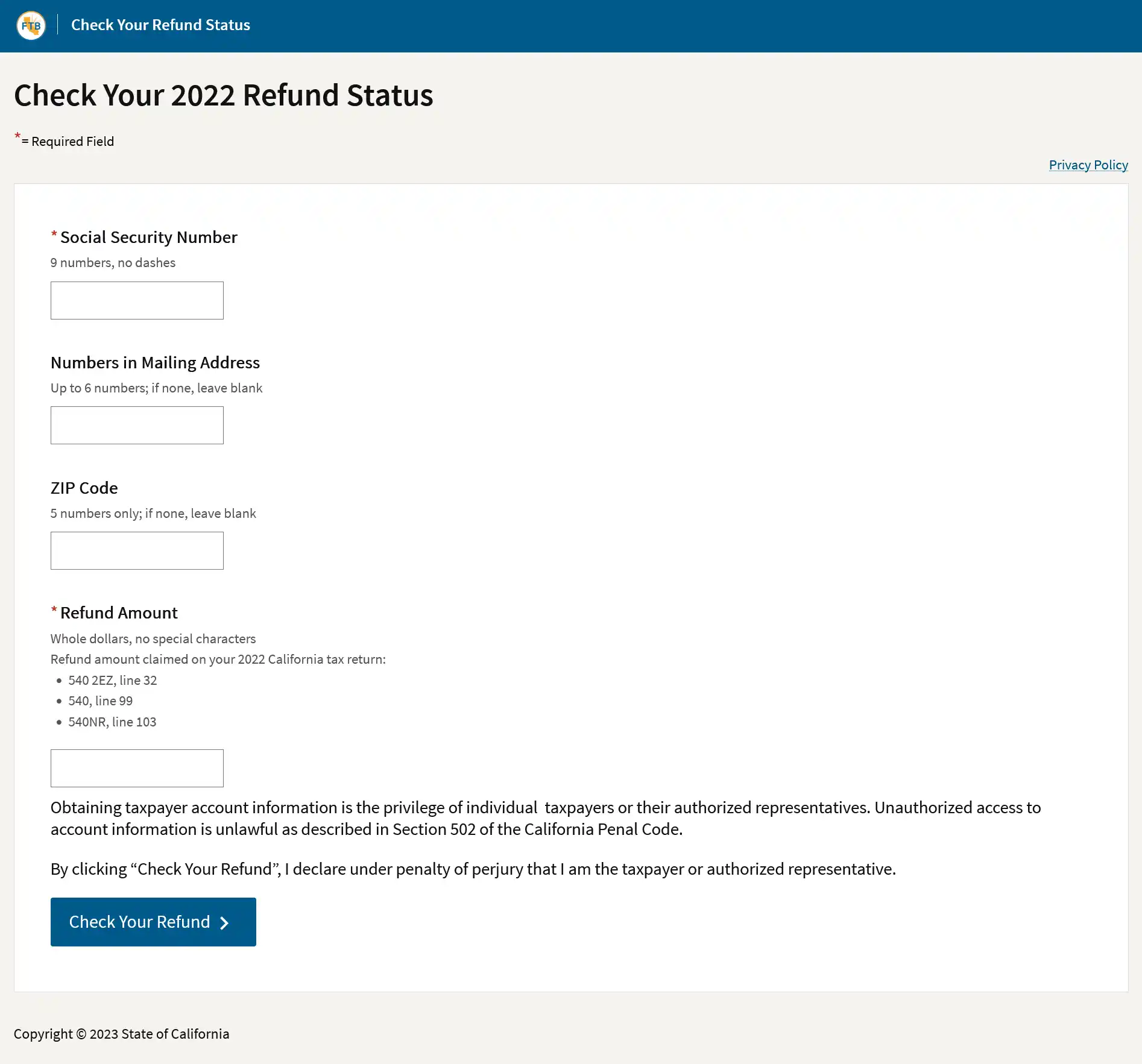
During this waiting period, patience is key, but so is diligent record-keeping. Always retain confirmation emails, cancellation numbers, receipts, and any correspondence related to the refund. This documentation will be invaluable if you need to follow up or dispute a delay. Many organizations offer online portals or dedicated helplines where you can check the status of your refund. For example, the FTB has an online “Check Your Refund Status” tool, and most reputable travel providers offer similar services through their websites or customer service lines. Proactively utilizing these resources can save you considerable stress and provide clarity on your refund’s progress.
Common Hiccups: Why Your Refund Might Be Delayed
Several factors can contribute to a delayed refund, turning a simple financial transaction into a frustrating ordeal. For state tax refunds, common issues include errors in your filing, discrepancies with reported income, or potential identity theft concerns that trigger additional review. In these cases, you might receive a letter requesting more information, which further extends the processing time.
When it comes to travel and accommodation, delays are often due to the sheer volume of requests, especially during peak travel seasons or unforeseen events like widespread cancellations. The financial institution processing the transaction (your bank or credit card company) can also add to the delay, as they have their own processing times for incoming refunds. Sometimes, a refund might be issued as a credit or voucher instead of cash, which, while still a form of reimbursement, might not be what you initially expected. In other instances, a booking platform might be awaiting confirmation from the actual service provider (e.g., a hotel waiting for the guest’s bank to process a chargeback before issuing the refund). Understanding these potential roadblocks can help you anticipate delays and prepare for alternative plans, ensuring that your pursuit of a refund doesn’t derail your overall financial planning or future travel aspirations.
Beyond the Balance Sheet: How Refunds Impact Your California Travel Plans
The pursuit of a refund, particularly a significant one, isn’t just about recovering money; it can profoundly influence your travel budget, booking decisions, and even your overall travel lifestyle. A delayed refund might mean postponing a planned getaway to Los Angeles’s vibrant cultural scene or a serene escape to Napa Valley. For budget-conscious travelers, every dollar counts, and an unexpected waiting period for a refund can throw an entire itinerary into disarray. Conversely, a smoothly processed refund can free up funds, allowing for an upgrade to a luxury suite in San Francisco or an extra excursion to Yosemite National Park.
Budgeting for the Golden State: Accounting for Unexpected Delays
California is a state of diverse and often costly experiences, from the upscale resorts of Beverly Hills to the adventure tourism opportunities around Lake Tahoe. Effective travel budgeting is crucial, and this includes building in a contingency for unexpected financial delays like pending refunds. When planning your trip, consider creating a “buffer” in your budget. This means setting aside additional funds or having a credit line available to cover immediate expenses if a refund you’re expecting doesn’t arrive on time. For example, if you’re awaiting a refund from a canceled flight and need to book a new one, having immediate access to those funds can prevent stress and last-minute scrambling.
Moreover, it’s wise to distinguish between funds that are readily available and those that are tied up in a refund process. Don’t rely on an anticipated refund to pay for non-refundable bookings or critical travel expenses like flights and accommodation. Instead, consider those funds “unavailable” until they are actually back in your account. This financial discipline ensures that your travel plans, whether they involve exploring the beaches of Santa Monica Pier or hiking the trails of Joshua Tree National Park, aren’t held hostage by bureaucratic delays or third-party processing times.
Recouping Costs: When Travel Plans Go Awry
Sometimes, a refund isn’t just a convenience; it’s a necessity stemming from disrupted travel plans. A sudden cancellation, a missed connection, or a service that didn’t live up to its promise can lead to significant financial losses. In these situations, understanding your consumer rights and the proper channels for recouping costs becomes paramount. Many travel insurance policies cover non-refundable expenses in cases of unforeseen circumstances, making them a valuable investment for any traveler.
When dealing with hotels, airlines, or tour operators, be persistent but polite. Clearly state your case, provide all necessary documentation, and escalate the issue if you’re not getting a satisfactory response. For instance, if a hotel stay in San Diego’s Gaslamp Quarter was unsatisfactory and you’re seeking a partial refund, detail the issues and refer to any terms and conditions. If a flight to Sacramento was significantly delayed or canceled, know your rights regarding compensation under airline regulations. Credit card companies often offer dispute resolution services, which can be a powerful tool for recovering funds from unfulfilled services. By being informed and assertive, you can significantly improve your chances of successfully recouping costs, allowing you to salvage your travel budget and continue enjoying the wonders of California.
Making the Most of Your California Journey: Financial Prudence Meets Exploration
The ultimate goal of any traveler is to enjoy their destination to the fullest. In a state as expansive and diverse as California, this means experiencing everything from the iconic Golden Gate Bridge to the majestic Redwood National Park. While financial matters like refunds might seem mundane, they are intrinsically linked to the quality and scope of your travel experiences. A well-managed budget, free from the stress of pending reimbursements, allows for greater flexibility, spontaneity, and peace of mind during your adventures.
Smart Planning for Seamless California Adventures
Proactive planning is the cornerstone of any successful trip, especially when it involves financial considerations. Before booking any travel or accommodation in California, thoroughly read the cancellation and refund policies. Understand the difference between refundable and non-refundable rates for hotels, flights, and activities. Consider purchasing travel insurance, particularly for significant trips or during periods of uncertainty. Many policies offer coverage for trip cancellations, interruptions, and even medical emergencies, providing a safety net that can protect your investment.
When choosing accommodation, whether it’s a luxury resort, a boutique hotel, or a charming apartment, look for transparent billing practices and clear communication channels. Websites that offer comprehensive reviews and comparison tools can also highlight hotels known for their customer service, including their refund processes. For instance, booking directly with a reputable hotel like one of the many renowned establishments across Southern California might offer more direct recourse than a third-party site if an issue arises. By taking these preventative measures, you minimize the chances of needing a refund in the first place, allowing you to focus on the joy of discovery rather than the anxiety of financial recovery.
Discovering California’s Wonders: Destinations and Dollars
California offers an unparalleled array of destinations and experiences, catering to every type of traveler. From the glamorous theme parks like Disneyland Resort and Universal Studios Hollywood to the natural splendor of Big Sur and Death Valley National Park, there’s an adventure waiting. The state is also a hub for culture and history, boasting attractions like Alcatraz Island, Hearst Castle near San Simeon, and world-class museums such as the Getty Center and the Griffith Observatory.
Exploring these wonders doesn’t always have to break the bank. Smart financial planning, including the careful management of refunds, empowers you to allocate your resources effectively. For example, knowing that a refund is safely in your account might allow you to indulge in a wine-tasting tour through Napa Valley, a gourmet meal in Carmel-by-the-Sea, or an extra night at a charming inn in Solvang. Conversely, if you’re on a tighter budget, securing a prompt refund from a previous expense could enable you to visit several more California State Parks or enjoy local cuisine in a vibrant neighborhood like Venice Beach or La Jolla.
Ultimately, the question “Where is my California refund?” goes beyond mere financial transaction tracking. It touches upon the broader themes of responsible travel, consumer confidence, and the freedom to explore. By understanding the refund process, budgeting wisely, and advocating for your rights, you can transform potential financial headaches into opportunities, ensuring that your journey through the diverse landscapes and vibrant cities of California is nothing short of exceptional. Whether you’re navigating the tech landscape of Silicon Valley, seeking solitude in the Central Valley, or enjoying the coastal drives of the Pacific Coast Highway up into Northern California, knowing your finances are in order will undoubtedly enhance every aspect of your California experience.
LifeOutOfTheBox is a participant in the Amazon Services LLC Associates Program, an affiliate advertising program designed to provide a means for sites to earn advertising fees by advertising and linking to Amazon.com. Amazon, the Amazon logo, AmazonSupply, and the AmazonSupply logo are trademarks of Amazon.com, Inc. or its affiliates. As an Amazon Associate we earn affiliate commissions from qualifying purchases.