
One of the most common questions travelers heading to the United States often ask, particularly when planning itineraries that span multiple states, revolves around time zones. Specifically, for those envisioning a trip to the vibrant metropolis of Chicago, the query “Is Chicago Eastern Standard Time?” frequently arises. The simple and direct answer is: No, Chicago is not in Eastern Standard Time (EST). Instead, the Windy City operates on Central Standard Time (CST).
Understanding Chicago’s time zone isn’t just a trivial piece of information; it’s a fundamental detail that can significantly impact every aspect of your travel experience, from coordinating flight arrivals and hotel check-ins to scheduling your visits to iconic landmarks and enjoying the city’s renowned culinary scene. This article will delve into the nuances of Chicago’s time zone, why it matters for travelers, and how to seamlessly integrate this knowledge into your trip planning for a truly unforgettable Chicago adventure.
Unraveling Chicago’s Time Zone: Central Standard Time Explained
The United States is a vast nation, sprawling across several longitudinal lines, necessitating the division into multiple time zones. For travelers, navigating these time zone shifts is a crucial part of journey preparation. Chicago’s placement within the Central Standard Time zone is a key distinction from many major East Coast cities.
The Continental Divide of Time: CST vs. EST
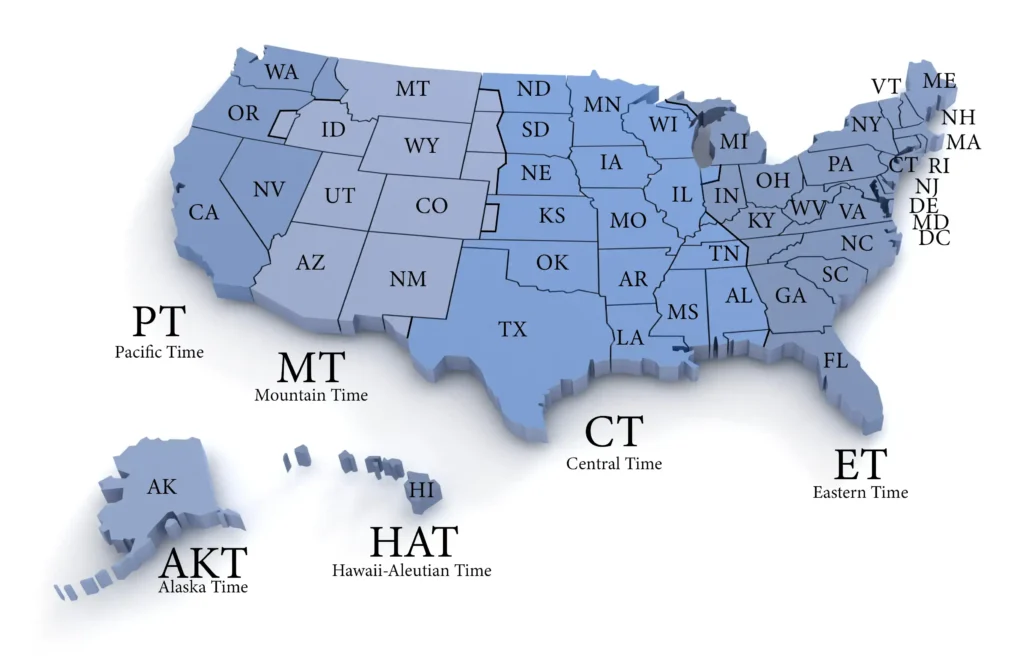
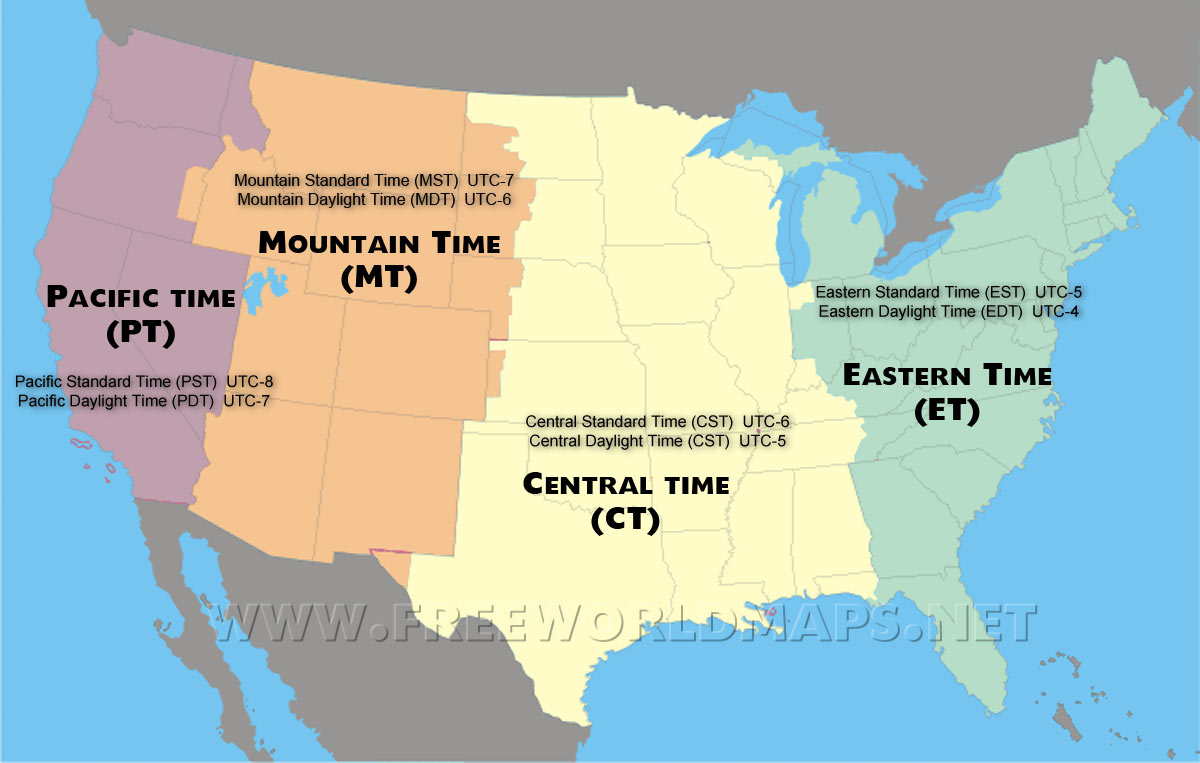
Central Standard Time (CST) is observed by a large segment of the central United States, running from the Gulf Coast to the Great Lakes region. It is typically 6 hours behind Coordinated Universal Time (UTC-6). In contrast, Eastern Standard Time (EST) is 5 hours behind Coordinated Universal Time (UTC-5). This means that during standard time periods, Chicago is always one hour behind cities observing EST, such as New York City, Miami, or Washington D.C..
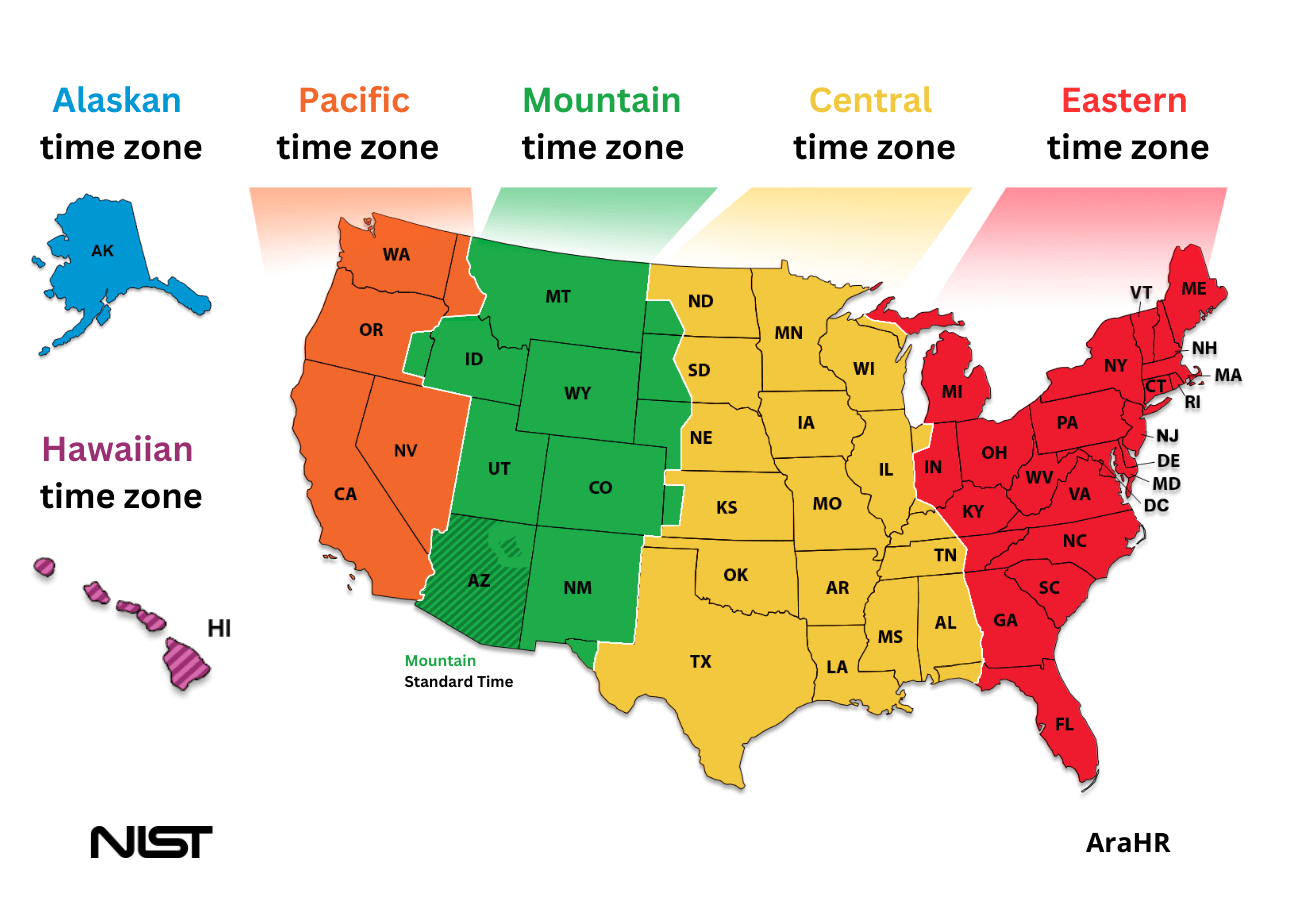
The geographical boundary between CST and EST generally follows a line that roughly runs north-south, with the Mississippi River serving as a significant, though not absolute, demarcation. States like Illinois, where Chicago is located, are entirely within the Central Time Zone. Other states in CST include Wisconsin, Minnesota, Iowa, Missouri, Arkansas, Louisiana, Mississippi, Oklahoma, and parts of Kansas, Nebraska, North Dakota, South Dakota, and Texas. This continental divide in time zones is a fundamental aspect of US geography that every traveler should be aware of.
Daylight Saving Time in the Windy City
To add another layer of complexity, most of the United States observes Daylight Saving Time (DST). This annual adjustment occurs on the second Sunday in March, when clocks “spring forward” one hour, and ends on the first Sunday in November, when they “fall back” one hour. During DST, Central Standard Time becomes Central Daylight Time (CDT), aligning at UTC-5. This means that during DST, Chicago will still be one hour behind cities observing Eastern Daylight Time (EDT), which shifts to UTC-4.
Therefore, whether it’s standard time or Daylight Saving Time, the one-hour difference between Chicago and the East Coast remains constant. However, understanding the shift is vital for planning travel during these transitional periods, especially if your itinerary involves specific bookings or communications that span the time change dates. Modern smartphones and computers automatically adjust for DST, but it’s always wise to double-check, particularly for crucial reservations.
Why Understanding Chicago’s Time Zone Matters for Travelers
For any globetrotter or domestic explorer, mastering the local time zone is a cornerstone of effective travel planning. In Chicago’s case, being aware of its CST designation can be the difference between a smooth, enjoyable trip and a series of missed connections or appointments.
Planning Your Chicago Itinerary: Flights, Tours, and Dining
The practical implications of Chicago being in CST are extensive. When booking flights, especially those originating from or connecting through the East Coast, you must account for the one-hour difference. An 8 AM flight departure from New York might land in Chicago at 9 AM local time (plus flight duration), not 10 AM, due to the time zone shift. This affects transfer times at major hubs like O’Hare International Airport or Midway International Airport, and your eventual arrival at your accommodation.
Beyond logistics, your meticulously planned Chicago itinerary hinges on accurate time zone awareness. Imagine booking an architectural boat tour on the Chicago River for 10 AM, only to show up an hour late because your internal clock is still on EST. The same applies to coveted reservations at Chicago’s world-class restaurants, tickets for a Broadway in Chicago show, or timed entry to popular attractions like Skydeck Chicago at the Willis Tower or the Art Institute of Chicago. Even coordinating with local guides or meeting friends can become complicated if time zones are overlooked. This awareness is a cornerstone of responsible tourism and ensures you maximize every moment of your travel experience.
Battling Jet Lag and Maximizing Your Experience
While a one-hour time difference might seem minor compared to international travel, it can still contribute to mild jet lag, especially for those highly sensitive to schedule changes or coming from Pacific Standard Time. Adjusting your sleep schedule a day or two before your trip can help. Upon arrival, try to immerse yourself in the local time right away: eat meals at local times, expose yourself to natural light during the day, and minimize napping.
By consciously acknowledging and adapting to Chicago’s CST, you can optimize your energy levels, reduce fatigue, and be fully present to enjoy the city’s myriad offerings. This focus on well-being is an essential aspect of a fulfilling lifestyle when on the road, ensuring you’re ready to explore Chicago’s destinations and attractions without feeling constantly out of sync.
Exploring Chicago: A City Beyond Its Time Zone
Once you’ve wrapped your head around the clock, you can fully turn your attention to the extraordinary experiences that await in Chicago. The city is a treasure trove of culture, architecture, and culinary delights, making it a premier travel destination for all types of travelers.
Iconic Landmarks and Must-See Attractions
Chicago boasts a skyline that is instantly recognizable and a collection of landmarks that capture the essence of American innovation and artistry. A visit to Millennium Park is almost mandatory, home to the iconic Cloud Gate, affectionately known as “The Bean,” and the stunning Crown Fountain. Just a short stroll away, the Art Institute of Chicago houses a world-renowned collection of impressionist and post-impressionist art, along with an expansive array of other artistic masterpieces.
For breathtaking panoramic views, head to Skydeck Chicago in the Willis Tower (formerly the Sears Tower) for a thrilling experience on The Ledge, a glass balcony extending four feet outside the building. Alternatively, the 360 Chicago Observation Deck at the historic John Hancock Center offers spectacular vistas of Lake Michigan and the city. Don’t miss Navy Pier, a lively waterfront destination offering entertainment, dining, and the iconic Centennial Wheel. The Museum Campus is another highlight, encompassing the Field Museum (natural history), the Shedd Aquarium (aquatic life), and the Adler Planetarium (astronomy). For shopping enthusiasts, the Magnificent Mile along Michigan Avenue offers an unparalleled retail therapy experience.
Accommodation Choices: From Luxury to Budget Stays
Chicago’s hospitality scene is as diverse as its attractions, offering an incredible range of accommodation options to suit every budget and lifestyle. For those seeking luxury travel, the city is home to opulent hotels like The Langham Chicago, known for its elegant design and river views, or the Peninsula Chicago and Four Seasons Hotel Chicago, both epitomizing five-star service on the Magnificent Mile.
Mid-range options are plentiful and offer excellent value, such as the expansive Hyatt Regency Chicago or the historic Hilton Chicago. Boutique hotels like Hotel Zachary in Wrigleyville offer unique character and local charm. For budget travel or long-term stays, there are numerous affordable hotels, hostels, and apartment rentals available across different neighborhoods. Whether you’re planning a family trip, a business stay, or a romantic getaway, Chicago’s selection of suites, resorts, and villas ensures a comfortable and convenient base for your explorations. Online booking platforms, reviews, and comparison tools make finding the perfect place easy.
Culinary Delights and Local Experiences
Chicago’s reputation as a culinary powerhouse precedes it. No visit is complete without indulging in its iconic deep-dish pizza from establishments like Lou Malnati’s, Giordano’s, or Pequod’s Pizza. Another quintessential Chicago experience is savoring a Chicago-style hot dog, “dragged through the garden” with its distinctive toppings. Beyond these famous staples, the city’s dining scene is incredibly diverse, from Michelin-starred restaurants in West Loop and River North to ethnic eateries in neighborhoods like Pilsen and Chinatown.
The tourism experience in Chicago extends to its vibrant arts and music scene. Catch a live blues performance in legendary blues clubs, explore the improvisational comedy roots at The Second City, or time your visit with one of the city’s many festivals, such as Lollapalooza or Taste of Chicago. Sports enthusiasts can catch a Chicago Cubs game at historic Wrigley Field, cheer on the Chicago Bears at Soldier Field, or watch the Chicago Bulls at the United Center. These local culture and activity tips are crucial for creating a truly authentic and memorable visit.
Navigating Time Across the United States
Understanding Chicago’s time zone is a great starting point for comprehending the broader time zone landscape of the United States. This knowledge is indispensable for anyone planning extensive travel across the country.
A Quick Guide to US Time Zones
The contiguous United States is divided into four primary time zones:
- Eastern Time (ET): UTC-5 (EST) / UTC-4 (EDT). This zone covers the East Coast and states generally bordering the Atlantic Ocean.
- Central Time (CT): UTC-6 (CST) / UTC-5 (CDT). This is Chicago’s zone, covering the central plains and Midwest.
- Mountain Time (MT): UTC-7 (MST) / UTC-6 (MDT). This zone covers the Rocky Mountain states.
- Pacific Time (PT): UTC-8 (PST) / UTC-7 (PDT). This zone covers the West Coast states.
Moving westward across these zones, each zone is one hour behind the one immediately to its east. Beyond the contiguous US, Alaska observes Alaska Standard Time (AKST) (UTC-9), and Hawaii observes Hawaii Standard Time (HST) (UTC-10), neither of which observes Daylight Saving Time. Keeping this overall framework in mind is incredibly beneficial for cross-country journeys and communicating with contacts in different regions.
Time Zone Tools and Travel Tips
In the digital age, managing time zones is easier than ever. Your smartphone automatically adjusts to the local time zone when you arrive, provided location services are enabled. However, it’s always a good idea to have a world clock app or widget that displays multiple time zones simultaneously, especially if you’re coordinating with people in different parts of the country or world. Before any critical booking or appointment, always confirm the local time. When communicating with hotels, tour operators, or personal contacts, explicitly mentioning the time zone (e.g., “10 AM CST”) can prevent misunderstandings.
For those planning complex itineraries, consider building in buffer times, especially for connecting flights or long drives across time zone boundaries. Remember to factor in not just the time difference but also the psychological adjustment required. Staying hydrated, maintaining a regular sleep schedule as much as possible, and planning light activities for your first day can help ease the transition. These simple travel tips ensure that time zone changes enhance, rather than hinder, your adventure.
In conclusion, while the question “Is Chicago Eastern Standard Time?” is often posed, the answer firmly places the city in Central Standard Time. This distinction is more than just a geographical detail; it’s a vital piece of information for any traveler planning to explore this magnificent city. By understanding and accounting for Chicago’s time zone, you pave the way for a seamlessly organized trip, allowing you to fully immerse yourself in its rich history, stunning architecture, delectable cuisine, and vibrant cultural experiences. So, set your watch to CST, and prepare to discover all the wonders the Windy City has to offer!
LifeOutOfTheBox is a participant in the Amazon Services LLC Associates Program, an affiliate advertising program designed to provide a means for sites to earn advertising fees by advertising and linking to Amazon.com. Amazon, the Amazon logo, AmazonSupply, and the AmazonSupply logo are trademarks of Amazon.com, Inc. or its affiliates. As an Amazon Associate we earn affiliate commissions from qualifying purchases.