
California, a land of unparalleled beauty, from its sun-drenched beaches along the Pacific Ocean to the majestic peaks of the Sierra Nevada Mountains and the vibrant energy of cities like Los Angeles and San Francisco, has long been a dream destination for travelers worldwide. Its diverse landscapes offer everything from world-class wine country experiences to thrilling outdoor activities in its iconic national parks. However, for prospective visitors and even long-term residents, a critical question often arises, especially when planning a trip focused on nature or specific regions: “When did the fires start in California?” This question, while seemingly straightforward, unravels a complex narrative deeply intertwined with the state’s natural environment, changing climate patterns, and the significant implications for travel, tourism, and local lifestyle.
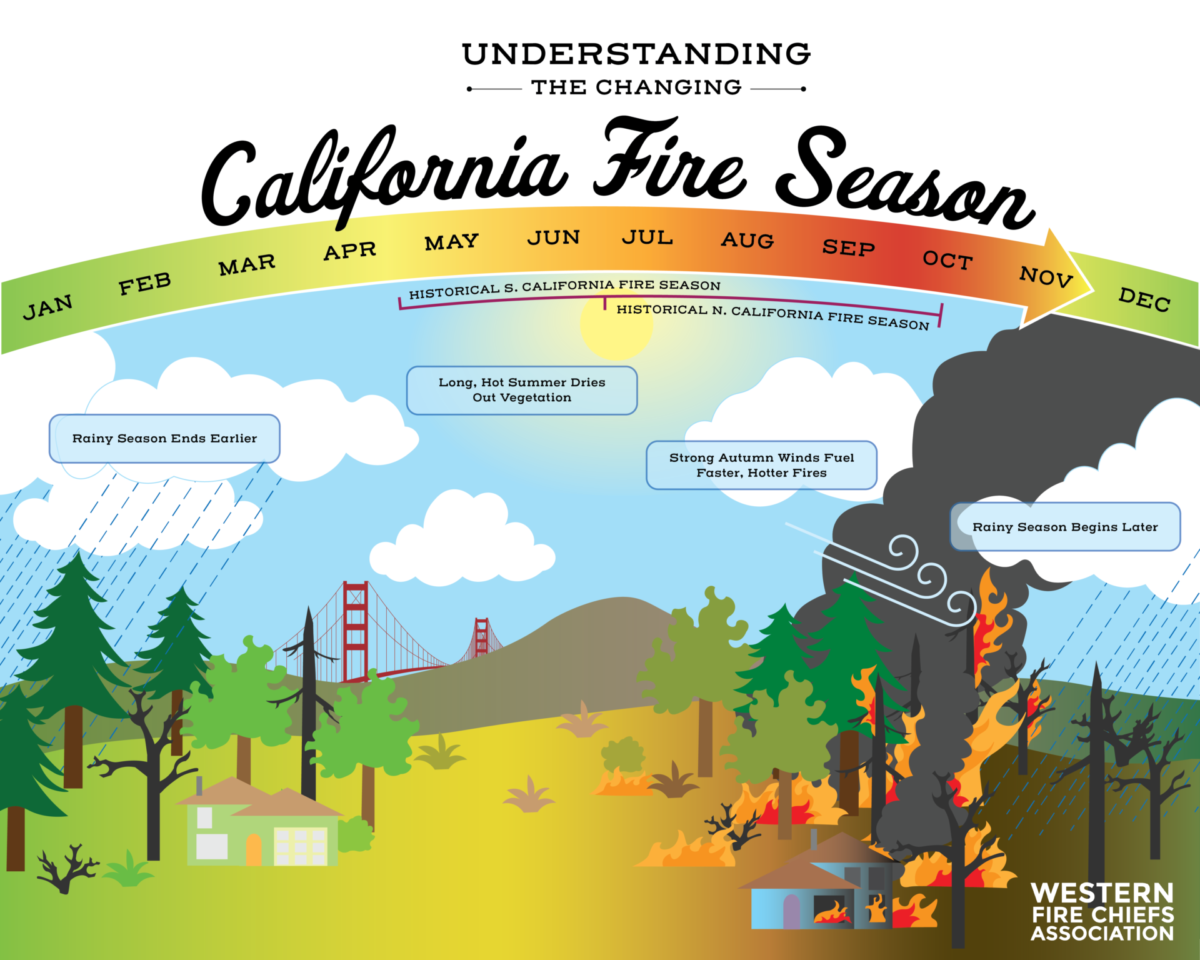
Historically, California’s wildfire season has been a predictable, albeit challenging, annual occurrence, typically commencing in late spring or early summer and intensifying through late autumn. This pattern is driven by a combination of factors: dry vegetation accumulated over the spring, rising summer temperatures, and strong, dry winds, most famously the Santa Ana winds in Southern California and Diablo winds in the north. These conditions create an environment where a spark can quickly escalate into a devastating blaze. However, the last two decades have witnessed a profound shift, transforming this seasonal rhythm into an almost year-round threat, altering how we perceive and plan our adventures in the Golden State.
Understanding the timing and dynamics of these fires is paramount for anyone considering accommodation options, exploring landmarks, or simply enjoying the state’s natural attractions. This article delves into the historical context of California’s fire seasons, examines the impact of climate change on their early onset, and provides practical insights for travelers planning to visit this incredible part of the world, ensuring a safer and more informed journey.
The Evolving Rhythm of Wildfires and Their Early Onset
The query “When did the fires start in California?” is not about a single origin point, but rather an exploration of evolving seasonal patterns and the increasing frequency of early-season incidents. Traditionally, the heart of California’s fire season runs from June to November. During this period, the landscape, parched by months of drought and heat, becomes highly susceptible to ignition. However, the narrative has undeniably shifted.
A Shift in Climate: Lengthening Fire Seasons and Early Incidents
In recent years, the start of California’s wildfire season has crept earlier into the calendar, blurring the lines between seasons and creating what many now describe as a “fire year” rather than just a “fire season.” This phenomenon is largely attributable to climate change, leading to warmer temperatures, reduced snowpack, and prolonged droughts that prime the landscape for burning much sooner.
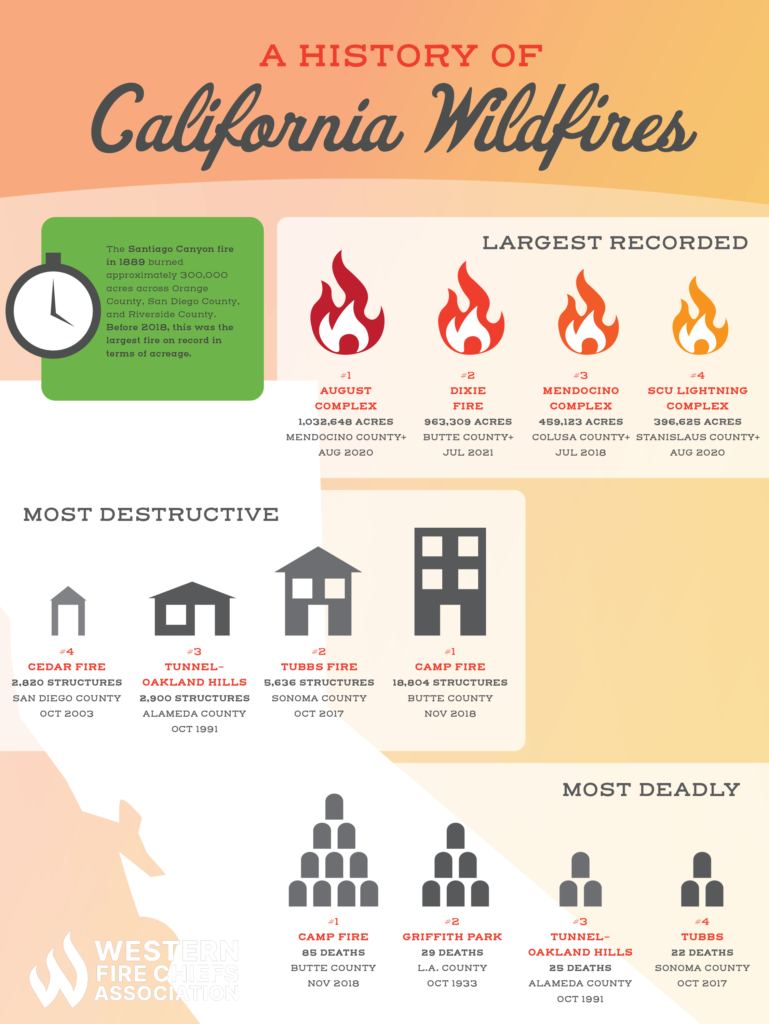
We now frequently observe significant wildfires igniting as early as March or April, months before the historical peak. For instance, the year 2018 saw the Mendocino Complex Fire become the largest in state history at the time, but even before that, earlier fires were already active. The Thomas Fire in December 2017, for example, extended the season well into what was traditionally considered the “off-season,” demonstrating the new reality. Similarly, in 2020, major fires like the LNU Lightning Complex and SCU Lightning Complex erupted in August, earlier than the peak of many historical fire seasons, following an intense heatwave and rare lightning storms. The Dixie Fire in 2021, which became the second-largest single fire in California history, also gained significant traction in July and August.
These early starts are often fueled by dry grass from minimal spring rains and exacerbated by persistent drought conditions. This extended period of vulnerability means that the window for outdoor activities like hiking and camping in areas like Yosemite National Park or Sequoia National Park is shrinking, and travelers must exercise heightened vigilance even outside the traditional summer months. The increased frequency and intensity of these early-season events underscore a critical shift in California’s ecological calendar, requiring a dynamic approach to travel planning. For those planning family trips or adventurous budget travel, being aware of these new timelines is more crucial than ever.
Navigating Travel in California During Fire Season
Given the earlier and prolonged wildfire activity, planning a trip to California requires a thoughtful approach, particularly if your itinerary includes natural parks, forests, or rural areas. The good news is that with proper preparation and flexibility, the Golden State remains an incredible place to visit.
Protecting Your California Adventure: Planning and Preparedness
The first step in safeguarding your California adventure is to stay informed. Before and during your trip, regularly check official sources for fire updates and air quality reports. Websites from CAL FIRE, the National Park Service, and the U.S. Forest Service provide real-time information on active fires, closures, and evacuation orders. Local news outlets for your specific destinations, such as those in Sacramento or Fresno, can also offer hyper-local tips and guidance.
Consider subscribing to emergency alert systems for the counties you plan to visit. While fires can be unpredictable, knowing the current situation for areas like Lake Tahoe or Big Sur, which are frequently impacted by either fires themselves or their smoke, is essential. Flexibility in your itinerary is also a major asset. Having alternative routes or backup plans, especially for outdoor activities, can prevent disappointment and ensure safety. This might mean swapping a strenuous hike for a scenic drive along the coast, or exploring an urban attraction instead of a forest trail.
Choosing Resilient Destinations and Accommodation
When selecting where to stay and what to do, prioritize areas that offer a degree of resilience to wildfire impacts. Coastal cities and regions, for example, tend to be less directly threatened by wildfires due to their proximity to the Pacific Ocean and often cooler, moister air. Destinations like San Diego, Santa Barbara, and the entire Bay Area, including Oakland, offer a wealth of attractions, cultural experiences, and food options that are generally less susceptible to direct fire threats, although smoke from inland fires can still affect air quality.
For accommodation, opt for hotels, resorts, or apartments with robust cancellation policies. Many major hotel chains and boutique resorts in California are accustomed to navigating wildfire season and often have clear policies regarding changes or cancellations due to natural disasters. It’s wise to review these policies during the booking process. When looking at reviews and comparison sites, consider comments related to air conditioning systems (especially those with good filtration) and the availability of indoor amenities that can be enjoyed if outdoor plans are disrupted. Some villas and luxury hotels even offer enhanced air purification systems.
Urban centers are often a safe bet, providing a plethora of indoor attractions like museums, theaters, and dining experiences that remain unaffected by nearby wildfires. Even during periods of poor air quality, these cities offer plenty of options for local culture and enjoyment. Remember, California is vast, and a fire in one region does not mean the entire state is inaccessible or unsafe.
The Broader Tourism & Lifestyle Implications
The increasing frequency and intensity of California wildfires extend far beyond the immediate threat, casting a long shadow over tourism patterns, outdoor lifestyles, and the overall travel economy. Understanding these broader implications helps travelers make more informed and responsible choices.
Beyond the Flames: Air Quality and Outdoor Activities
One of the most widespread impacts of wildfires, even for those not directly in the path of the flames, is the degradation of air quality due to smoke. Smoke plumes can travel hundreds of miles, affecting metropolitan areas and popular landmarks far from the fire’s origin. This can lead to health concerns, especially for vulnerable populations, and significantly dampen the enjoyment of outdoor activities. Imagine planning a scenic drive along Highway 1 or a hike in Joshua Tree National Park, only to find the views obscured and the air difficult to breathe.
During periods of poor air quality, many national parks and recreational areas may issue advisories or even close specific sections. For instance, sections of Kings Canyon National Park or Redwood National Park might close temporarily to protect visitors and allow emergency services to operate. This necessitates a shift in focus for travelers: instead of purely outdoor itineraries, consider integrating more indoor attractions. Cities like San Francisco offer world-class museums, historic sites like Alcatraz Island, and architectural marvels like the Golden Gate Bridge which can be appreciated from various vantage points, even if the air is hazy. Similarly, Los Angeles boasts a plethora of indoor entertainment and cultural centers that make for excellent alternatives to outdoor pursuits near the Hollywood Sign or Griffith Observatory when air quality is an issue. Palm Springs offers a unique desert escape with plenty of indoor mid-century modern architecture to admire.
Supporting Communities and Responsible Travel
The economic repercussions of wildfires are severe, particularly for small towns and communities that rely heavily on tourism. When fires devastate an area, or even just threaten it, visitation plummets, impacting local businesses, hotels, and restaurants. Travelers can play a crucial role in the recovery process by supporting these communities once it is safe to do so. Post-fire tourism, when managed responsibly, can provide a vital injection of funds, helping residents rebuild and recover. This form of responsible travel involves careful planning, adhering to local guides and advisories, and demonstrating sensitivity to the affected areas.
Furthermore, responsible travel during fire season means being an active participant in fire prevention. This includes strict adherence to campfire regulations, careful disposal of smoking materials, ensuring vehicle maintenance to prevent sparks, and staying on designated trails. Educating oneself about local fire safety ordinances is a small but significant contribution to protecting California’s fragile ecosystems and the communities nestled within them. Long-term stay visitors or those on business stays also have a role to play in adopting these proactive measures. By choosing to visit and explore California thoughtfully, travelers can continue to enjoy its magnificent offerings while contributing positively to its resilience against wildfires.
The question “When did the fires start in California?” has evolved from merely seeking a seasonal answer to acknowledging a new, complex reality. What was once a summer-to-fall phenomenon now extends across much of the year, with significant blazes igniting as early as spring. This shift, driven by climate change and prolonged droughts, demands a more dynamic and informed approach from travelers.
Despite these challenges, California remains an extraordinary destination, offering an unparalleled array of attractions, experiences, and cultural richness. By staying informed through reliable sources, adopting flexible travel plans, opting for resilient destinations and accommodation with favorable booking policies, and practicing responsible tourism habits, visitors can continue to explore the Golden State safely and respectfully. California’s beauty endures, and with mindful planning, your journey through its stunning landscapes can be as enriching and memorable as ever, even in the face of its evolving wildfire narrative.
LifeOutOfTheBox is a participant in the Amazon Services LLC Associates Program, an affiliate advertising program designed to provide a means for sites to earn advertising fees by advertising and linking to Amazon.com. Amazon, the Amazon logo, AmazonSupply, and the AmazonSupply logo are trademarks of Amazon.com, Inc. or its affiliates. As an Amazon Associate we earn affiliate commissions from qualifying purchases.