
Understanding time zones is a fundamental aspect of planning any trip, especially when venturing into a vast country like the United States. For travelers, businesses, and even residents, knowing the precise time in a city like Chicago can significantly impact itineraries, meeting schedules, and communication. The question of whether Chicago observes the Eastern Time Zone is a common one, and the answer lies in understanding the country’s intricate timekeeping system and Chicago’s geographical placement within it.
Navigating the North American Time Zones
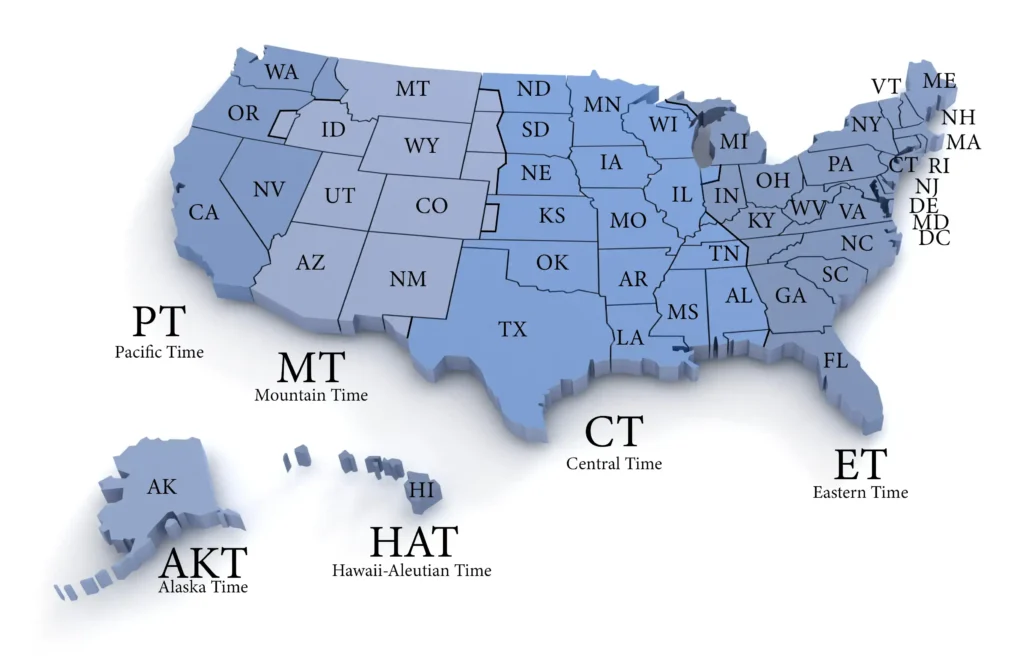
The North American continent is divided into several distinct time zones, each observing a specific standard time. These zones were established to standardize time across vast distances, facilitating commerce, transportation, and communication. The primary zones, moving from east to west, are: Eastern Standard Time (EST), Central Standard Time (CST), Mountain Standard Time (MST), and Pacific Standard Time (PST). During daylight saving months, these are often referred to as Eastern Daylight Time (EDT), Central Daylight Time (CDT), Mountain Daylight Time (MDT), and Pacific Daylight Time (PDT).
The Significance of Geographic Location
The determination of which time zone a city or region falls into is primarily based on its geographical longitude. As the Earth rotates, different longitudes experience sunrise and sunset at different times. Time zones are established to create relatively uniform daylight hours within each zone, ensuring that noon generally corresponds to the sun’s highest point in the sky. The boundaries between these zones are not always perfectly straight lines; they often follow state or county lines to simplify administration and public understanding.
Chicago’s Time Zone: A Central Affair
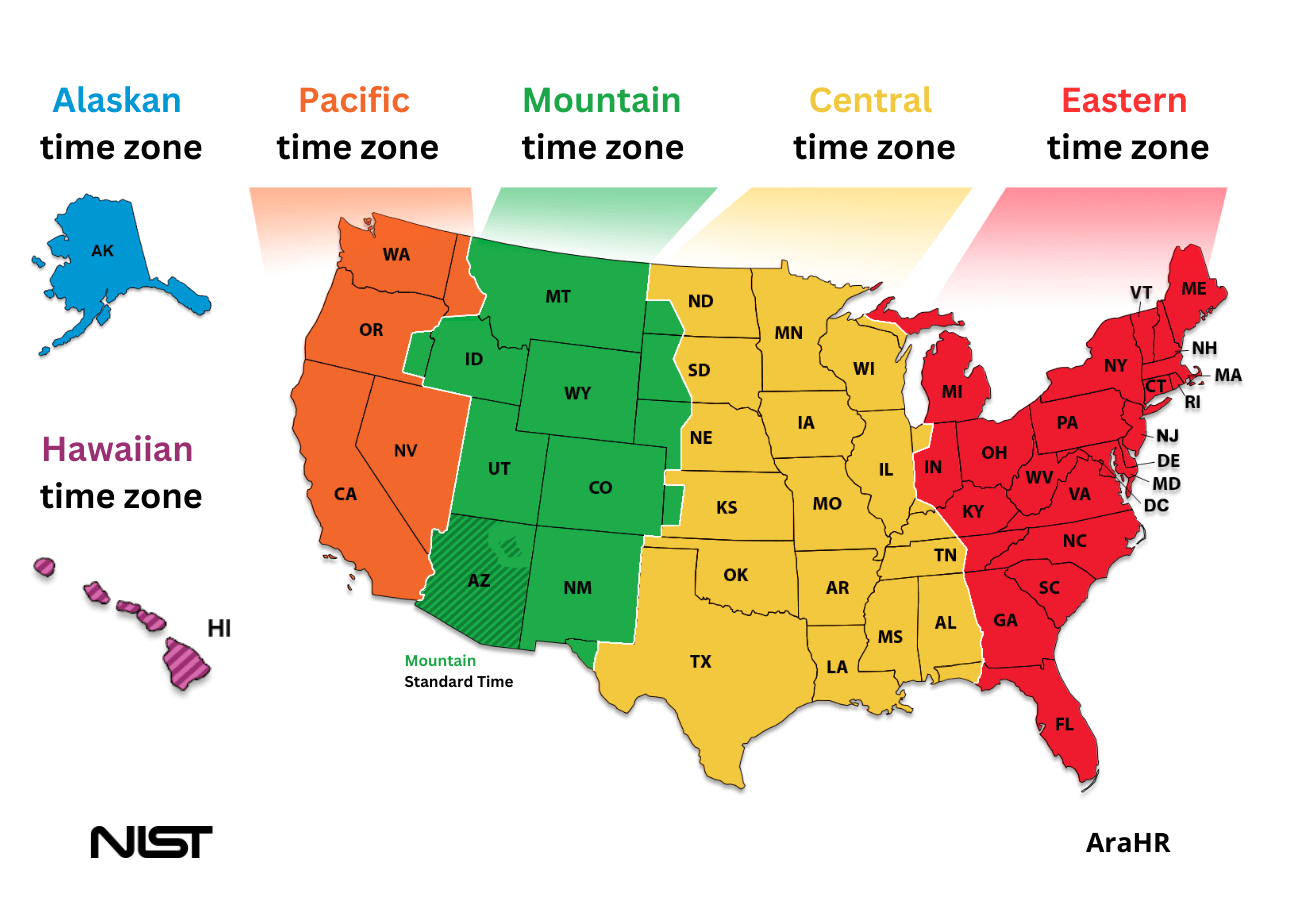
The direct answer to the question, “Is Chicago in the Eastern Time Zone?” is no. Chicago, the bustling metropolis of Illinois, is firmly situated within the Central Time Zone (CT). This means that Chicago is one hour behind the Eastern Time Zone. When it is 12:00 PM EST in New York City, it is 11:00 AM CST in Chicago.
Understanding the Central Time Zone
The Central Time Zone (CT) encompasses a significant portion of the central United States, stretching from the Great Lakes down to the Gulf of Mexico. Its boundaries include states like Texas, Missouri, Iowa, and the entirety of Illinois. During the warmer months, the Central Time Zone observes Central Daylight Time (CDT), which is UTC-5, while Eastern Time observes EDT (UTC-4). In standard time, both zones observe CST (UTC-6) and EST (UTC-5) respectively.
Implications for Travelers and Business
For travelers planning a visit to Chicago, understanding this time difference is crucial. If you are flying from an Eastern Time Zone city, remember to adjust your watch back one hour upon arrival. This is particularly important for catching flights, making reservations, and scheduling activities. For business professionals, coordinating meetings with colleagues or clients in different time zones requires careful attention to avoid misunderstandings. For instance, a conference call scheduled for 2:00 PM EST would need to be confirmed as 1:00 PM CST for participants in Chicago.
The Dynamic Nature of Time Zones
While time zone boundaries are generally stable, there have been instances and discussions about shifting them. These discussions are often driven by economic considerations, with some regions advocating for a shift to align with neighboring, more economically integrated zones. However, Chicago has consistently remained within the Central Time Zone, a designation that reflects its geographical reality and its historical alignment with neighboring Midwestern states.
The Role of Daylight Saving Time
It is also important to note the impact of Daylight Saving Time (DST) on the effective time in Chicago. Like most of the United States, Illinois observes DST. This means that during the spring, summer, and early fall months, Chicago switches from Central Standard Time (CST) to Central Daylight Time (CDT). This effectively moves the clock forward by one hour, further emphasizing the one-hour difference between Chicago and the Eastern Time Zone during these periods. The standard dates for the start and end of DST are the second Sunday in March and the first Sunday in November, respectively.
Beyond Chicago: Exploring Neighboring Time Zones
While Chicago resides in the Central Time Zone, its proximity to the Eastern Time Zone means that many travelers might find themselves transitioning between the two. For example, a drive eastward from Chicago into parts of Indiana that observe Eastern Time means a one-hour jump forward. This highlights the contiguous nature of these time zones and the need for awareness when crossing state lines or even moving within a state that has historically had some counties in a different time zone. The state of Indiana, for instance, has had a complex history with time zones, with some counties observing Eastern Time and others Central Time before a statewide alignment towards Eastern Time.
Practical Considerations for Your Chicago Visit
When planning your trip to Chicago, whether for leisure or business, always double-check the local time. This simple yet crucial step can prevent many potential inconveniences.
Planning Your Itinerary
If you are booking tours, museum visits, or restaurant reservations, ensure that you are using Chicago time. Websites and booking platforms usually specify the local time, but it’s wise to confirm. For example, if you have a reservation at a popular Chicago restaurant like Alinea, confirm the reservation time in CST/CDT. Similarly, if you plan to catch a show at the Chicago Theatre, be mindful of the show’s start time in the local time zone.
Business and Communication
For business travelers, staying on top of time zone differences is paramount. If you have a meeting with a team based in New York or Atlanta, remember the one-hour difference. Utilizing scheduling tools that automatically convert times can be a lifesaver. When communicating via email or phone, it’s good practice to mention the time zone to avoid confusion. For instance, “Let’s schedule our call for 3:00 PM CST on Tuesday.”

The Enduring Centrality of Chicago’s Time Zone
In conclusion, Chicago is unequivocally located in the Central Time Zone (CT). This designation is a fundamental aspect of the city’s identity and plays a role in how it interacts with the rest of the nation and the world. Understanding this distinction is not just a matter of trivia; it’s a practical necessity for anyone engaging with Chicago, whether for a brief visit to see iconic landmarks like the Willis Tower or for longer-term business engagements. By keeping this simple fact in mind, your experience with the vibrant city of Chicago will be smoother, more organized, and ultimately, more enjoyable.
LifeOutOfTheBox is a participant in the Amazon Services LLC Associates Program, an affiliate advertising program designed to provide a means for sites to earn advertising fees by advertising and linking to Amazon.com. Amazon, the Amazon logo, AmazonSupply, and the AmazonSupply logo are trademarks of Amazon.com, Inc. or its affiliates. As an Amazon Associate we earn affiliate commissions from qualifying purchases.