
To embark on a culinary journey through the vibrant streets of Chicago is to discover a city rich in flavors, innovation, and deeply ingrained traditions. While many might first think of deep-dish pizza when considering Chicago’s iconic foods, it is the humble yet magnificent Chicago-style hot dog that truly captures the spirit, history, and unique character of the Windy City. More than just a meal, it’s an institution, a local legend, and an absolute must-try experience for any traveler exploring this remarkable destination in the United States.
The Chicago Dog isn’t merely a hot dog with toppings; it’s a meticulously crafted symphony of tastes and textures, a “salad on a bun” as some locals affectionately call it. It adheres to a strict set of rules, an unwritten culinary law that dictates every ingredient, ensuring a perfect balance of savory, sweet, spicy, and tangy in every bite. For those planning a trip, understanding what goes into this beloved dish is key to appreciating its cultural significance and experiencing Chicago like a local. Whether you’re a budget traveler seeking authentic street food or a luxury traveler indulging in local delicacies, the Chicago Dog offers an accessible and delicious entry point into the city’s unique lifestyle and food scene.

The Anatomy of a True Chicago Dog: The Seven Key Ingredients
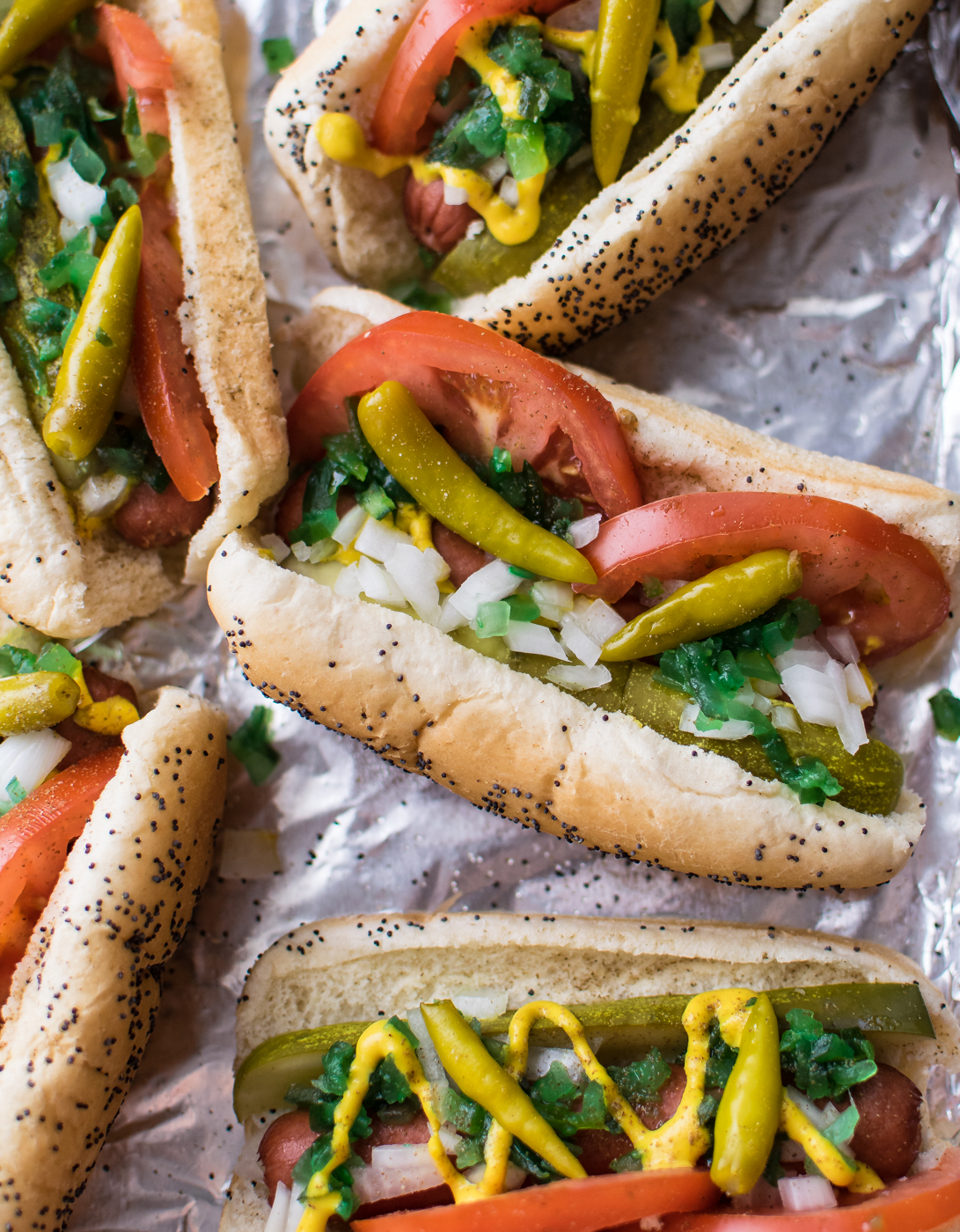
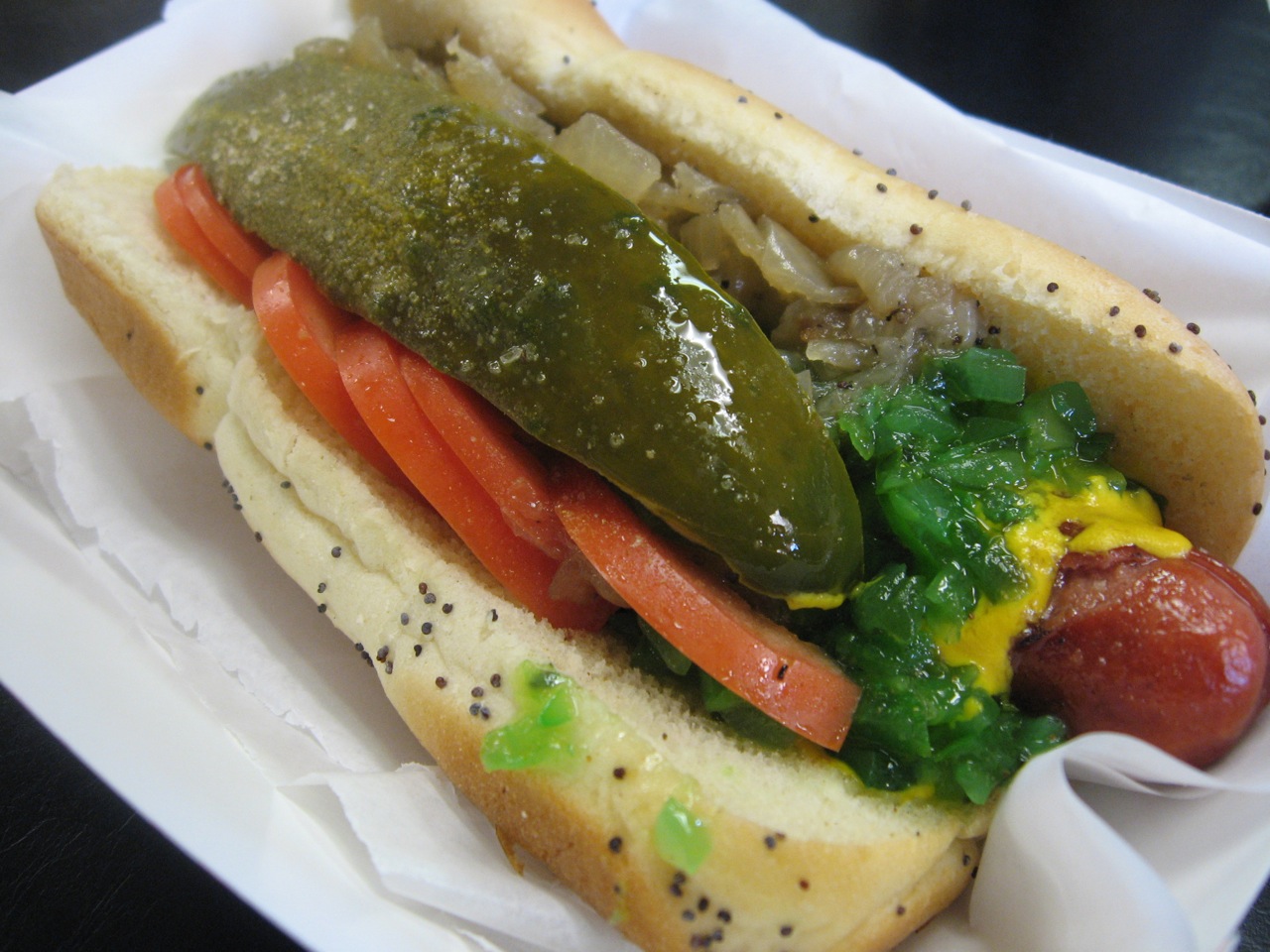
The magic of the Chicago Dog lies in its precise combination of ingredients, each playing a crucial role in creating its distinctive flavor profile. Deviate from this sacred seven (plus the bun and frank), and you risk the ire of purists and, more importantly, missing out on an unparalleled taste sensation. When considering your travel itinerary, make sure to carve out time to seek out an authentic rendition, perhaps after visiting a major landmark or before heading back to your chosen accommodation.
The Foundation: Poppy Seed Bun and All-Beef Frank
It all begins with the bun, which must be steamed to achieve a soft, warm, and slightly chewy texture. Crucially, it must be a poppy seed bun. The subtle, nutty crunch of the poppy seeds isn’t just for aesthetics; it adds another layer of texture that elevates the experience. This attention to detail, even in the bun, speaks volumes about the dedication to the craft.
Nestled within this steamed embrace is the heart of the operation: the all-beef frankfurter. This isn’t just any hot dog. It’s typically a high-quality, natural-casing frank, often from local purveyors like Vienna Beef, a staple in the Chicago hot dog world since 1893. The natural casing provides that satisfying “snap” when you bite into it, a characteristic highly prized by connoisseurs. The frank is usually simmered or steamed, never grilled, to maintain its juiciness and tender texture.
The Symphony of Toppings: The “Salad on a Bun”
Once the bun and frank are ready, the transformation begins with the toppings, applied in a specific order for optimal flavor distribution:
- Yellow Mustard: A generous zig-zag of classic yellow mustard is the first layer, providing a sharp, tangy contrast to the rich beef frank. It’s essential for that signature zing.
- Sweet Green Pickle Relish: This isn’t your average relish. The Chicago Dog demands a vibrant, neon-green relish, often dyed to achieve its iconic hue. Its sugary sweetness cuts through the mustard and frank, adding a playful, colorful pop.
- Chopped White Onions: Finely diced white onions contribute a crisp texture and a pungent, fresh bite that complements the other ingredients without overpowering them.
- Tomato Wedges: Two to three fresh tomato wedges are tucked along one side of the bun. These add a burst of juicy freshness and a subtle sweetness, balancing the more intense flavors.
- A Pickle Spear: A dill pickle spear, often nestled between the frank and the bun, provides a firm crunch and a refreshing, briny sourness that is absolutely vital to the overall profile.
- Sport Peppers: These small, pickled green chili peppers are the spicy kick that completes the ensemble. Typically two to three are placed on top, delivering a sharp, vinegary heat that lingers delightfully.
- A Dash of Celery Salt: The final flourish, a sprinkle of celery salt, ties all the flavors together, adding an earthy, herbaceous note and a hint of extra seasoning. It’s the secret ingredient that makes it truly sing.
The Cardinal Rule: No Ketchup Allowed!
Perhaps the most non-negotiable rule in the Chicago Dog universe is the absolute prohibition of ketchup. For many Chicagoans, putting ketchup on a hot dog is anathema, a culinary sin that signifies a lack of appreciation for the masterful balance of flavors already present. The dog is considered perfectly dressed; ketchup would merely mask the carefully curated symphony of tastes. Embracing this rule is part of embracing the local culture and truly experiencing Chicago like an insider.
A Bite into History: The Origins and Evolution of a Culinary Icon
The story of the Chicago Dog is deeply intertwined with the city’s rich immigrant history, its industrial prowess, and its enduring spirit of innovation. Understanding its origins adds another layer of appreciation for this beloved dish, making your gastronomic exploration part of a broader tourism experience.
German Immigrants and Early Street Food
The roots of the hot dog in Chicago can be traced back to the late 19th century with the arrival of German immigrants, who brought their tradition of frankfurters and sausages. These early vendors, often with pushcarts, sold their sausages in the burgeoning meatpacking district and at various public markets. The notion of serving a sausage in a bun caught on quickly, providing a convenient and affordable meal for the working class. This era laid the groundwork for the hot dog’s popularity, establishing it as a staple of street food culture.
The Rise of Hot Dog Stands and the Great Depression
The early 20th century saw the proliferation of dedicated hot dog stands across the city. Many of these were small, family-run operations, often open late to cater to theatergoers, factory workers, and those enjoying the city’s nightlife. The period of the Great Depression (1929-1939) played a significant role in solidifying the hot dog’s status. During these challenging economic times, a hot dog was an incredibly affordable and filling meal, often costing just a nickel or a dime. To make these inexpensive meals even more appealing and satisfying, vendors began adding an array of toppings, effectively turning a simple frankfurter into a substantial, vegetable-laden sandwich.
It was during this era that many of the signature Chicago Dog toppings began to emerge, evolving organically as vendors experimented with what was fresh, affordable, and appealing. The combination of sweet relish, tangy mustard, fresh tomatoes, crunchy onions, and spicy peppers became standardized, cementing the “garden on a bun” concept that defines it today. Establishments like Fluky’s, which opened in 1929, are often credited with popularizing the full ensemble, though the exact origin of the “perfected” Chicago Dog is a subject of friendly debate among food historians.
Where to Savor the Best: Iconic Stands and Hidden Gems
Part of the joy of experiencing a Chicago Dog is seeking out the perfect spot. The city is dotted with legendary hot dog stands, each with its own history, loyal following, and unique ambiance. Integrating a visit to one of these establishments into your travel plan is an essential part of exploring Chicago’s local culture and culinary scene.
Classic Institutions and Enduring Legacies
No discussion of Chicago Dogs is complete without mentioning the institutions that have perfected the craft over decades:
- Portillo’s: Arguably the most famous hot dog chain to originate in Chicago, Portillo’s began as a small hot dog stand in 1963. Today, it’s a sprawling empire known for its meticulously prepared Chicago Dogs, Italian beef sandwiches, and vibrant, nostalgic decor. A visit to Portillo’s is an experience in itself, offering efficient service and consistent quality. You’ll find locations throughout the city, making it a convenient stop whether you’re staying in The Loop or exploring neighborhoods like River North.
- Gene & Jude’s: Located just outside the city in River Grove, Gene & Jude’s is a no-frills, cash-only joint that has been serving hot dogs since 1946. Their philosophy is simple: perfectly prepared hot dogs (often served with a generous pile of hand-cut fries directly on top) and nothing else. It’s an authentic, old-school experience highly recommended for those seeking traditional perfection.
- Superdawg: A true drive-in classic established in 1948, Superdawg in Norwood Park is instantly recognizable by its giant, winking hot dog mascots, Maurie and Flaurie, on the rooftop. They serve their uniquely spiced all-beef dogs in charming boxes with crinkle-cut fries. It’s a nostalgic trip back in time and a quintessential Chicago experience for any visitor.
- Wiener’s Circle: Famous for its late-night, often raucous atmosphere and playful banter between staff and customers, Wiener’s Circle in Lincoln Park offers a different kind of Chicago Dog experience. While the dogs are excellent, the interaction is as much a part of the attraction. It’s a memorable stop for those looking for a lively local flavor after an evening out.
When planning your tourism activities, consider proximity. Many of these stands are situated in vibrant neighborhoods or near popular landmarks. A walk through Lincoln Park could lead to a hot dog at Wiener’s Circle, or a visit to a Chicago Cubs game at Wrigleyville could be perfectly capped off with a dog from a local spot nearby.
Beyond the Bun: The Chicago Dog Experience and Local Lifestyle
The Chicago Dog is more than just a meal; it’s a cultural touchstone, a symbol of civic pride, and an integral part of the Chicago lifestyle. For travelers, diving into this culinary tradition offers a rich understanding of the city and its people, regardless of their preferred travel style or accommodation choice.
A Culinary Landmark and Accessible Delicacy
The status of the Chicago Dog as a culinary landmark is undeniable. It’s a food that is proudly Chicagoan, deeply woven into the fabric of daily life and special occasions. You’ll find it at street festivals, sporting events (whether it’s a Chicago Cubs game at Wrigley Field or a Chicago White Sox match at Guaranteed Rate Field), and in countless local eateries. Its affordability makes it an incredibly democratic food, enjoyed by everyone from construction workers to city executives, embodying a sense of egalitarianism that defines much of Chicago’s charm.
For budget travelers, the Chicago Dog represents incredible value – a satisfying, flavorful meal that won’t break the bank. For luxury travelers, it offers an authentic local experience, a chance to step away from fine dining and savor a true taste of the city’s heart. It’s a culinary adventure that enhances any trip, providing a memorable and delicious story to share. Even for those on business stays, a quick and delicious Chicago Dog is a perfect way to grab a bite while experiencing the city’s unique flavor.
Integrating into Your Chicago Itinerary
When planning your visit to Chicago, consider how a hot dog stop can naturally fit into your sightseeing:
- Near Major Attractions: Many iconic hot dog stands are conveniently located near Chicago’s top attractions. After admiring the “Bean” (Cloud Gate) in Millennium Park or strolling along Michigan Avenue on the Magnificent Mile, a local hot dog stand could be just around the corner, offering a quick and satisfying lunch.
- Neighborhood Exploration: Use hot dog stands as anchor points for exploring diverse Chicago neighborhoods. Venture beyond The Loop to areas like Lincoln Park, Wicker Park, or Portage Park, discovering local life and hidden gems along the way. Each neighborhood often has its own beloved spot.
- Cultural Immersion: A hot dog stand, particularly a bustling one, provides a fascinating glimpse into local life. Observe the interactions, listen to the accents, and soak in the everyday rhythm of Chicago. It’s a form of tourism that goes beyond famous landmarks and delves into the authentic daily pulse of the city.
The Social Aspect and Shared Experience
Eating a Chicago Dog is often a social event. Whether you’re sharing a meal with family during a family trip, catching up with friends, or simply making conversation with a fellow patron at a busy counter, it fosters connection. This shared experience creates lasting memories and enriches your overall travel experience. It’s a simple pleasure that transcends age, background, and travel budget.
From the specific snap of the natural casing frank to the last savory-sweet-tangy-spicy bite, the Chicago Dog is a testament to the city’s culinary prowess and its rich cultural heritage. It’s a food experience that is both unique and universally appealing, much like Chicago itself – a city that welcomes all with open arms and, in this case, a perfectly dressed hot dog. So, on your next visit to Illinois, make sure to seek out this iconic dish. It’s more than just food; it’s a true taste of Chicago.
LifeOutOfTheBox is a participant in the Amazon Services LLC Associates Program, an affiliate advertising program designed to provide a means for sites to earn advertising fees by advertising and linking to Amazon.com. Amazon, the Amazon logo, AmazonSupply, and the AmazonSupply logo are trademarks of Amazon.com, Inc. or its affiliates. As an Amazon Associate we earn affiliate commissions from qualifying purchases.