
Navigating the complexities of unemployment can be a daunting experience, particularly when faced with the intricate application processes required to secure vital financial assistance. For individuals residing in or recently employed within Colorado, understanding the specific guidelines and procedures for applying for unemployment benefits is crucial. This comprehensive guide aims to demystify the process, offering a clear, step-by-step roadmap to successfully filing a claim with the Colorado Department of Labor and Employment (CDLE). We’ll delve into the essential eligibility requirements, meticulously outline the application journey, and prepare you for what to expect once your claim has been submitted. By arming yourself with this knowledge, you can approach this challenging period with greater confidence and efficiency, ensuring you receive the support you’re entitled to as you transition to new employment opportunities.
Understanding Unemployment Benefits in Colorado
Unemployment insurance is a critical safety net designed to provide temporary financial support to eligible workers who have lost their jobs through no fault of their own. In Colorado, this system is managed and overseen by the Colorado Department of Labor and Employment (CDLE), which sets the rules, determines eligibility, and processes claims. The benefits aim to alleviate immediate financial burdens, allowing individuals to focus on their job search without the added pressure of sudden income loss. Understanding the fundamental principles of these benefits, particularly who qualifies and why, is the first and most vital step in the application journey.
Who is Eligible? Navigating Monetary and Non-Monetary Requirements
To qualify for unemployment benefits in Colorado, applicants must satisfy a dual set of criteria: monetary eligibility and non-monetary eligibility. These requirements are established to ensure that benefits are directed to those who genuinely need them and meet the program’s intended purpose.
Monetary Eligibility: Earnings and the Base Period
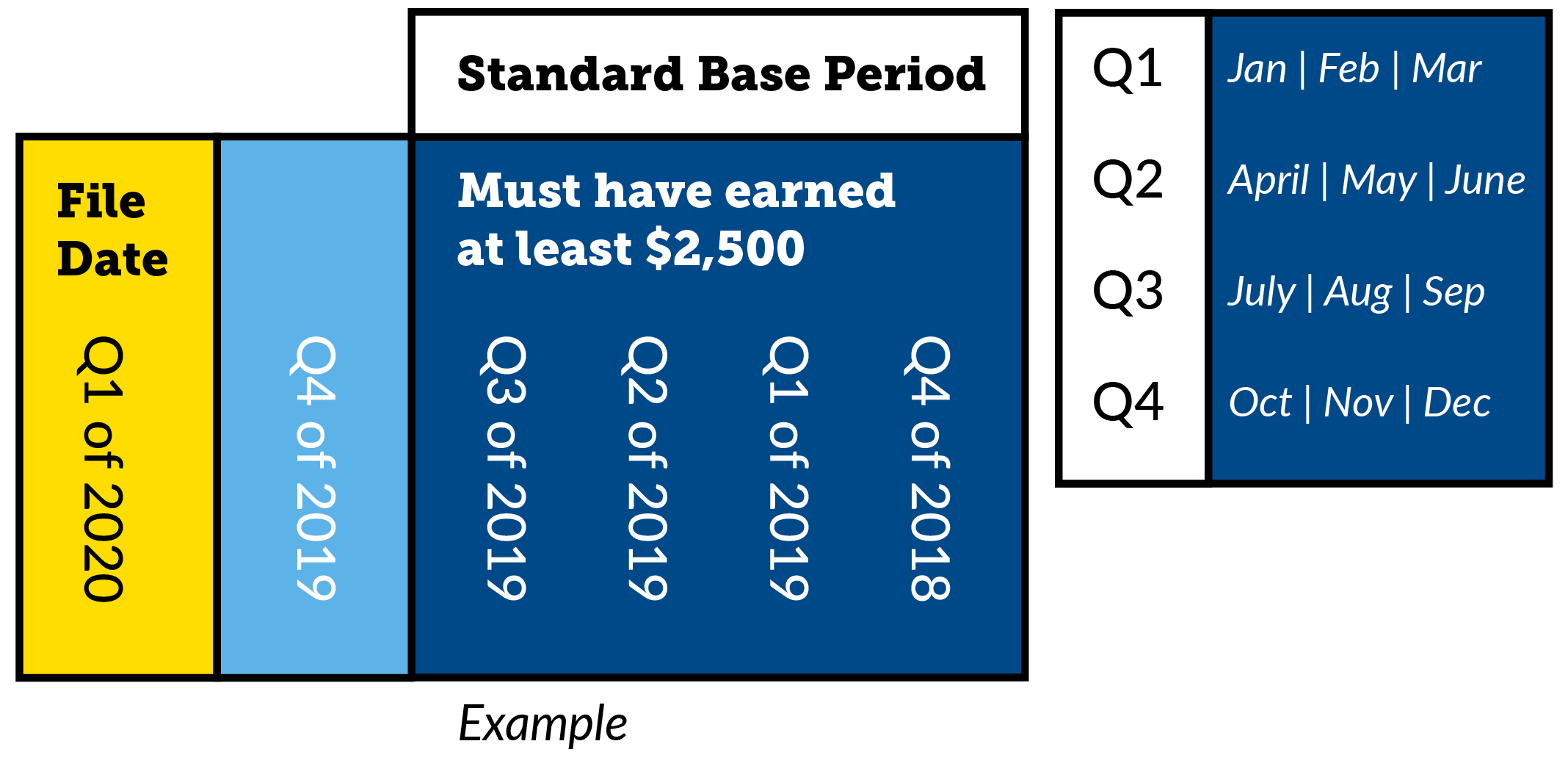
The monetary eligibility criteria primarily focus on your past earnings history. The CDLE assesses your wages earned during a specific timeframe known as the “base period.” Typically, the base period is defined as the first four of the last five completed calendar quarters preceding the date you filed your initial claim. For instance, if you file a claim in April, May, or June of a given year, your base period would generally cover the calendar year before that (e.g., January 1 to December 31 of the previous year).
During this base period, you must have earned a predetermined minimum amount in wages to be considered monetarily eligible. This threshold is subject to change annually; for example, in 2023, applicants needed to have earned at least $2,500 during their base period. The CDLE employs specific formulas to calculate your total qualifying wages and determine your potential weekly benefit amount. It’s crucial that all your employers accurately reported your wages to the state, as this data forms the basis of your monetary determination. If you suspect any discrepancies, you may need to provide pay stubs or other proof of earnings to the CDLE.
Reason for Separation: “No Fault of Your Own”
Beyond your earnings, the reason for your separation from your most recent employment is a critical factor in determining your eligibility. Generally, to qualify, you must be unemployed through no fault of your own. This principle guides the CDLE’s investigation into the circumstances of your job loss.
- Layoffs: If you were laid off due to factors beyond your control, such as a company downsizing, a reduction in force, the elimination of your position, or lack of available work, you are typically eligible for benefits. These situations clearly fall under the “no fault of your own” umbrella, as your job loss is attributed to employer business decisions rather than individual performance or conduct.
- Fired: The circumstances surrounding a dismissal are often more complex and require a thorough review by the CDLE. If you were fired for “gross misconduct,” which might include severe violations like theft, violence, or deliberate disregard for company policy resulting in significant harm, you are generally disqualified from receiving benefits. However, if your dismissal was for minor infractions, a single instance of poor judgment, or reasons that don’t constitute gross misconduct, you might still be eligible. The CDLE will investigate by gathering information from both you and your former employer to make a fair determination. Honesty and detailed explanations are paramount during this review.
- Quit: Voluntarily leaving your job generally disqualifies you from unemployment benefits, as you are considered to have initiated your unemployment. However, there are exceptions. If you quit for “good cause attributable to the employer,” you may still be eligible. Good cause is a high bar and typically involves situations where your employer’s actions (or inactions) left you with no reasonable alternative but to resign. Examples of good cause might include:
- Unsafe working conditions: If your employer failed to address verifiable health or safety hazards after being notified.
- Workplace harassment or discrimination: If you experienced harassment or discrimination based on protected characteristics (e.g., race, gender, religion) and the employer failed to take appropriate action to resolve it.
- Significant changes to terms of employment: If your employer substantially changed your job duties, hours, or pay without prior agreement, making it unreasonable to continue working.
- Medical necessity: In some cases, if a medical condition necessitates leaving work, and the employer could not accommodate it.
In any “quit” scenario, you will need to provide substantial evidence and a clear explanation to the CDLE to prove that your resignation was for good cause attributable to your employer.
Availability and Work Search: Actively Seeking Employment
To continue receiving benefits, you must demonstrate that you are able, available, and actively seeking new employment. This means:
- Able and Available: You must be physically and mentally capable of performing work and genuinely willing to accept suitable employment. If you are ill, injured, or have other commitments that prevent you from working full-time or accepting job offers, your eligibility could be impacted.
- Actively Seeking Work: The CDLE requires you to conduct a diligent work search each week. This typically involves applying for a specified number of jobs (e.g., three to five per week) and maintaining detailed records of your search activities. You must document the names of employers contacted, dates of contact, methods of contact (e.g., online application, in-person visit), and the results of your efforts. Failure to perform and document your work search can lead to a suspension or denial of benefits. The types of jobs you are expected to seek are generally those suitable for your skills, experience, and the local labor market conditions.
The Step-by-Step Application Journey for Colorado Unemployment
The application process for unemployment benefits in Colorado is primarily conducted online through the CDLE’s dedicated platform, MyUI+. While applying online offers convenience, it demands careful attention to detail and accuracy to avoid delays or potential denials. Here’s a detailed walkthrough of each stage.
Preparing Your Application: Essential Information Gathering
Before you even log into MyUI+, the most critical preparatory step is to gather all the necessary documentation and information. Having these details readily accessible will streamline the application process and help you avoid errors.
- Social Security Number (SSN): Your nine-digit SSN is fundamental for identification and linking your earnings history.
- Driver’s License or State ID Number: This serves as an additional form of identity verification.
- Employer Information for the Last 18 Months: You’ll need the full legal names and addresses of all employers you’ve worked for in the past 18 months, along with the precise start and end dates of each employment period. This information is crucial for the CDLE to verify your monetary eligibility and reason for separation.
- Reason for Separation: Be prepared to articulate clearly and concisely why you are no longer employed. If you were laid off, state that. If you were fired or quit, have a detailed explanation ready, supported by any relevant dates or documentation.
- Gross Earnings for Your Last Pay Period: You’ll need to report your total earnings before deductions for your final pay period, along with the date you received it.
- Banking Information for Direct Deposit: To ensure timely receipt of benefits, have your bank account number and routing number ready. Direct deposit is the most common and recommended method for receiving payments.
- Alien Registration Number and Expiration Date: If you are not a U.S. citizen, this information is required to verify your eligibility to work in the United States.
- Form DD-214 (Military Service Members): If you recently separated from military service, this document is essential.
- Standard Form 8 and Form SF-50 (Federal Employees): If you were a federal employee, these forms are necessary for your claim.
Thorough preparation at this stage cannot be overstated; missing or incorrect information is a leading cause of delays in claim processing.
Filing Your Claim Online Through MyUI+
The MyUI+ system is the primary portal for managing your unemployment claim in Colorado.
- Create a MyUI+ Account: If you don’t already have one, you’ll need to register. This involves setting up a unique username and a strong password. You will also go through an identity verification process, which might involve answering security questions based on your credit history or uploading identification documents. This step is critical to prevent fraud and protect your personal information.
- File Your Initial Claim: Once logged in, locate the option to “File a New Claim” or “File for Benefits.” The system will guide you through a series of questions, requesting the information you gathered in the preparation stage. These questions will cover your personal details, extensive employment history (including the reasons for separation from each employer), and current circumstances. It is imperative to answer every question truthfully and accurately. Any inconsistencies between your answers and information provided by your former employer could trigger an investigation and significantly delay your claim. Take your time, read each question carefully, and provide as much detail as requested.
- Confirm and Submit: Before final submission, the system will typically allow you to review all your entered information. Double-check for any typos or errors. Once satisfied, submit your claim. You should receive a confirmation number, which you should keep for your records.
Maintaining Your Claim: Weekly Requests and Active Participation
Filing your initial claim is only the first step. To continue receiving benefits, you must actively manage your claim on an ongoing basis.
- Request Weekly Payments: This is arguably the most crucial ongoing task. After your initial claim is filed, you must request payments each week you are unemployed and wish to receive benefits. This usually involves logging back into MyUI+ and answering questions about:
- Your availability for work during that specific week.
- Any earnings (even partial) you may have had from temporary work or other sources.
- Your work search activities for the week, including the names of employers contacted and dates.
- Any other income received (e.g., severance, pension).
Missing a weekly payment request can result in delayed or missed payments, and consistent failure to request payments may lead to your claim being inactivated.
- Participate in Required Activities: The CDLE often mandates participation in reemployment services designed to help you find new work. These might include:
- Workshops: Covering topics like resume writing, interview skills, or job search strategies.
- Job Fairs: Opportunities to connect directly with potential employers.
- Career Counseling: One-on-one guidance to assess your skills and explore career paths.
If you are required to participate in such activities, attendance is usually mandatory to maintain your eligibility for benefits. Failure to participate without good cause can lead to benefit suspension.
- Be Prepared for an Interview (If Necessary): The CDLE may schedule a phone interview with you if there are any questions, discrepancies, or disputes regarding your claim. This is particularly common if your former employer contests your eligibility or the reason for your separation. During the interview, an adjudicator will ask detailed questions to gather more information. It’s essential to:
- Answer truthfully and provide accurate information.
- Be prepared to provide any requested documentation to support your claims.
- Clearly articulate your situation.
The outcome of this interview can significantly impact the determination of your eligibility.
What Happens After You Apply? The Post-Application Process
Once you’ve submitted your initial claim and begun requesting weekly payments, a series of stages will unfold as the CDLE processes your information and makes determinations about your eligibility and benefit amount. Understanding these stages is crucial for managing your expectations and preparing for potential next steps, such as appeals.
Key Stages: Waiting Period and Determinations
The period immediately following your application involves several critical assessments by the CDLE.
- Waiting Period: Colorado has a one-week waiting period. This means that even if you are determined eligible, you will not receive benefits for the first week that you qualify for unemployment. However, it is vital that you still request payment for this waiting week, as it establishes the start of your benefit year and allows the CDLE to confirm your ongoing eligibility and work search activities from the outset.
- Monetary Determination: Within a few weeks of filing your claim, the CDLE will send you a “Monetary Determination” letter. This official document will outline several key pieces of information:
- Weekly Benefit Amount (WBA): The specific dollar amount you can expect to receive each week, calculated based on your earnings during your base period.
- Maximum Benefit Amount (MBA): The total amount of benefits you could potentially receive throughout your entire benefit year.
- Benefit Year End Date: The date when your eligibility for this specific claim will expire, typically 52 weeks from the date you filed your claim.
It’s important to review this letter carefully to ensure your reported wages are accurate. If you believe there’s an error in the calculation, you have the right to appeal this determination.
- Non-Monetary Determination: Concurrent with or shortly after the monetary determination, the CDLE will issue a “Non-Monetary Determination.” This decision directly addresses the reason for your separation from employment and assesses whether you meet the “no fault of your own” criterion.
- If the CDLE finds that you were separated for reasons that disqualify you (e.g., gross misconduct, voluntary quit without good cause), your claim will be denied.
- Both you and your former employer have the right to appeal this non-monetary decision if you disagree with the findings. The non-monetary determination is often the most contested aspect of an unemployment claim, particularly in cases of dismissal or resignation.
Understanding Appeals and Maintaining Continued Eligibility
Receiving a denial can be discouraging, but it’s not always the final word. The appeals process is a fundamental right, and understanding how to navigate it is essential.
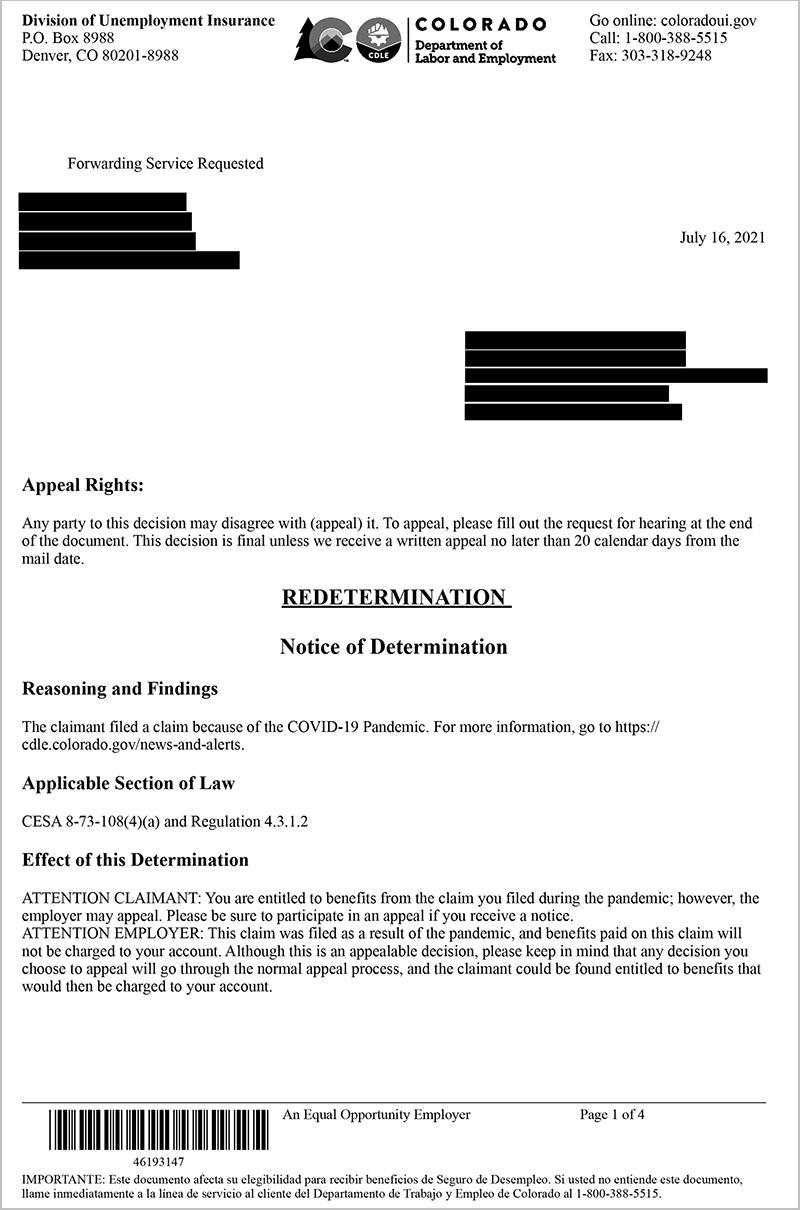
- Appeals Process: If your claim is denied, either monetarily or non-monetarily, you have the right to appeal the decision. This is a time-sensitive process:
- Filing an Appeal: You must file your appeal within a specific timeframe, typically 15 calendar days from the date the determination letter was mailed. Instructions for appealing will be included in the denial letter. It’s crucial to act quickly.
- The Hearing: The appeal process usually involves a hearing, often conducted over the phone, before an impartial administrative law judge (ALJ) or hearing officer. Both you and your former employer will have the opportunity to present evidence, call witnesses, and provide testimony regarding the circumstances of your separation or any disputed monetary facts. It’s advisable to prepare thoroughly, gather all relevant documents (e.g., disciplinary notices, resignation letters, pay stubs), and organize your thoughts before the hearing. The ALJ will listen to both sides and issue a decision.
- Further Appeals: If you disagree with the ALJ’s decision, you may have further appeal rights to higher boards or even the state courts, though these steps become increasingly complex.
- Continued Eligibility: To continue receiving benefits once approved, you must consistently adhere to the following requirements:
- Request Weekly Payments: This cannot be stressed enough. Always log into MyUI+ to request payments for each week you are unemployed.
- Conduct Active Work Searches and Keep Detailed Records: Continue to search for work diligently and meticulously record your efforts. The CDLE may audit your work search logs.
- Be Able and Available for Work: Remain physically and mentally capable of accepting suitable employment.
- Report Any Earnings from Part-Time Work or Other Sources: Even small amounts of earnings must be reported each week. This income will be deducted from your weekly benefit amount, but failure to report it truthfully can lead to overpayment, penalties, and even fraud charges.
- Participate in Any Required Reemployment Activities: Attend workshops, training sessions, or job fairs as directed by the CDLE.
Navigating Resources and Support During Unemployment in Colorado
Facing unemployment can be a challenging period, but in Colorado, a robust network of resources and support systems is available to assist you. Leveraging these tools can significantly ease the burden of job loss and accelerate your journey back to stable employment.
Official CDLE Resources and Local Assistance
The Colorado Department of Labor and Employment (CDLE) serves as the central hub for all unemployment-related information and services.
- The CDLE Website: This online portal is your primary and most comprehensive resource. It offers:
- Extensive FAQs: Answers to common questions about eligibility, claims, and appeals.
- Detailed Guides and Manuals: In-depth explanations of specific procedures and policies.
- Forms and Publications: Access to all necessary documents.
- Contact Information: Ways to reach the CDLE by phone or secure messaging through MyUI+ for personalized assistance.
Regularly checking the CDLE website for updates or changes to policies is highly recommended.
- In-Person Support: While online services through MyUI+ are highly encouraged for efficiency, some individuals may benefit from or require in-person assistance. The CDLE maintains offices in major cities across Colorado, such as Denver and Colorado Springs. These physical locations can provide direct support, answer complex questions, and offer guidance on navigating the system. It’s advisable to check the CDLE website for office locations, hours of operation, and whether appointments are required.
Leveraging Workforce Centers for Reemployment
Beyond the unemployment benefits themselves, one of the most valuable resources available to job seekers in Colorado are the various workforce centers located throughout the state. These centers are community hubs dedicated to connecting individuals with employment opportunities and enhancing their job search skills. They offer a wide array of free services, including:
- Resume Writing Assistance: Experts can help you craft compelling resumes and cover letters tailored to specific industries and positions.
- Job Search Workshops: These workshops provide practical skills and strategies for effective job searching, networking, and leveraging online platforms.
- Career Counseling: Professional counselors can help you assess your skills, explore new career paths, and develop a personalized job search plan.
- Skill Training and Certifications: Some centers offer access to training programs or resources for obtaining certifications that can boost your employability.
- Job Placement Services: Workforce centers often have direct connections with local employers and can help match you with suitable job openings.
- Access to Technology: For those without reliable internet access or computers at home, centers provide computer workstations and internet access for job applications and research.
These centers are found in major metropolitan areas like Denver, Colorado Springs, Boulder, and Fort Collins, as well as in smaller communities such as Grand Junction. They are invaluable tools for anyone seeking to transition back into the workforce quickly and effectively. By actively engaging with these resources, you not only fulfill your work search requirements but also significantly enhance your prospects for reemployment.
Navigating unemployment can undoubtedly be a challenging chapter, but for individuals in Colorado, the path to applying for and receiving necessary support is well-defined. By thoroughly understanding the eligibility criteria, diligently following the application steps, and actively leveraging the extensive resources provided by the Colorado Department of Labor and Employment and local workforce centers, you can move through this period with greater confidence. Remember, consistent effort in your job search and meticulous adherence to reporting requirements are key to ensuring a smooth process and a successful return to employment.
LifeOutOfTheBox is a participant in the Amazon Services LLC Associates Program, an affiliate advertising program designed to provide a means for sites to earn advertising fees by advertising and linking to Amazon.com. Amazon, the Amazon logo, AmazonSupply, and the AmazonSupply logo are trademarks of Amazon.com, Inc. or its affiliates. As an Amazon Associate we earn affiliate commissions from qualifying purchases.