
Louisiana, often dubbed the Bayou State, conjures images of cypress trees draped in Spanish moss, the soulful sounds of jazz, and, of course, the majestic American alligator. For travelers drawn to the wild heart of the South, understanding “gator season” is key to planning an unforgettable trip, whether your interest lies in observing these ancient reptiles in their natural habitat or exploring the unique culinary traditions that embrace them. While many immediately think of hunting, the term “gator season” in Louisiana encompasses a much broader spectrum of experiences, from carefully regulated harvests to prime viewing opportunities on thrilling swamp tours. This comprehensive guide will navigate the intricacies of alligator seasons, offering insights into the best times for various activities and how to seamlessly integrate them into your Louisiana travel itinerary.

Louisiana’s relationship with the alligator is deeply woven into its cultural fabric, an enduring symbol of its wild, untamed landscapes. From the expansive wetlands of the Atchafalaya Basin to the cypress-lined bayous near New Orleans, these creatures are integral to the ecosystem and the local economy. For those seeking adventure, cultural immersion, or simply a fascinating wildlife encounter, a trip during the right “gator season” can elevate your journey from a simple vacation to an extraordinary exploration of one of America‘s most distinctive states.
Understanding Louisiana’s Alligator Seasons: Harvest vs. Viewing
The concept of “gator season” in Louisiana is multi-faceted, largely depending on whether you’re interested in the strictly regulated hunting season or the more accessible and equally captivating alligator viewing opportunities. Both aspects are significant to the state’s tourism and wildlife management, offering distinct experiences for different types of travelers.
The Wild Alligator Harvest Season
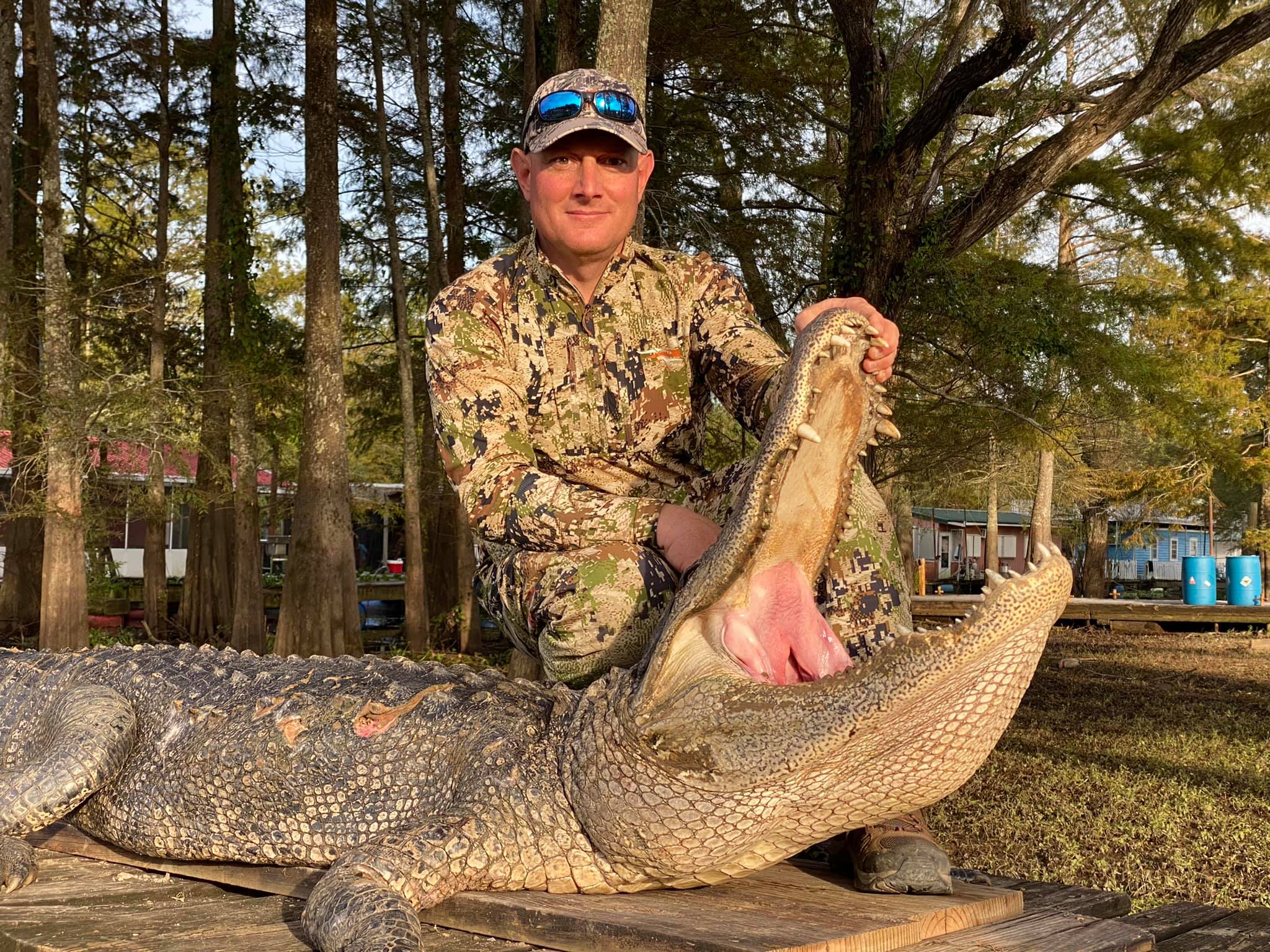
For those involved in wildlife management and the regulated harvesting of alligators, the wild alligator season is a brief but intense period. Governed by the Louisiana Department of Wildlife and Fisheries (LDWF), this season is critical for maintaining healthy alligator populations and supporting the state’s thriving alligator industry, which generates millions of dollars annually.
Typically, the wild alligator harvest season in Louisiana opens on the last Wednesday of August and runs for a period of 60 days. This schedule is meticulously planned to coincide with optimal conditions for harvesting, considering factors like alligator size, hide quality, and reproductive cycles. The state is divided into East and West Zones for alligator hunting, with hunters permitted to set lines from one-half hour before sunrise to one-half hour after sunset daily.
Participation in the wild alligator season is highly regulated and restricted. Only licensed alligator hunters are allowed to participate, and tags are allocated based on available habitat and alligator population densities on private and public lands. These tags are crucial, dictating the number of alligators a hunter can take. This stringent oversight ensures sustainability and prevents over-harvesting, a lesson learned from historical periods when alligator populations faced significant decline. For the average traveler, direct participation in the wild hunt is not an option, but understanding its timing helps appreciate the cultural and economic context of alligators in Louisiana. This period, usually late August through late October, offers a glimpse into a unique aspect of Louisiana’s rural lifestyle and natural resource management.
Farm-Raised Alligator Harvest: A Year-Round Industry
Beyond the wild harvest, Louisiana is also a global leader in farm-raised alligator production. Alligator farms operate year-round, harvesting alligators at various stages of growth for their meat and skins. These farms play a vital role in meeting commercial demand and are often linked to conservation efforts, as a percentage of eggs collected from the wild for farming must be returned to the wild as juvenile alligators, bolstering wild populations.
While less directly tied to seasonal travel, the existence of these farms ensures a consistent supply of alligator products, from gourmet meat available in restaurants across the state to high-end leather goods. Some alligator farms also offer educational tours, providing a fascinating look into the life cycle of these reptiles and the economics of the industry. This year-round operation means that culinary experiences featuring alligator meat are available regardless of the wild harvest season, making “gator cuisine” a perennial highlight for food-focused tourism.
Alligator Viewing Season: A Different Kind of Harvest
For most visitors to Louisiana, “gator season” refers to the best time to see alligators in their natural environment. This is where the state truly shines as a destination for wildlife enthusiasts and adventure seekers. Alligator viewing season broadly spans from spring through fall, with peak opportunities during the warmer months.
- Spring (March to May): As temperatures rise, alligators emerge from their winter dormancy (brumation). They become more active, basking in the sun to regulate their body temperature. This is an excellent time for viewing, as they are frequently seen along bayou banks and swamp edges. Mating season begins in late spring, adding another layer of interesting behavior to observe.
- Summer (June to August): This is arguably the prime time for alligator viewing. The warm waters and abundant food supply make alligators very active. Females are nesting and guarding their eggs, and hatchlings may begin to appear by late summer. The lush green scenery of the swamps is at its most vibrant, making for picturesque swamp tours. However, summer also brings high humidity and the potential for afternoon thunderstorms, so planning is essential.
- Fall (September to November): Early fall continues to offer excellent viewing opportunities, especially September and October when the weather is often glorious – warm days and cooler nights, with less humidity than summer. Alligators remain active as they prepare for the colder months. Late fall sees their activity slowly decrease as temperatures drop.
Winter (December to February) is generally considered the off-season for alligator viewing. While you might still spot an alligator on a very warm winter day, they are much less active, often brumating at the bottom of waterways, making sightings rare. Therefore, if seeing alligators is a priority for your Louisiana trip, focus on the spring, summer, and early fall months.
Embarking on a Gator Adventure: Tours and Experiences
Beyond mere observation, Louisiana offers a wealth of experiences centered around its most famous reptile, seamlessly blending into the state’s vibrant tourism offerings. These activities cater to various lifestyles, from family-friendly outings to adventurous eco-tourism.
The Thrill of the Swamp Tour
The quintessential Louisiana gator experience is undoubtedly a swamp tour. These excursions provide an intimate look into the unique ecosystems of the state’s wetlands and an almost guaranteed opportunity to see alligators up close. Companies throughout the state offer a range of tours, from large pontoon boats offering comfortable, narrated trips suitable for all ages, to smaller airboats that zip across the water for a more exhilarating, high-speed adventure.
Popular departure points for swamp tours include areas surrounding New Orleans, such as Jean Lafitte National Historical Park and Preserve and the communities of Slidell, Thibodaux, and Houma. Further west, near Lafayette in the heart of Cajun Country, tours delve deep into the immense Atchafalaya Basin, the largest river swamp in the United States. Knowledgeable local guides, often descendants of Acadians who have lived off these lands for generations, provide fascinating commentary on the swamp’s flora and fauna, history, and the habits of its most famous resident. They often entice alligators closer with marshmallows or other treats (a practice that sparks some debate among conservationists, but remains common).
When choosing a tour, consider your preferences for speed, group size, and the level of interaction you desire. Pontoon boat tours are often more educational and calmer, perfect for families or those seeking a relaxed pace. Airboat tours, while faster and louder, offer an adrenaline rush and cover more ground. Regardless of your choice, a swamp tour is an absolute must-do for any visitor hoping to truly experience Louisiana’s wild side.
Responsible Wildlife Viewing and Safety
While seeing alligators is exciting, responsible tourism is paramount. Always choose reputable tour operators who prioritize animal welfare and safety. Keep a respectful distance from wild alligators, especially if you encounter them outside of a guided tour. Never feed wild alligators, as this can habituate them to humans and lead to dangerous encounters. Swim only in designated areas and be aware of your surroundings, particularly in areas known for alligator populations. Adhering to these simple guidelines ensures a safe and enjoyable experience for both visitors and wildlife. Many tours also emphasize the importance of preserving these delicate ecosystems, promoting an eco-tourism lifestyle that benefits future generations.
Culinary Delights: Tasting Louisiana’s Gator Cuisine
No visit to Louisiana would be complete without indulging in its legendary cuisine, and alligator meat holds a distinctive place on many menus. Given the year-round availability from alligator farms, “gator cuisine” is always in season. Travelers seeking authentic local food experiences will find alligator prepared in a myriad of ways, reflecting the state’s diverse culinary heritage.
Common preparations include fried alligator tail, often served as an appetizer with a spicy dipping sauce, reminiscent of chicken tenders but with a unique, slightly gamey flavor and firm texture. Alligator sauce piquant, a rich, spicy stew, is a staple in Cajun Country, perfect for adventurous foodies. You might also find alligator sausage, grilled alligator, or alligator added to jambalaya or gumbo. These dishes offer a taste of Louisiana’s robust flavors and a direct connection to its natural resources. Exploring these culinary offerings is a fantastic way to immerse yourself in the local culture and lifestyle, transforming your trip into a full sensory experience.
Planning Your Louisiana Gator Getaway
Integrating “gator season” into your travel plans involves more than just knowing when to go; it’s about choosing the right destinations and accommodations to maximize your experience. Louisiana offers a spectrum of options, from bustling city hubs to serene bayou retreats, catering to all types of travelers, from budget-conscious adventurers to those seeking luxury travel.
Top Destinations for Gator Encounters
- New Orleans and Surrounding Parishes: The vibrant heart of Louisiana, New Orleans, serves as an excellent base for swamp tours. Within a short drive, you can reach several acclaimed swamp tour operators in areas like Westwego, Gretna, or Slidell. Combining the cultural richness of New Orleans with a wild gator encounter offers a comprehensive Louisiana experience.
- Lafayette and Cajun Country: For a deeper dive into Cajun Country and the heart of the Atchafalaya Basin, Lafayette is the ideal hub. Here, you’ll find numerous opportunities for swamp tours that focus on the basin’s incredible biodiversity. This region offers a distinct cultural experience, with its unique music, food, and language, making it a prime destination for immersive tourism.
- Lake Charles and Southwest Louisiana: The western side of Louisiana, particularly around Lake Charles, offers access to different wetlands and the Creole Nature Trail All-American Road, where wild alligators are frequently spotted along the scenic route. This area is perfect for independent travelers who enjoy self-guided wildlife viewing and exploring nature’s beauty.
- Baton Rouge: As the state capital, Baton Rouge offers a blend of historical attractions and convenient access to both the Mississippi River and nearby bayous for gator tours, making it another strategic point for your gator getaway.
Where to Stay: Accommodations for Every Traveler
Louisiana boasts a diverse range of accommodations to suit every style and budget, ensuring your stay complements your gator season adventure.
- Hotels & Resorts: In cities like New Orleans, Lafayette, and Baton Rouge, you’ll find everything from luxurious boutique hotels in historic districts to well-known chain hotels offering modern amenities. Many offer family-friendly resorts with pools and other facilities, ideal for those traveling with children.
- Charming B&Bs and Guesthouses: For a more intimate and culturally immersive experience, consider staying in one of Louisiana’s many bed and breakfasts. Often housed in historic homes, these accommodations provide a taste of Southern hospitality and local charm, particularly popular for couples or those seeking a more personal touch.
- Cabins & Lodges: To truly embrace the natural environment, look for cabins or lodges nestled near the bayous or state parks. These offer a rustic yet comfortable stay, perfect for outdoor enthusiasts and those seeking a quiet retreat after a day of gator spotting. Some even provide direct access to fishing or kayaking, enhancing the adventure lifestyle.
- Budget-Friendly Options: For budget travel, numerous motels and smaller hotels are available throughout the state, especially along major highways and in smaller towns, ensuring that an alligator adventure is accessible to all. Comparison shopping for accommodation can often yield great deals, making your trip more affordable.
No matter where you choose to stay, booking in advance, especially during peak gator viewing season (spring through early fall), is highly recommended to secure your preferred accommodation and ensure a smooth travel experience.

Beyond the Gators: Exploring Louisiana’s Rich Culture
While alligators are a major draw, a trip to Louisiana during “gator season” is an opportunity to explore the state’s multifaceted appeal. From the lively jazz clubs of New Orleans to the historic plantations along the Mississippi River, and the vibrant zydeco dance halls of Cajun Country, there’s an endless array of activities to enrich your visit.
Consider attending a local festival, sampling more of the incredible food (beignets, gumbo, jambalaya, crawfish boils!), or delving into the state’s unique history. Many guides and local experts offer invaluable tips for experiencing the local culture, ensuring you go beyond the typical tourist traps. By combining your gator encounters with other iconic Louisiana experiences, you craft a truly holistic and unforgettable travel narrative, reflecting the unique lifestyle and charm of the Bayou State.
In conclusion, “gator season” in Louisiana is not a single, narrow window but a vibrant continuum of opportunities. For those fascinated by the wild alligator harvest, the autumn months hold significance. However, for the majority of travelers, the peak alligator viewing season, stretching from spring through early fall, offers the most accessible and exciting chances to encounter these magnificent creatures. By carefully planning your trip, choosing the right destinations and accommodations, and embracing responsible tourism practices, you can create a memorable Louisiana adventure that celebrates both its wild heart and its rich cultural soul. Whether you seek thrilling swamp tours, unique culinary explorations, or simply a deep dive into America’s wetlands, Louisiana promises an experience unlike any other, forever etched in your travel memories.
LifeOutOfTheBox is a participant in the Amazon Services LLC Associates Program, an affiliate advertising program designed to provide a means for sites to earn advertising fees by advertising and linking to Amazon.com. Amazon, the Amazon logo, AmazonSupply, and the AmazonSupply logo are trademarks of Amazon.com, Inc. or its affiliates. As an Amazon Associate we earn affiliate commissions from qualifying purchases.