
Chicago, Illinois, often hailed as the “Windy City” and a global hub of finance, culture, and innovation, is one of the most iconic urban centers in the United States. From its towering skyscrapers to its vibrant arts scene and deep-dish pizza, Chicago offers an unparalleled experience for travelers and residents alike. However, understanding its administrative framework is key to appreciating its vast scope and regional influence. The answer to “What is the county of Chicago, Illinois?” is simple: Cook County.
Cook County is not just any county; it is the most populous county in Illinois and the second-most populous county in the United States, home to over 5 million people. Chicago itself accounts for a significant portion of this population, serving as the county seat and its economic, cultural, and political anchor. While the city of Chicago is undoubtedly the star, Cook County encompasses a sprawling metropolitan area that extends far beyond downtown, including numerous vibrant suburbs, charming towns, and extensive natural preserves, all contributing to the rich tapestry of experiences available to visitors.

Understanding the relationship between Chicago and Cook County is crucial for anyone planning a visit, considering accommodation, or simply seeking to grasp the geographical and administrative nuances of this dynamic Midwest powerhouse. It impacts everything from local governance and public services to the sheer breadth of tourist attractions, lifestyle options, and travel opportunities within the larger metropolitan area.
Understanding Chicago’s Administrative Heart: Cook County
At its core, Cook County represents the administrative and geographical expanse within which Chicago thrives. It’s an entity that provides a wide range of services to its residents, oversees various public facilities, and forms the broader canvas for the region’s diverse communities.
The Nexus of Urban Vibrancy and Regional Governance
Chicago, while managing its own municipal affairs, operates under the overarching jurisdiction of Cook County. This dual layer of governance is typical for large cities in the United States and ensures that services like healthcare, judicial systems, public safety, and certain infrastructure projects are coordinated across a broader regional scope. For travelers, this means a seamless experience in terms of emergency services and public amenities, regardless of whether they are deep in the Loop or exploring a charming suburban enclave.
The county’s robust public transportation system, particularly the Metra commuter rail, extends far into the suburbs, making it easy for visitors to explore areas beyond the immediate city center. The CTA (Chicago Transit Authority) handles intra-city transit with its extensive bus and ‘L’ train network, but for those wishing to venture further into Cook County, Metra becomes an invaluable tool, connecting the urban core to picturesque towns and diverse communities that boast their own unique attractions.
The sheer scale of Cook County means it’s a microcosm of Illinois itself, offering a blend of dense urban environments, bustling commercial districts, historic neighborhoods, and tranquil green spaces. This diversity contributes significantly to the overall tourism appeal, allowing visitors to tailor their itineraries from high-energy city breaks to more relaxed explorations of suburban life and nature.
Beyond the City Limits: Cook County’s Vast Landscape
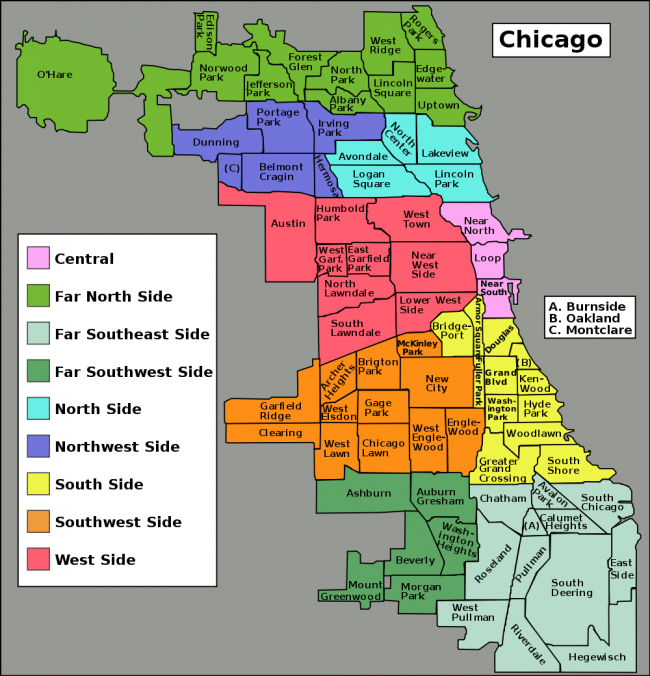
While Chicago commands attention with its iconic skyline along Lake Michigan, Cook County extends considerably inland and to the north and south. This expansive area includes more than 130 incorporated municipalities, each with its own character and attractions. From the affluent communities of the North Shore like Evanston and Glencoe, known for their beautiful architecture and lakeside views, to the historic charm of Oak Park, famous for its Frank Lloyd Wright Home and Studio, the county offers a spectrum of experiences.
The presence of major transportation hubs like O’Hare International Airport (one of the busiest airports in the world) and Midway International Airport firmly within Cook County underscores its importance as a gateway to the Midwest. These airports not only serve millions of travelers but also facilitate the flow of business and tourism, making the entire region highly accessible.
Moreover, Cook County boasts one of the largest forest preserve districts in the United States, offering hundreds of miles of trails for hiking and biking, numerous picnic groves, and opportunities for fishing, bird watching, and even cross-country skiing in winter. These natural havens provide a refreshing contrast to the urban hustle, allowing visitors to connect with nature without venturing far from metropolitan conveniences. The expansive network of forest preserves covers a significant portion of the county, acting as vital green lungs and recreational spaces for millions.
Exploring Cook County’s Diverse Offerings: A Tourist’s Perspective
For tourists, the realization that Chicago is part of a larger, incredibly diverse Cook County opens up a world of possibilities. While the city’s core attractions are undoubtedly captivating, venturing slightly beyond can reveal hidden gems and unique experiences that enrich any travel itinerary.
Iconic Chicago Landmarks and Attractions
Within Cook County, the city of Chicago itself is a treasure trove of world-renowned landmarks. A walk along Michigan Avenue and The Magnificent Mile reveals architectural marvels, high-end shopping, and luxurious hotels.
- Millennium Park: Home to the iconic Cloud Gate (affectionately known as “The Bean”), Millennium Park is a vibrant urban space showcasing public art and free concerts. It’s an essential stop for photo opportunities and cultural immersion. Adjacent is Grant Park, often referred to as “Chicago’s front yard,” featuring the magnificent Buckingham Fountain.
- Museum Campus: This incredible cluster of institutions houses the Art Institute of Chicago, one of the oldest and largest art museums in the United States; the Field Museum, a natural history museum with Sue, the T. Rex; the Shedd Aquarium, a vast indoor public aquarium; and the Adler Planetarium, offering stunning views of the cosmos and the city skyline.
- Navy Pier: Stretching into [Lake Michigan](https://lifeoutofthebox.com/lake michigan), Navy Pier is a lively entertainment hub with a Ferris wheel, boat tours, restaurants, and shops, offering family-friendly fun and breathtaking lake views.
- Observation Decks: Experience unparalleled panoramic views from Skydeck Chicago at the Willis Tower (formerly Sears Tower), or from 360 Chicago at the former John Hancock Center, which also features the thrilling “TILT” experience.
- Lincoln Park Zoo: A free-admission zoo located in the beautiful Lincoln Park neighborhood, offering a chance to see a wide variety of animals amidst stunning urban green space.
- Sports Venues: Catch a baseball game at the historic Wrigley Field, home of the Chicago Cubs, located in the vibrant Wrigleyville neighborhood.
The vibrant local culture of Chicago is evident in its diverse neighborhoods like Pilsen with its murals, Chinatown for authentic cuisine, and Logan Square for trendy eateries and bars. Food tourism is a significant draw, from gourmet dining in the West Loop to classic Chicago deep-dish pizza and hot dogs.
Suburban Gems and Natural Escapes
Beyond the city, Cook County presents a wealth of attractions often overlooked by first-time visitors.
- Oak Park: Just a short train ride from downtown, Oak Park is an architectural enthusiast’s dream. It boasts the largest concentration of Frank Lloyd Wright designed buildings in the world, including his personal Frank Lloyd Wright Home and Studio and Unity Temple. The village itself is charming, with tree-lined streets and boutique shops.
- Evanston: Home to Northwestern University, Evanston offers a vibrant college town atmosphere with beautiful lakefront parks, a thriving downtown, and unique cultural venues. Its proximity to the city makes it an easy day trip.
- Brookfield Zoo: Located in the western suburbs of Cook County, this internationally recognized zoo is significantly larger than Lincoln Park Zoo and houses an impressive collection of animals from around the globe in vast, naturalistic habitats. It’s a fantastic destination for families.
- Chicago Botanic Garden: Situated in Glencoe on the North Shore, this stunning 385-acre living museum and conservation center features 27 gardens and four natural areas, spread across nine islands. It’s a horticultural masterpiece offering tranquility and beauty in every season.
- Cook County Forest Preserves: For those seeking outdoor activities, the vast forest preserves offer opportunities for hiking, biking, picnicking, and wildlife observation. Popular spots include the Palos Preserves for extensive trail systems and the Thorn Creek Woods Nature Preserve for serene natural beauty.
These county-wide attractions provide a more relaxed pace and a different perspective on the region, showcasing its diverse appeal beyond the bustling city streets.
Accommodation and Lifestyle: Navigating Cook County Stays
The expansive nature of Cook County means an incredible variety of accommodation options and lifestyle choices catering to every budget and preference. Whether you’re seeking luxury, a budget-friendly stay, or a specific type of experience, Cook County has it.
From Luxury Suites to Budget-Friendly Apartments
Chicago’s hotel scene is world-class, offering everything from opulent five-star resorts to boutique hotels and extended-stay apartments.
- Luxury Travel: In the heart of Chicago, especially along The Magnificent Mile, Gold Coast, and River North, you’ll find iconic luxury hotels like the Four Seasons Hotel Chicago, The Peninsula Chicago, and the Hyatt Park Chicago. These establishments offer exquisite suites, world-class amenities such as spas and fine dining, and unparalleled service, perfect for those seeking a lavish experience. For historic grandeur, The Palmer House Hilton provides a glimpse into Chicago’s opulent past.
- Boutique and Lifestyle Hotels: Chicago also excels in unique boutique hotels that offer distinct personalities and localized experiences. Properties like Hotel EMC2 in Streeterville, LondonHouse Chicago with its stunning rooftop bar, Freehand Chicago blending hostel and hotel vibes, or The Robey in Wicker Park cater to travelers looking for character, design, and a connection to local culture.
- Budget and Mid-Range Options: Beyond the luxury market, Cook County offers a plethora of mid-range and budget-friendly hotels, as well as vacation rentals and serviced apartments, particularly outside the immediate downtown core. Areas like Lincoln Park, Lakeview, and various suburban areas provide more economical choices without sacrificing convenience or access to public transportation. Long-term stay options are also readily available for business travelers or those planning extended visits.
- Comparison and Booking: With countless options, comparing hotels and accommodations across Cook County is essential. Websites specializing in booking and reviews allow travelers to find the perfect fit, considering factors like amenities (pools, fitness centers, pet-friendly policies), location, and guest ratings.
Tailoring Your Cook County Experience
The lifestyle options within Cook County are as varied as its geography.
- Family Trips: Chicago and its county are incredibly family-friendly. Attractions like the Shedd Aquarium, Field Museum, Lincoln Park Zoo, Brookfield Zoo, and Navy Pier offer engaging experiences for all ages. Accommodations often include suites with multiple rooms or kitchens, ideal for families.
- Business Stays: For business travelers, Chicago’s central location and robust convention facilities make it a prime destination. Hotels often cater to this demographic with business centers, meeting rooms, and executive lounges. Many suburban areas also feature business parks and hotels, especially near the airports, providing convenient access for corporate events and meetings within Cook County.
- Local Culture and Food: Exploring local culture and food is a highlight of any visit. Cook County is a culinary melting pot, from Michelin-starred restaurants in the city to diverse ethnic eateries in neighborhoods like Pilsen and Chinatown, or farm-to-table experiences in some suburban towns. Food tours are popular ways to sample the region’s gastronomic delights.
- Shopping and Entertainment: From the luxury boutiques of Gucci and Louis Vuitton on The Magnificent Mile to unique independent shops in neighborhoods like Wicker Park, shopping opportunities abound. Entertainment ranges from Broadway in Chicago productions to live music clubs, vibrant theater scenes, and sports events.
Practical Tips for Visiting Chicago and Cook County
To ensure a smooth and enjoyable trip through Chicago and its surrounding Cook County areas, a few practical tips can make all the difference.

Getting Around and Making the Most of Your Trip
- Transportation: Chicago has an excellent public transportation system. The CTA ‘L’ trains and buses cover the city extensively, while the Metra commuter rail connects downtown with most of Cook County’s suburbs. Day passes or multi-day passes for the CTA are often economical. For exploring further into the county or for specific destinations like the Brookfield Zoo or Chicago Botanic Garden, a car rental might be beneficial, though parking in downtown Chicago can be expensive. Taxis and ride-sharing services are also widely available. For long-distance travel, Amtrak serves Chicago’s Union Station, connecting it to the rest of the United States.
- Best Time to Visit: Cook County experiences all four seasons distinctly. Summer (June-August) is popular for festivals, outdoor activities, and pleasant weather, but also attracts the largest crowds. Spring (April-May) and Fall (September-October) offer milder temperatures, beautiful foliage, and fewer tourists, making them ideal for sightseeing. Winter (November-March) can be cold and snowy, but Chicago lights up with holiday cheer, ice skating rinks, and cozy indoor attractions.
- Packing Essentials: Depending on the season, layers are always a good idea. Comfortable walking shoes are a must for exploring the city. In winter, heavy coats, hats, gloves, and scarves are essential.
- Safety Tips: Like any major metropolitan area, it’s wise to be aware of your surroundings, especially at night. Stick to well-lit and populated areas, and use reputable transportation services.
- Local Experiences: Don’t just stick to the main tourist routes. Dive into a neighborhood festival, visit a local brewery in Logan Square or West Loop, or catch a live jazz or blues performance at a historic club. These experiences offer a deeper insight into the local culture and vibrant heartbeat of Cook County.
- Information and Guides: Utilize local tourism guides and visitor centers to discover events, obtain maps, and get personalized recommendations. Many hotels offer concierge services that can assist with bookings and itineraries.
In conclusion, while Chicago shines as a global city, its identity is inextricably linked to Cook County. This expansive county provides the foundation, infrastructure, and diverse regional context that makes Chicago the vibrant, multifaceted destination it is. From world-class travel experiences and varied accommodation options to rich cultural tourism and iconic landmarks, exploring Chicago truly means immersing oneself in the vast and dynamic offerings of Cook County, Illinois.
LifeOutOfTheBox is a participant in the Amazon Services LLC Associates Program, an affiliate advertising program designed to provide a means for sites to earn advertising fees by advertising and linking to Amazon.com. Amazon, the Amazon logo, AmazonSupply, and the AmazonSupply logo are trademarks of Amazon.com, Inc. or its affiliates. As an Amazon Associate we earn affiliate commissions from qualifying purchases.