
California, a state known for its diverse landscapes and vibrant culture, offers unparalleled opportunities for exploration. From the iconic coastal drives of the Pacific Coast Highway to the bustling urban centers of Los Angeles and San Francisco, a driver’s license is essential for truly experiencing the Golden State. Whether you’re a new resident or a long-term visitor planning to immerse yourself in local tourism and visit renowned landmarks, navigating the process of obtaining a California driver’s license is a crucial step. This guide will streamline your journey, ensuring you’re well-prepared for every stage at the Department of Motor Vehicles (DMV).
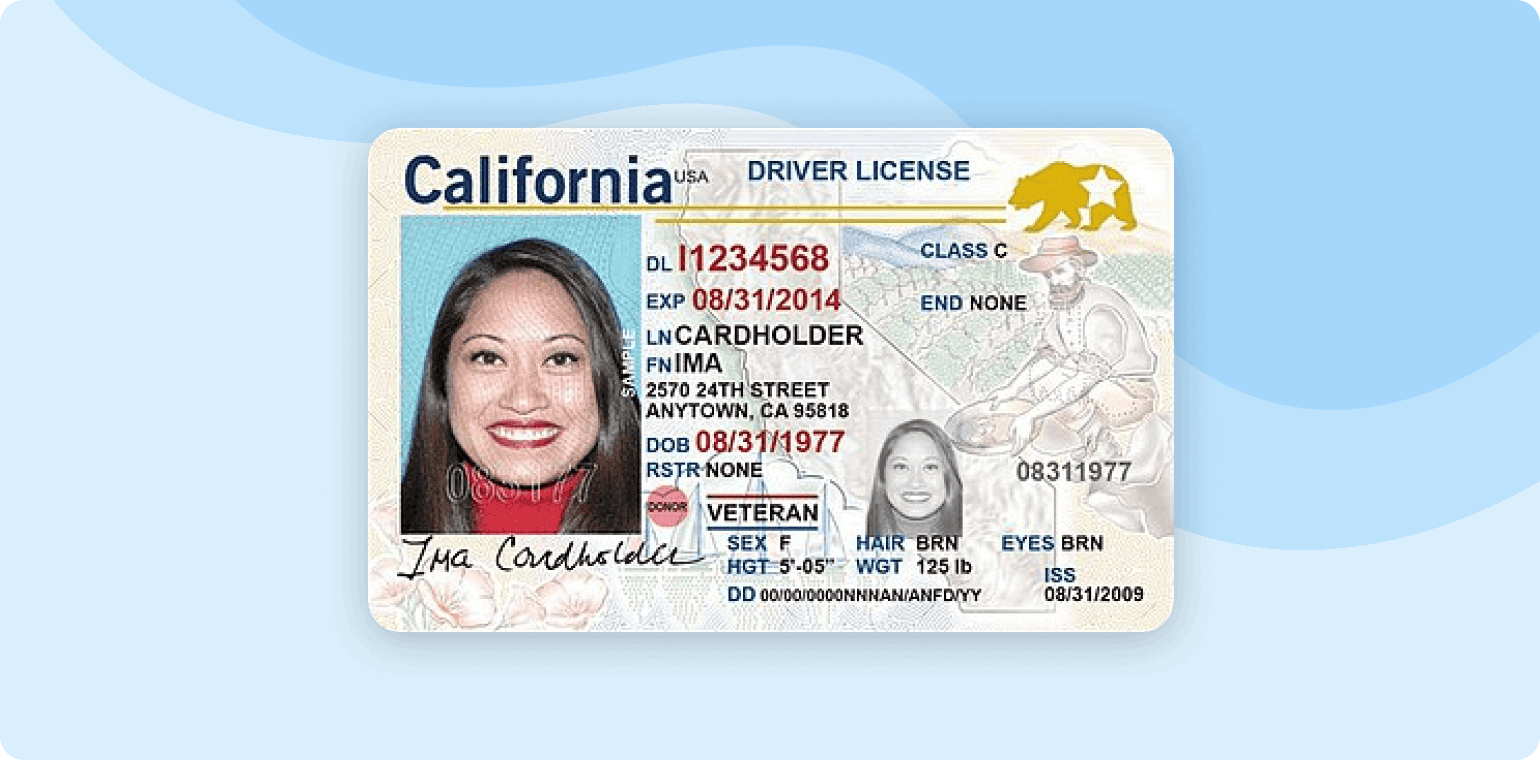
Navigating Initial Requirements and Documentation
Before embarking on your journey to a California driver’s license, understanding the fundamental eligibility criteria and meticulously gathering the necessary documents is paramount. This initial preparation will save you considerable time and potential frustration.
Who is Eligible and What to Bring
Generally, applicants must be at least 18 years old and prove legal residency in California. For minors aged 16 or 17, a provisional license program applies, involving additional driver education and training. The DMV requires a robust set of documents to verify your identity, residency, and legal presence in the United States.
You will need:
- Proof of Identity: An original or certified copy of a document like a United States birth certificate, a valid United States passport, or an unexpired foreign passport with an approved I-94. For non-citizens, documents from the United States Citizenship and Immigration Services (USCIS) such as a Permanent Resident Card (Green Card) or an Employment Authorization Document (EAD) are essential.
- Proof of Residency: At least two different documents showing your current California address. These can include utility bills, rental agreements, mortgage statements, or bank statements. If you’re staying in temporary accommodation or a hotel, specific documentation might be needed.
- Social Security Number (SSN): Your Social Security Administration (SSA) card or proof of ineligibility for an SSN. The DMV verifies this electronically.
Always consult the official California DMV website for the most up-to-date checklist before your visit.
Important Considerations for Newcomers
For those relocating from other countries or even other United States states, a California driver’s license is vital for adapting to your new environment. While an International Driving Permit (IDP) serves short-term visitors for up to one year (must accompany your foreign license), acquiring a California license becomes necessary for permanent residents, long-term students, or those staying beyond 12 months.
New residents, especially without prior United States driving history, should thoroughly review the California Driver Handbook to familiarize themselves with local traffic laws. Regulations can vary significantly, impacting everything from pedestrian rights to specific lane usage. For individuals under 18, the provisional license system gradually introduces safe driving, including mandated education and supervised practice hours before the official driving test.
The DMV Application Process: Written and Vision Tests
With your documents in order, the next phase involves your visit to the DMV office, where you’ll complete your application, undergo a vision screening, and take the crucial written knowledge test.
Scheduling and Application Essentials
DMV offices, especially in areas like San Diego, Sacramento, and San Jose, often have long wait times. Scheduling an appointment online through the official DMV website is highly recommended to prioritize your visit.
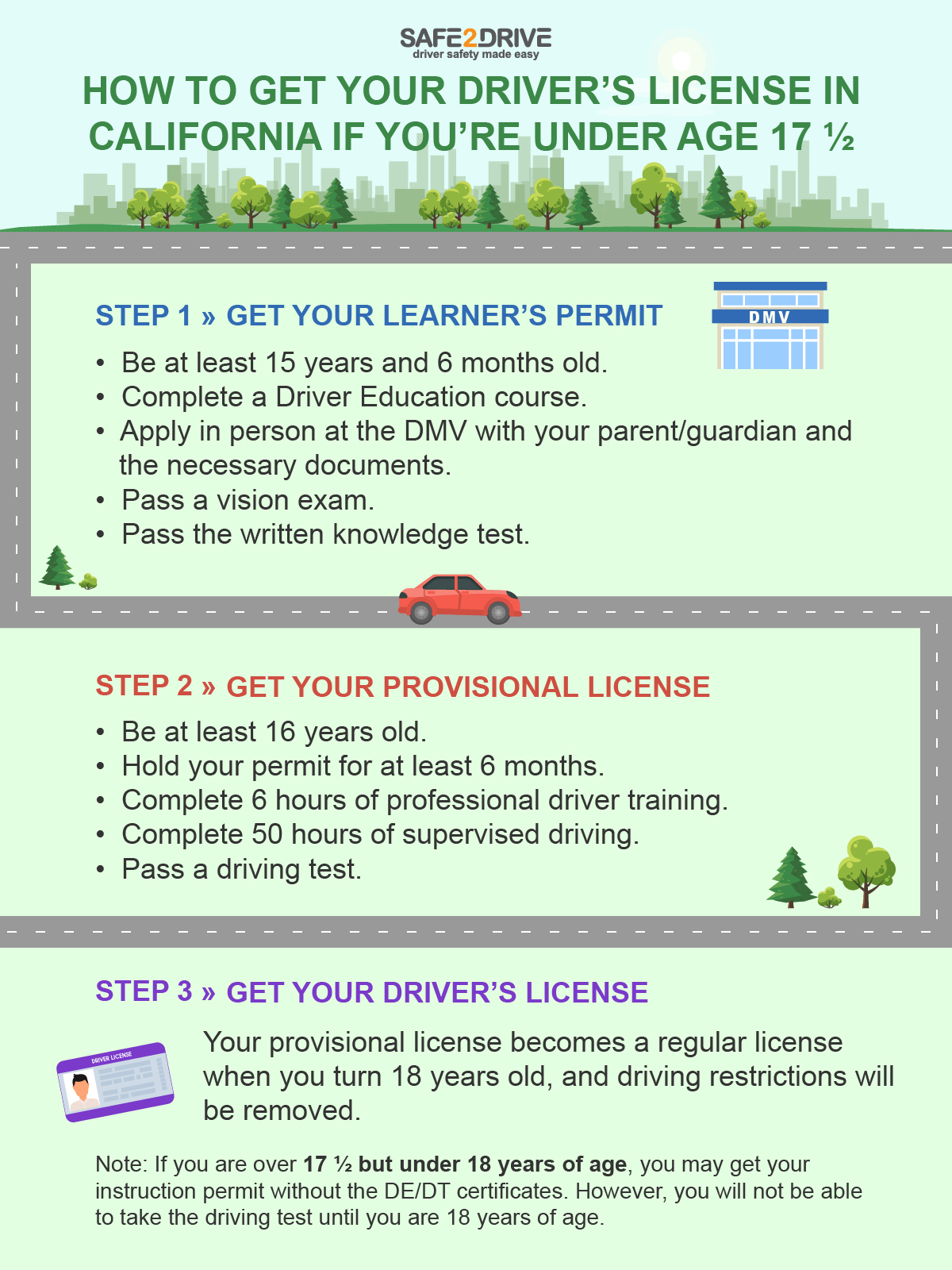
On appointment day, arrive early with all documents and the required application fee. You will complete a Driver License or Identification Card Application (DL 44 or DL 44C) — either online beforehand or at a DMV kiosk. This step also includes submitting your thumbprint and having your photograph taken.
Conquering the Knowledge and Vision Exams
The written knowledge test assesses your understanding of California traffic laws, road signs, and safe driving. This test ensures drivers comprehend rules governing the state’s diverse roadways, from Napa Valley to Hollywood. The official California Driver Handbook is your indispensable study guide. Read it thoroughly and take online practice tests to boost your chances. The test has multiple-choice questions, with a limited number of incorrect answers allowed. For non-native English speakers, the DMV offers the test in various languages.
Immediately following, you’ll undergo a vision test. This screening ensures your eyesight meets minimum standards for safe driving. If you wear corrective lenses, wear them; your license will reflect this restriction if you pass. Failure to meet vision standards requires an eye care professional’s referral. Both tests are critical gateways to demonstrating your readiness for the road.
The Behind-the-Wheel Driving Test
The final, and often most anticipated, step is the behind-the-wheel driving test. This practical examination evaluates your ability to safely and competently operate a vehicle in real-world traffic conditions.
Preparing Your Vehicle and Skills
Thorough preparation is paramount for success. Practice driving extensively in varied conditions and environments, including city streets and residential areas. Familiarize yourself with common maneuvers like turns, lane changes, and safe stopping distances. While parallel parking isn’t always part of the test, mastering it shows overall vehicle control.
The vehicle you use for the test must be legally registered, insured, and in safe working condition. All lights, horn, wipers, mirrors, and tires must be functional. An accompanying adult (18+, valid California license) must bring you to the DMV for the test. Ensure the vehicle is clean and free of issues. Common failures include not checking blind spots, rolling through stop signs, or improper lane usage. Focus on smooth, controlled, and observant driving.
What to Expect During the Road Test
During the test, the DMV examiner will evaluate your safe driving habits and adherence to traffic laws. Key areas include vehicle control (steering, acceleration, braking), observation skills (mirrors, intersections, blind spots), proper signaling, maintaining safe following distances, and executing turns and lane changes correctly. You’ll be assessed on judgment in various traffic situations, obedience to speed limits, and responsiveness to signs. Critical errors, such as failing to yield or unsafe lane changes, result in immediate failure. The goal is to show you are a confident, predictable, and safety-conscious driver ready for diverse roads, from Beverly Hills to Yosemite National Park.
Upon passing, you get a temporary license; your permanent card arrives in weeks. If you don’t pass, the examiner gives feedback; you can retest after two weeks and an additional fee. Use this time to refine skills.
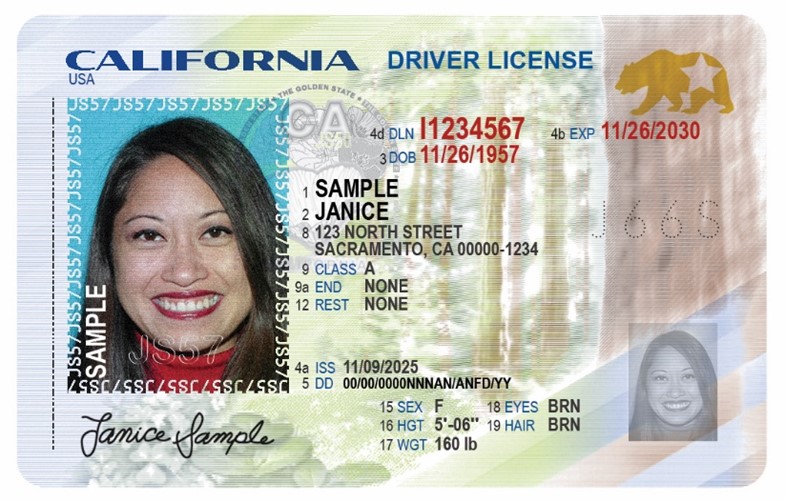
Conclusion: Your Passport to California Exploration
Obtaining your California driver’s license is more than just acquiring identification; it’s gaining independence and access to incredible experiences. With your license, the entire state becomes your oyster, opening doors to unforgettable road trips along Highway 1, explorations of stunning national parks like Joshua Tree National Park and Redwood National Park, and the discovery of charming towns in Sonoma County. You can easily reach world-famous attractions like Disneyland and the Santa Monica Pier, or venture off the beaten path to serene destinations like Lake Tahoe, the stunning landscapes of Big Sur, the ancient forests of Sequoia National Park and Kings Canyon National Park, or the desert oasis of Palm Springs.
For residents, it simplifies daily life; for travelers, it elevates a vacation to a personalized adventure, allowing spontaneous detours and deeper immersion into local culture. This guide aims to demystify the DMV process, enabling you to confidently pursue your license and embrace the freedom to explore all the wonders California has to offer. Safe travels!
LifeOutOfTheBox is a participant in the Amazon Services LLC Associates Program, an affiliate advertising program designed to provide a means for sites to earn advertising fees by advertising and linking to Amazon.com. Amazon, the Amazon logo, AmazonSupply, and the AmazonSupply logo are trademarks of Amazon.com, Inc. or its affiliates. As an Amazon Associate we earn affiliate commissions from qualifying purchases.